
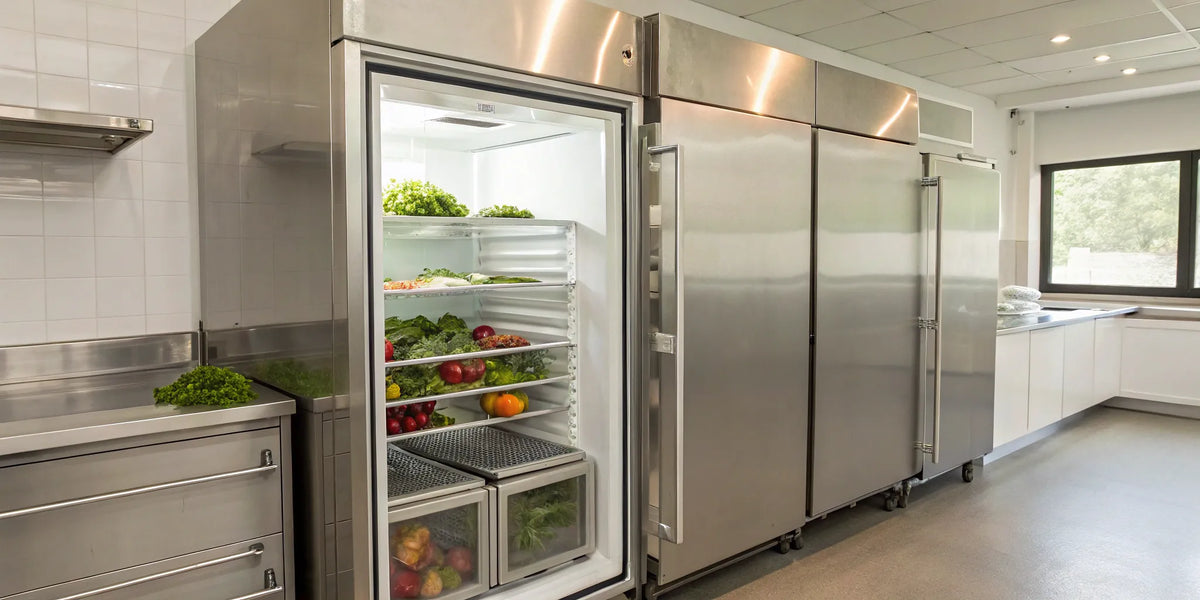
Have you ever stopped to think about whether a refrigerator is truly kitchen equipment? You probably use it every day, but do you really know why it belongs in your kitchen setup?
Understanding this can change how you organize your space and even how you shop for your next appliance. Keep reading, and you’ll discover surprising facts that make your fridge more than just a cold box—it’s a key player in your kitchen’s success.
Don’t miss out on what could transform your cooking experience!
Role Of Refrigerators In Kitchens
Refrigerators play a vital role in every kitchen. They keep food safe and fresh. This helps families save money and eat healthier meals. Refrigerators also make cooking easier. They store ingredients at the right temperature. This section explains the key roles refrigerators have in kitchens.
Preserving Food Freshness
Refrigerators slow down the growth of bacteria on food. This keeps fruits, vegetables, dairy, and meat fresh longer. Cold temperatures prevent spoilage and maintain taste. Fresh food means better nutrition for your family. It also reduces the risk of foodborne illness.
Reducing Food Waste
Storing food properly helps avoid spoilage and waste. Leftovers stay edible for days instead of hours. Meal ingredients last longer, so you can use them all. Less waste means less money spent on groceries. It also lowers the amount of trash sent to landfills.
Enhancing Meal Preparation
Refrigerators allow you to plan meals ahead. Ingredients are ready and fresh when needed. Cold storage helps keep sauces, dressings, and dough in good condition. This saves time and effort during cooking. Having everything fresh makes meals more enjoyable.
Types Of Refrigerators For Kitchens
Refrigerators come in various types to fit different kitchen needs and styles. Each design offers unique features and space arrangements. Understanding these types helps choose the right fridge for your kitchen size and lifestyle.
Top Freezer Models
Top freezer refrigerators have the freezer compartment above the fridge. They are classic and simple in design. These models are affordable and use less energy. The layout makes it easy to reach frozen foods quickly.
Side-by-side Designs
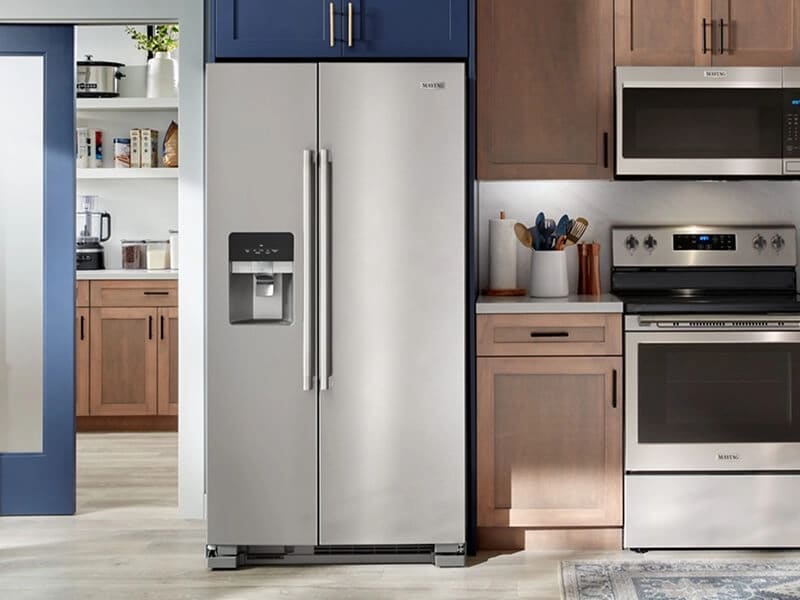
Side-by-side refrigerators split the fridge and freezer vertically. Both sections have narrow doors that open wide. This style offers easy access to fresh and frozen items. Many models include water and ice dispensers on the door.
French Door Options
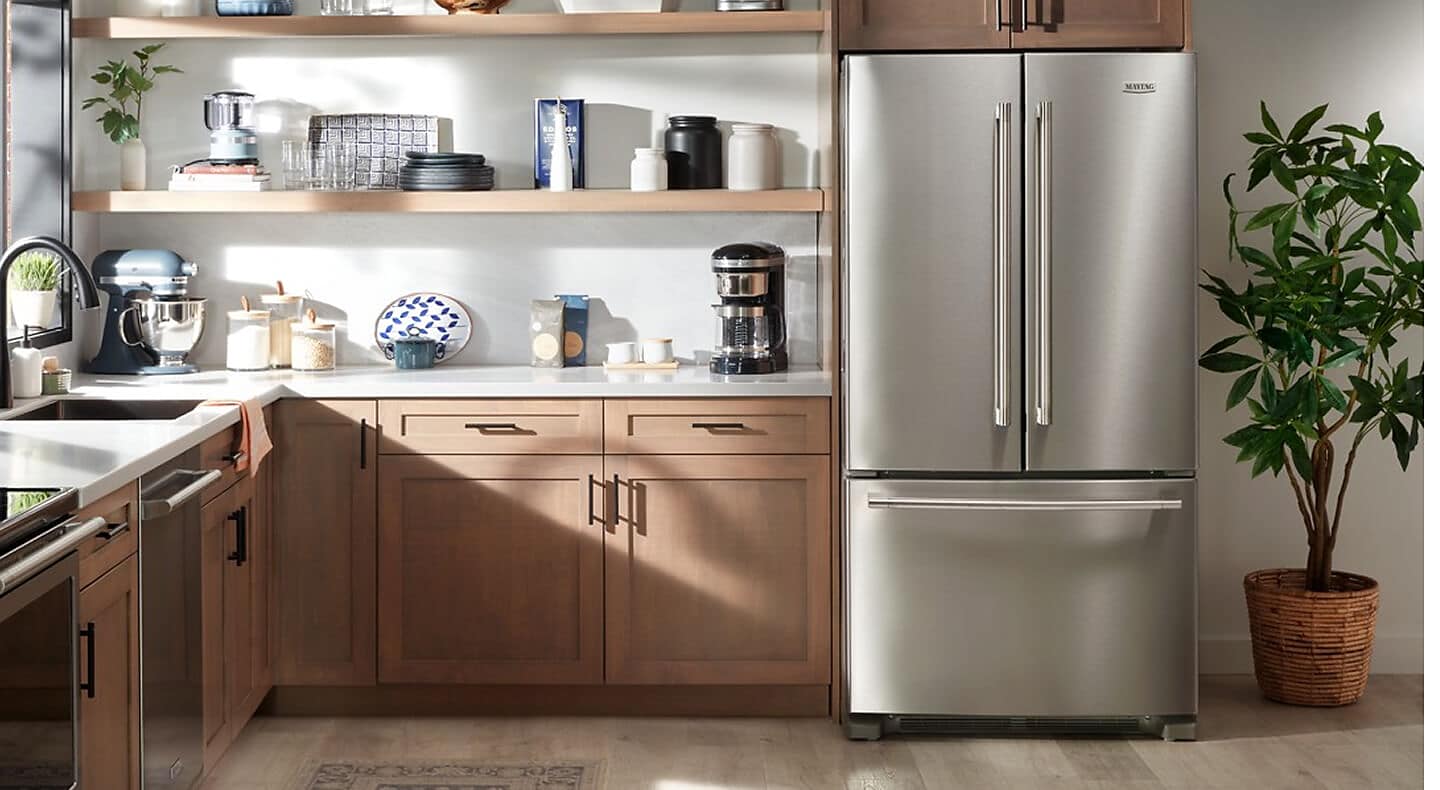
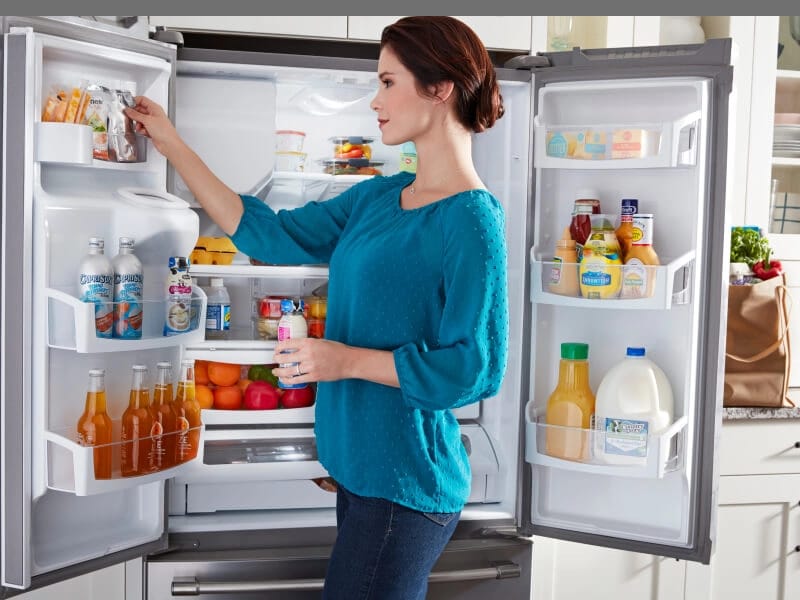
French door refrigerators combine a wide fridge on top with a freezer drawer below. The double doors provide a wide view of fresh food. They often have spacious shelves and adjustable compartments. Ideal for large families or those who store many fresh items.
Compact And Mini Fridges
Compact fridges are small and fit in tight spaces. Perfect for offices, dorms, or small kitchens. These fridges save space but offer less storage. Mini fridges are easy to move and great for basic cooling needs.
Key Features Of Modern Refrigerators
Modern refrigerators come with various features that enhance convenience and efficiency. These features not only preserve food but also make life easier. Let's explore some key features that define today’s refrigerators.
Energy Efficiency Ratings
Modern refrigerators are designed to consume less energy. They often come with energy efficiency ratings. These ratings help you understand electricity usage. Choosing a fridge with a high rating saves on utility bills. It also reduces environmental impact.
Temperature Control Systems
Advanced temperature control systems maintain optimal conditions. Different sections can have different temperatures. This ensures that food stays fresh longer. Some models offer precise digital controls. You can easily adjust settings to suit your needs.
Smart Technology Integration
Many refrigerators now feature smart technology. This includes Wi-Fi connectivity and app control. You can monitor and adjust settings remotely. Some models send alerts for open doors or maintenance needs. This keeps your kitchen running smoothly.
Storage Flexibility
Storage flexibility is another significant feature. Adjustable shelves and drawers accommodate various items. This makes organizing and accessing food easy. Some models have special compartments for specific foods. These features maximize space and convenience.
Credit: www.maytag.com
Choosing The Right Refrigerator
Choosing the right refrigerator is more than just picking a cool appliance for your kitchen. It impacts your daily routine, food storage efficiency, and even your kitchen’s overall look. Understanding your space, family size, budget, and brand reliability helps you make a smart choice that lasts for years.
Assessing Kitchen Space
Before you shop, measure your kitchen area carefully. Consider the width, height, and depth where the refrigerator will fit. Don’t forget to leave some room for ventilation and door clearance.
Have you noticed how some fridges look cramped or overpower the space? Picking the right size keeps your kitchen comfortable and functional.
Matching Family Needs
Your family size and eating habits should shape your choice. A single person might do well with a compact fridge, while a large family needs more storage and compartments.
Think about how often you cook or buy groceries. Do you store lots of fresh produce or frozen items? This affects the type of fridge and features you should prioritize.
Budget Considerations
Set a clear budget before exploring options. Refrigerators come in a wide price range, from basic models to high-tech versions with smart features.
Remember, spending more doesn’t always mean better. Focus on essential features that meet your needs rather than extras you won’t use.
Brand And Warranty Factors
Choose brands known for reliability and good customer service. Reading reviews and asking friends can reveal which brands stand the test of time.
Check the warranty terms carefully. A solid warranty offers peace of mind and protects your investment if something goes wrong.
Maintenance Tips For Longevity
Keeping your refrigerator running smoothly is key to extending its life and saving money on repairs. Regular maintenance helps your fridge work efficiently, keeping your food fresh longer and avoiding unexpected breakdowns. Let’s look at simple, practical tips you can do at home to keep your kitchen’s most essential equipment in top shape.
Regular Cleaning Practices
Clean your refrigerator inside and out every few weeks to prevent odors and mold buildup. Use a mixture of warm water and baking soda or mild soap for a safe, effective clean. Don’t forget to wipe down shelves, drawers, and door seals, as food spills and crumbs can cause damage over time.
Cleaning the coils at the back or underneath the fridge is equally important. Dust and dirt on coils make the compressor work harder, increasing energy use and wear. You can use a vacuum or a coil brush to gently remove dust and debris.
Preventing Frost Build-up
Frost buildup in your freezer can reduce space and efficiency. If your model isn’t frost-free, defrost it regularly by turning it off and letting the ice melt naturally. Avoid using sharp tools to chip away ice; this can damage the interior.
Check that food is stored in airtight containers to reduce moisture inside the fridge. Moisture is a main cause of frost, so controlling it helps keep your freezer frost-free longer.
Checking Door Seals
Door seals keep cold air inside and warm air out. Over time, seals can crack or become loose, causing your fridge to work harder. Test your seals by closing the door on a piece of paper; if it slides out easily, the seal may need replacing.
Cleaning the seals with warm, soapy water keeps them flexible and effective. Inspect seals monthly to catch problems early before they lead to higher energy bills or spoiled food.
Troubleshooting Common Issues
If your fridge isn’t cooling properly, check the thermostat settings first. Sometimes, a simple adjustment solves the problem. Another common issue is unusual noises, which might mean the compressor or fan needs attention.
Look out for water pooling inside or outside the fridge—this could signal a clogged drain or a broken seal. Don’t wait too long to address these problems; small repairs often prevent costly replacements. Have you ever ignored a strange sound from your fridge, only to face a bigger problem later?
Credit: www.maytag.com
Impact On Kitchen Design
The refrigerator plays a crucial role in shaping your kitchen's design. It’s not just a functional appliance but a key element that affects how your kitchen looks and works. Understanding its impact can help you create a space that is both beautiful and practical.
Placement And Accessibility
Where you place your refrigerator determines the flow of your kitchen activities. You want it close enough to food prep areas but not blocking traffic paths. Think about how often you grab items from it—easy access can save you time and frustration.
Have you noticed how a refrigerator near the entrance of the kitchen can invite clutter? Positioning it thoughtfully helps keep your kitchen organized and efficient.
Integration With Other Appliances
Your refrigerator should fit well with other kitchen appliances like ovens, dishwashers, and microwaves. Matching heights and styles can create a seamless look that feels intentional. It’s also important to leave enough space for doors to open without obstruction.
Consider whether you want a built-in fridge or a freestanding one. Built-ins often blend better with cabinetry, while freestanding models offer flexibility in placement.
Aesthetic And Style Choices
The fridge can be a statement piece or blend into the background depending on your style. Stainless steel offers a modern look, while colorful or panel-ready models can add personality or match your cabinets. Your choice will influence the overall vibe of your kitchen.
Have you thought about how the finish of your refrigerator affects the room’s lighting and mood? Reflective surfaces can brighten a space, while matte finishes add warmth.
Credit: www.maytag.com
Frequently Asked Questions
Is A Refrigerator Considered Kitchen Equipment?
Yes, a refrigerator is essential kitchen equipment. It stores perishable food safely and keeps ingredients fresh for cooking and consumption.
Why Is A Refrigerator Important In The Kitchen?
A refrigerator maintains food freshness by slowing bacterial growth. It helps reduce food waste and ensures safe meal preparation.
Can A Kitchen Function Without A Refrigerator?
While possible, a kitchen without a refrigerator is inefficient. Food storage becomes difficult, and freshness cannot be maintained properly.
What Types Of Refrigerators Are Used In Kitchens?
Common kitchen refrigerators include top-freezer, bottom-freezer, side-by-side, and French door models. Each offers different storage features and space.
Conclusion
A refrigerator clearly fits as kitchen equipment. It keeps food fresh and safe. Without it, storing food is hard. It helps reduce waste and saves money. Most kitchens rely on it daily. This appliance plays a key role in cooking and meal prep.
So, calling a refrigerator kitchen equipment makes perfect sense. It’s simple, useful, and essential.