
Have you ever wondered if Slo Roast is just another ghost kitchen? If you’re curious about where your food really comes from and what makes a ghost kitchen different, you’re not alone.
Understanding this can change how you choose your meals and who you trust with your cravings. Keep reading, and you’ll discover the truth about Slo Roast—and why it matters to you.
Slo Roast Concept
The Slo Roast concept is reshaping how we think about dining and food delivery. It's not just about slow-cooked meals; it’s about blending tradition with modern convenience. Understanding what Slo Roast truly is helps you appreciate why many wonder if it operates as a ghost kitchen.
What Is Slo Roast
Slo Roast focuses on preparing food through slow roasting, which locks in flavors and tenderness. This method often results in dishes that feel homemade, rich, and deeply satisfying. Unlike fast food, Slo Roast meals take time but reward you with quality that’s hard to beat.
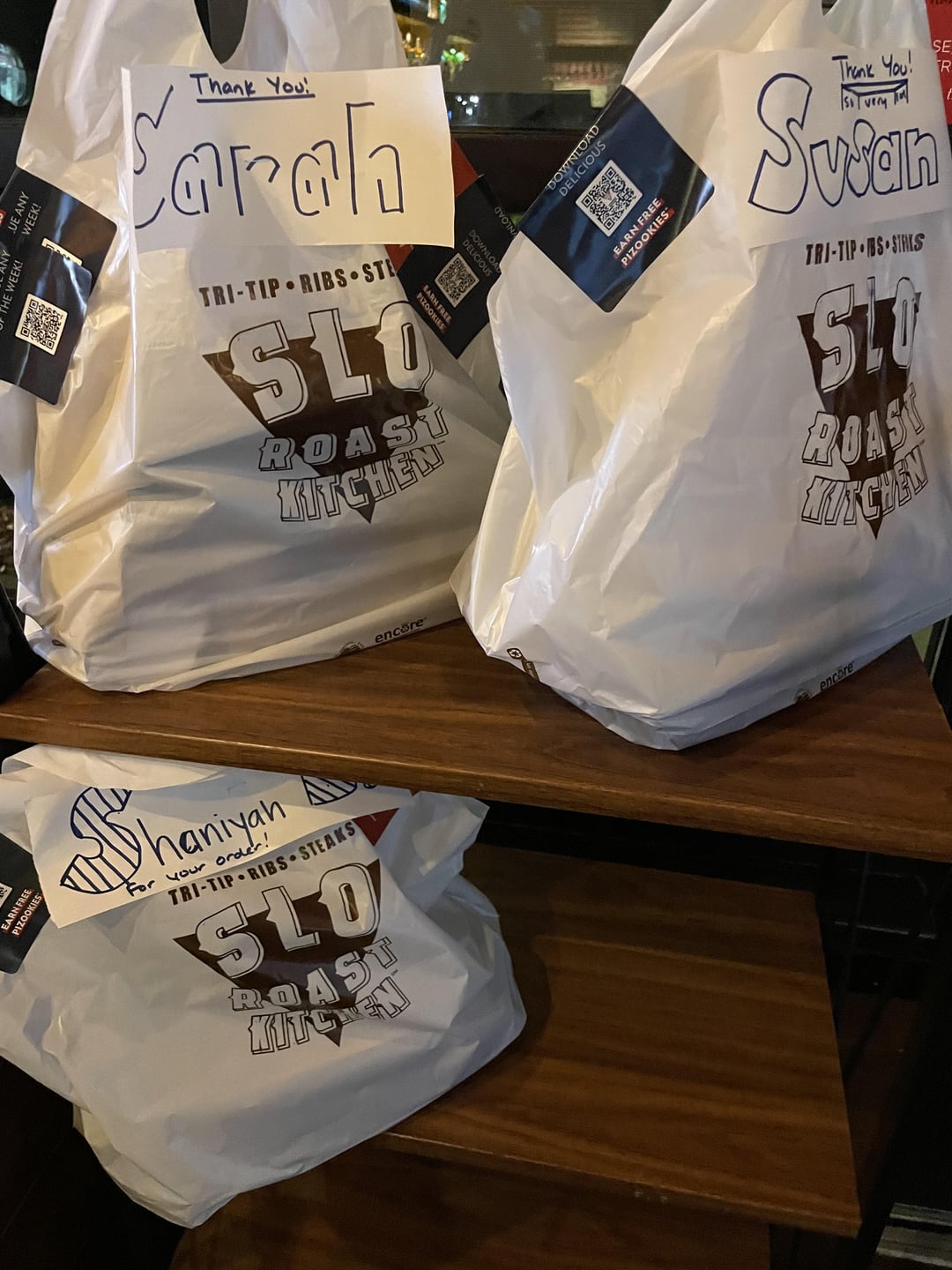
Many Slo Roast outlets prioritize delivery and takeout over dine-in experiences. This approach raises questions about their kitchen setups, especially if you don’t see a traditional restaurant space. Could this be why some believe Slo Roast is a ghost kitchen?
Origins And Popularity
The slow roasting technique has roots in various cultures, prized for producing juicy meats and robust flavors. Recently, its popularity surged as people look for comfort food that reminds them of home cooking. Slo Roast taps into this nostalgia while meeting the demand for quick, convenient meals.
In urban areas, where space is limited and food delivery is booming, Slo Roast’s model fits perfectly. You might find it operating from places that don’t look like typical restaurants but still serve high-quality food. This shift reflects changing consumer habits and the rise of delivery-focused kitchens.
Credit: www.sanluisobispo.com
Ghost Kitchen Explained
Understanding ghost kitchens helps clarify many new food service trends. These kitchens operate differently from traditional restaurants. They focus solely on preparing food for delivery or takeout. No dine-in area exists, which changes how they run and serve customers.
Definition And Features
A ghost kitchen is a delivery-only food service facility. It does not have a storefront for customers to dine in. The kitchen often serves multiple brands or menus from one location. It uses online orders through apps or websites. This model reduces costs on rent and staff. The kitchen focuses on fast, efficient food preparation. Many ghost kitchens use technology to track orders and optimize delivery times.
Rise Of Ghost Kitchens
Ghost kitchens have grown quickly in recent years. Changing consumer habits have increased food delivery demand. More people order meals online than ever before. Lower startup costs attract new food entrepreneurs. Restaurants expand their reach without physical space. The COVID-19 pandemic sped up this trend. Many businesses adapted by switching to delivery-only models. Ghost kitchens now play a key role in the food industry.
Slo Roast Business Model
The Slo Roast business model is crafted around efficiency and convenience, catering to today's fast-paced food culture. It combines traditional roasting techniques with modern operational strategies to deliver flavorful meals without the wait. Understanding how Slo Roast runs can help you see why it stands out in the competitive food market.
Operational Setup
Slo Roast operates primarily through a centralized kitchen designed for high-volume cooking rather than a full-service restaurant. This setup focuses solely on preparing menu items that travel well, ensuring quality remains intact during delivery. The kitchen is equipped with specialized roasting equipment and staffed by skilled cooks who maintain consistency across orders.
Unlike traditional restaurants, Slo Roast avoids front-of-house expenses like dining areas or waitstaff. This lean model reduces overhead and allows them to invest more in ingredient quality and kitchen technology. Have you noticed how this approach can impact the final price you pay?
Delivery And Ordering Process
Ordering from Slo Roast is straightforward and optimized for digital platforms. You place your order through their website or popular food delivery apps, selecting from a focused menu designed to ensure quick preparation. This system minimizes wait times and streamlines customer interaction.
Once your order is placed, the kitchen begins roasting your meal fresh, packaging it securely to maintain heat and flavor during transit. Delivery partners then handle the drop-off, relying on efficient routing to get food to your door promptly. This division of labor lets Slo Roast focus on what they do best—making delicious roasted dishes.
Have you ever wondered if this delivery-first model affects food quality? Slo Roast’s careful packaging and timing strategies show it’s possible to enjoy restaurant-style meals right at home without compromise.

Credit: www.youtube.com
Comparing Slo Roast And Ghost Kitchens
Slo Roast operates differently from typical ghost kitchens by using physical locations and direct customer service. Ghost kitchens focus only on online orders without dine-in options. Understanding this difference helps clarify whether Slo Roast fits the ghost kitchen model.
Comparing Slo Roast and Ghost Kitchens In the bustling world of food delivery, Slo Roast and ghost kitchens have emerged as popular options for satisfying culinary cravings. Both concepts offer unique dining experiences without the need for traditional restaurant settings. But how do they stack up against each other? Let's dive into the similarities and differences to help you make an informed choice.
Similarities
Both Slo Roast and ghost kitchens prioritize convenience. They operate primarily through online platforms, making it easy for you to order your favorite dishes with a few clicks. Neither requires dine-in space, focusing instead on efficient food production and delivery.
Key Differences
Slo Roast specializes in slow-cooked meats, offering a niche menu that highlights their expertise in this area. In contrast, ghost kitchens often host multiple brands under one roof, providing a diverse range of cuisines. While Slo Roast has a specific culinary focus, ghost kitchens thrive on variety, catering to broader tastes. Have you ever wondered how these dining options affect local restaurant culture? Choosing between them could shape your dining habits and impact your community. Consider what matters most to you—variety or specialization? Your choice might just redefine your eating experience.
Customer Experiences
Customer experiences reveal much about Slo Roast’s true nature. Real feedback helps understand if it operates like a ghost kitchen or not. Customers share their thoughts on food quality, delivery, and service. These insights build a clearer picture for anyone curious about Slo Roast.
Reviews And Feedback
Many customers praise Slo Roast for tasty meals and quick delivery. Some mention consistent flavors and good portion sizes. Others note friendly customer service and easy ordering.
Negative reviews often focus on packaging or delivery delays. Few customers express confusion about the brand’s location. This mix of reviews suggests a mostly positive experience but with room to improve.
- Fresh ingredients and well-cooked dishes
- Fast and reliable delivery service
- Clear communication from staff
- Packaging that keeps food warm
- Occasional delays or mix-ups in orders
Transparency And Trust
Slo Roast shares some details about its kitchen and operations. Customers appreciate clear menus and easy access to contact information. Transparency builds trust, especially for those unsure about ghost kitchens.
Some users want more clarity about the cooking location and sourcing. Honest replies from Slo Roast help reassure customers. Open communication reduces doubts and increases confidence in the brand.
- Clear menu descriptions and prices
- Available contact for questions or complaints
- Regular updates on social media or website
- Address details provided for order tracking
- Willingness to respond to customer concerns

Credit: www.doordash.com
Industry Impact
The rise of Slo Roast as a ghost kitchen has shaken up the food industry in ways that ripple far beyond just one brand. It challenges how restaurants operate, how consumers get their meals, and what the future of dining looks like. Understanding this impact helps you see where the industry might head next and how you can adapt or benefit from these changes.
Effect On Traditional Restaurants
Traditional restaurants face growing pressure from ghost kitchens like Slo Roast. They no longer just compete with nearby eateries but with virtual brands serving the same audience without the overhead of a physical dining space.
You might notice local restaurants experimenting more with delivery-only menus or partnering with ghost kitchens to expand their reach. This shift means restaurants must rethink how they attract and keep customers beyond the dining room ambiance.
Have you wondered if your favorite dine-in spot will survive as more people opt for quick delivery options? Many restaurateurs I’ve spoken with admit they’re scrambling to adapt or risk losing relevance.
Future Of Food Delivery
Slo Roast shows that food delivery is not just about convenience but also about efficiency and scalability. Ghost kitchens can quickly launch new concepts, test menus, and serve multiple brands from one location.
This model pushes delivery to become faster, cheaper, and more diverse in offering. You’ll likely see more personalized meal options and niche cuisines coming straight to your door without the usual restaurant wait times.
What if your next meal comes from a kitchen you never visit in person? This possibility changes how you think about freshness, quality, and the trust you place in food delivery services.
As a customer, staying informed about these shifts helps you make better choices about where and how you order food. For businesses, it’s a call to innovate or get left behind.
Frequently Asked Questions
What Is Slo Roast's Business Model?
Slo Roast operates as a traditional restaurant with physical locations. It is not a ghost kitchen. They focus on slow-cooked meals served in-house and through delivery.
How Does Slo Roast Differ From Ghost Kitchens?
Unlike ghost kitchens, Slo Roast serves customers onsite. They have dine-in options, not just delivery-only services. Their kitchen is part of a visible restaurant space.
Can I Order Slo Roast Food For Delivery?
Yes, Slo Roast offers delivery but from their actual restaurant. Orders are prepared in their physical kitchen, ensuring fresh meals rather than virtual kitchen service.
Why Do Some Think Slo Roast Is A Ghost Kitchen?
Slo Roast’s strong online presence and delivery focus cause confusion. However, they maintain a physical restaurant, unlike typical ghost kitchens that lack storefronts.
Conclusion
Slo Roast offers tasty food without a traditional dine-in space. It operates mainly through delivery and takeout services. This style fits the ghost kitchen model well. Many enjoy its convenience and menu variety. The kitchen focuses on cooking, not customer seating.
This approach suits busy customers wanting quick meals. So, Slo Roast can be seen as a ghost kitchen. It meets the needs of today’s fast-paced lifestyle. Trying their food is easy and hassle-free. Good meals, no dining room needed.