
Have you ever wondered if a smoke detector is really necessary in your kitchen? You spend a lot of time there cooking, and accidents can happen when you least expect them.
But is it safe to rely on detectors placed elsewhere in your home? Knowing the answer could protect your loved ones and your property from unexpected fire hazards. Keep reading to discover why having a smoke detector in your kitchen might be more important than you think—and how it can give you peace of mind every time you step into that space.
Smoke Detectors And Kitchen Safety
Smoke detectors play a crucial role in kitchen safety. Kitchens have a higher risk of fire due to cooking activities. Installing smoke detectors helps detect smoke early. Early detection can prevent fire damage and save lives. Understanding their role in kitchens is important for every homeowner.
How Smoke Detectors Work In Kitchens
Smoke detectors sense smoke particles in the air. They trigger an alarm to warn about fire danger. In kitchens, smoke from cooking can trigger false alarms. Special smoke detectors for kitchens reduce false alarms. These detectors are designed to ignore normal cooking smoke.
Types Of Smoke Detectors Suitable For Kitchens
- Photoelectric Detectors:Detect smoldering fires with less false alarms.
- Ionization Detectors:Detect fast-flaming fires but may cause more false alarms in kitchens.
- Heat Detectors:Respond to temperature changes, ideal for kitchens to avoid false alarms.
Placement Tips For Kitchen Smoke Detectors
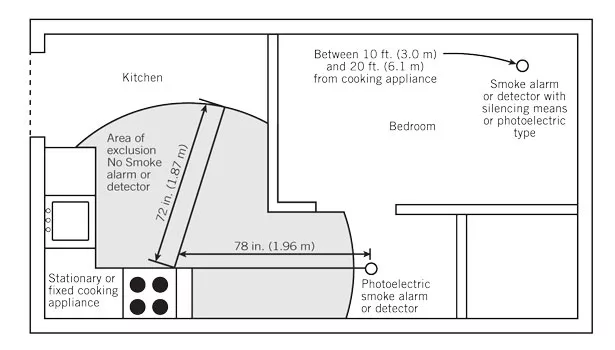
Place detectors away from cooking appliances. Keep them at least 10 feet from stoves or ovens. Avoid placing detectors near windows or vents. Proper placement reduces false alarms and improves safety. Install multiple detectors for larger kitchens.
Building Codes And Regulations
Building codes and regulations shape safety rules for smoke detector installation. They define where and how to place detectors to reduce fire risks. Kitchens pose unique challenges due to smoke and steam from cooking. These rules balance safety with practical use in these areas.
Local Requirements
Local governments set specific rules for smoke detectors in homes. These rules vary by city or state. Some places allow smoke detectors near kitchens but not inside. Others require special types that reduce false alarms.
Checking local codes helps ensure compliance and safety. Local fire departments or building offices offer guidance. Homeowners should follow these rules strictly to avoid fines.
National Standards
National standards provide broad safety guidelines for smoke detectors. The National Fire Protection Association (NFPA) publishes important standards. NFPA 72 is the main code for fire alarm systems.
This standard recommends installing smoke detectors outside sleeping areas and on every floor. It advises caution with kitchen placement to avoid false alarms. Heat detectors may be suggested in kitchens instead of smoke detectors.
Following national standards helps improve overall home safety. Many local rules base their requirements on these standards.
Challenges Of Installing Smoke Detectors In Kitchens
Installing smoke detectors in kitchens presents unique challenges that can affect their effectiveness and your daily life. Kitchens are busy, humid, and filled with smoke and steam from cooking, which often triggers false alarms. These frequent alerts can lead to frustration and even the temptation to disable the detector, defeating its purpose.
False Alarms From Cooking
Cooking releases smoke, steam, and particles that smoke detectors often mistake for dangerous fires. This can result in constant beeping during normal meal preparation, especially when frying or grilling. Have you ever rushed to silence your smoke alarm just to find there’s no real danger? It’s a common experience that can make people ignore alarms altogether.
To reduce false alarms, consider detectors designed specifically for kitchens, such as photoelectric smoke alarms or heat detectors. These types respond to actual fire conditions rather than just smoke particles. You might also want to invest in alarms with a hush button, allowing temporary silence during cooking.
Detector Placement Tips
Where you put your smoke detector in the kitchen matters a lot. Placing it too close to the stove or oven increases false alarms, while putting it too far might delay fire detection. Ideally, install detectors at least 10 feet away from cooking appliances to balance safety and practicality.
Mount detectors on the ceiling or high on the wall since smoke rises, but avoid spots near windows, ceiling fans, or vents. These can disperse smoke and prevent the alarm from detecting it quickly. Would you know the best location in your kitchen to ensure safety without constant interruptions?
Think about your kitchen layout and typical cooking habits when choosing detector placement. Test different locations if needed, and keep your alarms clean and well-maintained to improve sensitivity and reliability.
Credit: www.kingdunalarm.com
Alternatives To Traditional Smoke Detectors
Smoke detectors in kitchens can cause false alarms due to steam and cooking smoke. Alternatives like heat detectors or smart smoke alarms offer better accuracy and fewer disruptions. These options help keep kitchens safe without constant false alerts.
When it comes to safeguarding your kitchen from potential fire hazards, traditional smoke detectors might not always be the best fit due to their sensitivity to cooking fumes. Fortunately, there are alternative devices designed to offer efficient protection without the nuisance of false alarms. Let's explore these alternatives that can keep your kitchen safe while allowing you to cook in peace.
Heat Detectors
Heat detectors are a fantastic alternative for kitchens, as they respond to significant temperature changes rather than smoke. They activate when the temperature rises rapidly, making them ideal for areas prone to smoke from cooking. Imagine the relief of cooking a big family breakfast without setting off an alarm just because the bacon got a little crispy. By installing a heat detector, you get accurate fire detection without unnecessary interruptions.
Combination Alarms
Combination alarms offer the best of both worlds by integrating smoke and heat detection. These alarms are designed to differentiate between a real fire threat and everyday cooking activities. This dual functionality ensures you receive timely warnings only when it's truly necessary. It’s like having a smart assistant in your kitchen that understands your cooking habits and acts accordingly. Have you ever considered what would happen if a small kitchen fire occurred while you were busy in another room? Combination alarms can provide that extra layer of security, giving you peace of mind even when multitasking.
Maintaining Kitchen Smoke Detectors
Maintaining your kitchen smoke detectors is essential to ensure they work properly when you need them most. Smoke detectors in the kitchen face extra challenges like cooking fumes and grease, which can affect their performance. Regular care and attention will help keep your home safe and your alarms reliable.
Testing Frequency
Test your kitchen smoke detector at least once a month. Press the test button until you hear a loud alarm sound. If the alarm is weak or silent, it’s time to check the batteries or replace the unit.
Have you ever ignored a test and later regretted it? Regular testing can prevent false alarms or, worse, no alarm during a real fire.
Battery Replacement
Replace the batteries in your smoke detector at least twice a year. A good way to remember is to change them when you adjust your clocks for daylight saving time. Use high-quality batteries for the best performance.
If your detector uses a sealed lithium battery, it might last up to 10 years, but you still need to check the unit regularly. Dead batteries are the top reason smoke detectors fail when you need them.
Cleaning Tips
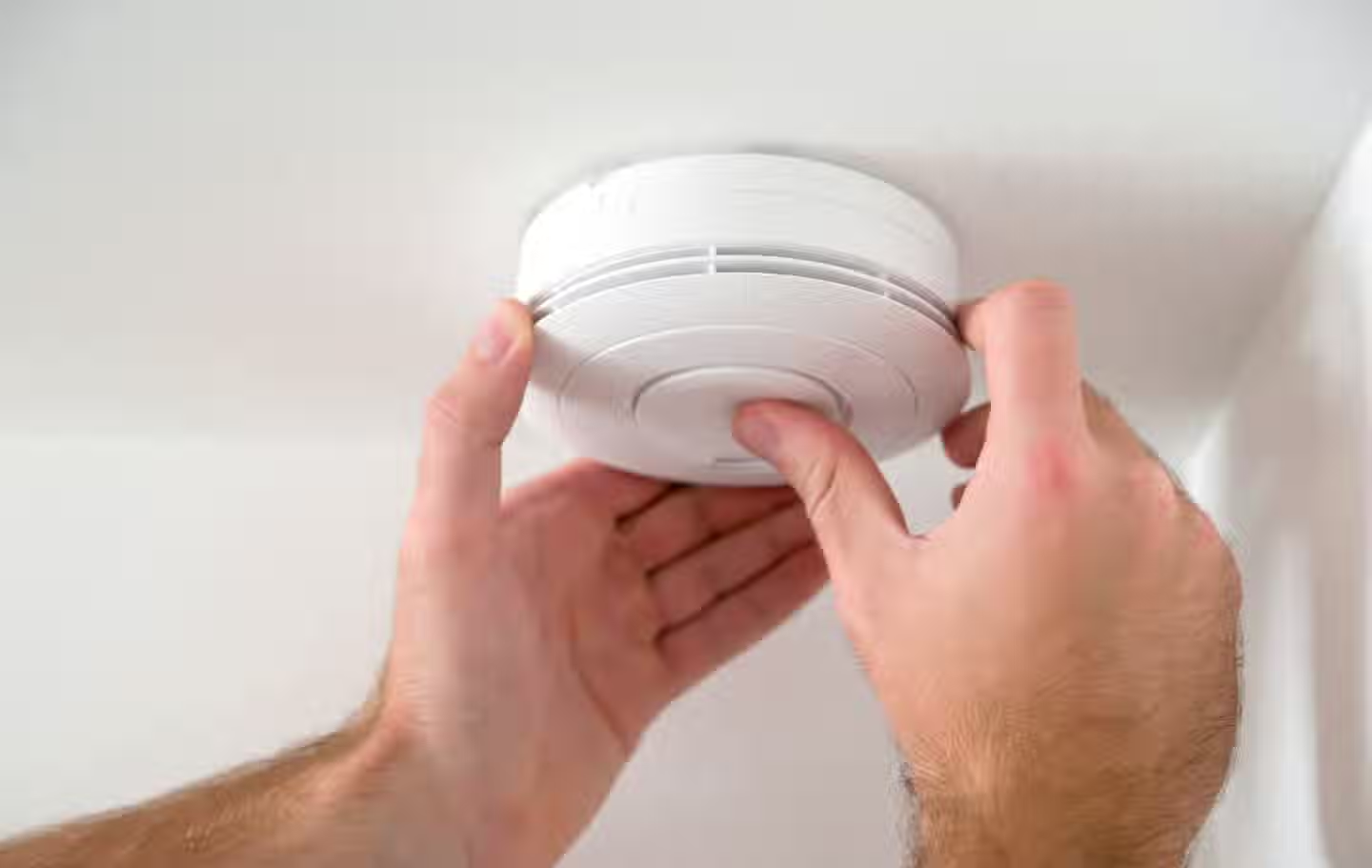
Keep your kitchen smoke detector free from dust, grease, and cooking residue by cleaning it every few months. Use a soft brush or vacuum cleaner with a soft brush attachment to gently remove dirt. Avoid using water or cleaning sprays, which can damage the sensor.
Have you noticed your detector going off after cooking? Cleaning it can reduce false alarms caused by smoke or steam buildup. A clean detector works better and lasts longer.
Credit: www.servpro.com
Additional Kitchen Fire Safety Measures
Additional safety measures in the kitchen help prevent fires and protect your home. Kitchens are common places for fire accidents due to heat and open flames. Simple tools and habits can reduce risks significantly.
Fire Extinguishers
Keep a fire extinguisher in the kitchen for quick response. Choose one rated for grease and electrical fires. Place it near the exit so you can grab it easily. Check the pressure gauge often to ensure it works. Learn how to use it properly before an emergency.
Safe Cooking Practices
Never leave cooking food unattended. Use timers to remind you when to check on food. Keep flammable items like towels and paper away from the stove. Use pots and pans with sturdy handles. Turn pot handles inward to avoid accidents. Clean cooking surfaces regularly to prevent grease buildup. Avoid wearing loose clothing that can catch fire.
Credit: www.kidde.com
Frequently Asked Questions
Is A Smoke Detector Mandatory In The Kitchen?
Smoke detectors are not always required directly in kitchens due to false alarm risks. However, local building codes often require them nearby for safety. It’s best to install smoke detectors close to, but not inside, the kitchen to detect fires early without frequent false alarms.
Why Avoid Smoke Detectors Inside The Kitchen?
Smoke and steam from cooking can trigger false alarms frequently. This can lead to nuisance alerts and reduce the effectiveness of smoke detectors. Instead, placing detectors just outside the kitchen balances safety with practicality.
What Alternatives Exist For Kitchen Fire Detection?
Heat detectors are a good alternative inside kitchens. They respond to rapid temperature rises, reducing false alarms from cooking smoke. Combining heat detectors inside with smoke detectors outside improves overall kitchen fire safety effectively.
How Often Should Kitchen Smoke Detectors Be Tested?
Smoke detectors should be tested monthly to ensure proper function. Replace batteries at least yearly or when low battery alerts sound. Regular maintenance keeps detectors reliable and ready to protect your home.
Conclusion
Smoke detectors in kitchens help protect your home and family. Fires can start quickly while cooking. A detector warns you early, giving time to act. Many safety rules suggest having one near the kitchen. Choose a smoke detector designed to reduce false alarms from cooking steam.
Test it often and change batteries regularly. Keeping your kitchen safe is a smart choice. Simple steps can prevent big problems. Stay alert and protect your home.