
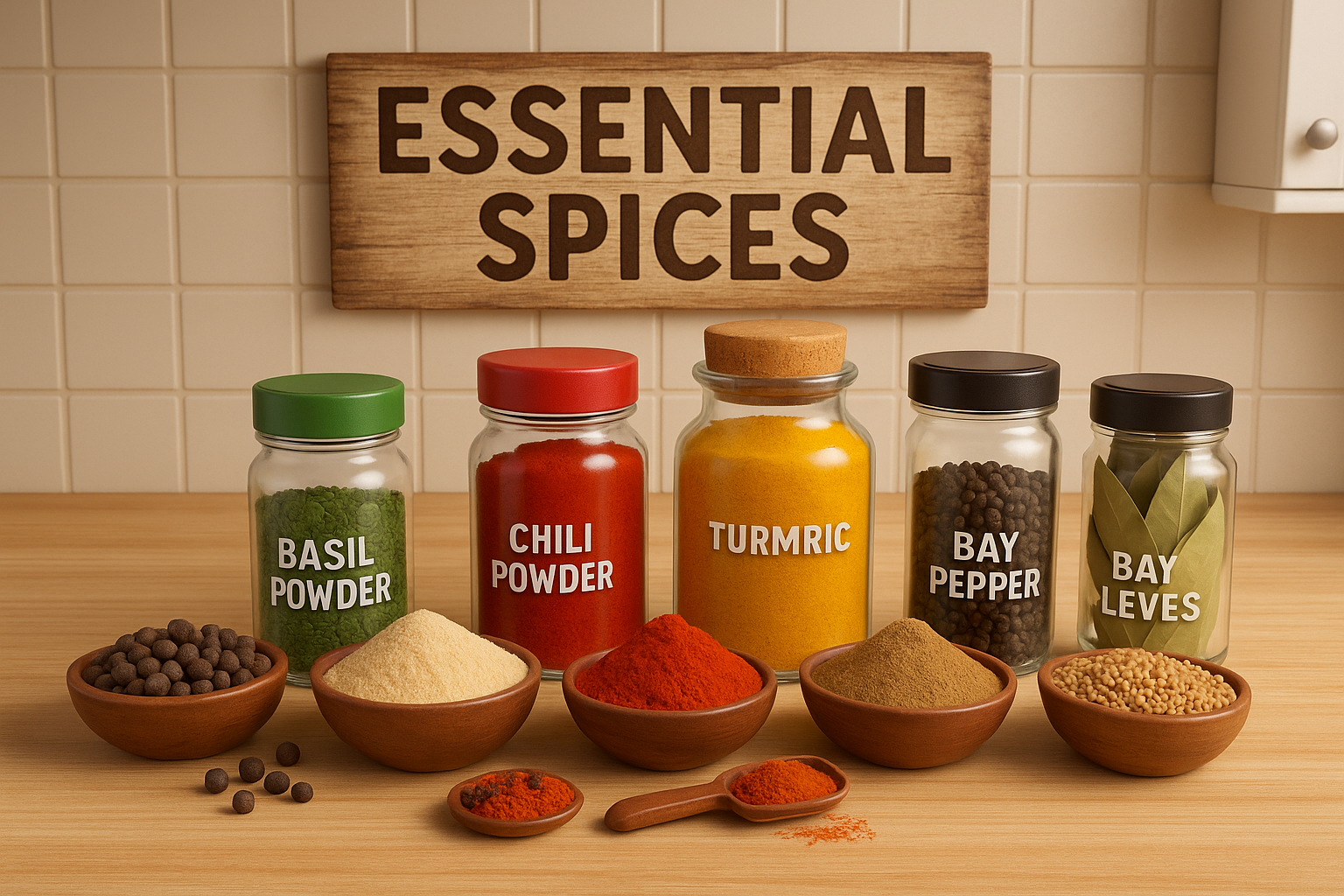
Imagine transforming every meal you make into a flavorful masterpiece with just a pinch of the right seasoning. You don’t need a long list of exotic spices or complicated blends to elevate your cooking.
What you really need are a few essential seasonings that bring out the best in your dishes, making your kitchen the heart of irresistible flavors. You’ll discover the must-have seasonings that will turn your everyday meals into unforgettable experiences. Ready to unlock the secret to tastier food?
Keep reading—you’re about to change the way you cook forever.
:max_bytes(150000):strip_icc()/barbecue-dry-rub-group-greg-baker-1-3d4b632ec37b4989b677cefe2c483103.jpg)
Credit: www.foodandwine.com
Basic Salt Varieties
Salt is more than just a seasoning; it’s an essential foundation in your kitchen. Choosing the right type can change the texture, flavor, and even the appearance of your dishes. Understanding basic salt varieties helps you pick the perfect one for every recipe.
Table Salt
Table salt is the most common salt found in kitchens worldwide. It’s finely ground and often contains additives like iodine and anti-caking agents. This salt dissolves quickly, making it ideal for baking and everyday cooking.
Have you ever noticed how table salt can sometimes taste a bit harsh? That’s usually due to the additives. If you want a cleaner salt flavor, you might want to explore other varieties.
Sea Salt
Sea salt comes from evaporated seawater and retains trace minerals that add subtle flavors. It’s available in coarse or fine grains and is often sprinkled on finished dishes for a crunch and a burst of flavor. I like using sea salt on salads and grilled vegetables to enhance their natural taste.
Would you try replacing your regular salt with sea salt in a recipe just to notice the flavor difference? It’s a simple change that can elevate your meals without any extra effort.
Kosher Salt
Kosher salt has larger, flaky crystals that make it easy to pinch and sprinkle. Its texture helps it stick well to food, which is why many chefs prefer it for seasoning meats. I often use kosher salt when seasoning steak before grilling, and the results are always impressive.
Since kosher salt has no additives, it offers a pure salt taste. Keep in mind it’s less dense than table salt, so you might need to adjust amounts when swapping between salts in recipes.

Credit: spiceology.com
Popular Pepper Options
Peppers add bold flavor and aroma to many dishes. They come in different types, each with unique taste and heat levels. Knowing popular pepper options helps you pick the right one for your meals. These peppers bring warmth, spice, and sometimes a subtle sweetness. Keep them fresh for the best flavor in your kitchen.
Black Pepper
Black pepper is the most common pepper used worldwide. It has a strong, sharp taste and a hint of heat. It comes from peppercorns that are picked green and dried until black. Ground black pepper adds a spicy kick to soups, meats, and salads. Whole peppercorns are great for grinding fresh at the table or during cooking.
White Pepper
White pepper comes from the same plant as black pepper but is processed differently. The outer shell of the peppercorn is removed, leaving a milder flavor. It has less heat but a more earthy, slightly fermented taste. White pepper is ideal for light-colored sauces and dishes where black specks are unwanted. It blends well in mashed potatoes, cream soups, and Asian recipes.
Pink Peppercorns
Pink peppercorns are not true pepper but come from a different plant. They have a sweet, fruity flavor with a mild peppery heat. Pink peppercorns add a colorful touch and subtle spice to dishes. Use them in salads, fish, or desserts for a unique flavor. Their delicate taste makes them perfect for gentle seasoning without overpowering food.
Aromatic Herbs
Aromatic herbs bring vibrant flavors and fresh scents to your kitchen, transforming ordinary dishes into memorable meals. These herbs are easy to grow or buy fresh, and they add depth without overwhelming your palate. Knowing which ones to keep on hand can save you time and elevate your cooking.
Basil
Basil is a must-have for anyone who loves Italian or Mediterranean flavors. Its sweet, slightly peppery taste works perfectly in tomato sauces, salads, and pestos. Try tearing fresh basil leaves over warm pasta or pizza just before serving—you’ll notice how it instantly brightens the dish.
Oregano
Oregano has a bold, earthy flavor that stands out in hearty dishes like stews, grilled meats, and roasted vegetables. It’s especially popular in Greek and Mexican cuisines. Using dried oregano can be just as effective as fresh, but fresh leaves give a more subtle, aromatic touch.
Thyme
Thyme offers a gentle, woodsy flavor that pairs well with poultry, soups, and roasted root vegetables. It’s versatile enough to use in slow-cooked meals or sprinkled fresh at the end. Have you ever added thyme to a lemon chicken recipe? It adds a nice, unexpected layer of flavor.
Rosemary
Rosemary has a strong, pine-like aroma that can stand up to rich dishes like lamb, potatoes, and focaccia bread. It’s perfect for roasting or grilling because it holds its flavor even with heat. If you’re looking to add a fragrant punch to your meals, rosemary might be your go-to herb.
Essential Ground Spices
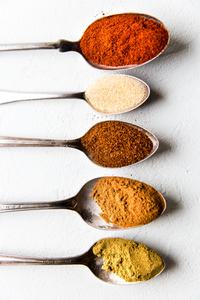
Ground spices are the heart of any vibrant kitchen. They elevate the taste of your dishes, making them unforgettable. Some spices are staples in almost every cuisine. Let’s explore these essential ground spices that you should always have in your kitchen.
Cumin
Cumin has a warm, earthy flavor. It brings depth to curries, stews, and soups. It’s also a key ingredient in many spice blends. Ground cumin is easy to use and versatile. It pairs well with vegetables, meats, and even some desserts.
Paprika
Paprika adds a sweet and smoky flavor to dishes. It’s made from ground red peppers. Use it to enhance the color and taste of your meals. Paprika is perfect for seasoning meats, rice, and sauces. It comes in sweet, smoked, and hot varieties.
Coriander
Coriander has a citrusy and nutty taste. It’s derived from coriander seeds. This spice is often used in curries and roasted dishes. Coriander complements both savory and sweet recipes. It’s a staple in Indian, Middle Eastern, and Latin cuisines.
Turmeric
Turmeric is known for its bright yellow color. It has a mild, slightly bitter taste. This spice is often used in Indian and Middle Eastern cooking. Turmeric is famous for its health benefits. It adds color and flavor to rice, soups, and stews.
Savory Blends
Savory blends bring rich flavors to everyday meals. These mixes combine herbs and spices that create depth and warmth. They save time by offering balanced taste in one jar. Perfect for meats, vegetables, and sauces, these blends suit many dishes. Keep a few in your kitchen for easy, tasty cooking.
Italian Seasoning
Italian seasoning blends basil, oregano, rosemary, and thyme. It adds a fresh, herby taste to pasta and pizza. Sprinkle it on grilled chicken or roasted vegetables. This blend works well in tomato sauces and soups. It gives meals a classic Mediterranean flavor quickly.
Curry Powder
Curry powder mixes turmeric, coriander, cumin, and chili powder. It adds warmth and a mild heat to dishes. Use it in rice, stews, and vegetable curries. This blend gives meals a rich, golden color. It’s a simple way to add exotic flavor to everyday food.
Chili Powder
Chili powder combines ground chili peppers with garlic and cumin. It adds smoky heat to chili, tacos, and grilled meats. Use it to spice up soups or roasted potatoes. This blend creates a bold, spicy flavor without too much heat. It’s great for those who like a little kick.
Sweet And Warm Flavors
Sweet and warm flavors bring comfort and depth to many dishes. They evoke feelings of coziness and nostalgia. These seasonings often appear in both sweet and savory recipes. Their rich aromas can transform simple meals into memorable experiences.
Cinnamon
Cinnamon is a classic spice known for its sweet and woody taste. It works well in baked goods, oatmeal, and hot drinks. Sprinkling cinnamon adds warmth and a hint of spice. It also pairs beautifully with fruits like apples and pears.
Nutmeg
Nutmeg offers a slightly sweet and nutty flavor. It enhances creamy sauces, soups, and desserts. Grated fresh nutmeg has a stronger aroma than pre-ground versions. Just a pinch can brighten the taste of many dishes.
Cloves
Cloves have a bold, sweet, and slightly bitter taste. They add depth to spice blends and marinades. Cloves are perfect for slow-cooked meals and baked treats. Use them sparingly to avoid overpowering other flavors.
Zesty Citrus Enhancers
Zesty citrus enhancers brighten dishes with fresh, lively flavors. These seasonings add a punch of tang and aroma. They work well in both sweet and savory recipes. Citrus zest is easy to use and stores well. It lifts the taste without adding extra liquid or calories. Keep lemon and orange zest handy for quick flavor boosts.
Lemon Zest
Lemon zest offers a sharp, tangy flavor that wakes up meals. It pairs perfectly with fish, chicken, and vegetables. Use it to enhance salad dressings, marinades, and baked goods. The oils in lemon zest release a fresh scent and taste. A little zest goes a long way in brightening dishes. Fresh or dried lemon zest both add vibrant citrus notes.
Orange Zest
Orange zest brings a sweeter, softer citrus flavor. It complements desserts, sauces, and roasted meats nicely. This zest adds warmth and a mild tang to recipes. Sprinkle it into muffins, glazes, or spice blends for extra depth. Orange zest works well in both cold and hot dishes. Keep some zest ready to brighten your meals anytime.
Specialty Salts And Peppers
Specialty salts and peppers bring unique flavors and aromas to your dishes. They go beyond the regular salt and pepper. These seasonings can transform simple meals into exciting culinary experiences. Exploring these options adds variety to everyday cooking. They are easy to use and store in your kitchen.
Smoked Salt
Smoked salt adds a deep, smoky flavor without heat. It comes from sea salt or rock salt smoked over wood fires. This salt works well with grilled meats, vegetables, and even desserts. The smoky aroma enhances dishes with a rich, natural taste. It is perfect for adding a BBQ-like flavor indoors.
Sichuan Peppercorns
Sichuan peppercorns have a unique, tingling sensation on the tongue. They are not hot like black pepper but create a numbing effect. These peppercorns add a citrusy and floral aroma to dishes. Common in Chinese cooking, they pair well with stir-fries and spicy sauces. Using Sichuan peppercorns can bring a new dimension to your recipes.
Tips For Storing Seasonings
Store seasonings in a cool, dry place away from sunlight to keep their flavor fresh. Use airtight containers to prevent moisture and preserve aroma longer. Regularly check for freshness and replace old spices to maintain the best taste in your kitchen.
Keeping your seasonings fresh and flavorful is just as important as choosing the right ones for your kitchen. Proper storage can make a world of difference in maintaining their potency and ensuring your dishes always taste as intended. Let's dive into some practical tips for storing your must-have seasonings.
Use Airtight Containers
Storing your seasonings in airtight containers is crucial. It prevents moisture from creeping in and keeps flavors locked in. Consider using glass jars or BPA-free plastic containers for a secure seal.
Keep Away From Heat And Light
Heat and light can degrade the quality of your seasonings. Store them in a cool, dark place like a pantry or a cupboard. Avoid keeping them above the stove or near windows.
Label And Date Your Seasonings
Labeling and dating your containers helps you keep track of freshness. This way, you can easily identify what needs to be replaced. Using a simple label maker or a piece of masking tape works wonders.
Maintain Regular Rotation
Regularly rotating your seasonings ensures you use them before they lose their flavor. Place newer purchases behind older ones to use the oldest first. This habit can save you from the disappointment of dull spices.
Avoid Bulk Buying
While buying in bulk might seem cost-effective, it can lead to wastage if not used quickly. Consider purchasing smaller quantities that you can finish in a reasonable time. This ensures your seasonings are always fresh and potent.
Consider A Spice Rack
A spice rack can keep your seasonings organized and easily accessible. It helps you quickly find what you need without rummaging through cabinets. Plus, it adds a touch of order to your kitchen space. How do you store your seasonings, and what tricks have you found effective? Share your thoughts in the comments below and let's keep our kitchens flavorful!
Credit: themodernproper.com
Combining Flavors For Best Results
Combining seasonings effectively can transform your cooking from ordinary to memorable. It’s not just about adding spices but blending them in a way that enhances each flavor. When you understand which seasonings work well together, you create dishes that excite your taste buds every time.
Understanding Basic Flavor Profiles
Each seasoning has a unique flavor profile—some are earthy, others spicy or sweet. Knowing these profiles helps you mix spices without overpowering your dish. For example, pairing warm spices like cinnamon with nutmeg works great for baked goods, while cumin and coriander complement savory dishes beautifully.
Balancing Strong And Mild Seasonings
Strong seasonings like garlic powder or chili flakes can dominate a dish if used too much. It’s important to balance them with milder spices like paprika or oregano. Have you ever added too much chili and found the heat overwhelming? Balancing flavors prevents that and keeps your meal enjoyable.
Creating Your Own Signature Blends
Don’t hesitate to experiment and create your own seasoning blends. Start with a base of salt and pepper, then add herbs and spices you enjoy. For instance, mixing rosemary, thyme, and a pinch of smoked paprika can elevate roasted vegetables. What flavors do you love that could become your kitchen’s signature?
Using Acid And Sweetness To Enhance Seasonings
Acidic ingredients like lemon juice or vinegar can brighten and lift your seasoning blends. Similarly, a little sweetness from honey or brown sugar can soften harsh spices. Try adding a splash of lemon to a herb mix or a touch of sugar to spicy chili seasoning to see how it changes the flavor.
Timing Your Seasonings During Cooking
When you add seasonings affects their impact on flavor. Some spices release their aroma when cooked longer, such as bay leaves or cinnamon sticks. Others, like fresh herbs or delicate spices, should be added near the end to preserve their freshness. How do you currently time your seasonings in your favorite recipes?
Frequently Asked Questions
What Are The Essential Seasonings For Every Kitchen?
Essential seasonings include salt, black pepper, garlic powder, paprika, and dried herbs. These enhance flavor and suit most recipes.
How Do Seasonings Improve Home-cooked Meals?
Seasonings add depth, aroma, and balance to dishes. They elevate simple ingredients and create memorable flavors.
Can I Substitute Fresh Herbs With Dried Seasonings?
Yes, dried herbs are a convenient alternative. Use about one-third the amount of dried herbs compared to fresh.
Which Seasoning Is Best For Versatile Cooking?
Salt and black pepper are the most versatile seasonings. They complement almost all cuisines and cooking styles.
Conclusion
Seasonings bring flavor to every meal you cook. Start with these basics to create tasty dishes. Experiment with different spices to find what you like best. Fresh, simple seasonings can turn plain food into something special. Keep your kitchen stocked, so you always have flavors on hand.
Cooking becomes more fun and enjoyable with the right spices. Try adding a pinch here and there for exciting tastes. Small changes make big differences in your cooking. Enjoy the journey of tasting new flavors every day.