
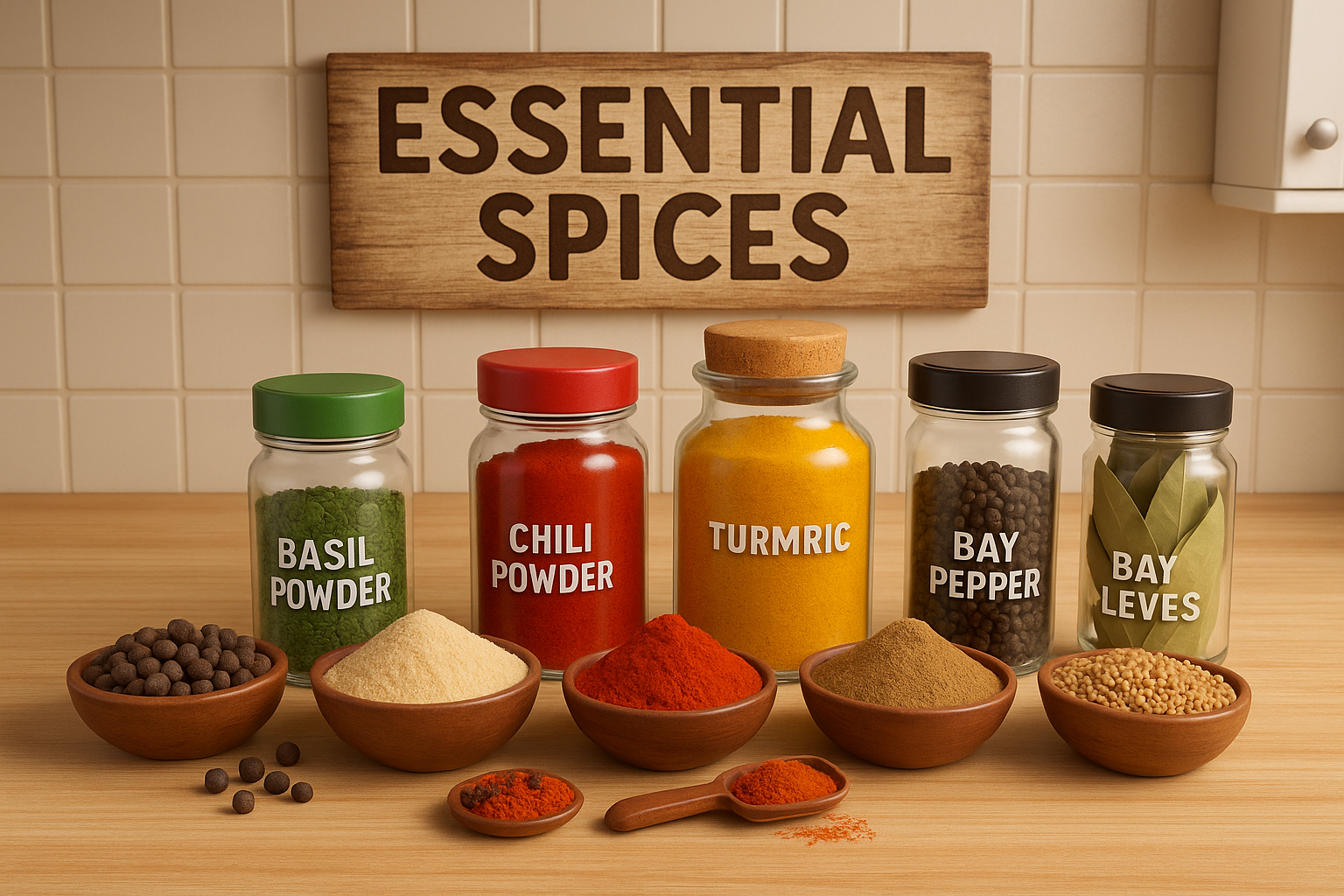
Imagine reaching for the right seasoning and instantly turning a simple meal into something unforgettable. You don’t need a long list of spices to create amazing flavors—just a few key seasonings can make all the difference in your kitchen.
Whether you’re a beginner or love experimenting with recipes, having these must-have seasonings at your fingertips will boost your cooking confidence and delight your taste buds. Ready to discover the essential spices that will transform your dishes every time? Keep reading, and your meals will never be the same.
Basic Salt Varieties
Salt is one of the simplest yet most essential seasonings in your kitchen. Its varieties may seem small, but each type of salt brings something unique to your cooking. Understanding the differences can help you enhance flavors and textures in your dishes.
Table Salt
Table salt is the most common salt you’ll find in kitchens worldwide. It’s finely ground and usually contains added iodine, which supports thyroid health. If you use it in cooking or baking, remember its small grain size means it dissolves quickly and measures precisely.
Have you noticed how table salt can sometimes taste a bit harsh? That’s because it often includes anti-caking agents. While these don’t affect most recipes, you might want to avoid table salt for finishing dishes where a clean, pure flavor is key.
Sea Salt
Sea salt comes from evaporated seawater and often retains trace minerals that give it a more complex flavor. It’s available in fine and coarse grains, making it versatile for both cooking and finishing dishes. Many chefs prefer sea salt for its crunch and subtle taste variations.
I remember using flaky sea salt on roasted vegetables; the texture and slight briny taste elevated the dish instantly. Are you using sea salt only for looks, or have you tried experimenting with different grain sizes in your recipes?
Kosher Salt
Kosher salt is known for its large, flaky crystals that are easy to pinch and sprinkle. It’s favored by many cooks for seasoning meat because it adheres well and dissolves evenly. Kosher salt usually doesn’t contain additives, so it offers a clean salt flavor.
One tip: Because kosher salt crystals are bigger, use less compared to table salt when measuring by volume. Have you ever adjusted your salt quantities based on the type you’re using? It can make a big difference in taste balance.

Credit: makeitdairyfree.com
Popular Pepper Choices
Pepper is a kitchen staple that adds flavor and heat to dishes. It comes in different types, each with a unique taste and use. Knowing popular pepper choices helps you pick the right one for your cooking. Below are some common options found in many kitchens.
Black Pepper
Black pepper is the most common type of pepper used worldwide. It has a strong, spicy flavor and works well in almost any dish. It is made from dried, unripe peppercorns. Grinding black pepper fresh releases its best aroma and taste.
White Pepper
White pepper has a milder taste than black pepper. It is made from ripe peppercorns with the outer shell removed. This pepper is popular in light-colored dishes like soups and sauces. It adds heat without changing the dish’s color.
Pink Peppercorns
Pink peppercorns are not true pepper but come from a different plant. They have a sweet, fruity flavor with a mild peppery kick. These peppercorns add color and a unique taste to salads and seafood dishes. They are great for a subtle pepper flavor.
Herbs For Freshness
Fresh herbs bring an immediate lift to your dishes. They add brightness, aroma, and a garden-fresh taste that dried spices often can’t match. Keeping a few key herbs in your kitchen ensures you can brighten up any meal quickly and easily.
Basil
Basil’s sweet and slightly peppery flavor works wonders in salads, pastas, and sauces. I always keep fresh basil on hand for a quick pesto or to add a pop of color on a Margherita pizza. Have you tried tearing basil leaves by hand instead of chopping? It releases more aroma and keeps the leaves vibrant.
Oregano
Oregano brings a warm, earthy flavor perfect for Mediterranean and Mexican dishes. It’s a staple in my spice rack because just a pinch can transform a simple tomato sauce. Try adding fresh oregano leaves at the end of cooking to preserve their bold taste.
Thyme
Thyme’s subtle lemony notes make it versatile for soups, stews, and roasted veggies. I find that adding fresh thyme sprigs early in cooking builds deep flavor layers. Ever experimented with thyme in a salad dressing? It’s a refreshing twist you might enjoy.
Rosemary
Rosemary’s pine-like aroma pairs beautifully with roasted meats and potatoes. A few sprigs in the oven fill your kitchen with a comforting scent. When you use rosemary, try to bruise the leaves first to unlock their full flavor before adding them to your dish.
Spices For Warmth
Spices for warmth add depth and a cozy touch to your culinary creations, making even the simplest dishes feel like a comforting hug. Imagine the delightful aroma of a warm kitchen on a chilly day, filled with the scents of earthy cumin, sweet cinnamon, smoky paprika, and nutmeg. These spices not only provide warmth but also enhance the flavor profile of your dishes, transforming ordinary meals into extraordinary experiences.
Cumin
Cumin seeds are small but mighty, offering an earthy and warm flavor that can elevate your cooking. Whether you’re whipping up a pot of chili or a bowl of lentil soup, a dash of cumin can make a significant difference. Try dry roasting the seeds before grinding them to release their full aroma and flavor.
Cinnamon
Cinnamon is not just for desserts; it can add a sweet warmth to savory dishes too. Sprinkle it over roasted vegetables or add a stick to your stews for a unique twist. Its comforting aroma is perfect for creating a cozy atmosphere in your kitchen.
Paprika
Paprika is more than just a garnish; it's a spice with depth and warmth. Opt for smoked paprika to introduce a subtle smoky flavor to your dishes. This spice is perfect for rubs, marinades, and even sprinkled over popcorn for a spicy snack.
Nutmeg
Nutmeg offers a sweet and slightly nutty flavor, perfect for adding warmth to both sweet and savory dishes. Grate a bit into your béchamel sauce or over creamy mashed potatoes to enhance their richness. Remember, a little goes a long way with nutmeg, so use it sparingly.
Have you ever experimented with these spices in your kitchen? If not, you might be missing out on the warmth and depth they can bring to your meals. Next time you cook, why not try adding a pinch of one of these spices and see how it transforms your dish?
Chili And Heat
Chili and heat seasonings bring warmth and excitement to meals. They add bold flavors and a spicy kick. These spices can turn simple dishes into tasty delights. They are essential in kitchens that love flavor and zest.
Cayenne Pepper
Cayenne pepper is a bright red powder made from dried chili peppers. It has a strong heat that wakes up the taste buds. Use it in soups, sauces, and meat dishes for a sharp, spicy flavor. A small pinch goes a long way.
Red Pepper Flakes
Red pepper flakes are crushed dried chili peppers. They add a crunchy texture and steady heat to food. Sprinkle them on pizza, pasta, or salads for a spicy touch. They are easy to use and store.
Smoked Paprika
Smoked paprika is made from dried peppers smoked over wood fires. It has a smoky, sweet, and mildly spicy taste. Use it in stews, roasted vegetables, or grilled meats for depth and warmth. It gives dishes a rich, smoky flavor without too much heat.
:max_bytes(150000):strip_icc()/barbecue-dry-rub-group-greg-baker-1-3d4b632ec37b4989b677cefe2c483103.jpg)
Credit: www.foodandwine.com
Savory Blends
Savory blends are essential for adding depth and flavor to everyday dishes. These seasonings enhance taste without overpowering the main ingredients. Keeping a few key blends in your kitchen can make cooking quicker and more enjoyable.
Garlic Powder
Garlic powder provides a mild, roasted garlic flavor. It is perfect for seasoning meat, vegetables, and soups. Unlike fresh garlic, it blends smoothly into sauces and dry rubs. Its long shelf life makes it a convenient pantry staple.
Onion Powder
Onion powder offers a sweet and savory taste without the texture of fresh onions. It works well in marinades, dressings, and stews. This powder adds subtle flavor and helps build layers in a dish. It also dissolves easily in liquids.
Italian Seasoning
Italian seasoning combines herbs like basil, oregano, and thyme. It brings a classic Mediterranean taste to pasta, pizza, and salads. This blend saves time by mixing several spices in one jar. It is perfect for quick seasoning and balanced flavor.
Unique Flavor Boosters
Unique flavor boosters bring depth and character to everyday dishes. They transform simple meals into delightful experiences. These seasonings offer colors, aromas, and tastes that surprise the palate. Using them can expand your cooking horizons. Each one holds a special place in kitchens worldwide.
Turmeric
Turmeric is a bright yellow spice with a warm, earthy taste. It adds a rich color to curries and rice dishes. Known for its health benefits, turmeric also has a slightly bitter flavor. A small pinch can brighten soups, stews, and sauces. It blends well with other spices like cumin and coriander.
Ginger
Ginger has a spicy, zesty kick that livens up many recipes. Fresh or powdered, it adds warmth and a hint of sweetness. It works well in teas, marinades, and baked goods. Ginger helps balance rich or heavy flavors. Its sharpness makes dishes more vibrant and fresh.
Saffron
Saffron is a rare spice known for its delicate aroma and golden hue. It adds a subtle, slightly sweet flavor to dishes. A few threads can enhance rice, soups, and desserts. Saffron’s unique taste makes meals feel special. It pairs beautifully with seafood, poultry, and creamy sauces.
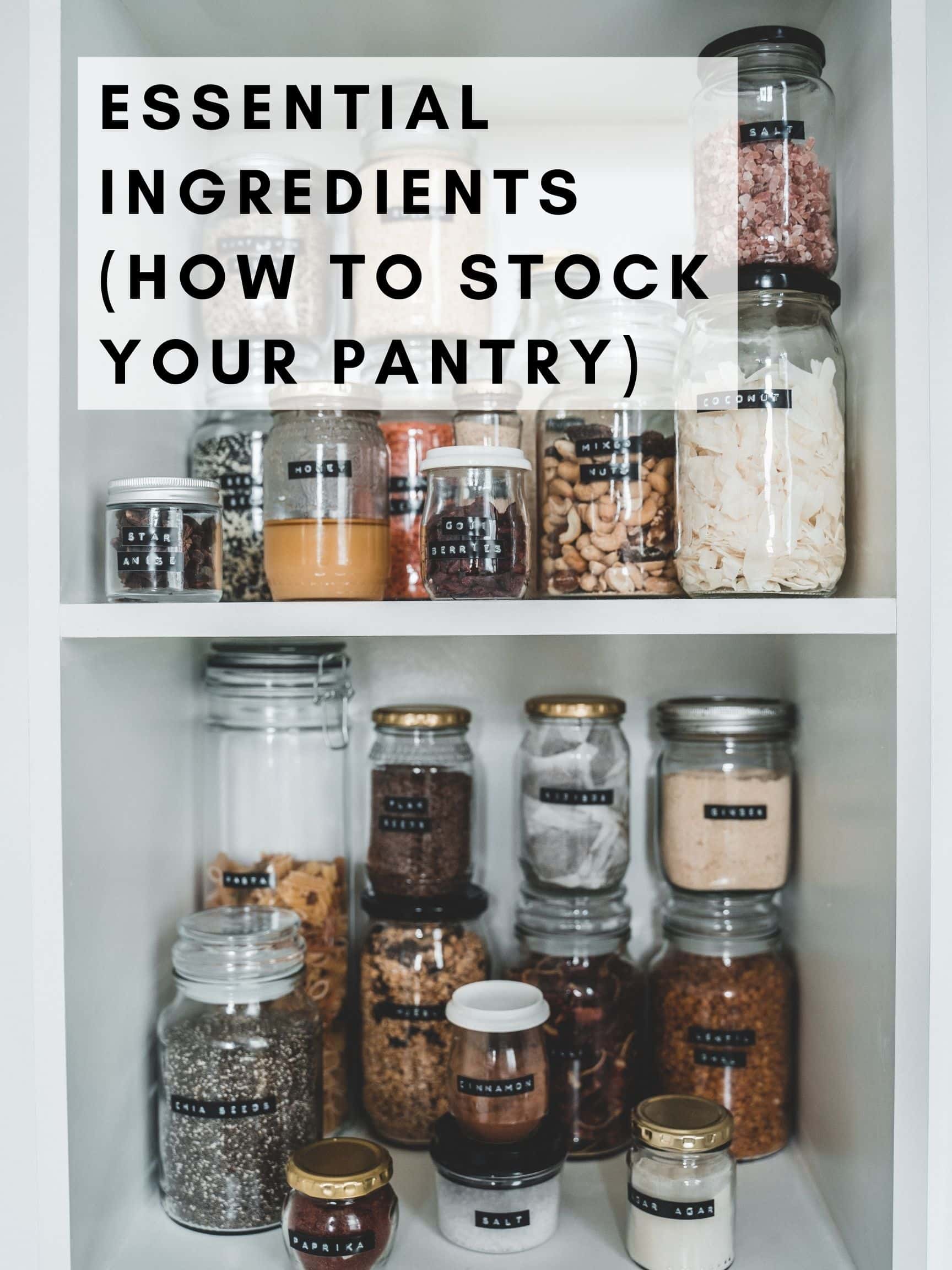
Credit: www.myeclecticbites.com
Storing Seasonings
Storing your seasonings correctly can make a huge difference in how long they stay fresh and flavorful. Many people overlook this, but improper storage can quickly dull the taste and aroma of even the best spices. Have you ever opened a jar of seasoning only to find it lost its punch? Let's fix that by focusing on smart storage habits.
Proper Containers
Choose airtight containers to keep your seasonings fresh. Glass jars with tight-fitting lids work best because they don’t absorb odors or stains.
Opaque containers help protect spices from light, which can break down their flavor over time. If you only have clear jars, store them in a dark cupboard instead.
Plastic containers are fine but watch out for low-quality plastic that might let in air or moisture. A good seal is more important than the material itself.
Avoiding Moisture
Moisture is the enemy of seasonings. It causes clumping and can lead to mold growth, ruining your spices.
Always use a dry spoon when scooping out seasonings. Avoid shaking spice jars directly over steaming pots to prevent condensation from sneaking in.
Consider adding a small food-safe desiccant packet in your larger spice containers to absorb any excess moisture. Have you noticed how some brands include these? It's not just a gimmick.
Shelf Life Tips
Ground spices generally last 2-3 years, while whole spices can last up to 4 years if stored properly. But don’t wait too long before replacing them.
Label your containers with purchase or opening dates. This simple step helps you keep track and avoid using stale spices.
Test your seasonings periodically by crushing a small amount and smelling it. If the aroma is weak or off, it’s time to replace them.
Frequently Asked Questions
What Are The Essential Seasonings Every Kitchen Needs?
Essential seasonings include salt, black pepper, garlic powder, paprika, and dried herbs. These enhance flavor in most dishes. They are versatile and used in various cuisines, making them must-haves for any kitchen.
How Do Seasonings Improve Home-cooked Meals?
Seasonings add depth and complexity to food. They enhance natural flavors and balance taste profiles. Proper use of seasonings transforms simple ingredients into delicious dishes, making meals more enjoyable.
Which Seasoning Pairs Best With Vegetables?
Garlic powder, black pepper, and dried herbs like thyme or oregano pair well. These seasonings enhance the natural sweetness and texture of vegetables. They add aroma and taste without overpowering the dish.
Can Seasonings Reduce The Need For Salt?
Yes, herbs and spices like paprika, cumin, and garlic powder add flavor without extra salt. Using these seasonings can help lower sodium intake while keeping meals tasty and satisfying.
Conclusion
Having the right seasonings makes cooking more enjoyable and tasty. Simple spices bring life to everyday dishes. Keep these must-have seasonings close in your kitchen. They help create flavors that everyone loves. Experiment with them and find your favorite mix.
Spice up meals without much effort or cost. Great food starts with good seasonings. Your cooking will always have a special touch. Try adding these to your recipes today. Small changes can make a big flavor difference.