

Have you ever wondered if your kitchen really needs a smoke detector? You spend a lot of time cooking, and safety should be a top priority.
But adding a smoke detector in the kitchen brings up questions: Will it go off too often from steam or burnt toast? Is it necessary, or just an extra gadget? Understanding the right choice can protect your home and give you peace of mind.
Keep reading to find out why a smoke detector in your kitchen might be one of the smartest decisions you make for your family’s safety.
Importance Of Smoke Detectors In Kitchens
Smoke detectors play a crucial role in kitchen safety. Kitchens are prone to fires due to cooking activities. A smoke detector alerts occupants early, reducing damage and injury risks. Installing one in the kitchen can prevent small fires from becoming disasters. It ensures peace of mind while cooking or away from home.
Common Kitchen Fire Causes
- Unattended cooking, especially frying or grilling
- Grease buildup on stoves and exhaust fans
- Electrical appliance malfunctions
- Overheated cookware or oil
- Flammable items too close to heat sources
How Smoke Detectors Save Lives
Smoke detectors sense smoke early and emit loud alarms. This quick alert gives time to act and escape safely. They reduce the chances of smoke inhalation and burns. Early warnings also help firefighters respond faster. Smoke detectors can save lives and protect property.
Statistics On Kitchen Fires
| Fact | Statistic |
|---|---|
| Percentage of home fires starting in the kitchen | Nearly 50% |
| Leading cause of fire injuries | Cooking-related fires |
| Smoke detector presence reduces death risk by | 50% |
Credit: www.kidde.com
Best Smoke Detector Types For Kitchens
Choosing the right smoke detector for your kitchen is crucial. Kitchens often produce harmless smoke from cooking, which can trigger false alarms. This can make you ignore alerts when there’s a real danger. Knowing which types of detectors work best in kitchens helps you stay safe without constant interruptions.
Ionization Vs. Photoelectric Detectors
Ionization detectors react quickly to fast-flaming fires but are sensitive to small smoke particles like those from cooking. This makes them prone to false alarms in kitchens. Photoelectric detectors, on the other hand, detect slow, smoldering fires better and are less likely to go off during normal cooking.
If you want fewer false alarms, photoelectric detectors are generally the better choice for kitchens. Have you ever had a smoke alarm go off just because you burnt toast? That’s exactly why photoelectric detectors can save your nerves.
Dual-sensor Options
Dual-sensor smoke detectors combine ionization and photoelectric technologies. They offer broader protection by detecting different types of fires. However, they may still cause occasional false alarms in kitchens due to the ionization sensor.
Consider where you place a dual-sensor detector in your kitchen. Positioning it away from the stove can reduce false alerts. Would you prefer one device that covers all bases or separate detectors for different areas?
Smart Smoke Detectors
Smart smoke detectors connect to your phone and can differentiate between harmless smoke and real danger. They often include features like silence buttons, voice alerts, and integration with other smart home devices. This lets you respond quickly without rushing to turn off false alarms.
Smart detectors learn your cooking habits and adjust sensitivity accordingly. Imagine getting an alert on your phone instead of a loud alarm in the middle of breakfast chaos. Isn’t that a smarter way to stay safe?
Optimal Placement Of Kitchen Smoke Detectors
Placing smoke detectors in the kitchen needs careful thought. Incorrect placement causes false alarms or missed warnings. Proper positioning helps detect real fires early. It keeps your kitchen safe without constant beeping. Understanding ideal locations improves your home’s safety system.
Avoiding False Alarms
Smoke detectors near stoves or ovens trigger false alarms often. Steam, smoke from cooking, or burnt food set off alarms unnecessarily. Place detectors where normal cooking won’t cause problems. Avoid areas above frying pans or grills. Keep detectors away from windows where drafts move smoke.
Recommended Distances From Cooking Areas
Keep smoke detectors at least 10 feet (3 meters) from cooking appliances. This distance reduces false alarms while ensuring fire detection. Install detectors on the ceiling or high on walls near the kitchen. Avoid corners and areas with poor airflow. Follow manufacturer guidelines for specific placement advice.
Installation Tips
- Mount detectors on the ceiling, as smoke rises.
- Use multiple detectors if the kitchen is large or open.
- Test alarms regularly to ensure they work well.
- Replace batteries at least once a year.
- Do not paint or cover detectors; keep them clear.
- Consider combination smoke and carbon monoxide alarms.
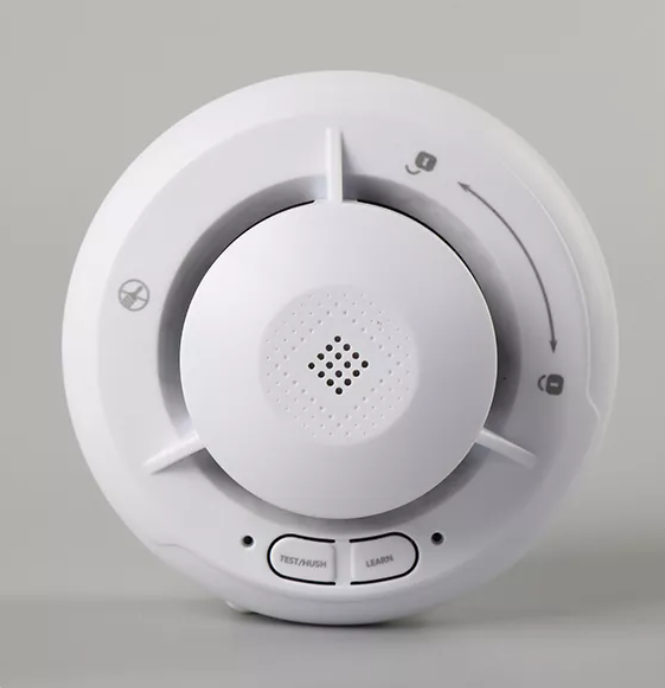
Credit: www.kingdunalarm.com
Maintenance And Testing
Ensuring that your kitchen smoke detector is in top working condition is crucial for the safety of your home. Regular maintenance and testing can mean the difference between a minor inconvenience and a major disaster. Let's delve into the key practices you should adopt to keep your smoke detector functioning optimally.
Regular Cleaning Practices
Dust and debris can easily accumulate in a smoke detector, potentially affecting its performance. To prevent this, gently vacuum around the detector's openings with a soft brush attachment every few months. In my own experience, setting a reminder to clean my detector when I do my bi-monthly deep cleaning has kept it dust-free and reliable.
Battery Replacement Schedule
Smoke detectors typically emit a chirping sound when the battery is low. However, waiting for this alert can be risky. Instead, schedule a battery replacement every six months. Consider aligning this task with daylight saving time changes to make it easy to remember.
Testing Frequency
Regular testing ensures your smoke detector is functioning correctly. Aim to test your detector once a month by pressing the test button until you hear the alarm sound. Have you ever skipped a test only to find your detector was malfunctioning when you needed it most? Regular checks can prevent such unwanted surprises.
Additional Kitchen Fire Safety Measures
Adding a smoke detector in your kitchen is just one layer of protection. You need to think beyond that to keep your cooking space truly safe. Taking extra fire safety measures helps you act quickly and avoid disasters before they start.
Fire Extinguishers
Having a fire extinguisher within easy reach can save your kitchen from turning into a disaster zone. Not all extinguishers are the same, so choose one labeled for grease and electrical fires (Class K or ABC). Keep it visible and make sure everyone in your home knows how to use it.
Think about the last time you saw a kitchen fire on the news. Often, a fire extinguisher nearby could have stopped it early. Why risk waiting for firefighters when you can act immediately?
Safe Cooking Habits
Simple habits reduce fire risks more than fancy gadgets. Never leave cooking food unattended, especially when using oil or high heat. Keep flammable items like dish towels, paper towels, and curtains away from the stove.
Have you ever walked away from the stove for just a minute and come back to smoke filling the kitchen? That moment is all it takes for a fire to start. Stay attentive and keep a timer handy to remind you if you get distracted.
Emergency Exit Plans
Knowing how to get out quickly is crucial if a fire does start. Plan at least two escape routes from your kitchen and make sure everyone in your household knows them. Practice these exits regularly to avoid panic during a real emergency.
Have you ever thought about what you would do if a fire blocked your main exit? Having a backup plan can save lives. Keep doors and pathways clear to ensure a quick escape.

Credit: www.abus.com
Frequently Asked Questions
Should Kitchens Have Smoke Detectors Installed?
Yes, kitchens should have smoke detectors to alert you early of fire risks. They help prevent fire damage and save lives by providing timely warnings.
Where Is The Best Place To Install Kitchen Smoke Detectors?
Install smoke detectors at least 10 feet from cooking appliances. Avoid placing them too close to reduce false alarms caused by normal cooking smoke.
Can Smoke Detectors Reduce Kitchen Fire Hazards?
Absolutely, smoke detectors significantly reduce fire hazards. They detect smoke early, allowing quick action to prevent fire spread and property damage.
What Type Of Smoke Detector Suits Kitchens Best?
Photoelectric smoke detectors are best for kitchens. They are less sensitive to cooking smoke and reduce false alarms while still detecting real fires quickly.
Conclusion
A kitchen smoke detector helps keep your home safe from fires. It alerts you quickly if smoke appears while cooking. This early warning can save lives and reduce damage. Place detectors away from steam and heat sources to avoid false alarms.
Regularly test and maintain them to ensure they work well. Having a smoke detector in the kitchen is a smart safety step. Safety first, always.