
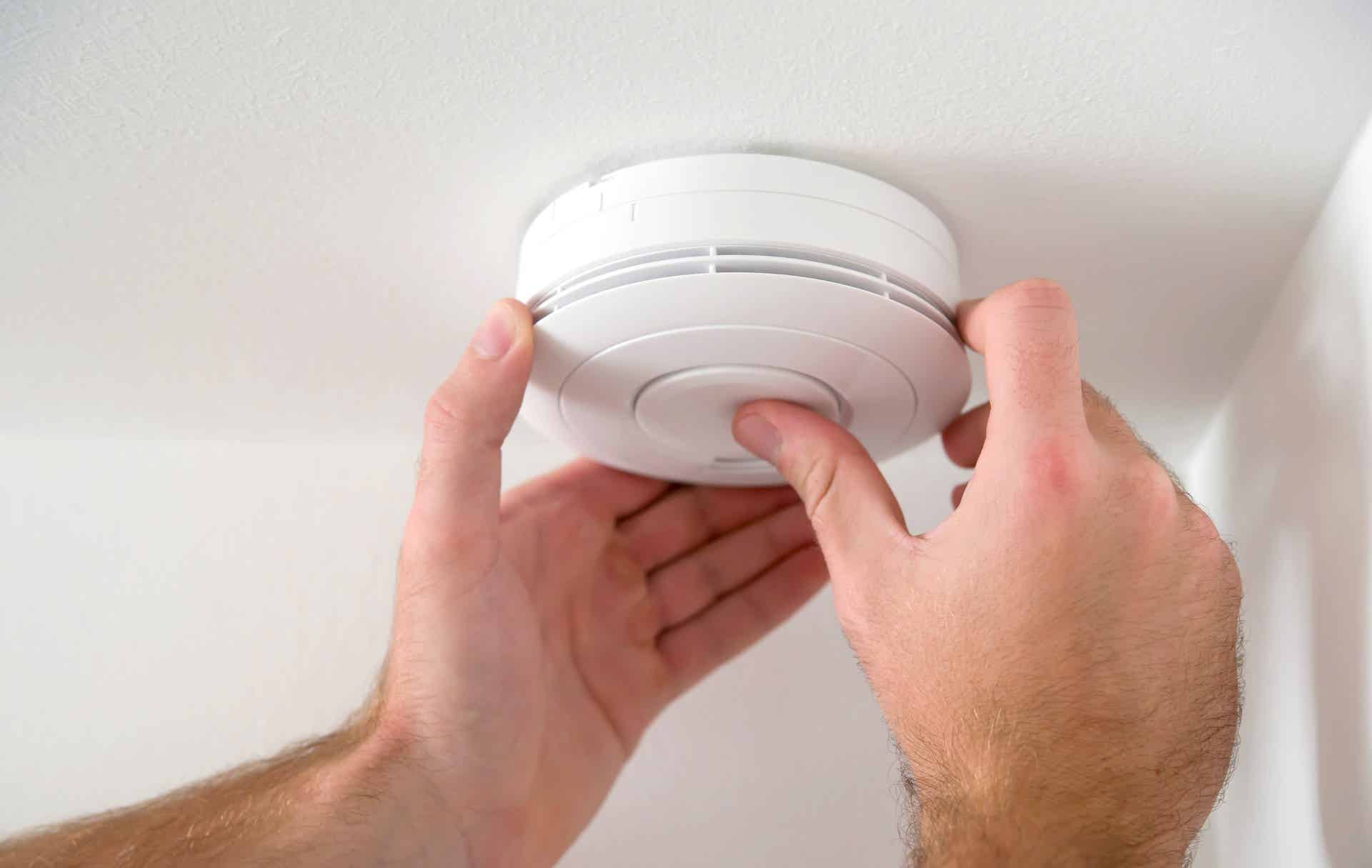
Have you ever wondered if you really need a smoke detector in your kitchen? Your kitchen is one of the busiest places in your home, full of heat, steam, and sometimes unexpected smoke.
But does that mean you should install a smoke detector there, or could it cause more false alarms than real safety? Understanding the right choice could protect your home and your loved ones from fire hazards without driving you crazy with constant beeping.
Keep reading to find out what experts say and how you can make the best decision for your kitchen’s safety.
Smoke Detectors And Kitchen Safety
Smoke detectors play a crucial role in keeping your home safe, but placing one in the kitchen raises some important questions. Kitchens are full of potential fire hazards, yet they also produce smoke and steam during everyday cooking. This can make choosing and positioning a smoke detector in the kitchen a bit tricky.
Not all smoke detectors are created equal, especially when it comes to the kitchen environment. Ionization smoke detectors react quickly to flaming fires but can be triggered by common cooking smoke, causing false alarms. On the other hand, photoelectric smoke detectors are better at detecting smoldering fires and are less sensitive to cooking smoke.
Consider installing a photoelectric smoke detector or a combination model with a hush button to reduce nuisance alarms. This ensures your detector remains reliable without causing unnecessary interruptions.
Placement Tips For Smoke Detectors In The Kitchen
Where you place your smoke detector matters as much as the type you choose. Installing a detector too close to the stove or oven can lead to frequent false alarms from normal cooking activities.
- Position detectors at least 10 feet away from cooking appliances.
- Avoid placing detectors in areas with high humidity or steam, like right above the stove.
- Mount detectors on the ceiling or high on a wall to catch rising smoke efficiently.
These placement tips help balance safety with practicality, so you don’t end up disabling your alarm out of frustration.
Why Kitchen Smoke Detectors Are Still Important
Even with the risk of false alarms, a smoke detector near your kitchen can save lives. Kitchen fires are one of the most common types of house fires, and early detection is key to preventing disaster.
I once had a small grease fire that started while I was distracted. Thanks to the smoke detector placed just outside the kitchen, I was alerted immediately and could act before it spread. This experience taught me that careful detector placement is worth the effort.
Are you confident your kitchen area is protected without sacrificing convenience? Think about how a well-chosen and properly placed smoke detector could enhance your home’s safety.

Credit: www.wconline.com
Risks Of Installing Smoke Detectors In The Kitchen
Installing a smoke detector in the kitchen sounds like a smart safety move, but it comes with unique risks you should consider. The kitchen environment often triggers false alarms and creates challenges in finding the right spot for your detector. Understanding these risks helps you decide if and how to protect your kitchen without constant disruptions.
False Alarms From Cooking
Smoke detectors in kitchens often go off during normal cooking activities. Steam from boiling water, smoke from burnt toast, or even frying oil fumes can trigger alarms. This means you might find yourself disabling or removing the detector just to avoid the constant noise.
Have you ever had your smoke detector blare while making a simple grilled cheese? It’s frustrating and can lead to ignoring real dangers. You need a detector that balances sensitivity without reacting to everyday cooking.
Placement Challenges
Finding the right place for a smoke detector in the kitchen is tricky. Placing it too close to the stove or oven means frequent false alarms. Putting it too far away, though, might delay warning you about actual fires.
Kitchen air is full of steam, heat, and grease particles that can confuse detectors. You need to think about airflow, distance from cooking appliances, and ceiling height before installing. The wrong spot can make your detector ineffective or a constant nuisance.
Best Locations For Kitchen Smoke Detectors
Deciding where to place a smoke detector in your kitchen can be a bit tricky, but it’s a crucial decision for home safety. The kitchen is a hotspot for potential fires, making smoke detectors essential. Choosing the right spot can be the difference between a quick response and a disaster.
Near Cooking Areas
Installing a smoke detector near cooking areas seems logical, but it requires careful placement. You want it close enough to catch smoke early but not so close that it triggers false alarms during regular cooking. A good rule of thumb is to keep it at least 10 feet away from the stove or oven. This distance helps balance sensitivity and practicality.
Outside The Kitchen
Sometimes, placing a smoke detector just outside the kitchen can be effective. This location minimizes false alarms while still providing coverage. Consider mounting it on the ceiling or high on a wall in an adjacent room or hallway. This way, you get alerted without the nuisance of constant beeping during mealtime.
Height And Distance Tips
Height and distance play a key role in smoke detector efficiency. Ceiling-mounted detectors work best, as smoke rises quickly. If you must place it on a wall, ensure it is within 12 inches of the ceiling. Also, avoid corners where smoke might be slower to reach.
Think about your own kitchen layout. Are there areas where smoke tends to linger or escape? Tailoring the placement to your specific setup can maximize safety and peace of mind.
Types Of Smoke Detectors Suitable For Kitchens
Choosing the right smoke detector for your kitchen is important. Kitchens have unique conditions that can cause false alarms. Cooking smoke and steam often trigger standard smoke alarms. Special types of detectors work better in kitchens. These devices reduce false alarms and keep your home safe.
Photoelectric Smoke Alarms
Photoelectric smoke alarms detect smoke using a light sensor. They react slower to small smoke particles. This makes them less sensitive to cooking smoke and steam. These alarms are good for kitchens because they reduce false alarms. They provide early warning of smoldering fires. Photoelectric alarms are reliable and easy to install.
Heat Detectors
Heat detectors sense changes in temperature. They do not react to smoke or steam. This feature stops false alarms from cooking activities. Heat detectors activate only when the temperature rises quickly. They are ideal for kitchens with lots of smoke or steam. These detectors work well near ovens or stoves.
Combination Devices
Combination devices include both smoke and heat sensors. They offer dual protection for kitchens. These alarms detect smoke and rapid temperature changes. Combination devices reduce false alarms while staying sensitive to real fires. They suit busy kitchens with frequent cooking. Installing a combination device gives peace of mind.
Maintenance And Testing Tips
Keeping your smoke detector in top shape is essential for safety. Regular maintenance and testing ensure it works when needed. A well-maintained detector can detect smoke early and alert you promptly.
Regular Cleaning
Dust and grease can block the smoke sensor. Clean the detector every month with a soft brush or vacuum. Avoid using water or cleaners that could damage the unit. A clean detector responds faster to smoke.
Battery Replacement
Smoke detectors need fresh batteries to work properly. Replace batteries at least once a year. Use the right type of battery recommended by the manufacturer. Low battery signals often include a beeping sound.
Routine Testing
Test your smoke detector every month. Press the test button until you hear a loud beep. This check confirms the alarm and battery are working well. Never skip this simple but vital test.
Credit: www.kidde.com
Additional Kitchen Fire Safety Measures
Adding a smoke detector in the kitchen is just one part of keeping your cooking space safe. There are several other important measures you can take to protect your home from fire hazards. These extra steps help you act quickly and prevent small issues from turning into disasters.
Fire Extinguishers
Having a fire extinguisher in your kitchen is crucial. It should be easy to reach and rated for grease and electrical fires, usually labeled as Class K or ABC. Knowing how to use it properly can stop a fire before it spreads.
Think about the last time you saw a kitchen fire on the news. Many times, having a fire extinguisher nearby made all the difference. You don’t want to rely on luck when seconds count.
Safe Cooking Habits
Many kitchen fires start because of distracted cooking. Always stay near the stove when frying or boiling. Avoid wearing loose clothing that could catch fire.
Try simple habits like turning pot handles inward and keeping flammable items away from heat sources. These small changes can reduce your risk significantly. What safety habits do you already practice while cooking?
Emergency Plans
Having a clear emergency plan can save lives. Make sure everyone in your household knows how to exit the kitchen safely and where to meet outside. Practice this plan regularly so it becomes second nature.
Ask yourself: if a fire broke out right now, do you know your quickest escape route? Preparing in advance helps you stay calm and act fast when it matters most.

Credit: www.yourhomewiz.com
Frequently Asked Questions
Should I Install A Smoke Detector In The Kitchen?
Installing a smoke detector in the kitchen is generally not recommended. Cooking fumes often cause false alarms. Instead, use a heat detector designed for kitchens to ensure safety without frequent false alerts.
What Type Of Detector Is Best For Kitchens?
Heat detectors are best for kitchens. They respond to temperature changes, not smoke, reducing false alarms caused by cooking. These detectors provide reliable fire safety in cooking areas.
Can Smoke Detectors Cause False Alarms In Kitchens?
Yes, smoke detectors often cause false alarms due to cooking smoke and steam. This can lead to unnecessary nuisance alerts and may cause people to disable the device, reducing safety.
Where Should I Place A Kitchen Smoke Or Heat Detector?
Place heat detectors on the ceiling, away from cooking appliances and vents. Avoid areas with high humidity or steam to prevent false alarms and ensure accurate fire detection.
Conclusion
Installing a smoke detector in the kitchen can save lives. It alerts you quickly to smoke or fire danger. Place it where smoke can reach but away from steam. Avoid false alarms by choosing the right type, like photoelectric detectors.
Keep your kitchen safe and protect your family. Simple steps make a big difference in fire safety. Don’t wait until it’s too late. Safety starts with smart choices.