
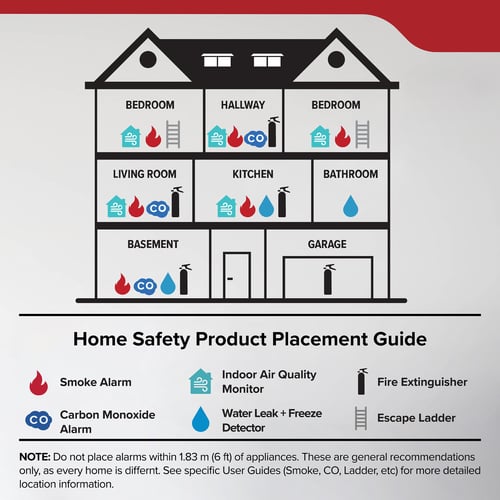
Have you ever wondered if your kitchen really needs a smoke detector? You might think smoke alarms belong only in bedrooms or hallways, but what about the place where most cooking—and sometimes accidents—happen?
Placing a smoke detector in your kitchen could be the difference between a small scare and a major disaster. You'll discover the key reasons why your kitchen should or shouldn’t have a smoke detector, helping you make the safest choice for your home and loved ones.
Keep reading to find out what experts say and how you can protect your kitchen without unnecessary false alarms.
Smoke Detector Placement Basics
Smoke detectors are essential for keeping your home safe, but placing them correctly is just as important as having them. Proper placement ensures they alert you quickly to danger without causing unnecessary alarms. Understanding the basics of where to put smoke detectors can help you protect your family effectively.
Ideal Locations In A Home
Smoke detectors should be installed in areas where fires are most likely to start and where they can catch smoke early. Bedrooms, hallways outside sleeping areas, and living rooms are top spots. Installing one on every level of your home, including the basement, increases your chances of early detection.
Position detectors on the ceiling or high on walls, as smoke rises and collects near the top. Keep them at least 10 feet away from cooking appliances to avoid false alarms. Remember, placing detectors near stairways can help sound alarms throughout multiple floors.
Why Kitchen Placement Is Tricky
The kitchen is a hotspot for fires but also for false alarms. Smoke detectors installed too close to stoves or ovens often go off from regular cooking smoke or steam, which can be frustrating. This can lead to disabling the alarm, defeating its purpose.
Instead of putting a smoke detector right in the kitchen, consider a heat detector or placing the smoke alarm just outside the kitchen area. This balances safety with practicality. Have you ever been startled by a smoke alarm during a minor kitchen flare-up? It’s a common experience that shows why careful placement matters.

Credit: www.sdmmag.com
Risks Of Installing In The Kitchen
Placing a smoke detector in the kitchen carries certain risks that can affect its performance. Kitchens have unique conditions that may cause the alarm to trigger unnecessarily. Understanding these risks helps in choosing the best spot for safety devices.
False Alarms From Cooking
Cooking often produces smoke, steam, and small particles. These can easily set off a smoke detector. Burnt toast or frying oil fumes cause frequent false alarms. False alarms can make people ignore real dangers. Frequent noise can also cause frustration and distrust of the alarm system.
Humidity And Steam Issues
Kitchens generate a lot of steam and humidity during cooking. Smoke detectors are sensitive to moisture in the air. High humidity can cause the alarm to malfunction or fail. Steam can trigger the alarm even without smoke. This reduces the device’s reliability and effectiveness in emergencies.
Alternative Safety Devices For Kitchens
Placing smoke detectors directly in kitchens can cause false alarms due to cooking smoke. Alternative safety devices like heat detectors or combination alarms offer better protection without frequent alerts. These devices help keep kitchens safe while reducing unnecessary disruptions.
If you've ever experienced the blaring noise of a smoke detector while sautéing onions or frying bacon, you're not alone. Kitchens can be bustling with activity and sometimes smoke alarms can be overly sensitive in this environment. So, what are your alternatives? Let's dive into some safety devices designed specifically for kitchens that can provide peace of mind without the unnecessary interruptions.
Heat Detectors
Heat detectors are excellent alternatives for kitchens where smoke and steam are common. Unlike smoke detectors, they respond to an increase in temperature rather than smoke particles. This makes them perfect for kitchen environments where false alarms from cooking are frequent. Consider a heat detector if your kitchen often experiences smoke from cooking activities. It's a smart choice for those who love experimenting with new recipes but want to avoid the constant shrill of a smoke alarm. By focusing on temperature changes, heat detectors offer a reliable solution for fire safety without the fuss.
Combination Smoke And Carbon Monoxide Alarms
These devices offer dual protection by detecting both smoke and carbon monoxide. In a kitchen, where gas appliances are common, this combination can be a lifesaver. Carbon monoxide is odorless and colorless, making it particularly dangerous if undetected. Installing a combination alarm ensures you’re covered on two fronts. It’s especially beneficial if your kitchen is close to sleeping areas, providing safety during the night. Isn't it reassuring to know that a single device can keep you safe from both fire and carbon monoxide? Remember, the goal is to enhance your kitchen's safety without sacrificing your culinary creativity. What safety device suits your kitchen best?

Credit: www.reddit.com
Best Practices For Kitchen Fire Safety
Kitchen fire safety requires careful attention and smart choices. Fires start easily in kitchens due to heat, grease, and open flames. Proper safety steps protect your home and family from danger. Smoke detectors play a key role, but their placement and care matter a lot.
Proper Detector Installation
Install smoke detectors near the kitchen, but not too close. Avoid placing alarms right above stoves or ovens. Cooking smoke and steam can cause false alarms. Position detectors at least 10 feet from cooking appliances.
Use photoelectric smoke detectors in kitchens. They respond well to slow, smoldering fires common in cooking areas. Mount detectors on ceilings or high on walls where smoke rises. Check local codes for exact placement rules.
Maintaining And Testing Alarms
Test smoke detectors monthly to ensure they work. Press the test button until you hear the alarm sound. Replace batteries at least once a year or when low battery chirps start. Clean alarms regularly to remove dust and grease.
Replace smoke detectors every 10 years. Old detectors may not work well and can fail during emergencies. Keep alarms free from paint or decorations. Proper care keeps your kitchen safe and your alarm ready.
Legal And Code Requirements
Understanding the legal and code requirements for placing smoke detectors in kitchens helps ensure safety and compliance. Rules vary by location and type of building. These guidelines protect homes from fire risks while avoiding false alarms.
Local Fire Safety Regulations
Local fire departments often set rules for smoke detector placement. Many areas advise against placing smoke alarms directly in kitchens. Cooking smoke can trigger false alarms, causing frequent disruptions.
Some regions require smoke detectors near kitchens but not inside them. Others may allow special types designed to reduce false alerts. Checking with local fire authorities ensures you follow the right rules.
Building Codes And Standards
Building codes set minimum safety standards for all homes and buildings. These codes usually require smoke detectors in specific locations, including hallways and bedrooms. Kitchens are often excluded to prevent nuisance alarms.
Standards from organizations like the National Fire Protection Association (NFPA) recommend keeping smoke alarms at least 10 feet from cooking appliances. This distance helps balance safety and functionality.
Some codes allow for heat detectors in kitchens instead of smoke alarms. Heat detectors respond to temperature changes, reducing false alarms from normal cooking.

Credit: www.wconline.com
Frequently Asked Questions
Should Smoke Detectors Be Installed Inside The Kitchen?
Installing smoke detectors directly inside the kitchen is not recommended. Cooking fumes often cause false alarms. Instead, place smoke detectors nearby, such as in hallways or ceilings outside the kitchen.
Where Is The Best Place To Install Kitchen Smoke Detectors?
Place smoke detectors at least 10 feet away from cooking appliances. Ideal locations include hallways adjacent to the kitchen or ceilings near kitchen entrances. This reduces false alarms while ensuring safety.
Can Kitchen Smoke Detectors Prevent Fire Hazards Effectively?
Yes, smoke detectors near kitchens can detect smoke early. They provide timely alerts for potential fires. Proper placement ensures they work effectively without frequent false alarms.
What Type Of Smoke Detector Suits Kitchens Best?
Photoelectric smoke detectors are best near kitchens. They detect smoldering fires and are less sensitive to cooking smoke. This reduces false alarms compared to ionization detectors.
Conclusion
Smoke detectors save lives by alerting you to danger early. Kitchens have many sources of smoke and heat. Placing a smoke detector nearby helps catch fires quickly. Yet, too close to cooking areas, false alarms may happen. Find a spot near the kitchen but away from steam and smoke.
Regularly test and maintain your detector for best safety. Protect your home with smart placement and care. Safety starts with small, simple steps.