
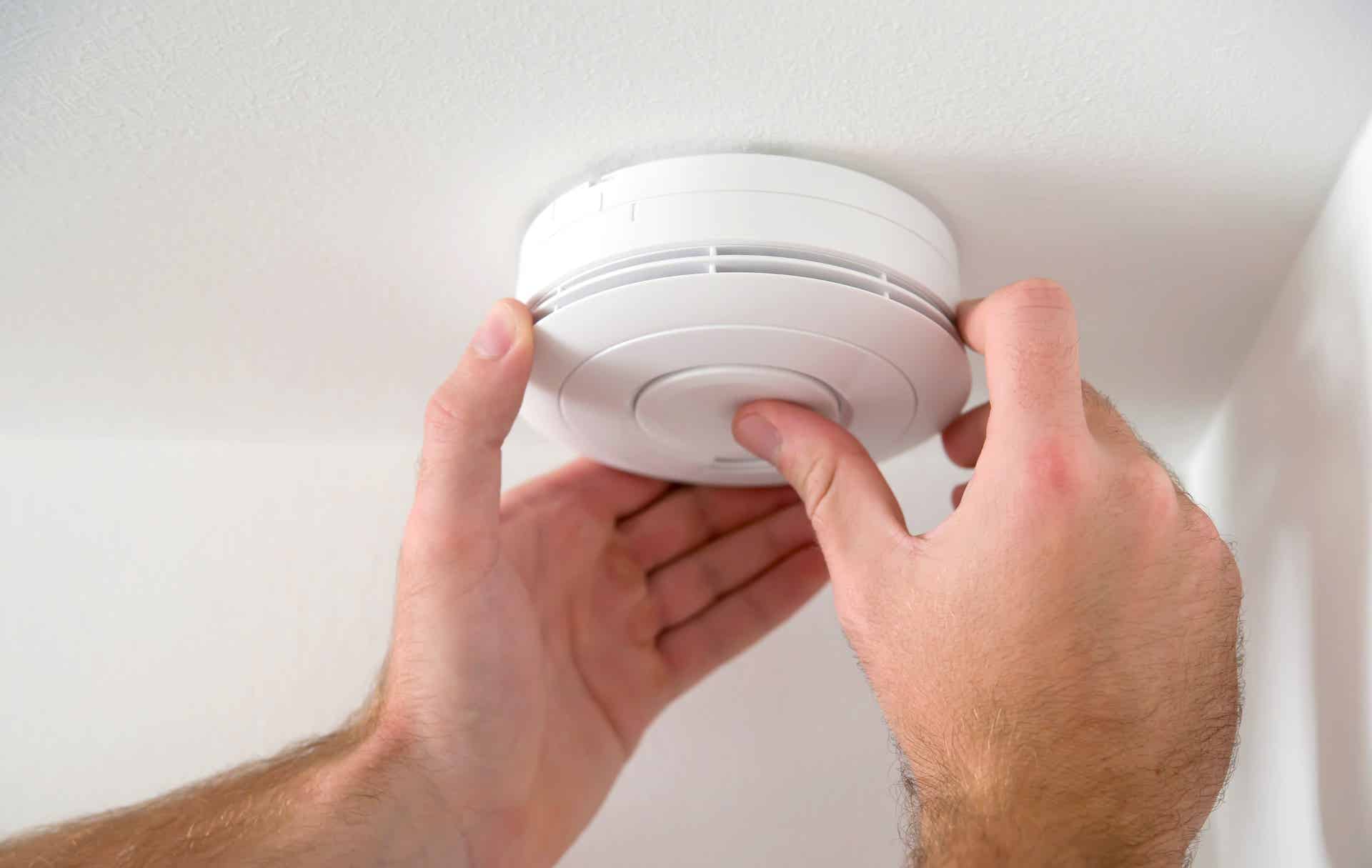
Have you ever wondered if your kitchen really needs a smoke detector? You spend a lot of time cooking, and accidents can happen in a blink.
But is placing a smoke detector in the kitchen a smart move, or could it cause more trouble than it’s worth? This article will help you understand the risks, benefits, and best practices so you can keep your home—and your loved ones—safe without unnecessary alarms.
Keep reading to find out what you should know before making this important decision.

Credit: www.wconline.com
Smoke Detectors And Kitchen Safety
Smoke detectors are crucial for home safety, but their placement in kitchens sparks debate. Kitchens naturally produce smoke and steam during cooking, which can cause false alarms. Balancing effective fire detection with avoiding unnecessary alerts is key to maintaining a safe kitchen environment.
How Smoke Detectors Work In Kitchens
Smoke detectors sense particles in the air, triggering alarms when smoke levels rise. In kitchens, normal cooking activities can release small smoke particles or steam that mimic fire conditions. This often leads to false alarms, which can be frustrating and may cause people to disable the detector.
Your challenge is to find a detector sensitive enough to alert you in case of a real fire, but not so sensitive that it goes off every time you burn toast. Some models use photoelectric sensors, which are better at detecting smoldering fires and less likely to react to cooking smoke.
Placing Smoke Detectors For Maximum Safety
Positioning is everything. Avoid placing smoke detectors directly above or too close to the stove or oven. Instead, install them at least 10 feet away from cooking appliances to reduce false alarms.
Mounting detectors near kitchen entrances or hallways can still provide early warnings without constant interference. Also, consider combining smoke detectors with heat detectors that respond to rapid temperature rises, which are less likely to be triggered by everyday cooking.
Alternatives To Traditional Smoke Detectors In Kitchens
Have you thought about using heat detectors or combination alarms? Heat detectors activate only when temperatures exceed a certain level, cutting down on false alarms from smoke and steam.
Some smart alarms offer features like voice alerts and app notifications, giving you time to check the situation before panicking. These options add layers of safety without the nuisance of frequent false alerts.
Practical Tips To Avoid False Alarms
- Use kitchen exhaust fans or range hoods to reduce smoke and steam buildup.
- Regularly clean cooking surfaces to prevent grease and smoke accumulation.
- Open windows when frying or grilling indoors to improve ventilation.
- Test smoke detectors monthly and replace batteries yearly to ensure they work correctly.
Have you ever ignored a smoke alarm because it went off too often while cooking? That’s a sign your kitchen safety setup might need adjusting. Finding the right balance protects your home without disrupting your cooking routine.
Risks Of Installing Smoke Detectors In Kitchens
Installing smoke detectors in kitchens presents unique challenges. While safety is crucial, the kitchen environment can cause these devices to act unpredictably. Understanding the risks can help you decide where and how to place smoke detectors effectively.
False Alarms From Cooking Smoke
Cooking generates steam, smoke, and even small particles that can easily trigger smoke detectors. This often leads to frequent false alarms, which can be frustrating and cause you to disable the detector. Have you ever rushed to silence an alarm only to realize it was just burnt toast?
False alarms reduce the effectiveness of smoke detectors because they can make you less responsive during real emergencies. You want your detector to alert you only when there is a real fire risk, not every time you fry an egg or boil water.
Impact On Detector Sensitivity
Smoke detectors in kitchens may require adjusted sensitivity settings. A detector set too sensitive will go off too often, while one set too low might miss early signs of fire. It’s a delicate balance that can be hard to maintain without professional guidance.
Some modern detectors come with kitchen-specific modes or photoelectric sensors designed to reduce false alarms. Still, you need to monitor their performance regularly to ensure they react appropriately to genuine threats.
Common Causes Of Kitchen False Alarms
- Burnt food:Smoke from overcooked or burnt dishes is the most frequent cause of false alarms.
- Steam from boiling water:Steam can resemble smoke particles to some detectors, triggering unnecessary alerts.
- Grease particles:Cooking oils and grease can create airborne particles that confuse smoke sensors.
- High humidity:Moisture levels in the kitchen may interfere with detector accuracy.
Knowing these common triggers helps you manage your smoke detectors better. Could relocating the detector slightly away from the stove or using a heat detector instead of a smoke detector offer a safer, less annoying solution?
Types Of Smoke Detectors Suitable For Kitchens
Smoke detectors in kitchens need to handle cooking smoke without false alarms. Photoelectric and heat detectors work well in these spaces. Choosing the right type helps keep kitchens safe and alarms reliable.
When considering a smoke detector for your kitchen, it’s important to choose one that can effectively differentiate between a real fire threat and the everyday smoke or steam from cooking. The right smoke detector can save you from constant false alarms while ensuring safety. Let's dive into the types of detectors that work best in a kitchen setting.
Photoelectric Smoke Detectors
Photoelectric smoke detectors are excellent for kitchens because they are less prone to false alarms from cooking smoke. They detect larger smoke particles that are often present in smoldering fires. If you've ever accidentally burned toast and set off a blaring alarm, this type might be your solution.
Ionization Smoke Detectors
Ionization smoke detectors are more sensitive to smaller particles, typically produced by flaming fires. They might not be the best choice for a kitchen due to their sensitivity to even small amounts of smoke. If you're a fan of frying or high-heat cooking, you might find this type a bit too responsive.
Heat Detectors
Heat detectors are designed to respond to a rapid increase in temperature rather than smoke. This makes them a suitable option for kitchens where smoke is a regular guest. However, they might not provide early warning in smoldering fire situations.
Combination Detectors
Combination detectors offer the best of both worlds by incorporating features of both smoke and heat detectors. These are ideal for those who want comprehensive coverage without the hassle of frequent alarms. They can be a worthy investment for ensuring both safety and peace of mind in your culinary space. Choosing the right smoke detector for your kitchen can significantly enhance safety and reduce unnecessary stress. Have you ever experienced a false alarm while cooking? What type of detector would you trust in your kitchen?
Best Placement For Kitchen Smoke Detectors
Placing a smoke detector in the kitchen needs careful thought. The kitchen has many sources of smoke, steam, and heat. These can cause false alarms or stop the detector from working properly. Choosing the right spot helps the detector catch real fires early. It also prevents unwanted alerts that can annoy or confuse.
Distance From Cooking Appliances
Keep smoke detectors at least 10 feet away from stoves and ovens. Too close, and normal cooking smoke may trigger false alarms. Too far, and the detector may not sense real fires quickly. The right distance balances safety and convenience. Place detectors where smoke can reach, but cooking fumes do not set them off.
Optimal Ceiling Or Wall Mounting
Smoke rises, so install detectors on the ceiling or high on walls. Ceiling placement works best in most kitchens. If mounting on a wall, place the detector 4 to 12 inches below the ceiling. Avoid corners and areas near air vents. Correct mounting ensures early smoke detection and reduces false alerts.
Avoiding Steam And Smoke Interference
Steam from pots and kettles can cause false alarms. Keep detectors away from sinks, dishwashers, and microwave vents. Avoid placing detectors near windows or doors where drafts can blow smoke away. This careful placement helps the detector focus on dangerous smoke, not harmless steam or cooking smells.
Additional Kitchen Fire Safety Tips
Kitchen fires can start quickly and cause serious damage. Smoke detectors alone do not stop fires, but following safety tips helps reduce risks. Simple actions protect your home and family from kitchen fire hazards. These practical steps keep kitchens safer every day.
Regular Maintenance And Testing
Check smoke detectors and kitchen alarms monthly. Replace batteries at least once a year. Clean detectors to remove dust and debris. Test alarms to confirm they work properly. Well-maintained devices alert you quickly to danger.
Installing Fire Extinguishers
Place a fire extinguisher within easy reach in the kitchen. Choose a Class K extinguisher for grease fires. Learn how to use it before emergencies happen. Keep it visible and accessible at all times. Fire extinguishers stop small fires before they grow.
Safe Cooking Practices
- Never leave cooking food unattended.
- Keep flammable items away from the stove.
- Use pot holders and oven mitts to avoid burns.
- Turn pot handles inward to prevent spills.
- Keep a lid nearby to smother small flames.
Using Stove Timers And Alerts
Use timers to remind you when food is cooking. Smart alarms can alert you to overheating. These tools reduce the chance of forgotten pots and pans. Timers help prevent fires caused by unattended cooking.

Credit: www.yourhomewiz.com
Legal Requirements And Recommendations
Understanding the legal requirements and recommendations for smoke detectors in your kitchen is essential for your safety and peace of mind. These rules are designed to reduce fire risks while considering the unique environment of a kitchen, where smoke and steam are common. Knowing what laws and guidelines apply can help you make the best choice for your home.
Building Codes And Regulations
Building codes often specify where smoke detectors must be installed, but kitchens can be tricky. Many codes advise against placing smoke detectors directly inside the kitchen to avoid frequent false alarms caused by cooking. Instead, detectors should be installed nearby, such as just outside the kitchen area.
Your local building authority may have specific rules, so it’s a good idea to check with them before installing. For example, some regions require smoke detectors in every bedroom and common area, but not inside the kitchen itself. Knowing these details can save you from unnecessary replacements or fines.
Guidelines From Fire Safety Authorities
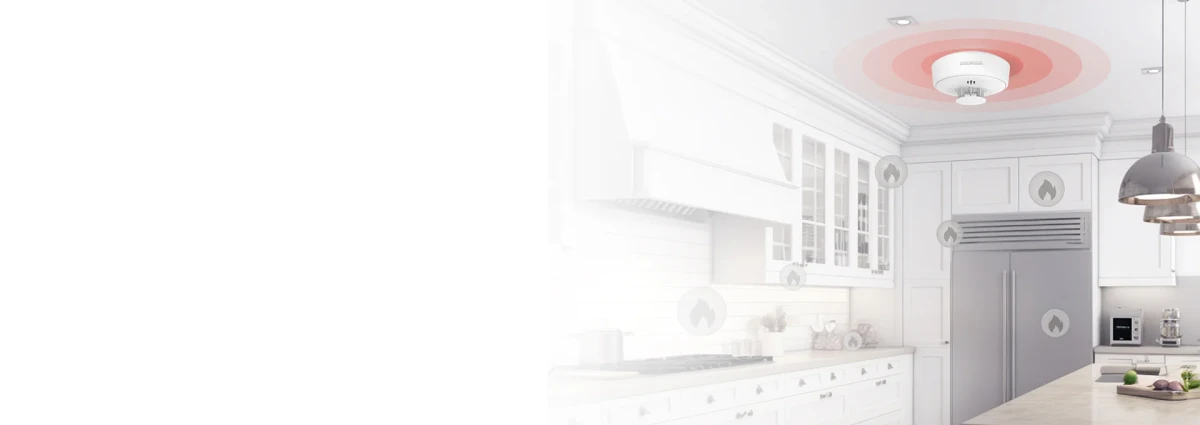
Fire safety organizations often recommend installing heat detectors in the kitchen instead of smoke detectors. Heat detectors respond to rapid temperature increases rather than smoke, which helps prevent false alarms while still alerting you to real danger.
These authorities stress maintaining smoke detectors in adjacent rooms and hallways. This setup ensures you get early warnings without the constant nuisance of alarms triggered by everyday cooking. Have you considered how often your smoke detector goes off while you’re just making toast?
Insurance Considerations
Your home insurance policy might require smoke detectors for coverage, but specifics vary. Some insurers insist on detectors in certain locations, while others provide discounts if you install interconnected alarms throughout your home.
Failing to comply with these requirements could affect your claim if a fire occurs. It’s smart to review your policy or speak with your agent to understand exactly what’s needed. Could your insurance premium be lowered simply by upgrading your smoke detection system?
Credit: www.firedetectionshop.co.uk
Frequently Asked Questions
Should A Smoke Detector Be Installed In The Kitchen?
Yes, a smoke detector should be installed near the kitchen. It helps detect early signs of fire, enhancing safety. However, avoid placing it too close to prevent false alarms from cooking smoke.
What Type Of Smoke Detector Suits Kitchens Best?
Photoelectric smoke detectors are best for kitchens. They detect smoldering fires quickly and reduce false alarms caused by cooking fumes. Combining them with heat detectors improves kitchen safety.
Can Smoke Detectors Cause False Alarms While Cooking?
Yes, smoke detectors often trigger false alarms from cooking smoke or steam. Proper placement away from direct cooking areas and using photoelectric detectors can minimize false alarms.
How Far Should A Smoke Detector Be From The Stove?
Smoke detectors should be at least 10 feet away from the stove. This distance reduces false alarms from normal cooking smoke while still providing effective fire detection.
Conclusion
A smoke detector in the kitchen can save lives. It warns you early about dangerous smoke or fire. Choosing the right type helps avoid false alarms. Regular testing keeps it working well. Safety in the kitchen matters every day. Small steps protect your home and family.
A smoke detector is a simple, smart choice. Stay safe and cook with peace of mind.