
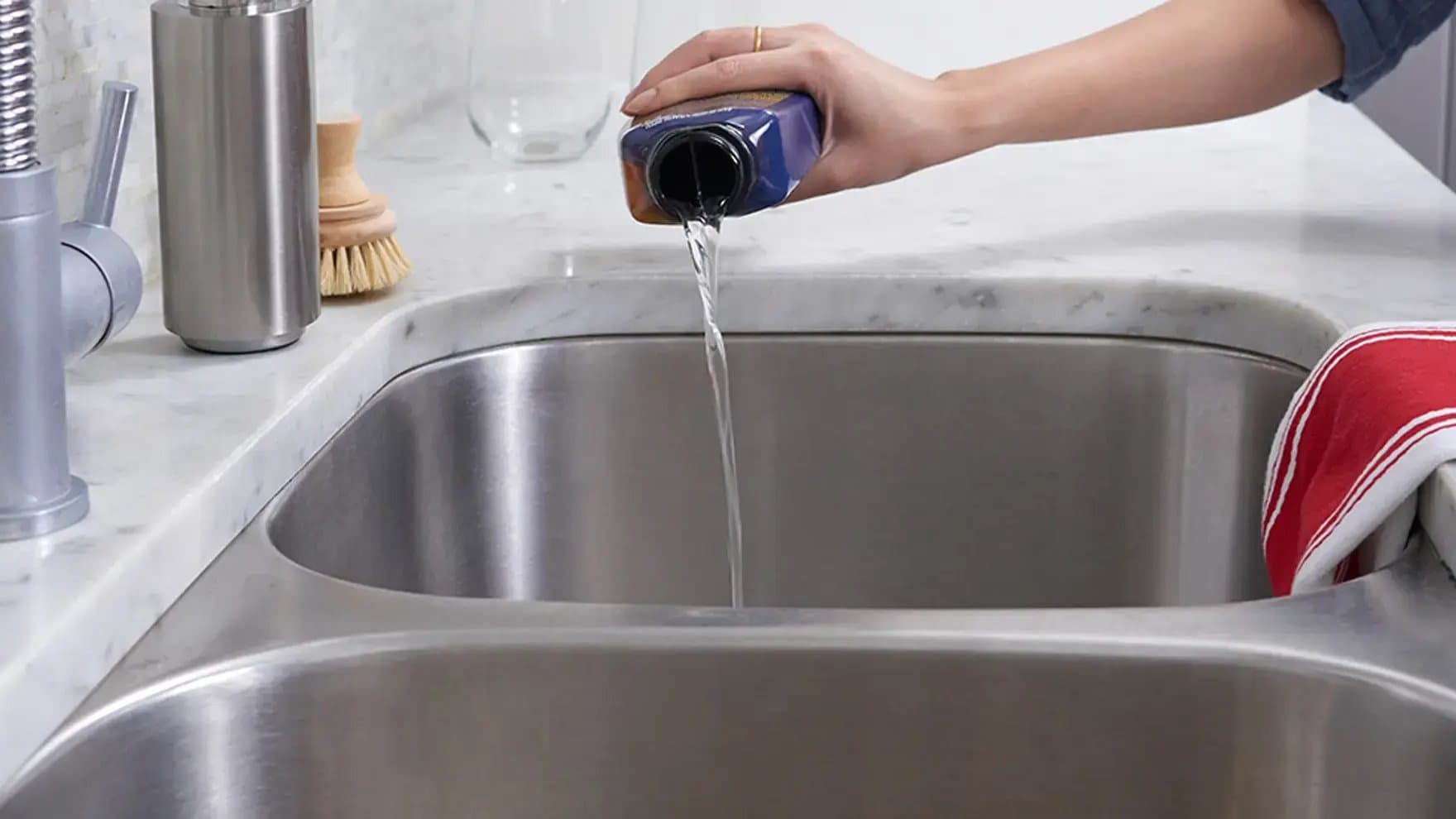
Is your kitchen sink draining slowly or even worse, completely clogged? You might be wondering if you should reach for the plunger next.
Plunging a kitchen sink can be a quick fix, but it’s not always the best choice for every situation. If you’ve ever hesitated, unsure whether plunging will help or make things worse, this article is for you. By the end, you’ll know exactly when and how to plunge your kitchen sink safely—and when to try something else.
Keep reading to save time, avoid damage, and get your sink flowing freely again.

Credit: www.yahoo.com
When To Use A Plunger
Knowing when to use a plunger on your kitchen sink can save you time, money, and stress. Not every clog needs the force of a plunger, but some blockages respond well to this simple tool. Understanding the right signs and types of clogs to target helps you avoid unnecessary damage or ineffective attempts.
Signs Of A Clogged Sink
You might notice water draining slowly or pooling around the sink basin. Strange gurgling sounds coming from the drain are another clear sign. Bad odors rising from your sink can also indicate trapped food or grease causing a blockage.
Have you ever found yourself waiting minutes for the water to disappear? That’s a strong hint your sink needs attention. If water backs up into the sink after running the dishwasher, it’s a red flag for a clog in the drain line.
Types Of Clogs Suitable For Plunging
Plungers work best on clogs caused by soft materials like food scraps, grease buildup, or soap residue. These blockages are usually near the sink drain or in the P-trap under the sink.
However, plungers won’t help with clogs caused by hard objects like utensils or broken glass. Also, if the clog is deep in the main sewer line, a plunger won’t reach it effectively.
- Grease and fat buildup:Soft enough to break up with pressure from a plunger.
- Food particles:Often dislodged by repeated plunging action.
- Soap scum:Can be loosened when water pressure pushes it through.
Have you ever tried plunging only to find water still won’t drain? That’s a sign to consider other tools or professional help. Knowing when to stop is just as important as knowing when to start.

Credit: www.popularmechanics.com
Choosing The Right Plunger
Choosing the right plunger is key to fixing a clogged kitchen sink. Not all plungers work the same. Picking one made for your sink type improves results. Consider the shape, size, and material. These factors affect how well the plunger seals and pushes water through the drain.
Cup Vs. Flange Plungers
Cup plungers have a simple flat cup shape. They work best on flat surfaces like kitchen sinks. The cup creates a tight seal around the drain opening.
Flange plungers have an extra soft rubber flap extending from the cup. This flap fits into toilet drains and uneven openings better. For kitchen sinks, a cup plunger usually works fine. But a flange plunger can help if your sink drain is oddly shaped.
Materials And Sizes
Plungers come in different materials like rubber and plastic. Rubber plungers offer better flexibility and sealing power. They also last longer under pressure.
Sizes range from small to large. A medium-sized plunger fits most kitchen sinks. Too small and it won't cover the drain. Too large and it may be hard to use in tight spaces.
- Choose a plunger with a sturdy wooden or plastic handle.
- Look for a cup diameter that matches your sink drain size.
- Soft rubber cups provide a good seal on metal and porcelain sinks.
Preparing Your Sink For Plunging
Before you start plunging your kitchen sink, getting your sink ready can save you frustration and mess. Proper preparation helps the plunger work more effectively and prevents water from splashing everywhere. Taking a few simple steps before plunging can make a big difference in clearing that clog fast.
Clearing The Area
Make sure the area around your sink is free from dishes, soap bottles, and other items. These can get in the way or accidentally tip over while you’re plunging. Clearing the space gives you enough room to work comfortably and keeps your counters dry.
Also, check under the sink for any leaks or open cabinet doors. You don’t want water dripping onto your kitchen floor while plunging. A clean, dry workspace helps you focus on the task without distractions.
Sealing The Overflow
Many kitchen sinks have an overflow hole near the top. This hole lets water escape to prevent spills, but it can reduce the plunger’s suction power. Cover this hole with a wet cloth or duct tape to create a tight seal before you start plunging.
This small step boosts pressure in the drainpipe, helping the plunger push clogs through more effectively. Have you noticed your plunging efforts sometimes feel weak or ineffective? Sealing the overflow might be the missing piece to get your sink draining smoothly again.
Step-by-step Plunging Technique
If you've ever faced a clogged kitchen sink, you know the frustration that bubbles up with it. A plunger might be your best friend in these moments. Understanding the right plunging technique can make a world of difference in clearing that stubborn blockage. Let’s break it down into simple steps to ensure you’re plunging like a pro.
Proper Plunger Positioning
Start by selecting the right plunger. A cup plunger, the one with a flat rim, works best for kitchen sinks.
Ensure there's enough water in the sink to cover the rubber cup, creating a seal.
Position the plunger directly over the drain, making sure it’s centered and pressed down firmly. This helps build the necessary suction to dislodge the clog.
Effective Pumping Motions
Once positioned, use quick, forceful motions to pump the plunger up and down.
Maintain the seal throughout the process, and don’t be afraid to use some muscle. The goal is to create enough pressure to break through the blockage.
After a few pumps, check to see if the water is draining. You might need to repeat the process a few times for stubborn clogs.
What To Avoid
Avoid using excessive force that can damage the plumbing. It’s about the technique, not brute strength.
Refrain from using chemical drain cleaners before plunging, as they can splash back and cause harm.
Don’t panic if it doesn’t work immediately. Persistence is key, and sometimes a clog needs a bit more coaxing.
Plunging a kitchen sink may seem daunting, but with the right approach, it’s a manageable task. Have you ever tried this method? How did it work out for you?
Alternative Methods For Stubborn Clogs
Stubborn kitchen sink clogs can test your patience and challenge your DIY skills. Before grabbing the plunger, consider a few alternative methods that might save you time and prevent potential damage. These options often require simple household items or basic tools, offering practical ways to tackle blockages without the mess of plunging.
Using Baking Soda And Vinegar
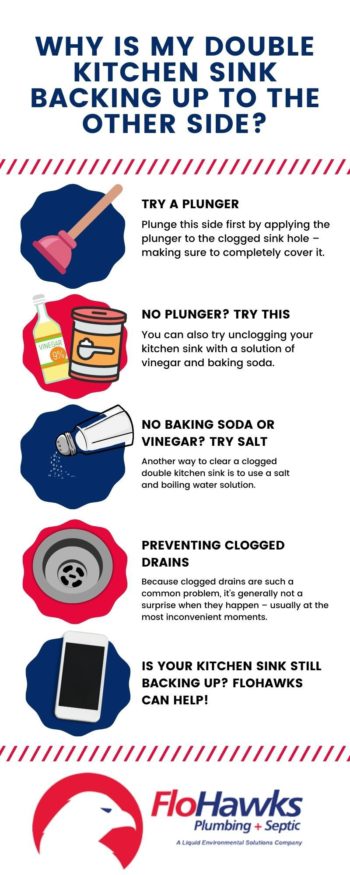
This classic combination creates a natural fizzing action that can break down greasy buildup and minor clogs. Start by pouring about half a cup of baking soda directly into the drain, followed by half a cup of vinegar. Let the mixture sit for 15-20 minutes to work its magic, then flush with hot water.
Many people overlook this method because it seems too simple. Yet, it can be surprisingly effective, especially if you maintain your drains regularly. Have you tried this before, or do you usually reach for chemical cleaners?
Manual Removal Tools
If the clog is visible or close to the surface, manual tools might be your best bet. A drain snake or a simple wire hanger can reach down and pull out hair, food debris, or other blockages. Use slow, steady movements to avoid pushing the clog further down.
Sometimes, removing the sink trap under the basin can give you direct access to trapped debris. Just remember to place a bucket underneath to catch any water. Have you ever found surprising objects stuck down your drain?
When To Call A Professional
If your efforts don’t clear the clog or the problem keeps coming back, it might be time to call a plumber. Persistent blockages can indicate deeper issues like pipe damage or tree root intrusion. Professionals have the right tools and experience to diagnose and fix these problems safely.
Don’t ignore warning signs such as foul odors, slow drainage in multiple fixtures, or water backing up. Could waiting longer actually make the problem worse and more expensive to fix?
Preventing Future Clogs
Preventing future clogs in your kitchen sink saves time and stress. Small habits and regular upkeep keep drains flowing smoothly. Avoiding blockages helps maintain your plumbing’s health and reduces costly repairs.
Proper Sink Use Habits
- Do not pour grease or oil down the drain. They harden and block pipes.
- Avoid putting large food scraps in the sink. Use a trash bin instead.
- Use a sink strainer to catch debris like hair and food particles.
- Run hot water after each use to flush away soap and residue.
- Do not flush coffee grounds or eggshells; they can clog the drain.
Regular Maintenance Tips
- Clean the sink strainer weekly to prevent buildup.
- Pour a mixture of baking soda and vinegar down the drain monthly to clear minor blockages.
- Flush the drain with boiling water once a week to dissolve grease.
- Check under the sink for leaks or signs of slow drainage often.
- Call a plumber promptly if the drain starts to slow or smell bad.
Credit: flohawks.com
Frequently Asked Questions
What Does It Mean To Plunge A Kitchen Sink?
Plunging a kitchen sink means using a plunger to clear clogs. It creates suction to dislodge blockages in the drain pipe. This method is effective for minor clogs caused by food, grease, or debris buildup. It’s a simple, quick DIY solution.
When Should You Plunge A Kitchen Sink?
You should plunge a kitchen sink when water drains slowly or not at all. Avoid plunging if there is a garbage disposal jam or standing water overflow. It works best for partial clogs in the drain, not for deep pipe issues.
How Do You Properly Plunge A Kitchen Sink?
To plunge a kitchen sink, fill it with enough water to cover the plunger cup. Place the plunger over the drain and push down firmly, then pull up quickly. Repeat several times until the clog clears. Use steady, controlled motions for best results.
Can Plunging Damage My Kitchen Sink Or Pipes?
Proper plunging won’t damage your sink or pipes if done gently. Excessive force or using the wrong plunger type may cause leaks or cracks. Always use a sink plunger, not a toilet plunger. Stop if you hear unusual noises or feel resistance.
Conclusion
Plunging a kitchen sink can solve many common clogs fast. It works best on simple blockages near the drain. Avoid forcing the plunger too hard to prevent damage. Sometimes, stubborn clogs need extra tools or help from a professional. Regular sink care can reduce the chance of future clogs.
Knowing when and how to plunge saves time and stress. Try a plunger first before calling a plumber. A little effort often clears the problem quickly.