
Have you ever wondered if your kitchen really needs a smoke detector? You spend a lot of time cooking, and with all the heat and steam, it’s easy to worry about safety.
But placing a smoke detector in the kitchen isn’t as simple as it sounds. Should you put one there, or will it just cause annoying false alarms? You’ll discover the facts that can help you protect your home without the hassle.
Keep reading to find out what experts say about kitchen smoke detectors—and how you can make the best choice for your safety and peace of mind.

Credit: www.reddit.com
Risks Of Kitchen Fires
The kitchen is often called the heart of the home, but it’s also one of the most common places for fires to start. The risks of kitchen fires are real and can escalate quickly without proper precautions. Understanding these risks helps you decide if a smoke detector is a must-have in your kitchen.
Common Causes Of Kitchen Fires
Many kitchen fires begin with simple mistakes or accidents. Some of the most frequent causes include:
- Unattended cooking:Leaving food on the stove or in the oven without watching can lead to overheating or burning.
- Grease buildup:Grease can ignite if it gets too hot, spreading fire rapidly.
- Faulty appliances:Old or damaged kitchen gadgets may malfunction and spark a fire.
- Flammable items near heat sources:Towels, paper, or curtains close to the stove can catch fire easily.
Have you ever left the kitchen for just a minute and felt that sudden worry about what might happen? That split second can make all the difference.
Impact Of Delayed Fire Detection
A delay in detecting a kitchen fire can cause severe damage and risk to everyone in your home. Fires can double in size every 30 seconds, turning a small flame into a dangerous blaze quickly.
Without early warning, smoke and toxic gases fill your home, making escape difficult and increasing health risks. Installing a smoke detector in or near the kitchen can alert you immediately, giving you precious time to act.
Ask yourself: Would you want to rely on your sense of smell alone to detect smoke? Smoke detectors catch what you can’t see or smell early, protecting your family and property.
Smoke Detectors: Types And Functions
Smoke detectors play a crucial role in home safety. Understanding their types and how they work helps in choosing the right one for your kitchen. Smoke detectors detect different kinds of fires and alert you early.
Ionization Vs Photoelectric Sensors
Ionization sensors detect fast, flaming fires. They use a small amount of radioactive material to sense smoke particles. These detectors respond quickly to flames but may give false alarms from cooking smoke.
Photoelectric sensors detect slow, smoldering fires. They use a light beam to spot smoke. These detectors react well to smoke from burnt food and are less likely to cause false alarms in kitchens.
Combination Detectors
Combination detectors include both ionization and photoelectric sensors. They offer broader protection against different fire types. These detectors reduce false alarms and provide faster warnings. Many homes use combination detectors for better safety.
Challenges Of Installing Smoke Detectors In Kitchens
Installing smoke detectors in kitchens presents unique challenges. Kitchens are busy areas with frequent cooking activities. This can trigger false alarms and other issues. Understanding these challenges helps in making informed decisions. Let's explore the common challenges faced.
False Alarms From Cooking Smoke
Cooking smoke can easily trigger false alarms in smoke detectors. Frying, grilling, and baking often produce smoke. This smoke can set off alarms repeatedly. This becomes frustrating and inconvenient for homeowners. Sensitive detectors may sound even with minimal smoke. Choosing the right type of detector is crucial. Consider models designed to reduce false alarms.
Humidity And Heat Effects
Kitchens often experience high humidity levels. Boiling water and steam from cooking contribute to this. High humidity can affect the sensor's performance. Heat from ovens and stoves adds to the challenge. Excessive heat can also cause detectors to malfunction. Select detectors that can withstand kitchen conditions. Proper placement away from direct heat sources is essential. This ensures reliable operation and fewer nuisance alarms.

Credit: www.firedetectionshop.co.uk
Best Practices For Kitchen Smoke Detector Placement
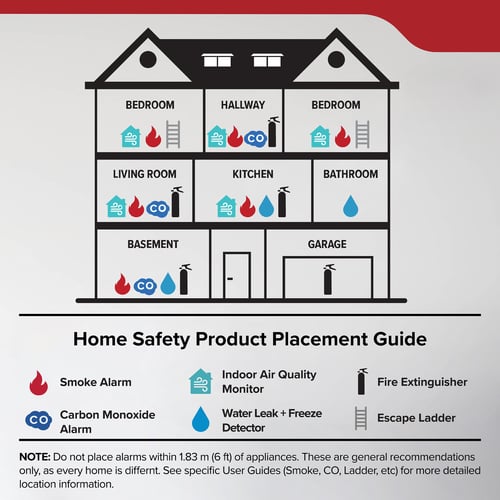
Placing a smoke detector in or near the kitchen requires careful thought. Kitchens naturally produce a lot of smoke and steam, which can cause false alarms. Knowing the best spots to install your detector can help you avoid these nuisances while keeping your home safe.
Ideal Locations Near The Kitchen
Positioning a smoke detector too close to the stove or oven often leads to frequent false alarms. Instead, install it at least 10 feet away from cooking appliances to reduce this risk.
Mount smoke detectors on the ceiling or high on a wall, since smoke rises. Avoid placing them near windows, doors, or vents where drafts can interfere with their function.
Think about areas like the hallway just outside the kitchen or near dining areas. These spots detect smoke early without being triggered by everyday cooking activities.
Using Heat Detectors As Alternatives
If smoke detectors cause too many false alerts in your kitchen, consider heat detectors. These devices respond to rapid temperature increases rather than smoke particles.
Heat detectors work well in kitchens because they don’t react to regular cooking smoke or steam. They activate only when the temperature rises quickly, indicating a potential fire.
Keep in mind that heat detectors don’t replace smoke detectors in other parts of your home. Use them specifically in kitchens and areas prone to false alarms for the best balance between safety and convenience.
Additional Safety Measures For Kitchen Fire Prevention
Keeping your kitchen safe goes beyond just installing a smoke detector. There are several additional safety measures you can take to prevent fires and protect your home. These steps can make a real difference in how quickly you respond to potential hazards and minimize damage.
Fire Extinguishers And Blankets
Having a fire extinguisher in your kitchen is crucial. Choose one that’s rated for grease and electrical fires, typically labeled as Class K or ABC extinguishers. Place it within easy reach but away from heat sources to ensure quick access during an emergency.
A fire blanket is another handy tool. It can smother small fires or wrap around a person if their clothes catch fire. These are simple to use and don’t require any special training, making them perfect for every kitchen.
Regular Maintenance And Checks
Smoke detectors and fire safety equipment need regular checks to work properly. Test your smoke detector monthly and replace the batteries at least once a year. Dust or grease buildup can cause false alarms or failure, so keep the device clean.
Check your fire extinguisher’s pressure gauge regularly to ensure it’s still charged. Inspect fire blankets for any tears or damage that might reduce their effectiveness. Staying on top of these small tasks means you won’t be caught off guard if a fire breaks out.

Credit: www.yourhomewiz.com
Smart Smoke Detectors And Modern Solutions
Smart smoke detectors bring a new level of convenience and reliability to home safety, especially in tricky areas like the kitchen. Traditional alarms often go off from harmless smoke while cooking, causing frustration and sometimes leading people to disable them. Modern solutions tackle these problems with advanced technology designed to keep you safe without unnecessary interruptions.
Features To Reduce False Alarms
One major headache with kitchen smoke detectors is false alarms. Smart detectors use features like:
- Multi-sensor technology:They combine smoke, heat, and carbon monoxide detection to better distinguish real threats from burnt toast.
- Adaptive algorithms:These learn your cooking habits and adjust sensitivity, reducing nuisance alerts during regular meal prep.
- Silence buttons and alerts:You can temporarily silence alarms from your phone, avoiding the rush to find a ladder or a broom.
Have you ever had to stop cooking because the smoke alarm went off? Smart detectors can make that a rare occurrence, letting you focus on your recipe instead of the noise.
Integration With Home Safety Systems
Smart smoke detectors don’t work in isolation. They can connect with other devices in your home, forming a comprehensive safety network.
- Smart home hubs:Sync alarms with lighting and security systems to automatically turn on lights or unlock doors during emergencies.
- Mobile notifications:Receive instant alerts on your phone if smoke or fire is detected, even when you’re away from home.
- Voice assistant compatibility:Link with Alexa, Google Assistant, or Siri to get status updates or control alarms using voice commands.
This kind of integration means you’re not just reacting to alarms—you’re proactively managing safety. How much peace of mind would it give you to know your kitchen is protected, even when you’re not there?
Frequently Asked Questions
Should You Install A Smoke Detector Inside The Kitchen?
Installing a smoke detector directly in the kitchen is not recommended. It can cause false alarms from cooking smoke and steam. Instead, place it nearby, like in an adjacent hallway, to ensure safety without frequent nuisance alerts.
What Type Of Smoke Detector Suits Kitchens Best?
Photoelectric smoke detectors are best for areas near kitchens. They detect smoldering fires quickly and reduce false alarms from cooking smoke. Avoid ionization detectors in kitchens as they are more sensitive to small particles from cooking.
How Far Should A Smoke Detector Be From The Stove?
Smoke detectors should be at least 10 feet away from the stove. This distance reduces false alarms caused by normal cooking smoke and steam. Proper placement ensures reliable fire detection without unnecessary interruptions.
Can A Smoke Detector In The Kitchen Prevent Fire Accidents?
A smoke detector near the kitchen helps detect fires early. It alerts occupants before flames spread, allowing quick action. Properly placed detectors improve home safety and reduce fire damage risks.
Conclusion
A smoke detector in the kitchen can save lives. It alerts you quickly to smoke or fire. But false alarms happen from cooking steam or burnt food. Place it carefully, away from the stove or toaster. Regularly test and clean the detector to keep it working well.
Safety matters most in the kitchen. A well-placed smoke detector adds peace of mind. Small steps can prevent big dangers. Think about your home’s needs and act to protect your family.