
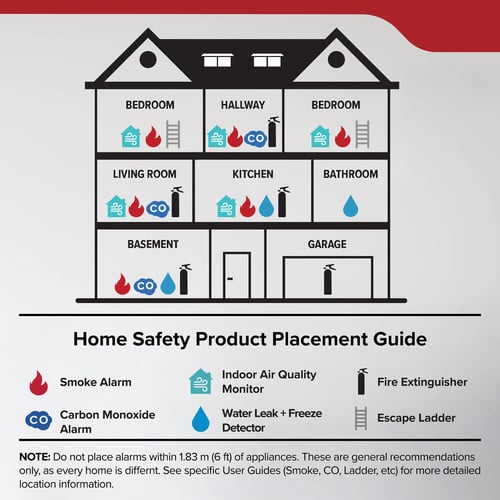
Have you ever wondered if your kitchen is truly safe from hidden dangers? One silent threat you might not think about is carbon monoxide.
This invisible gas can build up quietly, putting you and your loved ones at risk without any warning signs. So, should you put a carbon monoxide detector in your kitchen? Keep reading to discover why this simple step could protect your home and give you peace of mind.
Your safety might depend on it.
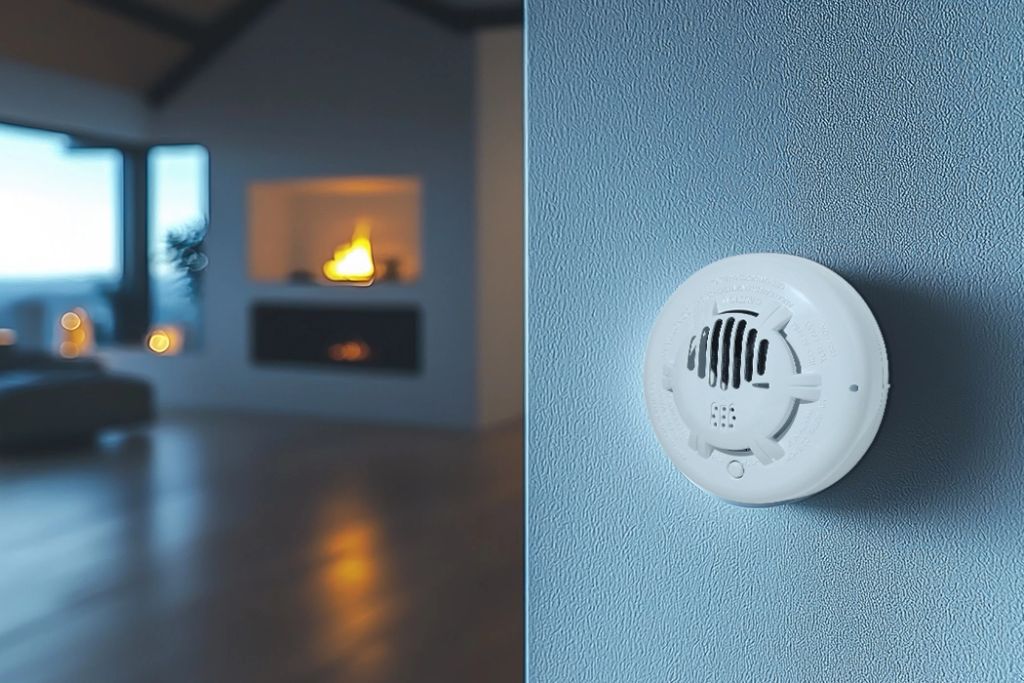
Credit: brinkshome.com
Why Carbon Monoxide Matters
Carbon monoxide (CO) is a silent threat inside many homes. It is a colorless, odorless gas that can cause serious harm without warning. Understanding why carbon monoxide matters helps protect your family’s health and safety. This gas can build up from everyday household activities, making detection crucial.
Sources Of Carbon Monoxide In Homes
- Gas stoves and ovens
- Fireplaces and wood stoves
- Furnaces and water heaters
- Clothes dryers that use gas
- Cars running in attached garages
- Portable generators used indoors
Many sources produce carbon monoxide during incomplete fuel burning. Kitchens often have gas appliances that emit CO if not properly ventilated.
Health Risks Of Exposure
Breathing carbon monoxide can cause headaches, dizziness, and nausea. High levels lead to confusion, loss of consciousness, and even death. Children, elderly, and pets are more vulnerable to CO effects.
Detecting carbon monoxide early can prevent serious health problems. Installing detectors near potential sources like kitchens helps save lives.
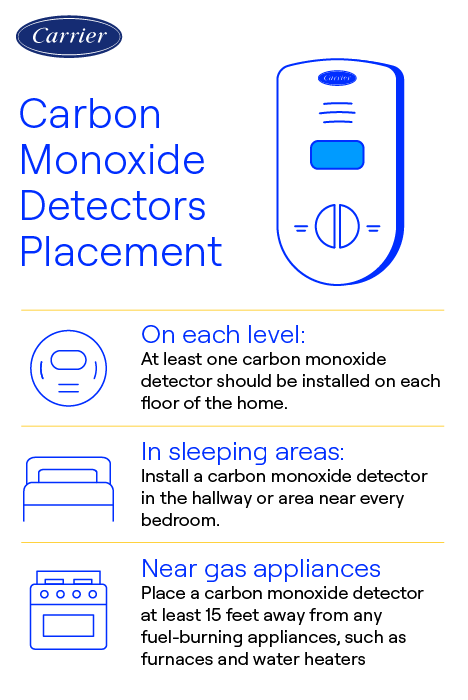
Credit: www.carrier.com
Risks Of Installing Detectors In Kitchen
Installing a carbon monoxide detector in your kitchen might seem like a smart safety move. However, the kitchen environment presents unique challenges that could affect the detector’s performance. Understanding these risks helps you decide the best place for your carbon monoxide detector to keep your home safe and avoid unnecessary frustrations.
False Alarms From Cooking Fumes
Cooking often releases steam, smoke, and small amounts of gases that can confuse carbon monoxide detectors. These fumes can trigger false alarms, especially if the detector is placed too close to the stove or oven. Imagine preparing a simple meal and suddenly your alarm goes off—this can cause panic and lead to ignoring real alarms in the future.
Have you ever experienced an alarm going off while just boiling water or frying food? That’s because many detectors are sensitive to the byproducts of cooking, not just carbon monoxide. This can make the kitchen a tricky spot for reliable detection.
Detector Sensitivity Issues
Carbon monoxide detectors are designed to respond to specific gas levels, but the kitchen environment can interfere with their accuracy. Heat, steam, and fluctuating airflow can affect sensor sensitivity, causing the detector to either overreact or fail to detect dangerous carbon monoxide levels promptly.
Think about the times you left the kitchen door open while cooking. The airflow change might dilute carbon monoxide or cooking fumes differently, impacting how the detector senses gases. This inconsistency could reduce your safety rather than improve it.
To avoid these issues, consider placing your detector in adjacent areas like hallways or living rooms where air is cleaner and the risk of false alarms is lower. Do you want your safety device to give accurate warnings or frequent false alerts?
Best Locations For Carbon Monoxide Detectors
Choosing the best locations for carbon monoxide detectors is crucial. Proper placement ensures your safety and peace of mind. This guide will help you understand where to position these life-saving devices.
Ideal Rooms And Placement Tips
Install detectors near sleeping areas. This ensures you hear alarms during sleep. Place them on each floor of your home, including the basement. In multi-level homes, detectors on every level are essential.
Mount detectors on walls or ceilings. Position them at least five feet above the floor. This is because carbon monoxide mixes with air. Avoid corners where airflow might be restricted.
Avoiding Problematic Areas
Do not place detectors in kitchens or bathrooms. High humidity and steam can cause false alarms. Avoid areas with direct sunlight or near vents. These can affect the sensor's performance.
Keep them away from fuel-burning appliances. This includes stoves and fireplaces. Proximity might lead to frequent alarms. Ensure detectors are in open, unobstructed spaces. This allows them to detect carbon monoxide effectively.
Choosing The Right Detector
Choosing the right carbon monoxide detector for your kitchen is crucial for your family’s safety. Not all detectors are created equal, and picking one that suits your kitchen’s environment can make a big difference. Let’s look at what options are available and what features truly matter when making your choice.
Types Of Carbon Monoxide Detectors
There are several types of carbon monoxide detectors, each with its own strengths. The most common types include:
- Electrochemical Sensors:These are highly accurate and respond quickly to carbon monoxide levels. They are often recommended for home use due to their reliability.
- Metal Oxide Semiconductor Sensors:These tend to be less expensive but may have slower response times and can be less accurate in humid kitchen environments.
- Biomimetic Sensors:These use a gel that changes color in the presence of carbon monoxide. They are less common but can be useful in certain settings.
In the kitchen, where humidity and cooking fumes are present, electrochemical sensors usually perform best. Have you noticed how some cheaper detectors give false alarms when you’re just boiling water? That’s something to consider when choosing your device.
Features To Look For
Not all carbon monoxide detectors offer the same features. Some extras can enhance safety and convenience in your kitchen.
- Digital Display:Shows the current CO level, allowing you to monitor air quality actively instead of waiting for an alarm.
- Battery Backup:Ensures the detector works during power outages, which is when you might need it most.
- Smart Connectivity:Allows alerts to be sent to your phone, so you’re informed even if you’re not at home.
- Test and Silence Buttons:Make maintenance easy and help reduce nuisance alarms.
- Certification:Look for UL or equivalent safety certifications to ensure the detector meets strict standards.
Think about your lifestyle: Do you cook often? Do you want alerts on your phone? These answers will guide which features are necessary for your kitchen detector. What features would make you feel safer and more in control?
Maintenance And Testing
Keeping your carbon monoxide detector in top shape is crucial for your safety, especially in high-risk areas like the kitchen. Maintenance and testing ensure the device works when you need it most. Neglecting these simple tasks can leave you vulnerable to undetected carbon monoxide leaks.
Regular Checks And Battery Replacement
Test your detector once a month by pressing the test button. This quick check confirms the alarm and sensors are working properly. Don’t skip this step even if the device seems fine.
Batteries are the lifeline of your carbon monoxide detector. Replace them at least twice a year or as soon as you hear the low battery beep. It’s easy to forget, but a fresh battery can be the difference between safety and danger.
Some detectors use sealed lithium batteries that last up to 10 years. If you have one, note the installation date and plan accordingly. Check your device manual to know what type you have.
When To Replace Detectors
Carbon monoxide detectors don’t last forever. Most have a lifespan between 5 and 7 years. After that, their sensors become less reliable.
Look for a manufacture date on the back of your detector. If yours is nearing or past this age, it’s time to replace it. Don’t wait for the alarm to fail before acting.
Also, replace your detector if it malfunctions or if it has been exposed to conditions outside its recommended environment, like excessive humidity or heat from the kitchen. A faulty detector can give you a false sense of security.
Have you checked your carbon monoxide detector lately? Taking a few minutes now can protect you and your loved ones from a silent threat.
Additional Safety Measures
Adding a carbon monoxide detector in your kitchen is a smart move, but it’s not the only safety step you should take. There are other important measures to keep your home safe from this invisible threat. Let’s look at how you can improve safety through simple actions you might not have considered.
Ventilation Improvements
Good ventilation is key to preventing carbon monoxide buildup in your kitchen. Cooking appliances release gases that can become dangerous if trapped in a closed space.
Make sure your kitchen has a working exhaust fan or range hood that vents outside. Opening windows while cooking can also help circulate fresh air and reduce gas concentration.
Have you checked if your current ventilation system is effective enough? Sometimes, small upgrades like adding a vent or improving airflow can make a big difference in air quality.
Regular Appliance Inspections
Your kitchen appliances, especially gas stoves and ovens, can be sources of carbon monoxide if they are not working properly.
Schedule routine checks by a qualified technician to spot leaks or malfunctions early. This prevents dangerous situations before they start.
Don’t wait for signs like strange odors or headaches to act. Regular maintenance ensures your appliances run safely and efficiently, keeping your kitchen—and your family—protected.

Credit: www.amazon.ca
Frequently Asked Questions
Should Carbon Monoxide Detectors Be Installed In Kitchens?
Yes, installing carbon monoxide detectors in kitchens is recommended. Kitchens often house gas appliances that may emit CO, posing health risks if undetected. A detector ensures early warning, preventing poisoning and enhancing home safety.
Can Kitchen Gas Appliances Cause Carbon Monoxide Leaks?
Gas appliances in kitchens can emit carbon monoxide if not properly maintained. Faulty burners or poor ventilation increase CO risk. Regular inspections and detectors help detect leaks early, ensuring safe indoor air quality.
Where Is The Best Place To Install A Carbon Monoxide Detector?
Place carbon monoxide detectors near sleeping areas and kitchens. Installing one in or near the kitchen helps detect CO from cooking appliances quickly. Avoid placing detectors too close to stoves to prevent false alarms.
How Often Should Carbon Monoxide Detectors Be Tested?
Test carbon monoxide detectors monthly to ensure they work properly. Replace batteries yearly and change the entire unit every 5-7 years for optimal safety and reliable performance.
Conclusion
Carbon monoxide in the kitchen is a serious risk. A detector can warn you early. It helps keep your family safe every day. Installing one is simple and wise. Don’t wait for danger to show itself. Protect your home with a carbon monoxide detector.
Safety always comes first. Small steps make a big difference. Take action now to avoid harm. Peace of mind is worth it.