
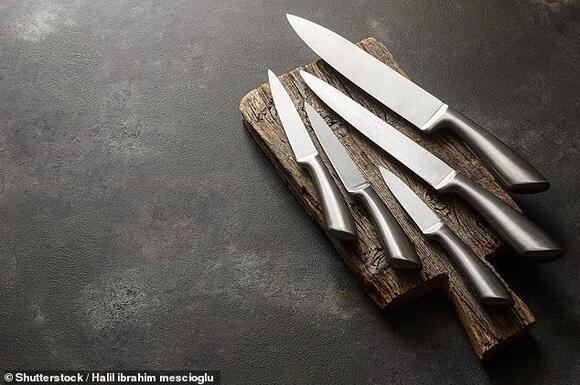
Are you wondering if tossing your kitchen knives into the dishwasher is a good idea? You might think it saves time and effort, but what if it’s actually harming your knives?
Your kitchen knives are one of your most important tools, and how you clean them can make a big difference in how long they stay sharp and safe to use. Keep reading to find out the surprising truth about dishwasher cleaning and learn the best way to care for your knives every time.

Credit: www.coolinastore.com
Risks Of Dishwasher For Knives
Putting kitchen knives in the dishwasher can cause several problems. The high heat, strong detergents, and water pressure may harm the knives. Understanding these risks helps protect your knives and keep them sharp and safe.
Blade Damage And Dulling
The dishwasher’s harsh environment can dull knife blades quickly. Knives often bump into other utensils, causing chips and nicks. The strong water jets can wear down the edge, reducing sharpness. Over time, this damage makes cutting less efficient.
Handle Wear And Tear
Knife handles can weaken or crack in the dishwasher. Hot water and detergents break down some handle materials. Wooden handles are especially vulnerable to warping or splitting. Plastic handles may fade or become brittle after many washes.
Corrosion And Rust Issues
Dishwashers can cause rust spots on knife blades. Water and detergent residues may speed up corrosion. Stainless steel knives are not immune to rust in harsh dishwasher conditions. Rust weakens knives and harms their appearance.

Credit: www.insight-kitchenknife.com
Benefits Of Hand Washing
Hand washing kitchen knives offers several important benefits that can extend the life of your blades and keep them performing at their best. It may seem like an extra chore, but the effort pays off in how your knives look and work over time. Let’s dive into why washing your knives by hand is worth it.
Preserving Sharpness
Dishwashers can dull knife edges quickly because the high heat and strong water jets cause tiny chips and nicks. Washing knives gently by hand helps keep their sharpness intact for longer periods.
Have you noticed how your knives need sharpening less often when you avoid the dishwasher? That’s because hand washing avoids the harsh conditions that wear down the blade’s edge.
Maintaining Handle Integrity
Many knife handles are made from wood or composite materials that can crack, warp, or loosen in a dishwasher. Hand washing protects these handles by avoiding extreme heat and water pressure.
Think about the last time you saw a knife handle split or discolor—was it after a cycle in the dishwasher? Keeping the handles dry and washing them carefully by hand preserves their strength and appearance.
Preventing Rust Formation
Dishwashers trap moisture inside, creating an environment where rust can develop on your knives’ blades and rivets. Drying knives immediately after hand washing stops rust before it can start.
You might have experienced small rust spots appearing after dishwasher use. Hand washing allows you to inspect and dry each knife thoroughly, preventing corrosion and keeping your tools reliable.
When Dishwasher Use Is Safe
Knowing when it’s safe to put your kitchen knives in the dishwasher can save you time and keep your blades sharp. Not all knives should go in, but certain types and conditions make dishwasher use less risky. Let’s look at the specifics so you can decide confidently.
Stainless Steel Knives
Stainless steel knives are generally more dishwasher-friendly than carbon steel ones. Their resistance to rust and corrosion means they can often handle the heat and detergent without damage.
However, frequent dishwasher cycles can still dull their edges over time. If you choose to use the dishwasher, consider how often you’re washing them this way and inspect the blade regularly for any signs of wear.
Dishwasher-safe Labels
Always check if your knives come with a dishwasher-safe label or manufacturer’s instructions. Some brands specifically design knives to withstand dishwasher conditions.
This label is your best guide. If it’s missing or unclear, it's safer to hand wash to avoid costly mistakes.
Proper Loading Techniques
How you load knives in the dishwasher matters a lot. Avoid tossing them loosely into the utensil basket where blades can knock against other items.
- Place knives with blades down to protect the edge and your hands.
- Separate knives from other utensils to prevent scratches.
- Use a dedicated knife rack or holder if your dishwasher has one.
Have you noticed your knives losing sharpness after a few dishwasher cycles? Adjusting the loading method might be the fix you need.
Expert Knife Care Tips
Putting kitchen knives in the dishwasher can dull blades and damage handles. Hand washing helps keep knives sharp and safe longer. Avoid harsh detergents and dry knives immediately to prevent rust.
Taking care of your kitchen knives is crucial for maintaining their performance and extending their lifespan. While it might seem convenient to toss them in the dishwasher, experts advise against it. Instead, adopting expert knife care tips can ensure your knives remain sharp, safe, and ready for any culinary task.
Correct Drying Methods
After handwashing your knives, ensure they are thoroughly dried. Leaving them wet can lead to rust and corrosion. Use a soft towel to pat them dry immediately after washing. Avoid air drying, as moisture can settle in the crevices of the blade and handle. Remember, moisture is the enemy of a sharp blade.
Using Knife Guards
Knife guards are an excellent way to protect your blades from damage. They prevent the blades from knocking against other utensils, which can dull them. Investing in a good set of knife guards can also protect your fingers when reaching into a drawer. Consider them a small investment for your knives' longevity and your safety.
Regular Sharpening Practices
Maintaining a sharp blade is essential for both performance and safety. A dull knife requires more force and can easily slip, leading to accidents. Make it a habit to sharpen your knives regularly, either with a whetstone or a honing rod. Alternatively, consider taking them to a professional sharpener for optimal results. How often do you sharpen your knives, and could it be the key to improving your cooking experience?
Alternative Cleaning Methods
Cleaning your kitchen knives properly can extend their life and maintain their sharpness. If you’re hesitant about using a dishwasher, there are effective alternative cleaning methods that protect your knives while keeping them hygienic. These techniques are simple, safe, and require only basic tools and supplies you likely have at home.
Soaking And Gentle Scrubbing
Start by soaking your knives in warm, soapy water for a few minutes to loosen any food particles. Avoid leaving them submerged too long, as this can cause rust on some blades. After soaking, use a soft sponge or cloth to gently scrub the blade and handle, focusing on spots where grime builds up.
Have you ever noticed how stubborn bits hide near the handle? A gentle approach works better than scrubbing hard, which can dull your knife. This method keeps your blades clean without causing damage.
Using Mild Detergents
Choose a mild dish detergent that’s free from strong chemicals and abrasives. Harsh soaps can strip away protective coatings or contribute to corrosion, especially on high-quality steel knives. Mild detergents clean effectively without risking damage to the metal or handle material.
If you have sensitive skin, mild detergents are also safer for you during cleaning. Test a small amount to ensure it’s gentle enough but still powerful at cutting grease and food residue.
Avoiding Harsh Chemicals
Steer clear of bleach, ammonia, or other strong cleaning agents on your knives. These chemicals can erode the blade’s edge, discolor the metal, and harm wooden handles. Instead, stick to natural or gentle products designed for kitchen use.
Think about how many times you’ve seen knives lose their shine after using strong cleaners. Protect your investment by using safer alternatives that clean without compromising your knives’ integrity.
Credit: www.victorinox.com
Frequently Asked Questions
Is It Safe To Wash Kitchen Knives In The Dishwasher?
No, washing kitchen knives in the dishwasher can damage the blades and handles. The heat and harsh detergents dull sharp edges and cause corrosion. Hand washing with mild soap and drying immediately is safer and extends knife lifespan.
How Does A Dishwasher Affect Knife Sharpness?
Dishwashers expose knives to high heat and strong detergents that dull blades quickly. The tumbling action can also cause knives to bump against other utensils, resulting in nicks and chips. Hand washing preserves sharpness longer.
Can Dishwasher Detergents Damage Knife Handles?
Yes, dishwasher detergents can erode wooden, plastic, or composite knife handles. Prolonged exposure to water and chemicals may cause cracking, warping, or discoloration. Hand washing knives helps maintain handle integrity and appearance.
What Is The Best Way To Clean Kitchen Knives?
The best way is to hand wash knives immediately after use with warm water and mild soap. Dry them thoroughly with a soft cloth to prevent rust or damage. Avoid soaking knives or using abrasive scrubbers.
Conclusion
Dishwashers may seem easy for cleaning knives, but they can cause damage. High heat and strong detergents dull blades and loosen handles. Hand washing keeps knives sharp and safe longer. Use warm water, mild soap, and a soft cloth. Dry knives right after washing to prevent rust.
Taking care of your knives helps them last and work well. Simple habits protect your tools and save money. Choose hand washing to keep your kitchen knives in great shape.