

Are you looking to give your kitchen a fresh, polished look without a full renovation? Cover panels for kitchen cabinets might be the simple solution you need.
These panels can transform the appearance of your cabinets, hide imperfections, and create a seamless, stylish finish. But what exactly are cover panels, and how can they benefit your kitchen space? Keep reading to discover how this easy upgrade can make a big difference in your home.
Cover Panels Basics
Cover panels are essential components for kitchen cabinets. They hide exposed sides and create a polished look. These panels protect cabinet edges and improve durability. Choosing the right cover panels enhances kitchen style and functionality.
Material Options
Cover panels come in various materials. Common choices include:
- Wood veneer – natural and warm appearance
- MDF (Medium-Density Fiberboard) – smooth and affordable
- Laminate – easy to clean and moisture-resistant
- Thermofoil – durable and available in many colors
- Solid wood – strong and classic, but costly
Select material based on style, budget, and kitchen environment.
Common Sizes
Cover panels come in standard sizes to fit most cabinets. Typical thickness ranges from 1/4 inch to 3/4 inch. Height and width vary depending on cabinet dimensions. Panels usually match cabinet height or door size for seamless look.
Custom sizes are available for unique cabinet designs. Proper measurement ensures perfect fit and easy installation.
Installation Methods
Installing cover panels is straightforward but requires care. Common methods include:
- Using adhesive for a clean, fast attachment
- Applying screws or nails for strong hold
- Using brackets or clips for removable panels
Choose installation method based on panel material and cabinet type. Proper installation keeps panels secure and looking great.
Design Styles
Cover panels for kitchen cabinets come in various design styles. These styles help match the panels with your kitchen’s overall look. Choosing the right style makes your kitchen feel complete and polished. Below are some popular design styles for cover panels.
Modern Looks
Modern cover panels have clean lines and smooth surfaces. They often use materials like glass, metal, or high-gloss finishes. Colors tend to be neutral or bold, with minimal decoration. This style fits well in kitchens with a sleek and simple design.
Traditional Touches
Traditional cover panels feature classic details like raised panels and molding. Wood is the most common material, often stained in warm tones. These panels add elegance and charm. They suit kitchens that aim for a timeless and cozy atmosphere.
Rustic Finishes
Rustic cover panels highlight natural textures and imperfections. Wood grains, knots, and distressed effects are common. This style creates a warm and inviting space. It works great in country or farmhouse-style kitchens.
Functional Benefits
Cover panels for kitchen cabinets offer more than visual appeal. They provide significant functional benefits that enhance your kitchen’s longevity and performance. These panels serve important roles in protecting, concealing, and extending the life of your cabinets.
Protecting Cabinet Ends
Cover panels protect cabinet ends from daily wear. This includes scratches, dents, and moisture damage. They act as a shield, extending the cabinet's life. Their protective layer ensures your kitchen remains pristine.
Hiding Gaps
Gaps between cabinets can disrupt your kitchen's sleek look. Cover panels hide these unsightly gaps. This creates a seamless appearance. The kitchen feels more unified and organized.
Enhancing Durability
Cover panels strengthen cabinet structure. They provide additional support, preventing warping or bending. This reinforcement helps cabinets withstand heavy use. It ensures your kitchen remains functional for years.
Color And Finish Choices
Choosing the right color and finish for your kitchen cabinet cover panels can transform your entire space. It’s not just about protecting the cabinet edges; it’s about making a style statement that fits your personality and kitchen vibe. Have you ever noticed how a small change in color or finish can make your kitchen feel completely new?
Matching Cabinetry
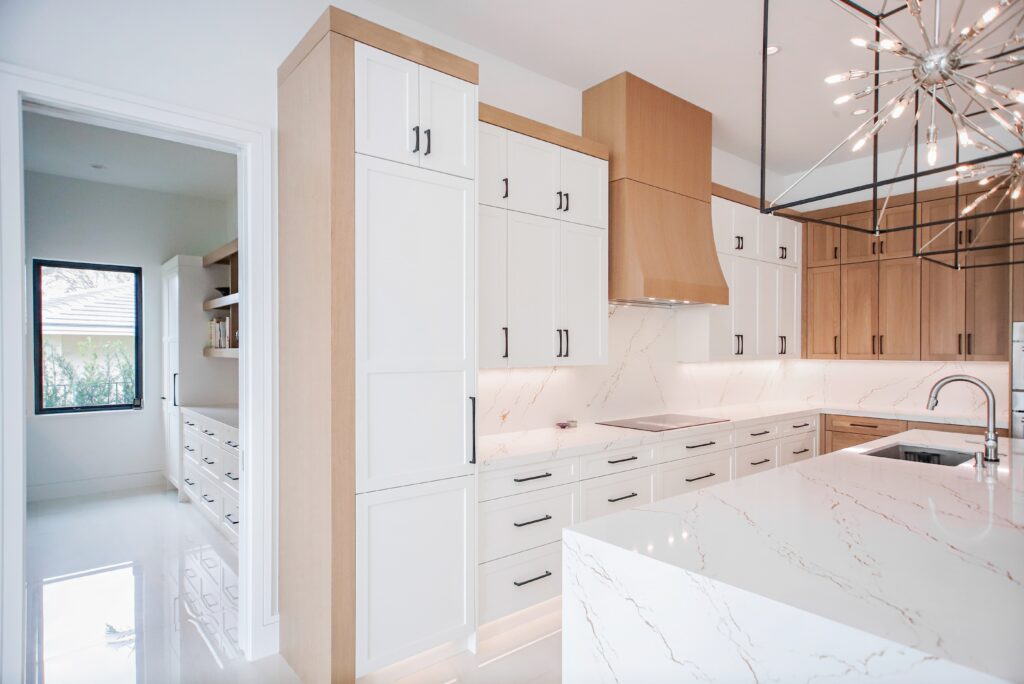
Cover panels that match your cabinetry create a seamless, cohesive look. This approach helps your kitchen appear larger and more uniform, especially in smaller spaces. You can pick the exact color or wood grain to ensure the panels blend perfectly with your cabinets.
Matching isn’t just about color; the finish matters too. A glossy finish on both cabinetry and cover panels gives a modern feel, while a matte finish creates a subtle, sophisticated look. Don’t forget to check how lighting affects your chosen finish throughout the day.
Contrasting Accents
If you want to add character, contrasting cover panels can make your kitchen pop. For example, white cabinets paired with dark wood or black panels create a striking visual effect. It’s a bold move that can turn your kitchen into a conversation starter.
Contrasting colors also help highlight specific areas, like an island or pantry door. Think about what you want to draw attention to and choose your cover panels accordingly. Have you considered how a splash of color could brighten up a neutral kitchen?
Popular Finishes
Popular finishes for cover panels include laminate, wood veneer, and painted surfaces. Laminate is durable and comes in endless colors and patterns, making it a practical choice. Wood veneer offers a natural texture and warmth without the high cost of solid wood.
Painted finishes allow for customization and are easy to refresh with a new coat when you want to change your kitchen’s look. Satin and semi-gloss are favorites because they balance shine and conceal fingerprints well. Which finish do you think would suit your lifestyle best?
Customization Ideas
Customization ideas for cover panels can transform your kitchen cabinets from basic to breathtaking. These panels offer a unique way to express your style and improve functionality. Thinking beyond plain panels can make your kitchen feel more personal and inviting.
Decorative Molding
Adding decorative molding to cover panels creates depth and character. You can choose from crown molding, beadboard, or raised panel designs to match your kitchen’s theme. This small detail often makes a big impact, turning simple cabinets into elegant focal points.
Consider how molding frames the panels and enhances architectural interest. Would you prefer a classic look or something more modern? The choice of molding style can guide your entire kitchen’s atmosphere.
Integrated Lighting
Integrated lighting within cover panels adds both style and practicality. LED strips or puck lights can highlight textures or create ambient lighting in your kitchen. This subtle glow can make cooking and cleaning tasks easier while setting a cozy mood.
Think about where lighting will be most effective—under cabinets, inside glass panels, or along the edges. Could lighting turn your kitchen into a multi-functional space that works day and night?
Textured Surfaces
Textured cover panels offer tactile and visual interest that flat surfaces lack. Materials like reclaimed wood, embossed metal, or woven panels add personality and warmth. These textures invite you to touch and experience your kitchen in new ways.
Experiment with mixing textures for a layered, dynamic look. How might a rough wood panel contrast with sleek stainless steel nearby? Textured surfaces can make your kitchen feel more alive and uniquely yours.

Credit: www.reddit.com
Maintenance Tips
Keeping your kitchen cabinet cover panels looking fresh and new doesn’t have to be a chore. With simple maintenance habits, you can extend their life and keep them enhancing your kitchen's style. Let’s dive into practical tips that anyone can follow to care for these panels effectively.
Cleaning Techniques
Regular cleaning prevents dirt buildup and keeps your panels shining. Use a soft cloth with warm, soapy water to gently wipe the surface. Avoid harsh chemicals or abrasive pads that can damage the finish.
For tougher stains, try a mixture of vinegar and water or a mild detergent. Always dry the panels immediately to prevent moisture from seeping in. Have you noticed how a quick wipe after cooking saves you from scrubbing later?
Repairing Scratches
Scratches can happen even with careful use, but they don’t have to ruin your panels. Light scratches can often be minimized using a colored touch-up marker matching your panel’s shade.
If the scratch is deeper, gently sanding the area and applying a matching wood filler or paint can restore the look. Keep a small repair kit handy—it’s easier to fix damage early before it worsens.
Long-term Care
Protecting your cover panels over time means thinking beyond cleaning and quick fixes. Avoid exposing them to excessive heat or moisture, as this can warp or discolor the material.
Consider adding protective pads behind handles or appliances that might rub against the panels. How often do you check your kitchen cabinets for small issues before they turn into bigger problems? Regularly inspecting and caring for your panels keeps your kitchen inviting and well-maintained.
Cost Considerations
Understanding the costs involved with cover panels for kitchen cabinets helps you make smarter choices. These panels can vary widely in price depending on what fits your style and budget. Knowing where your money goes can prevent surprises and give you control over your kitchen makeover.
Budget Options
If you want to keep costs low, look for laminate or MDF (medium-density fiberboard) cover panels. These materials offer decent durability and come in many colors and patterns. You might find options under $20 per panel, which is great if you’re updating multiple cabinets without spending a fortune.
Shopping at big-box stores or online marketplaces often reveals sales and discounts on budget-friendly panels. Do you think cutting costs here means sacrificing style? Not necessarily—many budget panels mimic wood or stone finishes quite well.
Premium Materials
Cover panels made from solid wood, high-quality plywood, or custom veneer can push the price up significantly. These materials bring a richer look and longer lifespan but often cost $50 or more per panel. If your kitchen is a space where you spend hours and want a standout design, investing in premium panels might pay off.
Custom finishes or intricate designs add to the expense but can make your kitchen truly unique. Have you considered that a higher upfront cost might reduce the need for replacement or repairs later?
Installation Costs
Don’t forget that installation can add to your overall budget. If you’re handy, you might install cover panels yourself, saving money. However, professional installation ensures a perfect fit and finish, often costing between $50 to $100 per panel depending on complexity.
Complex kitchen layouts or older cabinets might require extra work, increasing labor fees. Are you prepared for these additional costs, or would a simpler design help keep installation affordable?
Credit: decorcabinets.com
Where To Buy
Finding the right cover panels for kitchen cabinets can improve your kitchen’s look. Several places offer different styles, materials, and prices. Knowing where to buy helps you get the best fit for your needs and budget.
Local Suppliers
Local suppliers often have a wide range of cover panels. Visiting a store lets you see the materials and colors in person. You can ask questions and get advice from experts. Local shops may offer quicker delivery and easier returns.
Online Retailers
Online retailers provide many options for cover panels. You can compare prices and styles from home. Many sites show customer reviews to help with choices. Shipping is usually available nationwide, but check delivery times carefully.
Custom Fabricators
Custom fabricators make cover panels to fit your exact needs. They use your measurements and design preferences. This option is great for unusual cabinet sizes or unique styles. Custom work may cost more but offers a perfect match.
Credit: www.ikea.pr
Frequently Asked Questions
What Are Cover Panels For Kitchen Cabinets?
Cover panels are decorative boards that conceal cabinet sides or gaps. They provide a seamless, polished look to kitchen cabinetry. These panels match cabinet materials and finishes to blend in perfectly with the kitchen design.
Why Use Cover Panels In Kitchen Cabinets?
Cover panels hide unfinished cabinet edges and exposed gaps. They enhance kitchen aesthetics and protect cabinet sides from damage. Using cover panels ensures a clean, cohesive, and professional kitchen appearance.
How Do Cover Panels Improve Kitchen Cabinet Design?
Cover panels create a uniform, integrated look by covering exposed cabinet parts. They help maintain style consistency and add a custom touch. This improves the overall kitchen design and visual appeal.
Can Cover Panels Be Customized For Kitchen Cabinets?
Yes, cover panels can be custom-made to fit cabinet dimensions. They come in various materials, colors, and finishes. Custom panels ensure perfect matching and a tailored kitchen look.
Conclusion
Cover panels help hide cabinet sides for a cleaner look. They protect edges from damage and dirt. These panels make kitchens look neat and stylish. Choosing the right material is important for durability. Cover panels fit easily and improve your kitchen’s feel.
Small details can change the whole room’s appearance. Adding cover panels is a simple and smart choice. They keep your cabinets safe and attractive longer. Think about cover panels to complete your kitchen design.