
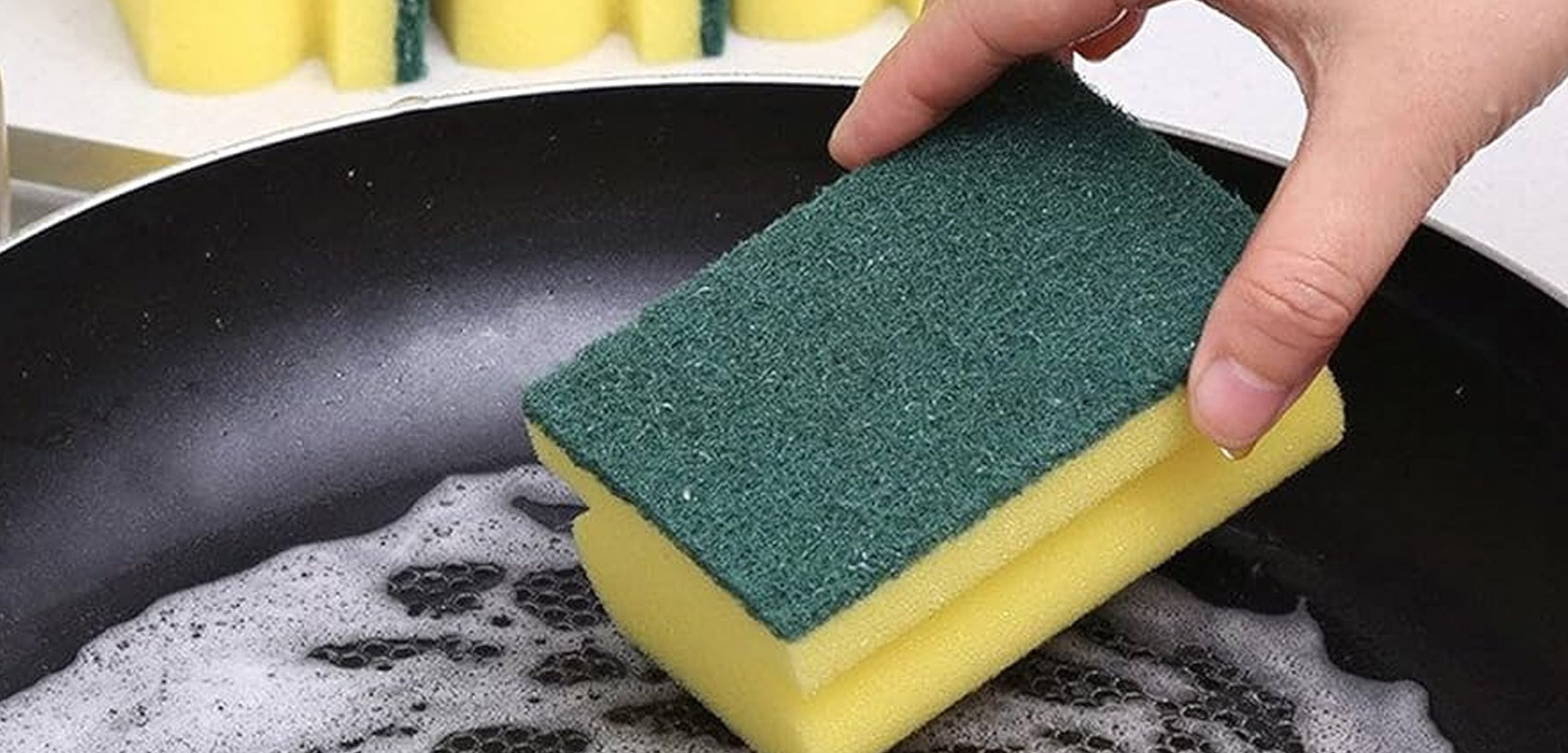
Have you ever stopped to think about what your kitchen sponge is really made of? It’s something you use every day to clean dishes, wipe counters, and keep your kitchen fresh.
But do you know what’s inside it? Understanding what kitchen sponges are made of can help you choose the right one for your needs—and keep your kitchen cleaner and safer. Keep reading to discover the surprising materials behind this everyday tool and why it matters to you.

Credit: www.airnex.store
Common Materials In Kitchen Sponges
Kitchen sponges come in various types, made from different materials. These materials affect how the sponge cleans and how long it lasts. Knowing the common materials helps you choose the right sponge for your needs.
Cellulose And Wood Pulp
Cellulose sponges are made from wood pulp fibers. They absorb water well and clean surfaces gently. These sponges are biodegradable and break down naturally. They work best for light cleaning tasks and are safe for most surfaces.
Synthetic Foams
Synthetic sponges use materials like polyurethane foam. They are durable and resist wear and tear. These sponges dry quickly and do not absorb as much water. Many synthetic sponges have a scrubbing side for tough stains. They come in many shapes and colors.
Natural Fibers
Some sponges are made from natural fibers like cotton or hemp. These sponges are eco-friendly and compostable. Natural fiber sponges clean effectively without harsh chemicals. They are soft and suitable for delicate dishes and surfaces. These sponges often last longer than cellulose ones.
Specialty Sponge Components
Specialty sponge components set kitchen sponges apart from ordinary cleaning tools. These additions enhance their effectiveness and longevity, making your cleaning tasks easier and more hygienic. Understanding what these components do can help you choose the right sponge for your kitchen needs.
Antimicrobial Additives
Many kitchen sponges include antimicrobial additives to slow down the growth of bacteria and mold. These additives help keep the sponge fresher for longer, reducing unpleasant odors and potential health risks.
Have you ever noticed how some sponges start smelling bad faster than others? That’s often because they lack these antimicrobial properties. Using sponges with these additives can save you from frequent replacements and keep your kitchen cleaner.
Abrasive Layers
Abrasive layers are thin, rough surfaces bonded to one side of the sponge. They help tackle tough grime and stuck-on food without scratching most dishes and surfaces.
If you struggle with stubborn stains on pots or pans, a sponge with an abrasive layer can be a game-changer. Just remember to avoid using them on delicate materials like non-stick cookware to prevent damage.
Scented Infusions
Some sponges come with scented infusions that release pleasant fragrances during use. These scents can make dishwashing less of a chore by masking unpleasant odors from dirty dishes.
While scented sponges can brighten your cleaning routine, be cautious if you have sensitive skin or allergies. It’s important to find a balance between fragrance and comfort to suit your personal preferences.
Eco-friendly Sponge Alternatives
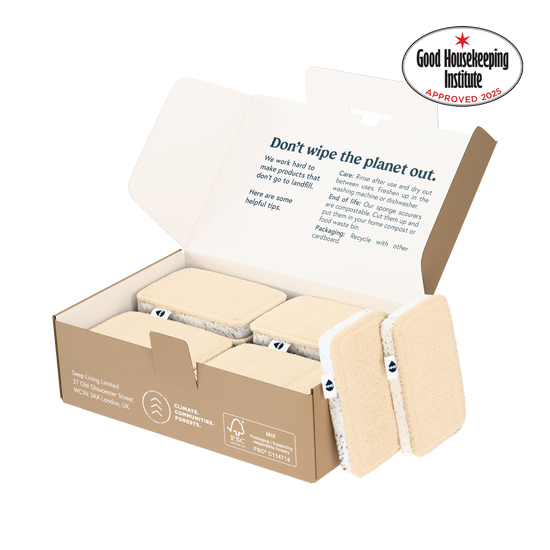
Kitchen sponges often contain plastic fibers that harm the environment. Eco-friendly alternatives use natural materials like cellulose, cotton, or coconut fibers. These options break down easily and reduce waste.
As people become more environmentally conscious, the quest for eco-friendly kitchen sponge alternatives has gained momentum. Traditional sponges often contain plastics and chemicals that aren't biodegradable, contributing to landfill waste. But what if you could clean your dishes without harming the planet? Discover the world of eco-friendly sponges that offer the same cleaning power without the environmental guilt.
Biodegradable Options
Biodegradable sponges break down naturally, reducing waste. These sponges are often made from plant-based materials like cellulose, which is derived from wood pulp. They clean effectively, and you can toss them in the compost bin when they're worn out.
Reusable Cloth Sponges
Cloth sponges offer a sustainable alternative by being washable and reusable. Made from materials like cotton or bamboo, these sponges can last for months. Simply toss them in the washing machine to refresh them, reducing your need to buy new ones frequently.
Compostable Materials
Sponges made from compostable materials break down into natural elements without leaving harmful residues. Look for sponges made from loofah or coconut fibers, which are both tough on grime and gentle on the environment. When you're done with them, simply add them to your compost pile and watch them return to nature. Choosing eco-friendly sponges can significantly impact your carbon footprint. Which alternative will you try next?
Health And Safety Considerations
Understanding the health and safety aspects of kitchen sponges is crucial for maintaining a clean and safe cooking environment. These everyday tools can harbor unseen risks if not handled properly. Let’s look closer at what you should watch out for and how to keep your sponge safe to use.
Bacterial Growth Risks
Kitchen sponges are moist and full of tiny crevices, making them perfect breeding grounds for bacteria. Harmful germs like Salmonella and E. coli can thrive on a damp sponge, increasing the chance of food contamination.
Think about how often you use the same sponge without disinfecting it. Could that sponge be spreading bacteria rather than cleaning? Regularly replacing or sanitizing your sponge helps reduce this risk significantly.
Material Allergies
Not all sponges are created equal—some contain synthetic materials or chemicals that might irritate sensitive skin. If you notice redness or itching after using a certain sponge, it might be worth checking its ingredients.
Natural sponges or those labeled hypoallergenic can be safer choices for people with allergies. Have you ever experienced a rash from cleaning products? Switching your sponge type might be the simple fix you need.
Proper Cleaning Methods
Keeping your kitchen sponge clean extends its life and protects your health. You can disinfect sponges by microwaving them for one minute or soaking them in a bleach solution for a few minutes.
- Rinse your sponge thoroughly after each use to remove food particles.
- Squeeze out excess water to prevent moisture buildup.
- Allow it to dry completely between uses.
These small habits can make a big difference. How often do you clean or replace your sponge? Paying attention to these details can help you avoid unpleasant surprises in your kitchen.
Choosing The Right Sponge For Your Kitchen
Choosing the right sponge for your kitchen affects cleaning ease and surface safety. Different sponges suit different tasks and surfaces. Picking the best one saves time and protects your dishes and counters.
Durability Factors
Durability depends on sponge material and construction. Synthetic sponges last longer but may wear down with heavy use. Natural sponges can be softer but break faster. Choose sponges that resist tearing and hold their shape after wetting.
Suitability For Different Surfaces
Some sponges are too rough for delicate surfaces like glass or non-stick pans. Soft cellulose sponges work well for gentle cleaning. Scrubbing pads with abrasive layers fit pots and grills. Match sponge texture to the surface to avoid scratches or damage.
Cost And Environmental Impact
Prices vary from budget-friendly to premium options. Natural sponges tend to cost more but biodegrade easily. Synthetic sponges last longer but add plastic waste. Consider cost alongside environmental effects when selecting your sponge.

Credit: www.amazon.ca
Credit: theseepcompany.com
Frequently Asked Questions
What Materials Are Kitchen Sponges Made Of?
Kitchen sponges are commonly made from cellulose, synthetic fibers, or foam. Cellulose sponges are natural and biodegradable, while synthetic sponges use plastic fibers. Some sponges combine materials for durability and absorbency, making them effective for cleaning various kitchen surfaces.
Are Kitchen Sponges Safe For Food Contact?
Yes, most kitchen sponges are safe for food contact when used properly. However, they can harbor bacteria if not cleaned regularly. It’s important to sanitize sponges often and replace them frequently to maintain hygiene and prevent cross-contamination in the kitchen.
How Do Synthetic And Natural Sponges Differ?
Synthetic sponges are made from plastic fibers, offering durability and resistance to chemicals. Natural sponges are derived from cellulose or sea sponges and are biodegradable. Natural sponges tend to absorb water better, but synthetic ones often last longer and dry faster.
Can Kitchen Sponges Be Eco-friendly?
Yes, eco-friendly kitchen sponges are made from natural, biodegradable materials like cellulose or plant fibers. They break down faster in the environment compared to synthetic sponges. Choosing eco-friendly sponges helps reduce plastic waste and supports sustainable kitchen practices.
Conclusion
Kitchen sponges come in many materials, each with its own use. Some are soft and gentle, while others are rough and strong. Knowing what sponges are made of helps you choose the right one. It also helps you clean better and stay safe.
Always replace sponges often to avoid germs. Now, you can pick the best sponge for your kitchen needs. Simple choices make cleaning easier and more effective every day.