
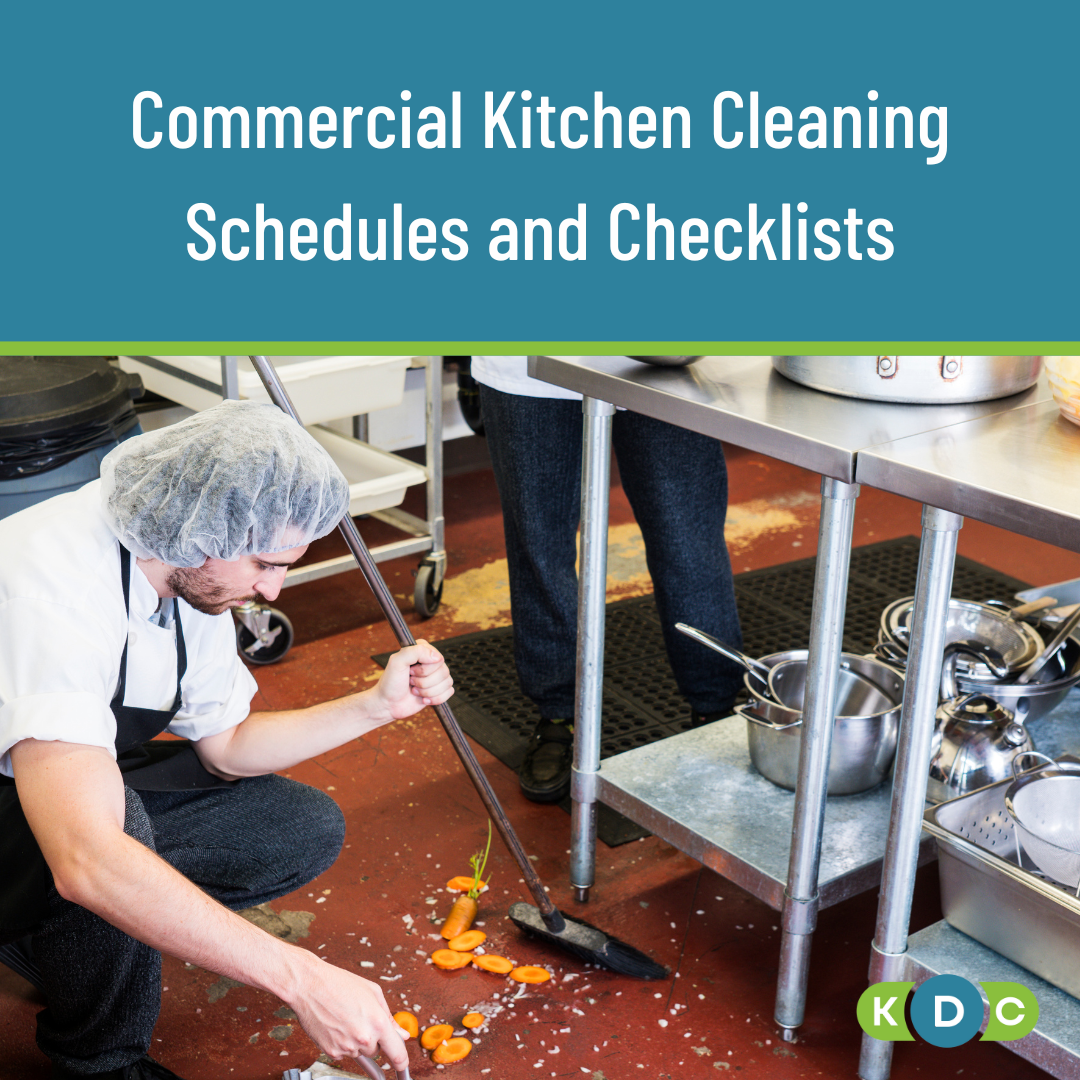
Keeping your kitchen clean is more important than you might think. A spotless kitchen not only looks great but also keeps you and your family safe from germs and foodborne illnesses.
But where do you start? You might feel overwhelmed by the mess or unsure of the best way to clean efficiently. That’s why knowing the 5 simple steps in cleaning your kitchen premises can save you time and effort while giving you peace of mind.
Ready to transform your kitchen into a fresh, healthy space? Let’s dive into the easy steps you can follow right now.
Credit: medium.com
Prepare Cleaning Supplies
Preparing cleaning supplies is key to an efficient kitchen cleaning. It saves time and ensures no tool or product is missing. Organizing everything before starting makes the process smooth and stress-free.
Gather Essential Tools
Start by collecting all tools needed for cleaning. Basic items include:
- Sponges and scrub brushes
- Microfiber cloths and rags
- Buckets for water and cleaning solutions
- Rubber gloves to protect your hands
- Broom and dustpan for floor cleaning
- Mop or floor cloth
Having these ready avoids interruptions. It also keeps the kitchen safe and tidy during cleaning.
Select Suitable Cleaners
Choose cleaners that work well on kitchen surfaces. Consider these types:
- All-purpose cleaner for counters and cabinets
- Degreaser for greasy stovetops and appliances
- Disinfectant to kill bacteria and germs
- Glass cleaner for windows and shiny surfaces
- Floor cleaner suitable for your kitchen floor type
Check labels to avoid harmful chemicals. Pick products that are safe for your family and pets.

Credit: www.youtube.com
Clear And Declutter Surfaces
Clearing and decluttering surfaces in your kitchen is the foundation of a clean and efficient cooking space. It’s about creating room to work and making your kitchen feel more inviting. When your countertops and tables are free from unnecessary items, cleaning becomes quicker and your kitchen’s overall hygiene improves.
Remove Food And Utensils
Start by taking away any leftover food, dishes, and utensils from your countertops. Leaving food out not only attracts pests but also makes your kitchen smell less fresh. Put dirty dishes in the sink or dishwasher right away to avoid clutter build-up.
Think about the last time you cooked with a cluttered counter—didn’t it slow you down? Clearing food and utensils helps you focus on the task and speeds up cleanup later.
Organize Countertops
Once cleared, organize the items you use daily on the countertops. Keep frequently used tools like knives, cutting boards, or coffee makers within easy reach. Store less-used appliances and items in cabinets or drawers to free up more space.
Try grouping items by function. For example, place baking ingredients and tools together in one corner. This simple trick saves time and keeps your kitchen looking tidy.
Clean Appliances And Fixtures
Cleaning your kitchen appliances and fixtures is more than just a routine chore—it’s about maintaining the heart of your cooking space. These surfaces encounter food, water, and grease daily, making them prime spots for germs and buildup. Keeping them spotless not only improves hygiene but also extends the life of your appliances.
Wipe Down Appliances
Start by unplugging your appliances to ensure safety. Use a soft cloth dampened with warm, soapy water to wipe down the exterior surfaces of your refrigerator, microwave, toaster, and oven.
Don’t forget the often-overlooked areas like buttons, handles, and knobs where grime tends to accumulate. For stubborn spots, a gentle scrub with a toothbrush can make a big difference without damaging the appliance.
Have you noticed how your microwave smells after reheating leftovers? Wiping it regularly prevents odors and food splatters from turning into tough stains.
Sanitize Sink And Faucets
Your kitchen sink and faucets are contact points for dirty dishes and raw food, making sanitation crucial. After cleaning the surface, use a disinfectant spray or a mixture of vinegar and water to sanitize these areas.
Pay special attention to faucet handles and the sink drain, as these spots harbor bacteria and mold. A quick scrub with a soft brush can reach crevices where germs hide.
Do you often skip this step? Think about how many hands touch the faucet every day and how easily bacteria can spread without proper sanitation.

Credit: maggymaid.com
Scrub And Disinfect Surfaces
Scrub surfaces thoroughly to remove dirt and food residue. Disinfect after scrubbing to kill germs and keep the kitchen safe. This ensures a clean and healthy cooking area.
Scrubbing and disinfecting surfaces is crucial in kitchen cleaning. Germs and bacteria love to hide on kitchen surfaces. Regular cleaning keeps them at bay. Let's dive into the steps to maintain a clean and hygienic kitchen.
Clean Counters And Cabinets
Start by clearing off your counters. Remove all appliances and items. Use a damp cloth with mild soap to wipe down surfaces. Pay attention to stains and spills. For cabinets, open the doors and clean inside. Dust can collect on shelves and in corners. Use a soft brush for hard-to-reach spots.
Disinfect High-touch Areas
High-touch areas need special care. These include handles, knobs, and light switches. Use a disinfectant spray or wipes. Make sure these products are safe for kitchen use. Disinfecting kills germs that linger on surfaces. Focus on spots that get touched often. This step is important for a healthy kitchen environment.
Sweep And Mop Floors
Sweeping and mopping the kitchen floors is a critical part of maintaining a clean and safe cooking environment. It removes dirt, spills, and crumbs that can attract pests or cause slips. Taking the time to do this properly ensures your kitchen stays hygienic and inviting.
Remove Debris
Start by clearing away any visible debris like food crumbs, dust, or small bits of trash. Use a broom or a vacuum designed for hard floors to pick up everything thoroughly. Skipping this step can leave dirt trapped under the mop, making your floors look worse instead of cleaner.
Pay extra attention to corners and under appliances where debris tends to gather unnoticed. Have you ever mopped only to find dirt reappearing right after? That usually means debris wasn’t fully removed beforehand.
Use Appropriate Floor Cleaners
Select a floor cleaner suitable for your kitchen’s flooring type—whether it’s tile, vinyl, or hardwood. Using the wrong cleaner can damage your floor or leave behind slippery residues. For example, a mild detergent mixed with warm water works well for most surfaces.
Test the cleaner on a small, hidden spot first to ensure it won’t discolor or harm the floor. Adding a few drops of essential oil like lemon can also help leave a fresh scent without harsh chemicals. What cleaning products do you trust for your kitchen floors?
Frequently Asked Questions
What Are The Essential Tools For Cleaning Kitchen Premises?
Essential tools include sponges, microfiber cloths, scrub brushes, mop, bucket, and cleaning agents like disinfectants and degreasers. Using the right tools ensures effective and hygienic cleaning of all kitchen areas.
How Often Should Kitchen Premises Be Cleaned Thoroughly?
A deep cleaning of kitchen premises should be done weekly. Daily spot cleaning maintains hygiene, but weekly thorough cleaning prevents bacteria buildup and ensures a safe cooking environment.
What Is The First Step In Cleaning Kitchen Premises?
The first step is to declutter and remove all items from surfaces. Clearing the area allows better access and ensures every spot gets cleaned properly.
How To Effectively Clean Kitchen Countertops?
Use a suitable disinfectant or kitchen cleaner on countertops. Wipe surfaces with a clean cloth, paying attention to corners and edges to remove grease and bacteria.
Conclusion
Keeping your kitchen clean is simple with these five steps. Start by clearing surfaces and removing trash. Next, wash dishes and wipe counters carefully. Then, clean appliances and sweep the floor. Finish by sanitizing key areas to prevent germs. Following these steps regularly keeps your kitchen safe and fresh.
Clean kitchens also make cooking more enjoyable and healthy. Try to stick to this routine for the best results. A clean kitchen means a happy home.