
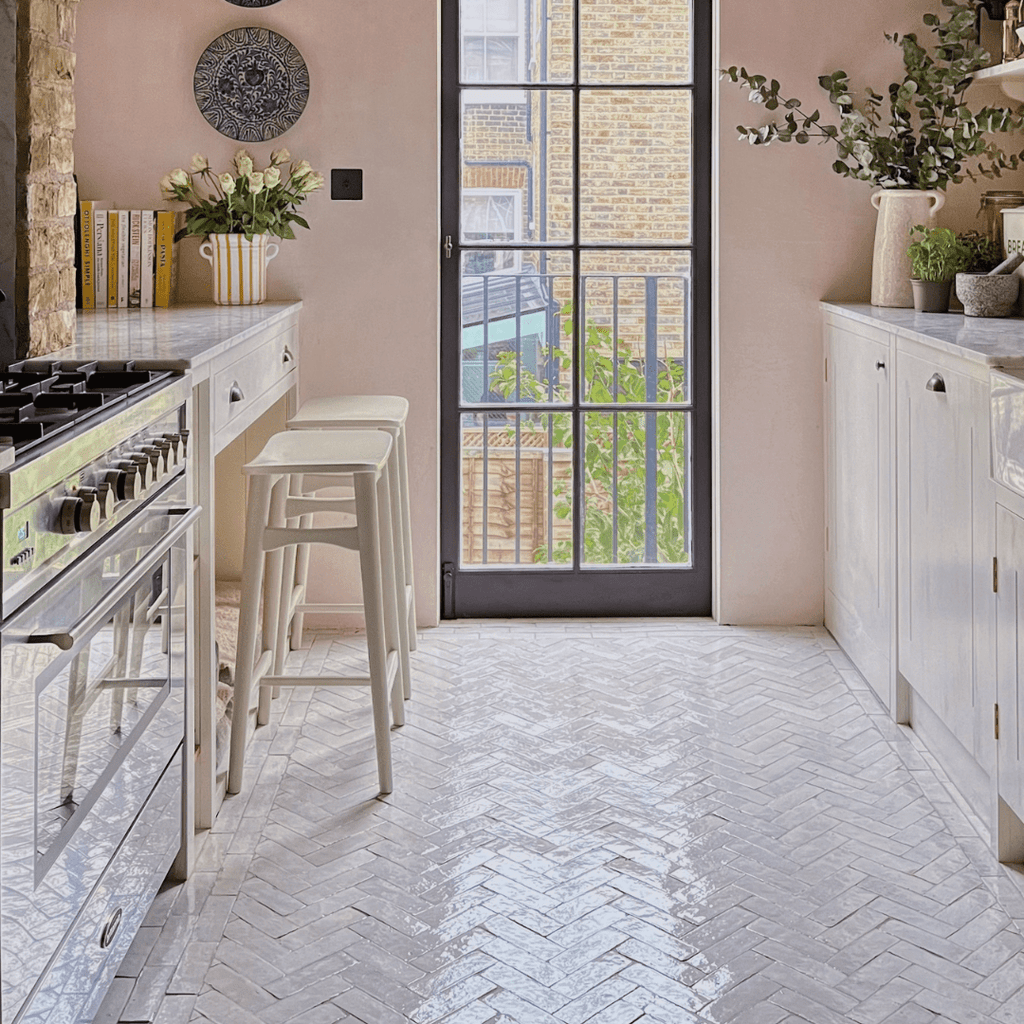
Are your kitchen tiles looking tired, outdated, or damaged? You might be wondering, “What can I cover my kitchen tiles with?” You’re not alone.
Whether you want a fresh new look or a quick fix without the hassle of tearing out old tiles, there are smart and easy solutions waiting for you. You’ll discover practical, stylish, and affordable ways to transform your kitchen floor or backsplash.
Keep reading, because the perfect cover for your kitchen tiles could be simpler than you think—and it might just change the way you feel about your kitchen.
Tile Paints
Tile paints offer a quick and affordable way to refresh kitchen tiles. They cover old or dull tiles with new color. This option saves the cost and effort of tile replacement. Tile paints come in many types suitable for kitchen use. Proper preparation and application are key to a smooth finish. Painted tiles can last several years with correct care.
Types Of Tile Paints
- Epoxy Paint:Strong and water-resistant, perfect for kitchen tiles.
- Acrylic Paint:Easy to use and dries fast, but less durable than epoxy.
- Enamel Paint:Provides a hard, shiny finish, good for high-traffic areas.
- Chalk Paint:Offers a matte, vintage look, usually sealed with a topcoat.
Preparation And Application
Clean tiles thoroughly to remove grease and dirt. Use a mild detergent and scrub well. Sand tiles lightly to help paint stick better. Fill any cracks or chips with tile filler. Apply a primer suited for tiles; it improves paint adhesion. Use a brush or roller for even coverage. Allow each coat to dry fully before applying the next. Two to three coats usually give the best finish.
Durability And Maintenance
Epoxy paint provides the longest-lasting finish in kitchens. Acrylic and enamel paints can chip if not cared for. Avoid abrasive cleaners that can damage the paint layer. Wipe tiles gently with a soft cloth and mild cleaner. Touch up small chips quickly to keep tiles looking fresh. Proper sealing extends paint life and protects against stains.

Credit: www.mineraltiles.com
Peel And Stick Tiles
Peel and stick tiles offer a quick and budget-friendly way to refresh your kitchen tiles without the mess of traditional tiling. They come with an adhesive backing that makes installation straightforward and mess-free. If you want a simple upgrade that looks professional, peel and stick tiles might be the perfect solution for your kitchen.
Material Options
Peel and stick tiles come in a variety of materials, each with its own benefits:
- Vinyl:Waterproof and easy to clean, vinyl tiles are great for kitchen backsplashes and floors.
- Laminate:Offers a smooth finish that mimics more expensive materials like ceramic or stone.
- Metal:Adds a modern and sleek look, perfect for a contemporary kitchen design.
- Glass:Reflective and bright, glass peel and stick tiles can make your kitchen feel larger and cleaner.
Choosing the right material depends on your kitchen’s style and the area you want to cover. For high-moisture areas, vinyl or glass tend to hold up better.
Installation Tips
Preparing the surface is key to a lasting finish. Make sure your kitchen tiles are clean, dry, and free from grease before applying the peel and stick tiles.
Measure and plan your layout carefully. It helps to start from the center and work your way out for a balanced look.
- Peel off the backing slowly to avoid stretching or tearing.
- Press firmly from the center outward to remove air bubbles.
- Use a plastic scraper for a smooth finish.
Have you ever tried to fix a tile only to find it peeling off again? Taking these small steps can prevent that frustration.
Design Ideas
Peel and stick tiles allow you to experiment with patterns and colors without commitment. Try mixing different tile shapes for a playful backsplash.
Consider using bold colors or metallic finishes to create a focal point behind the stove or sink. This can instantly brighten up your kitchen.
- Use mosaic peel and stick tiles to add texture and depth.
- Combine neutral tones with a pop of color for a balanced look.
- Try a classic subway tile pattern for a timeless feel.
How daring are you willing to be with your kitchen makeover? Peel and stick tiles give you the freedom to test your style and change it whenever you want.
Tile Overlays
Tile overlays offer a smart way to cover kitchen tiles without removing the old ones. They provide a fresh look and protect the surface beneath. Overlays come in many materials and styles to suit different tastes and budgets.
Choosing The Right Overlay
Select an overlay that fits your kitchen’s style and use. Thin vinyl or peel-and-stick tiles work well for quick updates. For durability, consider acrylic or glass panels. Check for water resistance and ease of cleaning. Match colors and patterns with your kitchen décor to keep a balanced look.
Step-by-step Installation
- Clean the existing tiles thoroughly to remove grease and dirt.
- Measure the area to cut the overlay material accurately.
- Apply adhesive or use self-adhesive overlays following instructions.
- Press the overlay firmly to avoid air bubbles.
- Seal edges with waterproof caulk if needed for extra protection.
Cost And Longevity
Tile overlays usually cost less than replacing tiles. Prices vary depending on material and size of the area. Vinyl overlays are budget-friendly but may wear out faster. Acrylic or glass overlays last longer but cost more. Proper installation helps extend the life of overlays. Regular cleaning keeps them looking new for years.

Credit: www.reddit.com
Vinyl Flooring
Vinyl flooring offers a stylish solution for covering kitchen tiles. Its durable and water-resistant nature makes it ideal for busy areas. With a variety of designs, vinyl can easily enhance your kitchen's look.
Vinyl flooring offers a practical solution to cover old kitchen tiles. This affordable option provides a fresh look without extensive renovations. Easy to install, vinyl flooring suits those seeking quick updates. It adds a modern touch, enhancing your kitchen's appeal.
Advantages For Kitchens
Vinyl flooring is water-resistant, ideal for kitchens. It withstands spills and splashes without damage. Its durability ensures it lasts through heavy foot traffic. Soft underfoot, it offers comfort while standing for long periods. Vinyl also has noise-reducing qualities, perfect for busy households.
Patterns And Styles
Vinyl flooring comes in various patterns and styles. Choose from wood, stone, or tile effects to match your decor. The wide range allows personalization, ensuring your kitchen reflects your taste. Vinyl can mimic high-end materials at a fraction of the cost. With countless options, find a style that fits your vision.
Cleaning And Upkeep
Maintaining vinyl flooring is simple and straightforward. Regular sweeping removes dirt and debris easily. A damp mop with mild detergent keeps it spotless. Avoid harsh chemicals to maintain its shine. Vinyl resists stains, making it an excellent choice for busy kitchens. Its low-maintenance nature saves time and effort.
Laminate Flooring
Laminate flooring is a popular choice for covering kitchen tiles because it offers an easy and stylish upgrade. It mimics the look of natural wood or stone without the high cost or maintenance. If you want a fresh look that is durable and simple to clean, laminate could be the solution you need.
Water Resistance Features
Kitchen floors often face spills and moisture, so water resistance is key. Many modern laminate floors come with a water-resistant coating that helps protect against minor spills and splashes. However, it's important to wipe up water quickly, as standing water can still damage some laminate types.
Some brands now offer waterproof laminate options that provide extra protection, making them more suitable for kitchens. These versions can handle moisture better, giving you peace of mind while cooking or cleaning.
Design Versatility
Laminate flooring offers a wide range of designs to fit any kitchen style. Whether you prefer the warm look of hardwood or the sleek feel of stone, there’s a laminate design that matches your taste. This variety allows you to personalize your kitchen without breaking your budget.
You can choose from different textures, colors, and plank sizes to create the exact look you want. Have you thought about mixing patterns or adding contrast with your cabinets? Laminate makes it easy to experiment.
Installation Methods
One of the biggest advantages of laminate flooring is its simple installation. Many laminate products feature a click-lock system that lets you lay the floor without glue or nails. This means you can often install it yourself, saving on labor costs.
If your kitchen tiles are in good shape, you might even install laminate right over them. This can reduce mess and time, but make sure the tile surface is clean and level. Would you prefer a floating floor or a glued-down one? Both methods have their benefits depending on your needs.

Credit: mercurymosaics.com
Wood And Engineered Wood
Wood and engineered wood offer a warm, natural look to kitchen floors or walls. They bring charm and a cozy feel to any space. Engineered wood is made of layers of wood with a hardwood top layer. It resists moisture better than solid wood. Both types can cover kitchen tiles effectively, creating a fresh style.
Suitability For Kitchen Use
Wood and engineered wood can work in kitchens but need care. Solid wood can absorb water and warp over time. Engineered wood handles moisture better due to its layered design. Both require sealing to protect from spills. Avoid placing them near sinks or areas with heavy water use. Regular maintenance keeps them looking good longer.
Finishing Options
Several finishes protect wood surfaces in kitchens:
- Oil finish:Penetrates wood, giving a natural look and some water resistance.
- Polyurethane:Creates a strong, clear layer that resists water and stains.
- Wax finish:Adds a soft shine but needs frequent reapplication.
- Lacquer:Forms a hard protective coat with a glossy finish.
Choosing the right finish depends on durability needs and style preferences.
Pros And Cons
| Pros | Cons |
|---|---|
| Warm and natural aesthetic | Can be damaged by water and scratches |
| Engineered wood is more moisture resistant | Needs regular sealing and care |
| Comfortable underfoot compared to tile | May fade or discolor over time |
| Easy to install over existing tiles | Cost can be higher than other coverings |
Epoxy Coatings
Epoxy coatings offer a smart way to refresh your kitchen tiles without the hassle of removing them. This durable, resin-based material creates a smooth, hard surface that can protect your tiles and change their look entirely. Many homeowners find epoxy coatings a cost-effective solution that delivers both style and strength.
Benefits For Kitchen Tiles
Epoxy coatings add a strong protective layer that resists stains, scratches, and water damage. This makes your kitchen tiles easier to clean and maintain, especially in busy cooking areas. The glossy finish also brightens the space, giving your kitchen a fresh and modern vibe.
One surprising benefit is the increased resistance to chemicals and heat, which means spills and hot pots won’t ruin your floors or backsplashes. If you want to keep your kitchen looking new for years, epoxy coatings are worth considering.
Application Process
The application of epoxy coatings requires some preparation but is manageable for most DIY enthusiasts. First, your tiles need to be thoroughly cleaned and any cracks repaired to ensure the epoxy adheres properly. After that, you apply a primer layer to create a strong bond.
Once the primer dries, you mix and spread the epoxy resin evenly over the tile surface, using a roller or brush. It’s important to work in a well-ventilated area and follow the product’s curing time, which usually takes a few days for full hardness. Have you ever tried a home project that required such patience but paid off beautifully?
Color And Finish Choices
Epoxy coatings come in a wide range of colors and finishes, allowing you to customize your kitchen tiles easily. You can go for classic white or gray for a clean look, or choose bold colors to add character and match your kitchen’s theme. Some epoxy products even offer metallic or pearlescent finishes for a unique shine.
If you prefer a subtler effect, matte and satin finishes provide a modern, understated style without the glare of high gloss. Think about how the color and finish will interact with your kitchen lighting and overall decor before making your choice.
Decorative Rugs And Mats
Decorative rugs and mats offer a quick and stylish way to cover your kitchen tiles without any permanent changes. They bring warmth, color, and texture to the space, making your kitchen feel more inviting. Plus, they can help protect your tiles from scratches and spills while adding a personal touch.
Styles That Complement Tiles
Choosing a rug or mat that works well with your tiles can transform the entire kitchen look. If you have patterned tiles, opt for solid-colored rugs to balance the visual interest. For plain tiles, bold patterns or geometric designs can add character and depth.
Natural fiber rugs like jute or sisal pair beautifully with rustic or farmhouse-style kitchens. Meanwhile, a sleek, low-pile rug in neutral tones suits modern, minimalist kitchens. Don’t shy away from vibrant colors if your kitchen needs a focal point—just make sure it complements your existing palette.
Placement Ideas
Think about where you spend the most time standing or working. Placing a runner in front of the sink or stove adds comfort and style. Small mats near the fridge or under the breakfast nook can define those areas and protect high-traffic spots.
Consider layering rugs for an eclectic look. A small patterned mat over a larger plain rug can add dimension and interest. Just ensure rugs are slip-resistant or use pads to keep them safely in place.
Care And Maintenance
Rugs in the kitchen face spills, crumbs, and frequent foot traffic. Choose materials that are easy to clean, like cotton or synthetic blends. Regular vacuuming and spot cleaning prevent dirt buildup and keep your rug looking fresh.
Some rugs are machine washable—check the label before buying. Rotate your rugs occasionally to even out wear, especially in busy spots. How often do you think about cleaning your kitchen rugs? Making it part of your routine can save you headaches later.
Frequently Asked Questions
What Are The Best Materials To Cover Kitchen Tiles?
Popular options include peel-and-stick vinyl, tile paint, and laminate overlays. They are easy to apply and cost-effective. Each material offers a different look and durability, so choose based on your kitchen’s style and usage.
Can I Paint Over Existing Kitchen Tiles?
Yes, you can paint kitchen tiles using specialized tile paint. Proper surface cleaning and priming are essential for good adhesion. Painted tiles offer a quick, affordable update but may require touch-ups over time.
Is It Possible To Cover Kitchen Tiles With Wallpaper?
Yes, you can use waterproof, vinyl wallpaper over kitchen tiles. It’s a stylish, temporary solution for a fresh look. Ensure tiles are clean and smooth before application to enhance wallpaper adhesion and durability.
How Do Peel-and-stick Tiles Work On Kitchen Floors?
Peel-and-stick tiles have adhesive backs for easy installation over existing tiles. They provide a quick makeover with minimal tools. These tiles are durable and water-resistant, ideal for kitchen floors and backsplashes.
Conclusion
Covering kitchen tiles can refresh your space quickly and affordably. Choose materials that suit your style and budget. Paint, peel-and-stick tiles, or panels work well for easy updates. Each option offers different looks and levels of durability. Take time to prepare the surface for better results.
Small changes can make a big difference in your kitchen’s feel. Try one method and see how it transforms your room. Enjoy a fresh, clean kitchen without a full renovation. Simple steps lead to a fresh new look.