
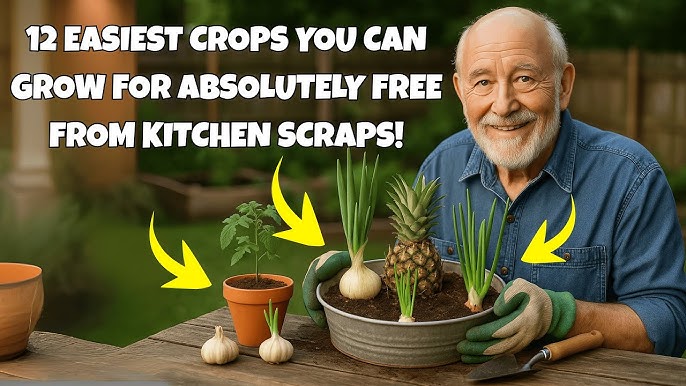
Have you ever wondered if those leftover kitchen scraps could turn into something amazing? What if you could grow fresh herbs, vegetables, or even fruits right from the peels and stems you usually toss away?
Imagine saving money, reducing waste, and enjoying homegrown food all at the same time. You’ll discover simple, practical ways to transform your kitchen scraps into thriving plants. Get ready to unlock the hidden potential in your everyday leftovers and make your kitchen more productive than ever.
Keep reading—you won’t want to miss these easy tips!
Common Kitchen Scraps To Grow
Many common kitchen scraps can grow into fresh plants. Growing from scraps saves money and reduces waste. It also provides fresh greens right at home. These scraps are easy to grow and need little space.
Vegetable Scraps
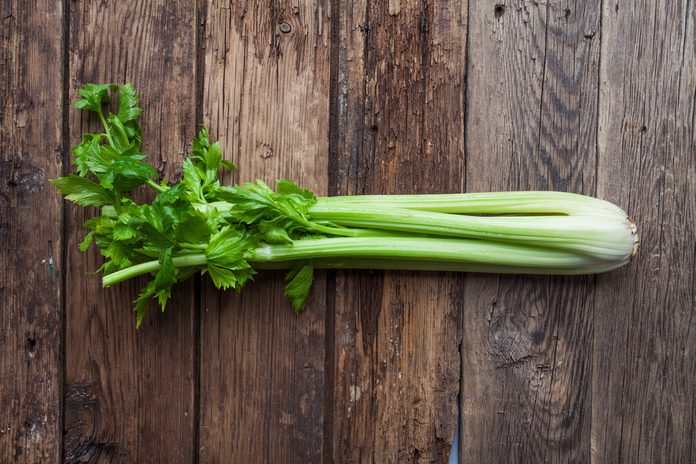
Vegetable scraps like carrot tops, celery bases, and potato eyes grow well. Save the bottom part of celery and place it in water. Carrot tops regrow small leaves quickly. Potato eyes sprout new shoots if left in soil. Green onions regrow from their white roots. These scraps need light and water to grow.
Herb Stems
Herb stems from parsley, basil, and cilantro regrow easily. Cut a healthy stem and place it in water. Roots will start growing in a few days. Transplant the stem into soil once roots grow strong. Herbs need sunlight and regular watering to thrive. Growing herbs from stems gives fresh flavor for cooking.
Fruit Seeds And Peels
Fruit seeds from apples, lemons, and avocados sprout with care. Clean seeds and plant them in moist soil. Peels from pineapples can grow new plants if planted correctly. Some seeds take weeks to sprout, so patience is key. Fruit plants need warmth and sunlight to grow well.
Credit: www.familyhandyman.com
Simple Methods For Regrowth
Growing plants from kitchen scraps is simple and rewarding. It saves money and reduces waste. There are easy ways to regrow vegetables and herbs using scraps. These methods need minimal tools and space. Anyone can try them at home or in small gardens.
Water Propagation
Water propagation is a popular way to grow plants from scraps. Place the base of a vegetable or herb in water. Change the water every few days to keep it fresh. Roots will start to grow in one to two weeks. This method works well for green onions, lettuce, and celery.
Use a clear glass or jar to watch the roots develop. Keep the container in a sunny spot but out of direct sunlight. Once the roots are strong, transfer the plant to soil for better growth.
Soil Planting
Planting scraps directly in soil helps plants grow strong. Cut the scrap to include the root or base. Place the scrap in moist soil with the cut side down. Cover lightly with soil and water gently.
This method suits plants like carrots, beets, and potatoes. Keep the soil damp but not wet. The scrap will start sprouting leaves in a few weeks. Soil planting gives plants more nutrients than water alone.
Using Containers And Jars
Containers and jars are perfect for small spaces. Choose containers with drainage holes or add some holes yourself. Use pots, recycled jars, or plastic containers. Fill them with potting soil and plant your scraps.
This method lets you move plants easily. It also keeps the growing area neat. Containers work well for herbs like basil, mint, and parsley. Make sure containers get enough light and water regularly.
Easy Plants From Scraps
Kitchen scraps like carrot tops, potato eyes, and green onion roots can grow new plants easily. Growing from scraps saves money and reduces food waste. Many common vegetables regrow quickly with simple care.
Growing plants from kitchen scraps is simple and rewarding. You can turn waste into fresh produce. This practice helps reduce waste and saves money. Let's explore some easy plants you can grow from scraps.
Green Onions
Green onions regrow quickly from scraps. Cut the green tops, leaving roots intact. Place the roots in a glass of water. Ensure the roots are submerged. Put the glass on a sunny windowsill. In a week, new shoots will appear. Harvest and enjoy fresh green onions.
Lettuce And Leafy Greens
Lettuce regrows easily from the base. Save the bottom inch of your lettuce. Place it in a shallow bowl of water. Position the bowl in sunlight. Change the water every couple of days. New leaves will sprout soon. Perfect for fresh salads.
Garlic And Shallots
Garlic and shallots grow well from cloves. Plant a garlic clove in soil, root side down. Keep it in a sunny spot. Water sparingly to avoid rot. Watch as new shoots appear. Shallots grow similarly. Enjoy fresh garlic and shallots in your dishes.
Tomato And Pepper Seeds
Tomato and pepper seeds sprout with ease. Save seeds from ripe fruits. Dry them on a paper towel. Plant seeds in small pots with soil. Water regularly and keep warm. Seedlings will emerge in days. Transplant them outdoors when ready. Enjoy a bountiful harvest.

Credit: www.everydaycheapskate.com
Tips For A Thriving Scrap Garden
Growing plants from kitchen scraps is a fun and eco-friendly way to garden. To help your scrap garden thrive, certain care tips make a big difference. Understanding the needs of your plants ensures healthy growth and better yields.
Light And Temperature Needs
Most kitchen scrap plants need plenty of light. Place them near a sunny window or under grow lights for 6 to 8 hours daily. Maintain a warm temperature around 65-75°F for best growth. Avoid cold drafts or sudden temperature changes. Some plants like green onions and lettuce prefer cooler spots, around 60-65°F.
Watering And Care
Keep the soil moist but not soggy. Water scraps gently to avoid washing away soil. Check soil moisture daily by touching the top layer. Use a spray bottle for delicate seedlings. Remove dead leaves or roots to prevent rot. Rotate containers to promote even growth and strong stems.
Preventing Pests And Diseases
Inspect plants regularly for pests like aphids or fungus gnats. Use natural pest control methods such as neem oil or insecticidal soap. Avoid overwatering to reduce mold and root rot. Clean containers and tools to prevent disease spread. Healthy plants resist pests better, so keep them strong with good care.
Benefits Of Growing From Scraps
Growing plants from kitchen scraps offers many benefits. It turns waste into a resource. This simple practice helps the environment and your wallet. It also supports a more sustainable lifestyle. Here are some key advantages of growing from scraps.
Reducing Food Waste
Kitchen scraps often end up in the trash. Growing from scraps lowers the amount of wasted food. It gives new life to parts usually discarded. This reduces the volume of organic waste in landfills. Less waste means fewer greenhouse gases from decomposition. It is a small step that helps the planet.
Saving Money
Growing from scraps cuts down on seed and plant purchases. You reuse what you already have at home. This reduces the need to buy new plants or vegetables. It saves money on groceries and gardening supplies. Even small savings add up over time. This method makes gardening more affordable for everyone.
Promoting Sustainability
Using kitchen scraps promotes a circular way of living. It supports natural cycles of growth and decay. This method reduces the need for chemical fertilizers and pesticides. It encourages self-sufficiency and less reliance on store-bought products. Growing from scraps helps build a greener, cleaner world.
Common Challenges And Solutions
Growing plants from kitchen scraps is rewarding but not without its hurdles. You might notice your plants aren’t thriving as expected or face issues that seem tricky to solve. Understanding common challenges and how to tackle them can help you turn scraps into a flourishing mini garden.
Slow Growth Issues
It’s frustrating to wait and see little progress from your kitchen scrap plants. Slow growth often happens because scraps don’t get enough nutrients or sunlight.
Try these tips to speed things up:
- Place your scraps near a bright window for at least 6 hours of light daily.
- Add a bit of compost or diluted liquid fertilizer to boost nutrients.
- Make sure the water is fresh and not stagnant; change it every few days if growing in water.
Have you noticed your green onions or celery just sitting still? Adjusting light and nutrients could be the nudge they need.
Root Rot And Mold
Root rot and mold are common enemies when growing from scraps, especially in damp conditions. Overwatering or poor drainage creates a perfect home for these problems.
Here’s how you can prevent and fix them:
- Use containers with drainage holes if growing in soil.
- Don’t let water sit too long if you’re regrowing in water; refresh it regularly.
- If you spot mold, gently rinse the scrap and transfer it to clean water or fresh soil.
Have you ever seen fuzzy white patches on your scraps? Acting quickly can save your plants from decay.
Limited Space Options
Space can be a big challenge, especially in small kitchens or apartments. However, growing from scraps doesn’t need much room.
Consider these space-saving ideas:
- Use vertical planters or hanging containers to maximize height.
- Try growing scraps in small jars on windowsills.
- Group several scrap plants together in one larger container to save space and create a mini indoor garden.
Could your kitchen window ledge become a lush green spot? Small changes in how you use space can make a big difference.
:strip_icc()/bhg-cutting-lettuce-end_2ZRev9wCagGAGiHwW9Eef1-a66ffed870644628bb06a480ae4eb419.jpg)
Credit: www.bhg.com
Frequently Asked Questions
What Kitchen Scraps Can I Grow Into New Plants?
You can grow green onions, garlic, lettuce, celery, and potato scraps. These scraps regrow easily in water or soil, making them ideal for beginners.
How Do I Regrow Vegetables From Kitchen Scraps?
Place scraps like green onion roots or lettuce bases in water. Change water every few days. Once roots develop, transplant to soil for continued growth.
Which Fruits Can I Grow From Kitchen Leftovers?
Avocado pits, lemon seeds, and pineapple crowns are common fruits to grow. Clean the seeds, soak if needed, then plant in soil with proper care.
Can I Grow Herbs From Kitchen Scraps?
Yes, herbs like basil, mint, and rosemary regrow well from cuttings. Place stems in water until roots appear, then plant in soil for fresh herbs.
Conclusion
Growing plants from kitchen scraps saves money and reduces waste. You can regrow many vegetables and herbs with little effort. It’s fun to watch scraps turn into fresh food again. This simple habit helps the environment and your health. Start small and enjoy the process of growing at home.
Everyone can try it, no special tools needed. Give kitchen scraps a second life and enjoy fresh greens. Gardening from scraps brings joy and fresh flavors to your kitchen.