
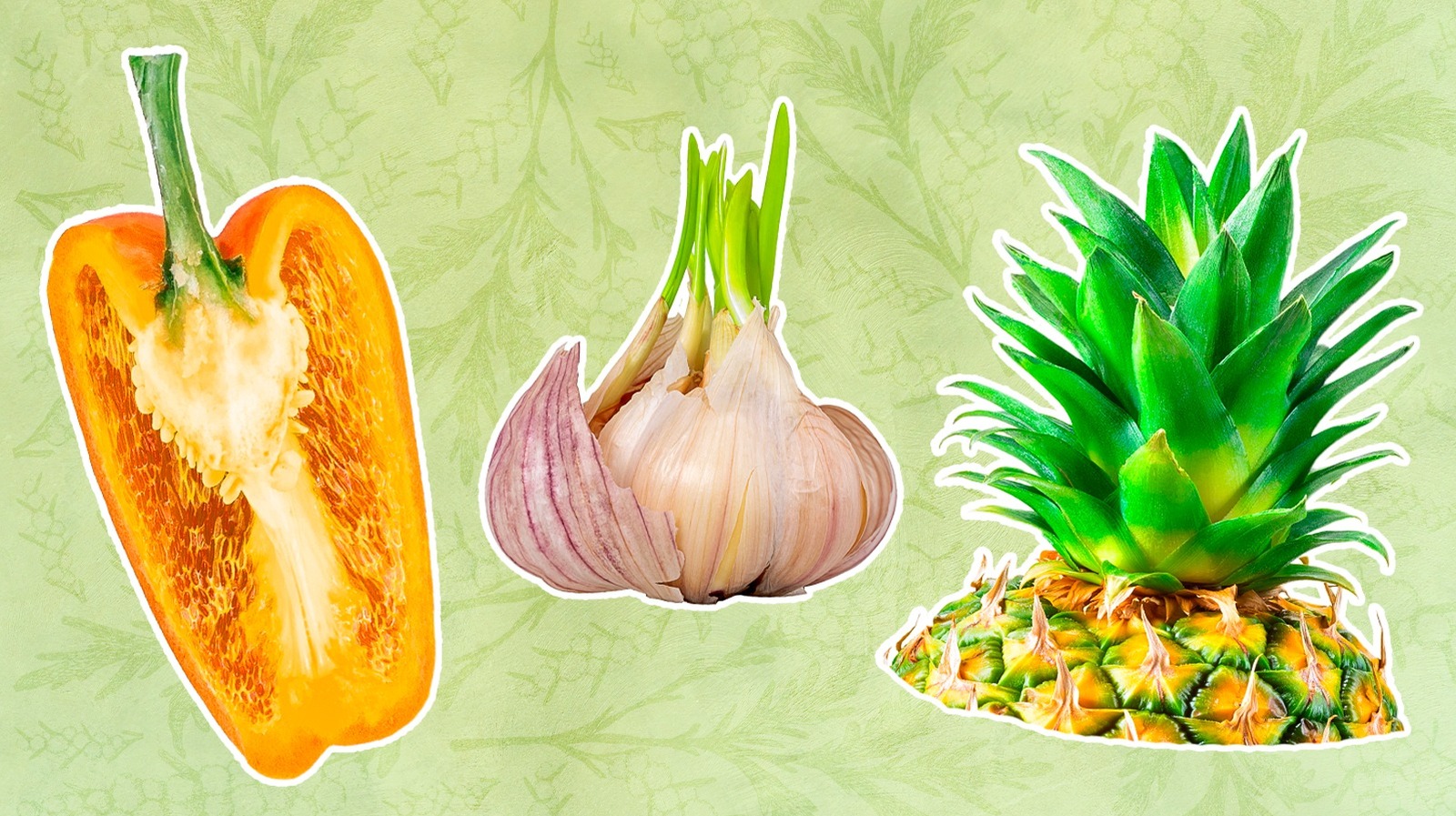
Have you ever wondered if the scraps you toss in the trash could actually grow into fresh, tasty food? What if you could save money, reduce waste, and enjoy homegrown veggies all from leftovers in your kitchen?
You’re about to discover simple and surprising ways to regrow common kitchen scraps right on your windowsill. Keep reading, and you’ll learn exactly how to turn peelings and stems into a thriving mini garden that keeps giving back. Ready to unlock the secret to regrowing food from your own kitchen?
Let’s dive in!
Common Kitchen Scraps To Regrow
Many kitchen scraps you usually toss away have the potential to grow into fresh, new plants. Regrowing from scraps not only reduces waste but also saves money and brings a bit of green into your home. You might be surprised how simple it is to start a mini garden with items you already have in your kitchen.
Vegetable Scraps That Grow
Vegetables like green onions, celery, and lettuce are some of the easiest scraps to regrow. Just place the roots or the base in a shallow dish of water, and watch new growth appear within days. I once regrew green onions on my windowsill, and they kept giving me fresh stalks for weeks—no soil needed at first.
- Green onions: Place the white roots in water; new shoots will sprout quickly.
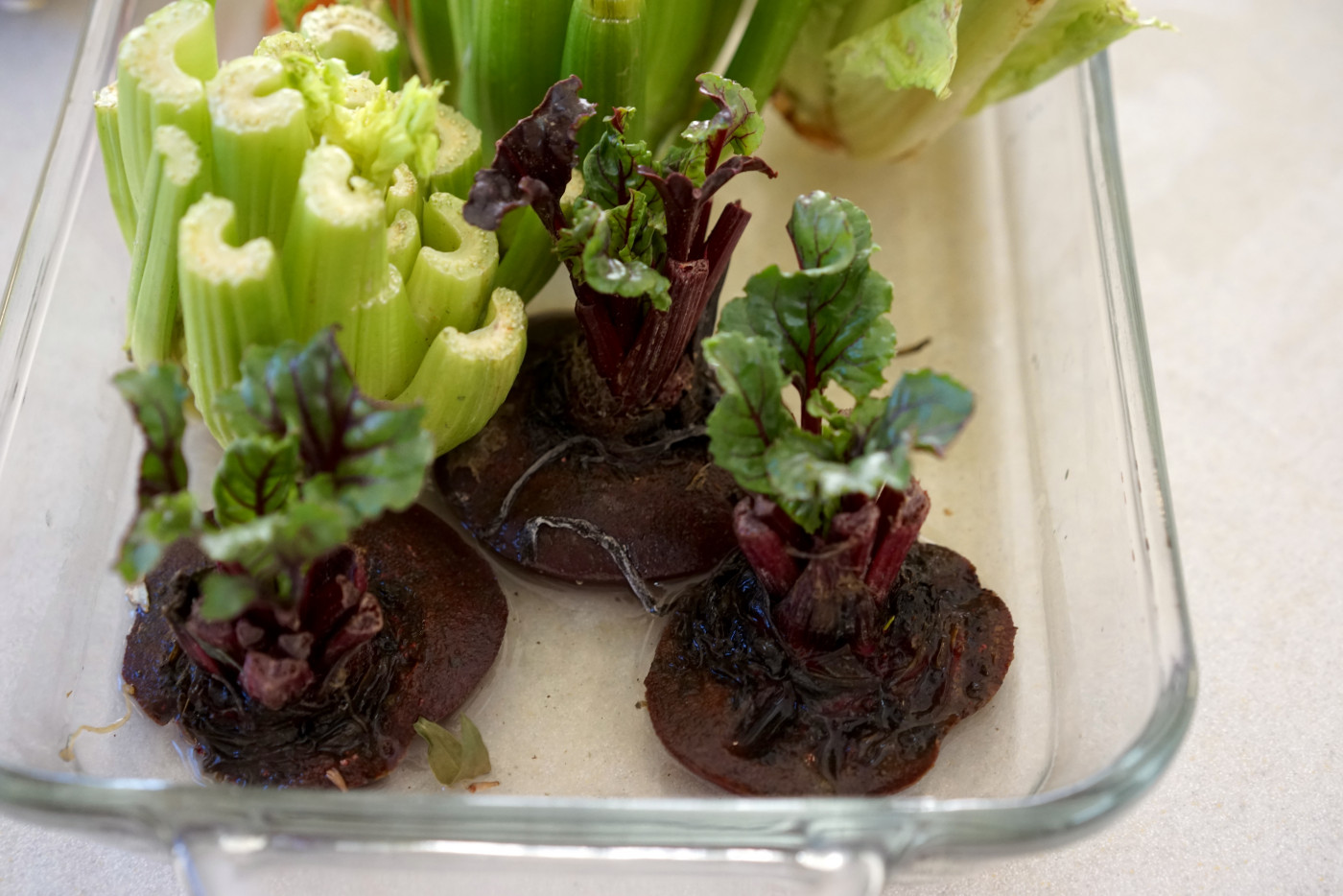
- Celery: Cut the base and soak it; fresh leaves grow from the center.
- Lettuce: Similar to celery, use the base to regrow leaves.
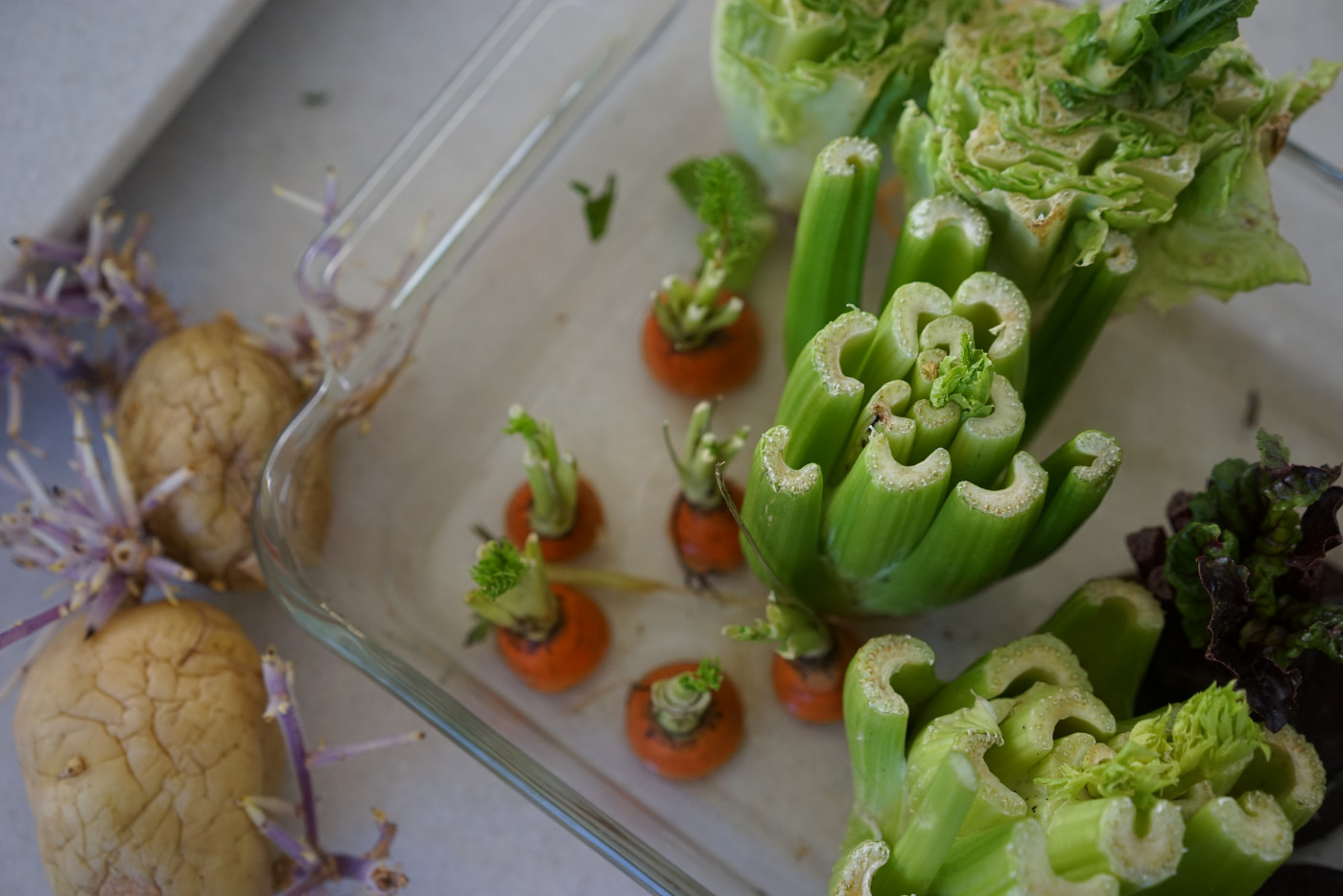
- Carrot tops: While carrots themselves don’t regrow, the tops produce lovely greens.
Herbs From Kitchen Waste
Herbs like basil and mint can be regrown from cuttings you would normally discard. Simply place a few inches of the stem in water until roots develop, then transfer them to soil. I’ve found this method works best with soft-stemmed herbs, and it’s a great way to keep your favorite flavors fresh year-round.
- Basil: Cut a stem just below a leaf node and root it in water.
- Mint: Thrives when regrown from cuttings in water or soil.
- Cilantro and parsley: These can regrow but need more patience and good light.
Fruit Seeds And Pits
Fruit seeds and pits like those from avocados, apples, and peaches can sprout into new plants with some care. Growing fruit trees from seed takes longer, but it’s rewarding to see the slow progress. Have you ever tried planting an avocado pit? It starts with suspending the pit in water using toothpicks, and soon roots and shoots emerge.
- Avocado pits: Suspend in water until roots and stems grow.
- Apple seeds: Need to be dried and sometimes chilled before planting.
- Peach and cherry pits: Require patience but can grow into trees.
Credit: www.gardenary.com
Simple Regrowing Techniques
Regrowing plants from kitchen scraps is easier than many think. Simple techniques can turn leftover vegetable ends into thriving new plants. You don’t need fancy tools, just a bit of care and patience.
Water Propagation Methods
Water propagation is a straightforward way to start regrowing. Place scraps like green onion roots or celery bases in a glass of water. Change the water every few days to keep it fresh and prevent mold.
Within a week, you’ll see roots and shoots emerging. This method works well for herbs like basil or mint too. Have you tried watching roots grow through clear containers? It’s surprisingly satisfying!
Soil Planting Tips
Once roots appear, moving your plants into soil boosts growth. Use loose, well-draining soil to avoid waterlogging. Gently plant the roots or stems at the right depth, usually covering about half the plant.
Water the soil lightly but regularly. Avoid overwatering as it can cause rot. A small pot or container with holes at the bottom works perfectly for your regrown plants.
Light And Temperature Needs
Light is crucial for your regrowing success. Place plants where they get bright, indirect sunlight. Direct sun can be too harsh, especially for tender new shoots.
Keep temperatures steady, ideally between 65-75°F (18-24°C). Most kitchen scraps prefer warmth but avoid hot spots near heaters. How does adjusting light and temperature affect your plant’s growth?
Best Vegetables To Regrow
Regrowing vegetables from kitchen scraps is a rewarding way to reduce waste and enjoy fresh produce right at home. Some vegetables regrow faster and more reliably than others, making them perfect choices for your regrowing adventures. Focusing on these best vegetables can boost your confidence and give you tasty results without much hassle.
Green Onions And Leeks
Green onions are among the easiest vegetables to regrow. Simply place the white root ends in a glass of water and watch green shoots appear in just a few days. Leeks work similarly, offering a longer harvest if you let them grow in soil after roots develop.
One time, I left green onion scraps on my kitchen windowsill, and within a week, I had fresh greens to add to my salads and soups. Do you realize how much money you could save by regrowing these staples instead of buying new bunches each week?
Lettuce And Cabbage
Cut the base of a head of lettuce or cabbage and set it in shallow water. New leaves will sprout from the center within a week or two. Although the regrown leaves might not form a full head, they are perfect for salads or sandwiches.
When I tried this, I was surprised at how many times I could harvest small fresh leaves from the same scrap. Have you ever considered how much fresh salad you could have on hand from just one head of lettuce?
Carrot Tops And Celery
Carrot tops won’t regrow the carrot itself, but they produce edible green leaves that add flavor to soups and salads. Just place the tops in a bowl with a little water and keep them in sunlight. Celery stalk bases also regrow when placed in water, developing new shoots and roots within days.
Watching celery come back to life from a kitchen scrap is oddly satisfying and saves you trips to the store. How many other vegetables do you think you toss that could give you a second chance in your garden?
Regrowing Herbs Easily
Imagine having a constant supply of fresh herbs right from your kitchen window. Regrowing herbs from scraps not only saves you money but also brings a sense of accomplishment. It's surprisingly easy, even for those who claim to have a 'black thumb'. Let's dive into some of the simplest herbs you can regrow with just a few kitchen scraps and a little patience.
Basil And Mint
Both basil and mint are incredibly forgiving when it comes to regrowing. Start with a cutting that has at least a few leaves on it.
- Place the cutting in a glass of water, ensuring the leaves are above the waterline.
- Position the glass on a sunny windowsill.
- Change the water every few days to prevent stagnation.
Within a week, roots should begin to form. Once they're a few inches long, transfer the cutting to a pot with soil. You'll soon have fresh basil or mint to enhance your dishes.
Cilantro And Parsley
Cilantro and parsley might seem delicate, but they are quite resilient. Use the lower stems with at least two inches of length.
- Place the stems in a small jar with water, similar to basil and mint.
- Ensure they get indirect sunlight.
- Refresh the water every few days to keep it clean.
Roots will appear in about two weeks. Transplant them into soil once roots are sturdy. You'll never have to rush to the store for these herbs again.
Chives And Green Garlic
Chives and green garlic are perfect for regrowing, especially if you love adding a fresh kick to your meals. Begin with leftover bulbs or the white part of the chives.
- Submerge the roots in a small cup of water.
- Keep them in a sunny spot, ideally on your kitchen counter.
- Change the water every few days.
New shoots will appear quickly, often within days. Once they're a few inches tall, you can snip what you need and watch them continue to grow.
Which herb will you start regrowing today? With minimal effort, you can have a thriving indoor herb garden that enhances your culinary creations and brightens your kitchen space.
Fruit Scraps With Growth Potential
Fruit scraps often end up in the trash, but many contain hidden potential to grow new plants right in your kitchen or garden. By saving certain parts like pits, crowns, and seeds, you can start your own mini orchard or garden without buying new plants. This not only saves money but also gives you the satisfaction of nurturing something from what seemed like waste.
Avocado Pits
Avocado pits are surprisingly easy to regrow. After enjoying your avocado, clean the pit and suspend it over water using toothpicks so the bottom half is submerged. Within a few weeks, you’ll see roots and a sprout begin to form.
Keep the water fresh and place the pit in a sunny spot. Once the stem grows several inches, you can plant it in soil. Have you ever thought about growing your own avocado tree from a pit sitting on your kitchen counter?
Pineapple Crowns
Don’t toss the leafy top of a pineapple. This crown can grow into a new pineapple plant with some care. Simply cut off the crown, remove the bottom leaves, and let it dry for a day or two.
Then place it in water or directly into soil, ensuring it gets plenty of sunlight. The roots will develop in a few weeks, and with patience, you might harvest your own pineapples. Would you try growing this tropical fruit in your home garden?
Citrus Seeds
Citrus seeds from oranges, lemons, or limes can also sprout into new trees. Clean the seeds thoroughly and plant them in moist soil. Keep the soil warm and moist, and soon you’ll see tiny green sprouts.
Though it takes time for citrus trees to bear fruit, the process is rewarding and educational. What if your next citrus tree started right from the seeds inside your morning orange?
Credit: www.gardenary.com
Tips For Successful Regrowth
Regrowing plants from kitchen scraps can be rewarding, but success depends on a few key factors. Paying attention to the quality of your scraps, how you care for them, and avoiding common pitfalls will boost your chances of seeing new growth. Let’s dig into practical tips that will help you turn leftover pieces into thriving plants.
Choosing Healthy Scraps
Select scraps that are fresh and free from disease or damage. Wilted or moldy pieces rarely regrow well and can introduce problems to your growing setup.
For example, a crisp green onion base will sprout quickly, while a slimy one will just rot. Look for firm, vibrant scraps with roots or growth nodes intact—they hold the best potential.
Have you noticed how some parts of a vegetable regrow faster than others? Focus on those—like the bottom of a celery stalk or the root end of a carrot—to get better results.
Maintaining Proper Moisture
Water is critical, but so is balance. Too much water can cause rot, while too little stops growth.
Keep your scraps moist by placing them in shallow water or damp soil. Change the water every couple of days to prevent bacteria buildup.
Using a spray bottle to mist leaves helps maintain humidity without drowning the plant. You want the environment to feel fresh, not swampy.
Avoiding Common Mistakes
Many people rush the process or neglect their scraps, leading to failure. Patience is key—some plants take weeks to sprout new growth.
Avoid crowding scraps together; they need space to breathe and grow. Also, don’t expose them to direct, harsh sunlight too soon—it can dry them out quickly.
Have you tried regrowing scraps only to see them turn brown or mushy? It might be time to adjust your water changes or light exposure. Small tweaks can make a big difference.
Creative Uses For Regrown Plants
Regrowing plants from kitchen scraps offers more than just a way to reduce waste—it opens up a world of creative uses that benefit your daily life. By giving these scraps a second chance, you can add freshness to your meals, beautify your indoor spaces, and practice gardening that respects the environment.
Fresh Ingredients For Cooking
Imagine having a small supply of fresh herbs or veggies ready whenever you need them. Regrowing green onions, lettuce, or celery from scraps means you can snip off what you need without rushing to the store. This not only saves money but also ensures your meals have that crisp, garden-fresh taste.
You can experiment by regrowing basil or mint to add a burst of flavor to your dishes. Keep a jar of water with herb cuttings on your windowsill, and watch how quickly they turn into handy cooking companions. Have you tried adding freshly regrown herbs to your salads or homemade sauces yet?
Indoor Gardening Projects
Using kitchen scraps for indoor gardening brings life to your living space. Small pots filled with regrowing plants make attractive decor and teach you about plant growth firsthand. Starting with scraps like garlic cloves or ginger roots can be surprisingly rewarding.
These projects can be a fun way to involve family or kids in gardening. You get to witness transformation—from a leftover piece of food to a thriving plant. What if your next indoor garden was planted from the remains of your last meal?
Sustainable Gardening Practices
Regrowing plants from scraps reduces the need for new seeds and cuts down on food waste. It helps close the loop in your kitchen by turning what would be trash into a resource. This practice lessens your environmental impact and promotes mindful consumption.
Composting scraps you can’t regrow complements this approach, making your garden even greener. Have you considered how much waste you could divert by regrowing instead of discarding? Every small plant you nurture contributes to a healthier planet.

Credit: www.everydaycheapskate.com
Frequently Asked Questions
What Kitchen Scraps Can You Regrow Easily At Home?
You can regrow green onions, lettuce, celery, and garlic from scraps. These grow quickly with minimal care and space.
How Long Does It Take To Regrow Vegetables From Scraps?
Most kitchen scraps take 1 to 3 weeks to show regrowth. Factors like light, water, and temperature affect growth speed.
Can Regrowing Scraps Save Money On Groceries?
Yes, regrowing scraps reduces waste and cuts costs. It provides fresh herbs and veggies without frequent store trips.
What Are The Best Vegetables To Regrow In Water?
Green onions, celery, and lettuce regrow well in water. They need a sunny spot and fresh water every few days.
Conclusion
Regrowing plants from kitchen scraps saves money and reduces waste. Many vegetables like green onions, lettuce, and potatoes grow easily at home. It takes just a little water and sunlight to start new life. This simple habit helps the environment and makes your kitchen more lively.
Give it a try and enjoy fresh greens every day. Small steps lead to big changes in your garden and your life. Why not start today?