
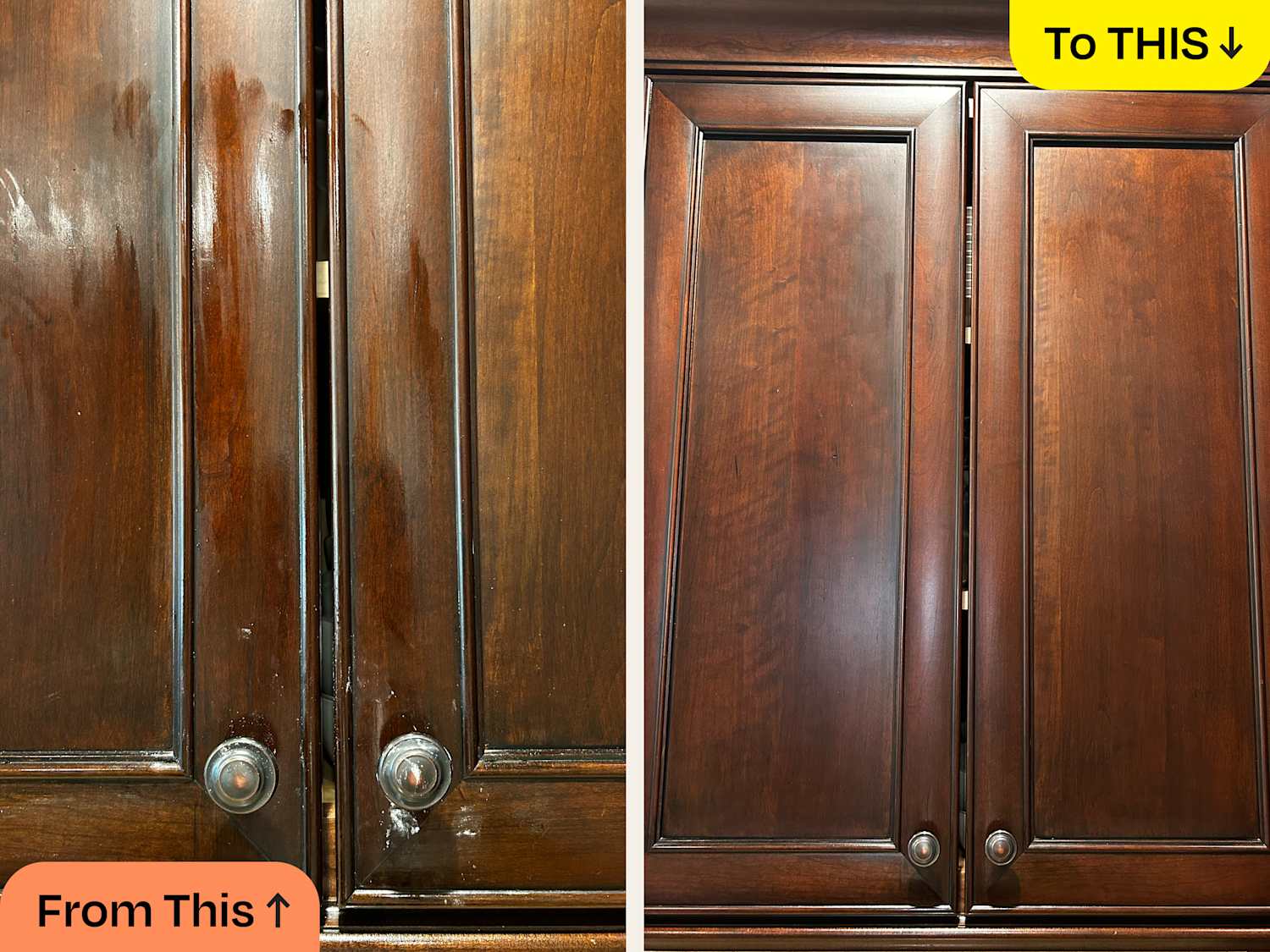
Are your kitchen cabinets looking sticky or grimy because of stubborn grease? You’re not alone.
Grease buildup can make your cabinets look dull and dirty, no matter how often you wipe them down. But don’t worry—cleaning grease off your kitchen cabinets doesn’t have to be a tough or frustrating task. You’ll discover simple, effective ways to get your cabinets shining like new again.
Keep reading, and you’ll learn the secrets to tackling grease quickly and easily, saving you time and effort while bringing back the fresh feel of your kitchen.

Credit: currently.att.yahoo.com
Common Causes Of Grease Buildup
Grease buildup on kitchen cabinets is a common problem. It happens over time and makes cabinets look dirty and sticky. Understanding what causes grease buildup helps to clean and prevent it better.
Cooking Residue And Steam
Cooking releases oil and grease into the air. These tiny particles settle on cabinet surfaces. Steam from boiling or frying carries grease to cabinets. Over time, the residue forms a sticky layer. This layer attracts more dirt and dust, making cabinets look grimy.
Lack Of Regular Cleaning
Without regular cleaning, grease builds up quickly. Wiping cabinets once in a while is not enough. Grease sticks more firmly if left too long. Small spills and splashes add to the problem. Regular cleaning removes grease before it hardens.

Credit: currently.att.yahoo.com
Choosing The Right Cleaning Agents
Choosing the right cleaning agents plays a key role in removing grease from kitchen cabinets. Different cleaners work better on various cabinet materials and grease levels. Selecting the proper cleaner protects cabinet surfaces and makes cleaning easier. It also prevents damage and keeps cabinets looking fresh longer.
Some cleaners are gentle and natural, while others are strong and commercial. Homemade solutions offer a budget-friendly and effective alternative. Understanding these options helps pick the best one for your kitchen needs.
Natural Cleaners
Natural cleaners are safe for most cabinet finishes. They use ingredients like vinegar, lemon juice, and baking soda. These substances break down grease without harsh chemicals. Natural cleaners are eco-friendly and gentle on hands. They work well for light grease and regular cleaning.
Commercial Degreasers
Commercial degreasers are powerful and designed for tough grease. They contain strong solvents and surfactants to cut through thick grime. Use them carefully on cabinets that can handle harsh chemicals. Always follow product instructions to avoid damage. Commercial degreasers save time on heavy-duty cleaning jobs.
Homemade Solutions
Homemade solutions combine common household items for effective grease removal. Mixing vinegar and water or baking soda paste works well. These mixtures are affordable and easy to prepare. Homemade cleaners offer a balance between natural and commercial options. They provide a safe way to tackle moderate grease build-up.
Step-by-step Cleaning Process
Cleaning grease off kitchen cabinets requires a clear process to avoid damage. Follow these steps carefully for best results. Each step helps remove grease while protecting cabinet surfaces.
Preparing The Area
Clear the space around your cabinets. Remove items on or near cabinet doors. Lay down old towels or newspapers to catch drips. Wear gloves to protect your hands from cleaning agents.
Applying The Cleaner
Choose a gentle grease cleaner or make a mix of warm water and mild dish soap. Use a soft cloth or sponge to apply the cleaner. Work in small sections to prevent the cleaner from drying too fast. Let the cleaner sit for a few minutes to break down the grease.
Scrubbing Techniques
Use a soft-bristle brush or non-abrasive sponge for scrubbing. Move in circular motions to lift grease gently. Avoid harsh scrubbing that can damage the cabinet finish. Focus on edges and corners where grease builds up the most.
Rinsing And Drying
Wipe the cabinets with a clean, damp cloth to remove residue. Rinse the cloth often to avoid spreading grease. Dry the cabinets immediately with a soft towel to prevent water spots. Leave cabinets open for air drying if possible.
Tips For Maintaining Grease-free Cabinets
Grease can build up quickly on kitchen cabinets, making them look dirty. Use warm water mixed with mild soap or vinegar to wipe away grease gently. Regular cleaning prevents buildup and keeps cabinets fresh and shiny.
Maintaining grease-free kitchen cabinets can be challenging. Frequent cooking and frying can lead to grease buildup. This not only affects the look but also the longevity of your cabinets. Regular maintenance is key to ensuring your cabinets stay clean and beautiful. Here are some practical tips for keeping your kitchen cabinets free from grease.
Regular Wiping Habits
Wipe your cabinets daily with a damp cloth. This prevents grease buildup. Use a gentle soap solution for stubborn spots. Avoid harsh chemicals; they can damage the finish. A simple vinegar-water mix works wonders. It cleans without leaving residue. Always dry with a clean towel. This avoids water spots.
Using Protective Finishes
Consider applying a protective finish to your cabinets. It creates a barrier against grease and stains. Choose a finish suitable for your cabinet material. Follow the application instructions carefully. This can extend the life of your cabinets. Regularly reapply the finish for continued protection.
Ventilation Improvements
Ensure your kitchen has proper ventilation. Use a range hood while cooking. It reduces grease particles in the air. Keep windows open when possible. This helps air circulation. Clean the filters in your range hood regularly. It maintains its efficiency. Good ventilation keeps your kitchen fresh and reduces grease deposits.
Avoiding Damage During Cleaning
Cleaning grease off kitchen cabinets can quickly turn from a simple chore into a frustrating task if you end up damaging the surfaces. Cabinets often have delicate finishes that harsh cleaning tools or chemicals can ruin. Protecting your cabinets starts with knowing what tools and products won’t harm them while effectively removing grease.
Safe Tools To Use
Soft microfiber cloths are your best friends when tackling grease. They trap dirt without scratching surfaces, making them ideal for cabinets. Sponges with a gentle side can also work well, but avoid anything too abrasive.
Avoid scrub brushes with stiff bristles. They may scratch or wear down the cabinet’s finish. Instead, use a soft-bristled brush if you need to reach corners or grooves.
Materials To Avoid
Steer clear of harsh chemicals like bleach or ammonia-based cleaners. These can strip paint or varnish, leaving your cabinets looking dull or damaged. Avoid steel wool or scouring pads; they can leave scratches that collect more grease over time.
Also, be cautious with homemade mixtures. Some popular DIY cleaners include vinegar or lemon juice, which sound natural but can eat away at finishes if left on too long. Always rinse thoroughly if you use acidic substances.
Testing Cleaners On Small Areas
Before applying any cleaner to your entire cabinet, test it on a hidden spot. This simple step helps you see how the material reacts without risking visible damage. Wait a few minutes to check for discoloration, peeling, or dullness.
Have you ever cleaned a whole cabinet only to find the finish ruined? Testing small sections first saves you that frustration. It also lets you adjust the cleaner’s strength or try a different product if needed.

Credit: www.amazon.com
Frequently Asked Questions
What Is The Best Cleaner For Greasy Kitchen Cabinets?
The best cleaner for greasy kitchen cabinets is a mixture of warm water, dish soap, and vinegar. This solution cuts through grease effectively without damaging cabinet surfaces. Use a soft cloth to wipe and avoid harsh chemicals that can strip finishes.
How Can I Remove Grease Buildup Naturally?
To remove grease buildup naturally, use baking soda and water paste. Apply it to greasy spots, let it sit for 10 minutes, then scrub gently. Baking soda breaks down grease while being safe for most cabinet materials.
Can Vinegar Clean Grease Off Kitchen Cabinets?
Yes, vinegar is excellent for cleaning grease off kitchen cabinets. Its acidity dissolves grease and grime effectively. Mix equal parts vinegar and water in a spray bottle, spray on cabinets, wipe with a microfiber cloth for best results.
How Often Should I Clean Greasy Kitchen Cabinets?
You should clean greasy kitchen cabinets weekly to prevent buildup. Regular cleaning keeps cabinets looking fresh and reduces tough grease stains. Wipe down with a mild cleaner or vinegar solution to maintain cleanliness.
Conclusion
Grease on kitchen cabinets can be tough to clean. Using simple household items like vinegar, baking soda, or mild soap works well. Gently scrub and rinse to avoid damage. Regular cleaning stops grease buildup and keeps cabinets fresh. A little effort makes your kitchen shine.
Keep cleaning tools handy and act quickly after cooking. Clean cabinets look better and last longer. Simple steps bring a big difference to your kitchen’s look and feel.