
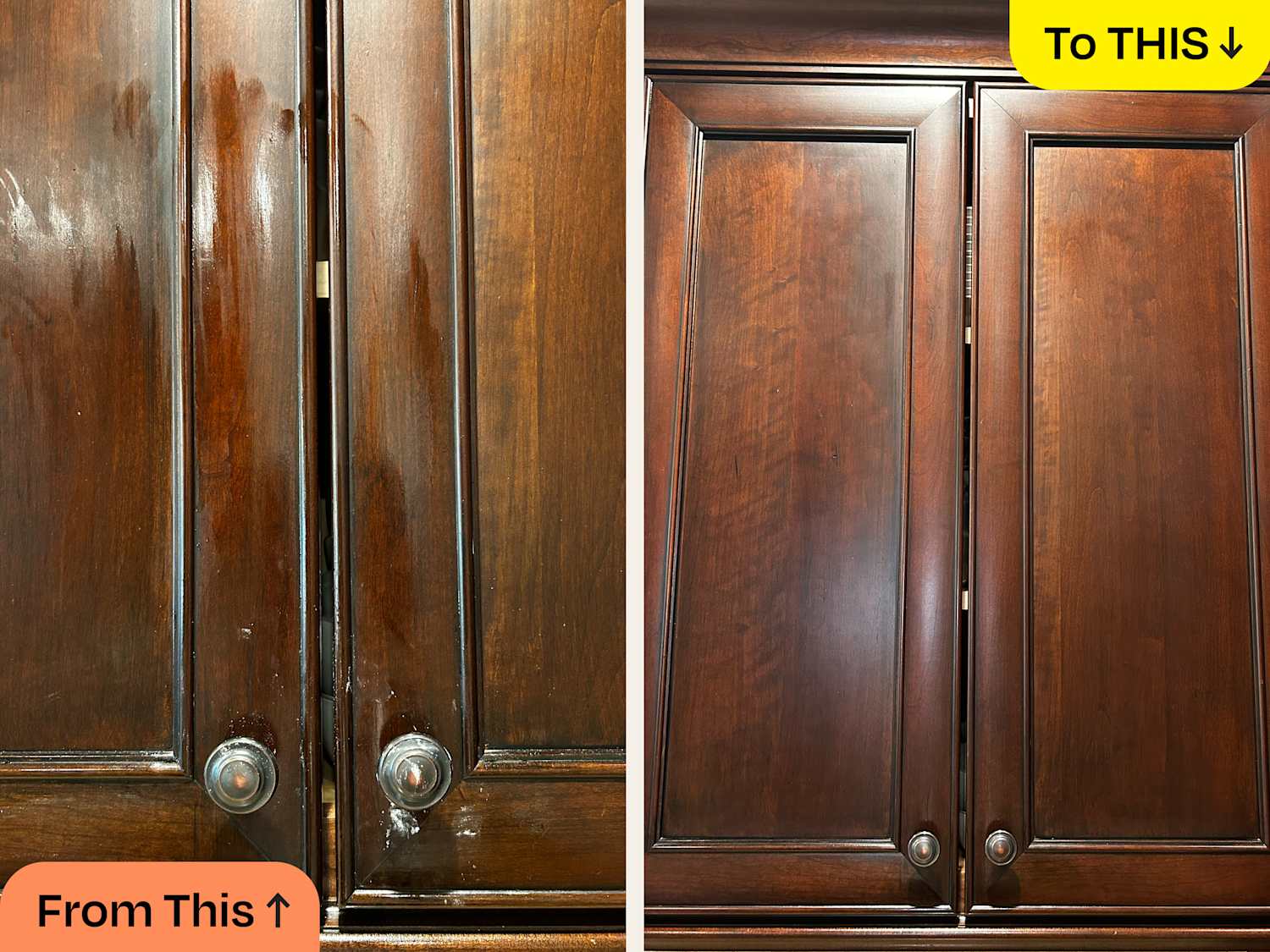
Are you tired of staring at stubborn grease stains ruining the look of your kitchen cabinets? You’re not alone.
Grease can build up quickly, making your cabinets look dirty and worn out, no matter how often you clean. But don’t worry—there are simple, effective ways to get rid of that greasy film and bring back the shine to your kitchen.
Keep reading to discover easy solutions that will save you time and effort, so your cabinets look fresh and spotless again.
:max_bytes(150000):strip_icc()/SPR-how-pro-cleaners-clean-a-sink-11781060-6d7babfdf0074ca79564864a6c7325dd.jpg)
Credit: www.thespruce.com
Common Causes Of Grease Build-up
Grease build-up on kitchen cabinets happens over time. It makes cabinets look dirty and sticky. Understanding why grease collects helps clean it better. Several common causes lead to this problem.
Cooking Oils And Fats
Oils and fats from cooking float in the air. They land on cabinet surfaces around the stove. Over time, these oils stick and form a greasy layer. The heat from cooking makes this layer harder to remove.
Steam And Smoke
Steam carries tiny droplets of grease. Smoke from frying or grilling contains grease particles. These particles settle on cabinets and mix with dust. The mix forms a stubborn greasy film that covers the wood or paint.
Touching Cabinets With Greasy Hands
Hands often carry grease after cooking. Touching cabinets transfers this grease to the surface. Frequent contact spreads the grease and builds it up. It also leaves fingerprints and smudges.
Poor Ventilation
Kitchen vents and fans help remove grease particles. Without good airflow, grease stays in the air longer. This increases how much grease lands on cabinets. Poor ventilation speeds up grease build-up.
Lack Of Regular Cleaning
Grease builds quickly without cleaning. Skipping regular wipes allows grease to harden. It becomes harder to clean and can damage cabinet finishes. Quick and frequent cleaning prevents thick grease layers.
Natural Cleaning Solutions
Natural cleaning solutions offer a gentle and effective way to remove grease from kitchen cabinets. These options use simple household ingredients that are safe and non-toxic. They clean without harsh chemicals, preserving the cabinet’s finish and your indoor air quality.
Many natural cleaners break down grease by cutting through oily residues and lifting dirt. They also leave a fresh scent and help maintain a clean kitchen environment. Using natural solutions helps keep your home safe, especially if you have children or pets.
Vinegar And Water Mix
Vinegar is a powerful natural degreaser. Mix equal parts white vinegar and water in a spray bottle. Spray the solution on greasy cabinet surfaces and let it sit for a few minutes. Wipe with a soft cloth or sponge to remove grease and grime. This mix also helps kill bacteria and leaves cabinets shiny.
Baking Soda Paste
Baking soda is mildly abrasive, perfect for scrubbing away stubborn grease. Make a paste with baking soda and a little water. Apply the paste on greasy spots and gently scrub with a sponge or cloth. Rinse with a damp cloth to remove residue. Baking soda also neutralizes odors, leaving your kitchen fresh.
Lemon Juice Benefits
Lemon juice has natural acidity that cuts through grease quickly. Apply fresh lemon juice directly to greasy areas or mix it with water for a spray. Wipe cabinets with a cloth soaked in lemon juice to remove oil buildup. The citrus scent refreshes your kitchen and helps prevent future grease stains.
Commercial Grease Cleaners
Commercial grease cleaners effectively remove tough grease from kitchen cabinets. These cleaners break down oily residues, leaving surfaces clean and shiny. Using the right cleaner helps maintain cabinets without damaging their finish.
Cleaning kitchen cabinets from stubborn grease can be daunting, but commercial grease cleaners make the task much easier. With a variety of products available, these cleaners are specifically designed to break down and dissolve greasy residues. They can transform your cleaning routine, helping you maintain a spotless and hygienic kitchen environment.
Degreasing Sprays
Degreasing sprays are a quick and effective solution for tackling tough grease stains. They come in convenient spray bottles, allowing you to target specific areas with precision. Simply spray on the affected area, let it sit for a moment, and wipe away the grease with a damp cloth. Most degreasing sprays are formulated to cut through thick layers of grease without requiring excessive scrubbing. This saves you time and effort, making them a popular choice for busy households. Keep one handy under your sink for fast clean-ups after cooking.
All-purpose Kitchen Cleaners
All-purpose kitchen cleaners offer versatility, cleaning not just grease but also other common kitchen messes. These multi-functional products are great for those who prefer a one-stop solution. They simplify your cleaning arsenal, reducing the need for multiple specialized products. Many all-purpose cleaners include grease-fighting ingredients, making them effective against stubborn residues on cabinets. Use them for regular maintenance to prevent grease buildup, ensuring your cabinets stay fresh and inviting.
Eco-friendly Options
Are you concerned about using harsh chemicals in your kitchen? Eco-friendly grease cleaners provide a powerful yet gentle alternative. These products are made from natural ingredients, ensuring they are safe for both your family and the environment. Eco-friendly options often use plant-based solvents to break down grease, offering peace of mind for health-conscious consumers. They are perfect for those who want effective cleaning without compromising on sustainability. Try incorporating them into your cleaning routine for a greener approach to kitchen maintenance. Choosing the right commercial grease cleaner can transform your cleaning routine. Which type will you try first to keep your kitchen cabinets sparkling clean?
Tools For Effective Cleaning
Cleaning grease off kitchen cabinets needs the right tools. Using suitable tools helps remove sticky grime without damaging surfaces. Choose tools that are gentle yet effective for thorough cleaning. The right tools save time and keep cabinets looking fresh.
Soft Cloths And Sponges
Soft cloths and sponges are gentle on cabinet surfaces. They absorb cleaning solutions well, making grease removal easier. Use them with warm water and mild detergent for best results. Avoid rough materials that might scratch or damage finishes.
Scrub Brushes
Scrub brushes help remove tough, baked-on grease. Choose brushes with soft to medium bristles to protect cabinet surfaces. They reach into crevices and textured areas effectively. Use with care to avoid scratching or peeling paint.
Microfiber Towels
Microfiber towels attract and hold grease particles well. They dry quickly and leave no lint behind. Use them for wiping and polishing cabinets after cleaning. Their fine fibers work well on smooth and delicate finishes.
Step-by-step Cleaning Process
Cleaning grease off kitchen cabinets requires a clear and careful process. Following the right steps ensures a clean surface without damage. This step-by-step guide helps remove grease efficiently and safely.
Preparation And Safety Tips
Clear the area around cabinets for easy access. Remove any items on or near the cabinets. Open windows or turn on fans for ventilation. Wear rubber gloves to protect your hands. Avoid harsh chemicals that can damage cabinet finishes.
Applying Cleaners
Choose a gentle cleaner suitable for your cabinet material. Mix warm water with mild dish soap or vinegar. Dip a soft cloth or sponge into the solution. Wring out excess liquid to prevent soaking. Gently scrub the greasy spots in circular motions. For tough grease, let the cleaner sit for a few minutes.
Rinsing And Drying
Use a clean, damp cloth to wipe away cleaner and loosened grease. Rinse the cloth frequently to avoid spreading grease. Dry the cabinets immediately with a soft, dry towel. This prevents water damage and streaks. Repeat the process if grease remains after drying.

Credit: currently.att.yahoo.com
Preventing Future Grease Build-up
Grease build-up on kitchen cabinets is a common nuisance that can make your cooking space look dull and unclean. Preventing future grease accumulation not only keeps your cabinets looking fresh but also reduces the time and effort needed for deep cleaning. Simple habits and small changes can make a big difference in maintaining your kitchen’s appearance.
Regular Maintenance
Wiping your cabinets regularly prevents grease from settling and hardening. Use a mild detergent or a vinegar-water solution with a soft cloth to clean surfaces weekly. This quick routine stops grease layers from forming, so you don’t have to scrub later.
Have you tried setting a reminder for this task? It’s easier to keep up than you might think, and your cabinets will thank you.
Proper Ventilation
Good airflow is key to reducing grease particles in the air that settle on your cabinets. Turn on your kitchen exhaust fan or open windows while cooking to help carry away steam and grease. Without proper ventilation, grease lingers longer and sticks to surfaces more firmly.
Do you notice how much cleaner your kitchen feels after cooking with the fan on? That’s because you’re actively preventing grease from settling.
Using Protective Coatings
Applying a protective coating on your cabinets can create a barrier against grease. Products like clear polyurethane or specialized cabinet sealers make cleaning easier and reduce staining. Make sure to choose coatings suitable for your cabinet material to avoid damage.
Imagine wiping your cabinets with just a damp cloth and seeing grease wipe away effortlessly—that’s the power of a good protective layer.

Credit: currently.att.yahoo.com
Frequently Asked Questions
What Is The Best Cleaner For Greasy Kitchen Cabinets?
The best cleaner for greasy kitchen cabinets is a mixture of warm water, mild dish soap, and vinegar. This solution effectively breaks down grease without damaging cabinet surfaces. Use a soft cloth to gently wipe the cabinets and avoid harsh chemicals that can strip finishes.
How Do I Remove Stubborn Grease From Cabinets?
To remove stubborn grease, apply baking soda paste or commercial degreaser. Let it sit for a few minutes, then scrub gently with a soft sponge. Rinse with clean water and dry immediately to prevent damage and maintain cabinet shine.
Can Natural Products Clean Kitchen Cabinet Grease?
Yes, natural products like vinegar, lemon juice, and baking soda effectively clean grease. These ingredients break down oily residues safely and environmentally friendly. They are gentle on cabinets and safe for households with children or pets.
How Often Should I Clean Greasy Kitchen Cabinets?
Clean greasy kitchen cabinets at least once a week. Regular cleaning prevents grease buildup and keeps cabinets looking fresh. Wipe spills immediately to avoid stubborn stains and maintain a hygienic kitchen environment.
Conclusion
Grease on kitchen cabinets can be tough to clean. Use gentle cleaners like soap and warm water first. Baking soda or vinegar helps remove stubborn grease spots. Always test cleaners on a small area to avoid damage. Regular cleaning stops grease from building up again.
Keep your kitchen fresh and cabinets shiny with simple care. Clean cabinets make cooking more enjoyable and your kitchen look neat. Taking a few minutes weekly saves time later. Grease-free cabinets brighten your whole kitchen space. Simple steps work best for lasting results.