
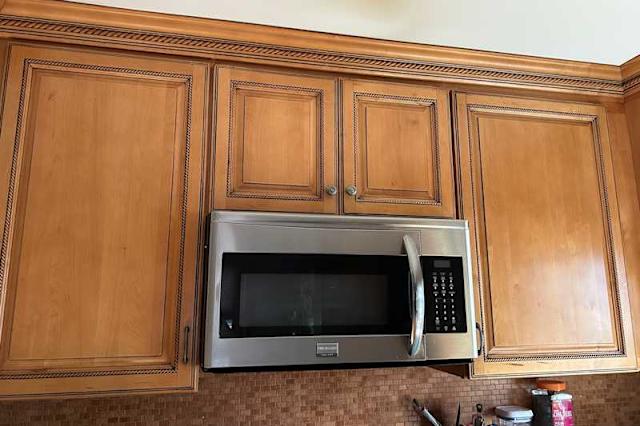
Are your kitchen cabinets looking dull or sticky? You spend a lot of time cooking and cleaning, but those cabinets often get overlooked.
Knowing what cleans kitchen cabinets effectively can save you time and keep your kitchen looking fresh. Imagine opening your cabinets and seeing them shine without any harsh chemicals or endless scrubbing. You’ll discover simple, safe, and proven ways to clean your cabinets so they look brand new.
Keep reading to find out how to make your kitchen cabinets sparkle with ease.

Credit: www.express.co.uk
Types Of Kitchen Cabinet Materials
Kitchen cabinets come in many materials. Each type needs different cleaning care. Knowing the cabinet material helps choose the best cleaning method. Some materials are delicate, while others are tough and easy to clean. Here are the common types of kitchen cabinet materials.
Wood Cabinets
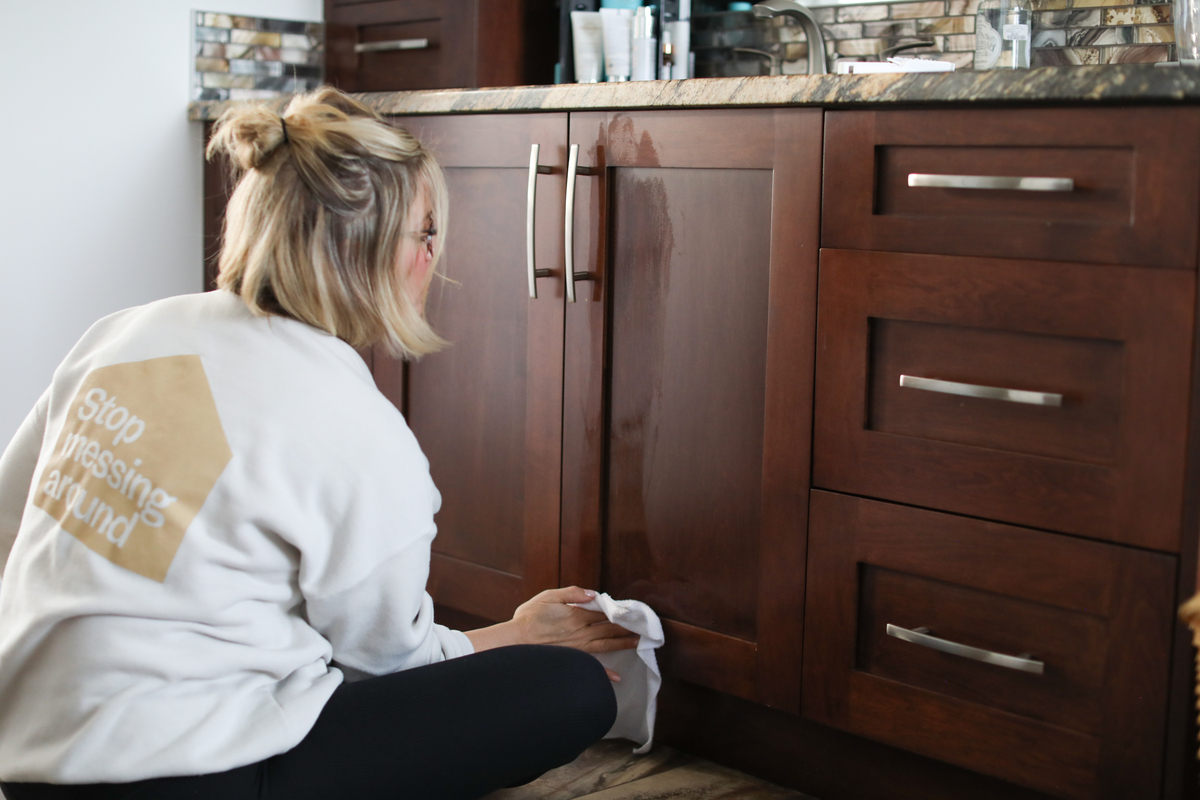
Wood cabinets offer a classic and warm look. They may be solid wood or wood veneer. Wood needs gentle cleaning to avoid damage. Use mild soap and water with a soft cloth. Avoid harsh chemicals that can strip the finish. Regular dusting keeps wood cabinets looking fresh.
Laminate Cabinets
Laminate cabinets have a smooth, plastic-like surface. They come in many colors and designs. Cleaning laminate is simple with mild detergent and water. Avoid abrasive scrubbers that can scratch the surface. Laminate resists stains but can chip if hit hard.
Metal Cabinets
Metal cabinets give a modern and industrial feel. Stainless steel is a popular choice. Clean metal with a damp cloth and gentle cleaner. Dry immediately to prevent water spots. Avoid steel wool or abrasive pads that scratch metal surfaces.
Glass Cabinets
Glass cabinets add brightness and style to kitchens. Clean glass with standard glass cleaner or vinegar solution. Use a soft cloth to avoid streaks and scratches. Check the frame material, as it may need different cleaning methods.
Credit: www.housework.com
Common Kitchen Cabinet Stains
Kitchen cabinets face a constant battle against various stains that can dull their appearance and make your kitchen look less inviting. Understanding the common types of stains can help you choose the right cleaning approach and keep your cabinets looking fresh. Let’s look at the typical culprits that cause those stubborn marks on your kitchen cabinets.
Grease And Oil
Grease and oil stains are some of the toughest to remove from kitchen cabinets. Cooking splatters and oily hands leave behind a sticky film that attracts dust and dirt. Have you noticed how these stains often accumulate around handles and near the stove? Using a gentle degreaser or a mix of warm water and dish soap usually cuts through the grease effectively without damaging the cabinet finish.
Food Residue
Food residue can be surprisingly persistent, especially if spills aren’t wiped up immediately. Sugary sauces, tomato paste, or even coffee can leave stains that dry and harden on the cabinet surfaces. Cleaning these spots with a soft cloth dampened with warm water and a mild cleaner often works well, but for tougher stains, a baking soda paste can gently lift the residue without scratching.
Water Spots
Water spots appear when moisture dries on your cabinets, often near the sink or dishwasher. These marks can dull the finish and sometimes cause discoloration if left untreated. Wiping down cabinets after cooking or washing dishes helps prevent these spots, and a vinegar solution can dissolve mineral deposits if they have already formed.
Dust And Dirt
Dust and dirt may seem harmless, but they build up quickly and make cabinets look neglected. The grime settles on surfaces and in corners, especially if your kitchen is open or you cook frequently. Regular dusting with a microfiber cloth and occasional wiping with a mild cleaner keeps your cabinets looking clean and extends their life.
Safe Cleaning Products For Cabinets
Choosing safe cleaning products is key for kitchen cabinets. Harsh chemicals can damage finishes and harm your health. Using gentle and effective cleaners keeps cabinets looking fresh and lasting longer.
Some products clean well without risking harm to wood or paint. These options also reduce exposure to toxins in your kitchen space. Safe cleaners come in different types, including natural, commercial, and homemade mixes.
Natural Cleaners
Natural cleaners use simple ingredients from your kitchen. They clean cabinets gently without harmful chemicals. Common natural cleaners include:
- White vinegar diluted with water
- Baking soda paste for tough stains
- Lemon juice to remove grease and add shine
- Olive oil mixed with vinegar to polish wood
These cleaners are eco-friendly and safe for most cabinet surfaces. Test a small area before full use to avoid damage.
Commercial Cleaning Solutions
Commercial cleaners designed for cabinets offer convenience and safety. Look for labels stating “safe for wood” or “non-toxic.” Features to consider:
- Gentle formulas that do not strip finishes
- Antibacterial properties for kitchen hygiene
- Non-abrasive ingredients to prevent scratches
- Products free from ammonia and bleach
Store-bought cleaners save time and provide consistent results. Always follow manufacturer instructions for best use.
Diy Cleaning Mixes
DIY mixes let you control ingredients and avoid harsh chemicals. Recipes combine natural cleaners for customized solutions. Examples include:
- Equal parts water and vinegar with a few drops of dish soap
- Baking soda and water paste for scrubbing
- Lemon juice mixed with olive oil for wood polishing
Make small batches to ensure freshness. These mixes are budget-friendly and simple to prepare.
Step-by-step Cleaning Process
Cleaning your kitchen cabinets might seem like a simple task, but doing it right can make a big difference in how fresh and new they look. A careful, step-by-step approach helps you avoid damage and get rid of grime effectively. Let’s break down the process into manageable parts to keep your cabinets shining and protected.
Preparation And Dusting
Start by clearing out your cabinets so you have full access to all surfaces. Use a soft cloth or a microfiber duster to remove loose dust and crumbs. Dusting first prevents dirt from turning into a sticky mess when you add liquid cleaners.
Have you noticed how often dust hides in corners and edges? Don’t forget those spots—they collect more grime than you might expect.
Removing Tough Stains
For stubborn stains, mix a gentle cleaner with warm water. Dish soap works well for everyday grease and fingerprints. Use a soft sponge or cloth to gently scrub the spots without scratching the surface.
Stains from food or oil can be tricky. If soap and water don’t do the job, try a paste made from baking soda and water. Apply it gently and rinse thoroughly to avoid residue.
Wiping And Drying
After cleaning, wipe down cabinets with a clean, damp cloth to remove any leftover cleaner. Dry the surfaces completely with a soft towel to prevent water spots and damage. Moisture left behind can lead to warping or mold growth.
Think of this step as giving your cabinets a fresh breath—dryness keeps them healthy and looking good longer.
Polishing And Protecting
Once dry, you can polish wooden cabinets to restore shine and add a layer of protection. Use a wood polish or a small amount of olive oil applied with a soft cloth. Buff gently to enhance the natural grain and keep wood from drying out.
For painted or laminate cabinets, consider a spray polish designed for those finishes. This step not only makes your cabinets look great but also helps resist future stains and fingerprints.
Tools And Supplies Needed
Cleaning kitchen cabinets effectively starts with having the right tools and supplies at hand. Without them, you might spend more time scrubbing than necessary or risk damaging your cabinets. Let’s look at the essentials that make the job easier and more efficient.
Cloths And Sponges
Soft cloths and sponges are your best friends for wiping down cabinets gently. Microfiber cloths work wonders because they trap dust and grease without scratching surfaces.
Use a damp sponge for tougher spots, but avoid abrasive ones that can wear off the finish. Have a few cloths ready so you can switch between wiping and drying.
Brushes And Scrubbers
Sometimes, dirt hides in crevices and corners where cloths can’t reach. A small brush with soft bristles can clean these hard-to-reach spots without damaging the wood or paint.
For stubborn grime, try a non-scratch scrubber. It provides extra scrubbing power without the risk of scratching. Think about your cabinet’s material before choosing the brush or scrubber.
Spray Bottles And Buckets
Spray bottles let you apply cleaning solutions evenly and prevent over-wetting your cabinets. You can mix your own cleaner at home and store it in a spray bottle for easy use.
Buckets are handy for rinsing cloths and sponges frequently, keeping your cleaning process hygienic. Choose a sturdy bucket that’s easy to carry around your kitchen.
Tips For Maintaining Sparkling Cabinets
Keeping kitchen cabinets clean enhances the beauty of your kitchen. Sparkling cabinets not only look great but also last longer. Follow these tips to maintain their shine and keep them in top condition.
Regular Cleaning Schedule
Create a routine to clean your cabinets regularly. Use a soft cloth and mild soap. Wipe down cabinet surfaces weekly to prevent grime buildup. Don't forget the handles and edges. They collect dirt easily. Consistent cleaning keeps your cabinets looking fresh.
Avoiding Damage
Use gentle cleaning solutions to protect cabinet finishes. Avoid abrasive pads that can scratch surfaces. Water can warp wood, so dry cabinets thoroughly after cleaning. Keep cabinets away from direct sunlight. It can fade their color over time.
Quick Spot Cleaning
Spills happen. Clean them immediately to avoid stains. Use a damp cloth for quick spot cleaning. A mix of vinegar and water works well for sticky spots. Always dry the area after cleaning. This simple step ensures your cabinets remain spotless.
When To Seek Professional Help
Knowing when to call in a professional for cleaning your kitchen cabinets can save you time, frustration, and even money. Some stains and damage go beyond what regular cleaning products and DIY methods can fix. Recognizing these signs early helps protect your cabinets and keeps your kitchen looking its best.
Severe Stains And Damage
Have you noticed deep grease buildup, water damage, or stubborn stains that won’t budge no matter how hard you scrub? These issues often signal that your cabinets need more than just a strong cleaner. Professionals have specialized tools and cleaning agents designed to handle tough grime without harming the cabinet’s finish.
Physical damage like cracks, peeling veneer, or warped wood also requires expert attention. Ignoring these problems can lead to costly repairs down the line. Can you really restore your cabinets to their original condition with household products alone?
Cabinet Refinishing Options
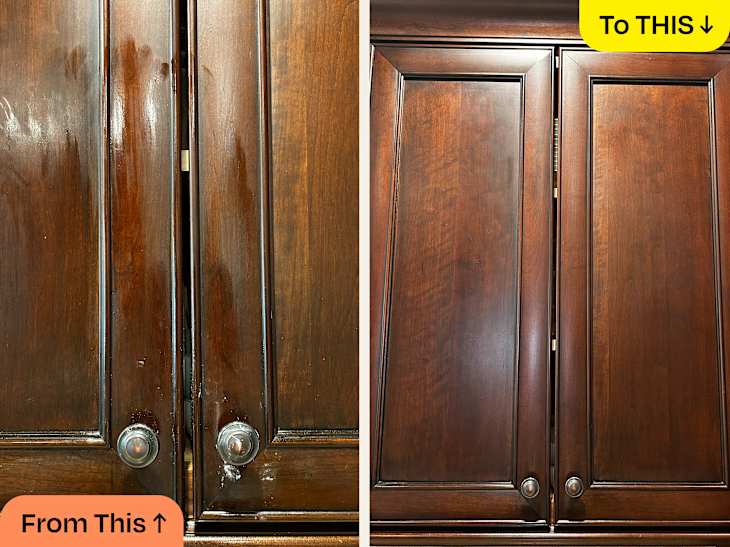
If your cabinets look worn out or outdated, professional refinishing might be the answer. This process involves sanding down surfaces, repairing damage, and applying new finishes to give your cabinets a fresh look. It’s a cost-effective alternative to full replacement and often extends the life of your cabinetry.
Experts can guide you through options like staining, painting, or adding protective coatings tailored to your kitchen’s style and use. Would you prefer a sleek modern finish or a warm, rustic feel? Choosing the right refinishing method can transform your space and increase your home’s value.
Credit: www.thekitchn.com
Frequently Asked Questions
What Is The Best Cleaner For Kitchen Cabinets?
A mild dish soap mixed with warm water is best for cleaning kitchen cabinets. It removes grease without damaging surfaces. Avoid harsh chemicals that can strip finishes or discolor wood.
How Often Should Kitchen Cabinets Be Cleaned?
Clean kitchen cabinets monthly to maintain their appearance and hygiene. Wipe spills immediately to prevent stains. Frequent cleaning prevents grease buildup and keeps cabinets looking fresh.
Can Vinegar Clean Kitchen Cabinets Effectively?
Yes, diluted white vinegar is an effective natural cleaner for kitchen cabinets. It removes grime and disinfects without harsh chemicals. Always test on a small area to avoid damage.
How Do I Clean Greasy Kitchen Cabinets?
Use a mixture of warm water, dish soap, and baking soda to cut grease. Apply gently with a soft cloth and rinse with clean water. Avoid abrasive scrubbing to protect finishes.
Conclusion
Cleaning kitchen cabinets is simple with the right tools. Use mild soap and water for most surfaces. Avoid harsh chemicals that can damage finishes. Soft cloths help prevent scratches during cleaning. Regular wiping keeps cabinets looking fresh and new. A clean kitchen feels more welcoming and organized.
Small efforts make a big difference over time. Keep these tips in mind for easy cabinet care. Your kitchen will stay neat and inviting every day.