
Choosing the right mop color for your kitchen might seem like a small detail, but it can make a big difference in keeping your space clean and organized. You want something that stands out against dirt but also fits your kitchen’s style.
Imagine grabbing your mop and instantly knowing it’s the one that will help you tackle spills and messes quickly. You’ll discover how the color of your mop can impact your cleaning routine and why picking the right shade matters more than you think.
Keep reading to find out which color mop is perfect for your kitchen and how it can make cleaning easier and more effective.

Credit: www.mnssltd.co.uk
Choosing Mop Colors
Choosing the right mop color for your kitchen helps keep your cleaning organized. It stops dirt and germs from moving between areas. Color coding makes it easy to know which mop to use for each task. It also helps maintain hygiene and prevents cross-contamination in busy kitchens. Picking the correct color mop boosts cleanliness and safety.
Color Coding Benefits
Color coding mops improves kitchen hygiene. It reduces the risk of spreading germs from one surface to another. Staff can quickly identify which mop is for floors, walls, or spills. This system lowers mistakes and keeps cleaning efficient. It also helps train new workers faster. Overall, color coding supports a safer and cleaner kitchen.
Common Mop Colors
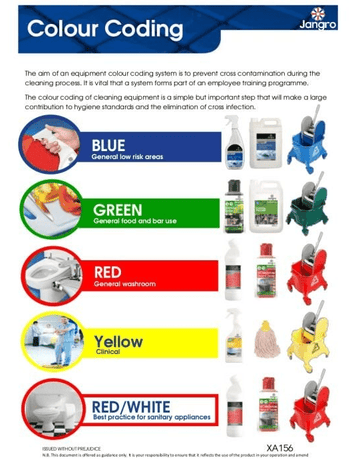
- Red:Used for high-risk areas like toilets and bathrooms.
- Blue:Suitable for low-risk areas such as dining rooms or general floors.
- Green:Assigned to food preparation zones to avoid contamination.
- Yellow:Used for cleaning areas prone to spills, like kitchens and bathrooms.
These colors help keep cleaning tasks organized. They prevent germs from spreading across different areas. Always follow your kitchen’s color coding rules for best results.
Best Mop Colors For Kitchen
Choosing the right mop color for your kitchen isn’t just about style—it impacts how well you can clean and maintain hygiene. The color affects visibility of dirt, stain management, and even the mop's versatility around your home. Picking the best mop color can make your cleaning routine easier and more efficient.
Bright Colors For Visibility
Bright-colored mops like yellow, orange, or red stand out against most kitchen floors. They help you quickly spot dirt and grime, so you know exactly where to focus your cleaning. Plus, bright colors make it harder to miss spots, especially in dim lighting or under cabinets.
Imagine using a yellow mop on dark tiles—you instantly see every smudge and crumb. This visibility can save you time and effort since you won’t be second-guessing if an area is clean. Are you ready to clean smarter by simply choosing a mop that shows dirt clearly?
Dark Colors For Stains
Dark-colored mops, such as navy blue or charcoal gray, hide stains better than lighter ones. If your kitchen cleaning routine involves dealing with stubborn stains like coffee or tomato sauce, a dark mop can look cleaner longer. This means less frequent replacement or washing of your mop head.
However, while dark colors hide grime, they can also make it harder to see if the mop is truly clean. You might want to balance this by inspecting your mop regularly. Would you rather have a mop that looks clean all the time, or one that actually is clean?
Neutral Colors And Versatility
Neutral mop colors like white, beige, or light gray offer a good balance between visibility and stain hiding. They adapt well to different kitchen styles and don’t show every speck of dirt immediately, which can be less stressful during quick clean-ups. These colors also work well if you use the mop in other rooms.
Neutral colors give you flexibility, but they require more frequent checking to ensure cleanliness. If you want a mop that blends well with your kitchen décor and stays practical, neutral tones might be your best bet. How important is versatility in your cleaning tools?
Types Of Kitchen Floors
Kitchen floors come in different materials. Each type needs a specific mop color to clean properly. Knowing your floor type helps you pick the right mop. This keeps your kitchen clean and safe.
Tile Floors
Tile floors are common in kitchens. They are hard and water-resistant. Grout lines can trap dirt and stains. A mop that shows dirt is best here. Bright colors like red or yellow help spot grime easily. This ensures thorough cleaning.
Wood Floors
Wood floors need gentle care. Water can damage wood and cause warping. Use a mop color that signals light cleaning. Soft colors like blue or green work well. They remind you to use less water and be gentle on the surface.
Vinyl And Laminate Floors
Vinyl and laminate floors are smooth and durable. They clean easily but can scratch. Choose a mop color that stands out, like orange or purple. This helps avoid missing spots or scratching the floor. It also makes cleaning more efficient.

Credit: www.amazon.co.uk
Matching Mop Color To Floor Type
Choosing a mop color that contrasts with your kitchen floor helps spot dirt easily. Light-colored mops work well on dark floors, while dark mops suit lighter tiles. This simple tip keeps your kitchen cleaner and more hygienic.
Matching the color of your mop to the kitchen floor type can enhance cleaning. Different floors have unique cleaning needs. Using the right mop color ensures effective cleaning and prevents mishaps. This approach also adds visual organization to your cleaning routine.
Preventing Cross-contamination
Color-coded mops help in preventing cross-contamination. Assign specific colors to different floor types. For instance, use a blue mop for tiles and a green one for hardwood. This method keeps germs from spreading. It ensures that each floor type gets the right cleaning attention. Consistent use of color-coded mops maintains hygiene effectively.
Enhancing Cleaning Efficiency
Using the right mop color improves cleaning efficiency. Each floor type might require a specific mop texture. A color-coded system helps in quickly identifying the correct mop. This saves time and effort during cleaning sessions. It ensures that the floors receive appropriate care. Cleaners can work faster and more effectively with this system.
Mop Material And Color Impact
Choosing the right mop for your kitchen isn’t just about picking a color that matches your decor. The material and color of the mop can significantly affect its cleaning efficiency and maintenance. Understanding how mop material interacts with color can help you maintain a cleaner kitchen and extend your mop’s lifespan.
Microfiber Mops
Microfiber mops are popular because they trap dust and dirt effectively. Their fine fibers pick up tiny particles that other materials might miss. You might notice microfiber mops often come in bright colors like blue or green, which helps you spot dirt easily and know when it’s time to clean or replace the mop head.
Bright colors also reduce the risk of cross-contamination. For example, using a blue microfiber mop exclusively for your kitchen floor can prevent germs from spreading if you also clean bathrooms with a different colored mop.
Cotton Mops
Cotton mops are highly absorbent and great for soaking up spills. However, cotton tends to show stains and discoloration more easily, especially if you pick lighter colors like white or beige. Choosing a darker color for cotton mops might keep your kitchen looking cleaner between washes.
Have you ever struggled to keep a cotton mop looking fresh? Dark colors or mixed tones can hide stains better, so your mop looks cleaner longer. This is especially helpful if you mop frequently and don’t want to wash the mop head after every use.
Sponge Mops
Sponge mops are excellent for scrubbing and picking up sticky messes. Their color often signals their intended use—yellow or green sponges can remind you to keep them in the kitchen, while blue might be reserved for bathrooms. Color-coding sponge mops helps you avoid mixing cleaning tools and spreading bacteria.
The material of sponge mops wears out differently than fiber mops, so color can also indicate when it’s time to replace the sponge. Have you checked if your sponge mop's color has faded or darkened? That’s a clear sign it’s time for a new one to keep your kitchen hygienic.

Credit: www.amazon.co.uk
Maintenance Tips For Kitchen Mops
Keeping your kitchen mop in top shape is key to maintaining a clean and hygienic kitchen. Mops often harbor bacteria and grime if not cared for properly, which can undo all your cleaning efforts. Paying attention to mop maintenance can save you money and improve your kitchen's cleanliness.
Cleaning And Drying
After each use, rinse your mop thoroughly with hot water to remove dirt and debris. Adding a little bit of mild detergent or vinegar helps break down grease and kills bacteria more effectively. Squeeze out excess water and hang the mop in a well-ventilated area to dry completely; a damp mop is a breeding ground for mold and odors.
Replacing Mop Heads
Even with good care, mop heads wear out and lose their cleaning power over time. Pay attention to frayed fibers or persistent smells that won’t go away with washing. Consider replacing the mop head every 1 to 3 months, depending on how often you use it, to keep your kitchen floors spotless and hygienic.
Storage Suggestions
Store your mop off the floor to prevent contamination and damage. Use a mop holder or hook to keep the mop head suspended and dry. Avoid leaving the mop in a bucket of water or cramped spaces, as this encourages mildew growth and shortens its lifespan.
Frequently Asked Questions
What Colour Mop Is Best For Kitchen Cleaning?
Blue or green mops are ideal for kitchens. These colours help avoid cross-contamination and are easy to identify for food-safe areas. Using specific colours for kitchen mops enhances hygiene and maintains cleanliness effectively.
Why Use Colour-coded Mops In The Kitchen?
Colour-coded mops prevent cross-contamination between different areas. This system improves food safety and keeps kitchen surfaces hygienic. It also simplifies cleaning protocols and ensures staff use the right mop for each task.
Can I Use Any Colour Mop For Kitchen Floors?
It’s not recommended to use any colour mop for kitchens. Using designated colours like blue or green ensures hygiene standards. Random colours can lead to cross-contamination and reduce cleaning efficiency in food preparation areas.
How Does Mop Colour Impact Kitchen Hygiene?
Mop colour helps separate cleaning tools for different zones. This reduces the risk of spreading germs and bacteria. Consistent use of colour-coded mops supports a safer, more sanitary kitchen environment.
Conclusion
Choosing the right mop color helps keep your kitchen clean and safe. It stops dirt and germs from spreading to other rooms. Bright colors like red or yellow work well for kitchen use. They show dirt clearly and remind you where to use them.
Keep your mop clean and replace it often for best results. A simple color choice can make a big difference in kitchen hygiene. Clean floors feel better and look great every day.