
When it comes to keeping your kitchen clean and safe, choosing the right mop color might seem like a small detail—but it’s actually very important. You might wonder, “What colour mop is used in a kitchen?” The answer can help you avoid cross-contamination and keep your cooking space hygienic.
You’ll discover why mop colors matter, how they protect your health, and which colour is best for your kitchen. Keep reading to find out how a simple choice can make a big difference in your home or business.

Credit: www.amazon.co.uk
Colour Coding In Cleaning
Colour coding in cleaning is more than just a visual aid; it’s a practical system designed to keep your kitchen hygienic and safe. By assigning specific colours to different cleaning tools, you can prevent cross-contamination, especially in areas where food preparation happens. This simple step helps maintain high cleanliness standards without confusion or extra effort.
Purpose Of Colour Coding
Colour coding makes it easy for anyone in your kitchen to know which mop or cleaning tool is used for which task. It reduces the risk of germs spreading from one area to another, protecting both your food and your health.
Imagine cleaning your mop that was used on the floor near the trash bin, then using it in the food prep area—that could lead to serious contamination. Colour coding stops this by clearly marking tools for specific zones or purposes. It also helps your team work faster and smarter because there’s no guesswork involved.
Common Colour Codes
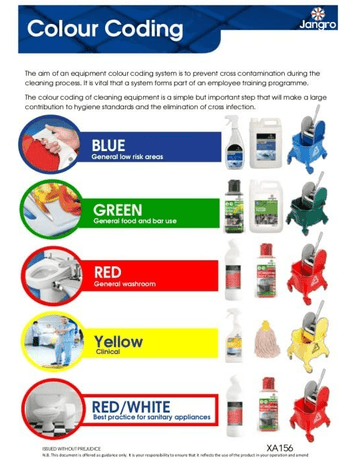
Many kitchens follow a standard colour code system for cleaning mops and other tools. Here’s a simple guide you can use or adapt:
| Colour | Use |
|---|---|
| Red | High-risk areas like toilets and washrooms |
| Blue | General low-risk areas such as dining rooms and offices |
| Green | Food preparation areas including kitchen counters |
| Yellow | Areas prone to contamination like waste disposal zones |
Choosing the right colour mop for your kitchen means you’re actively protecting the food you serve. Have you noticed how much easier cleaning becomes when everyone follows a clear colour-coded system?

Credit: www.mnssltd.co.uk
Kitchen Mop Colours
Choosing the right mop colour in a kitchen is essential for hygiene and safety. Colour coding helps keep cleaning tools separate. It reduces the risk of spreading germs and bacteria. Kitchens have different zones like food prep, cooking, and waste areas. Each area needs a specific mop colour to avoid cross-contamination.
Recommended Mop Colours
Many kitchens follow a simple colour code for mops. This helps staff know which mop to use and where. Common colours include:
- Red:Used in high-risk areas like toilets or waste zones.
- Blue:For general cleaning in low-risk areas.
- Green:Food preparation zones to keep surfaces clean.
- Yellow:For cleaning floors in cooking and service areas.
Using these colours keeps cleaning organized and safe.
Avoiding Cross-contamination
Cross-contamination spreads germs and can cause illness. Colour-coded mops stop this by separating tools. Staff must always use the correct mop colour for each area. Cleaning mops should be washed and dried after use. Replace worn-out mops regularly to maintain hygiene. Clear training on mop colours helps everyone follow rules easily.
Hygiene Standards In Kitchens
Maintaining high hygiene standards in kitchens is vital to prevent contamination and foodborne illnesses. Clean floors reduce the risk of slips and keep the environment safe. Using the correct mop color helps separate cleaning tools and avoid cross-contamination. This practice supports a healthy and sanitary kitchen environment.
Health Regulations
Kitchens must follow strict health regulations to ensure safety. Many health authorities require color-coded mops. This system helps staff identify which mop to use in specific areas. For kitchens, red or yellow mops are often designated for food preparation zones. These rules prevent bacteria spread between different spaces. Compliance with these regulations protects customers and staff alike.
Best Cleaning Practices
Use mops with colors assigned for kitchen areas only. Always clean and dry mops after use. Store mops separately by color to avoid mix-ups. Replace mops regularly to keep them effective. Train staff on the importance of mop color coding. This simple step improves kitchen hygiene and reduces contamination risks.

Credit: www.ebay.co.uk
Material And Mop Types
Choosing the right mop for your kitchen is crucial for hygiene. Different materials and types of mops suit various needs. Understanding these can help you maintain a clean kitchen environment.
Microfiber Vs Cotton Mops
Microfiber mops are popular for their superior cleaning ability. They trap dust and dirt efficiently. Microfiber also absorbs more liquid, leaving floors drier. This reduces slip hazards. Cotton mops, in contrast, are traditional and reliable. They are durable and can handle tough stains. Cotton is less expensive but may leave more water on the floor.
Choosing The Right Mop For Kitchens
Consider your kitchen floor material before choosing a mop. For tiles or laminate, microfiber offers gentle cleaning. It protects the surface while removing dirt. Cotton mops are better for heavy-duty cleaning. They work well on rougher surfaces like concrete. Color-coding mops can prevent cross-contamination. Use a specific color for kitchen areas to maintain cleanliness.
Maintenance Of Kitchen Mops
Keeping your kitchen mop in good condition is essential for maintaining a clean and hygienic kitchen environment. Regular maintenance not only extends the life of your mop but also ensures it effectively removes dirt and bacteria. Neglecting this can lead to unpleasant odors and even the spread of germs.
Cleaning And Disinfecting Mops
After each use, rinse your kitchen mop thoroughly with hot water to remove food particles and grease. Adding a small amount of detergent during rinsing helps break down stubborn residues. Once rinsed, soak the mop in a disinfectant solution—like diluted bleach or a vinegar-water mix—for at least 10 minutes to kill bacteria.
Have you ever noticed your mop smelling musty? That’s a sign it’s harboring bacteria. Make sure to wring out excess water and allow it to dry completely before storing. This simple step prevents the growth of mold and mildew.
Storage Tips
Store your kitchen mop in a dry, well-ventilated area to keep it fresh. Hanging the mop head off the ground allows air to circulate and helps it dry faster. Avoid leaving your mop in a bucket of water, as this encourages bacterial growth and damages the mop fibers.
Think about your own kitchen setup. Do you have a designated spot for your mop that allows it to dry properly? If not, setting up a dedicated mop holder can make a huge difference in cleanliness and convenience.
Implementing A Colour-coded System
Implementing a colour-coded mop system in a kitchen improves hygiene and safety. Assigning specific mop colours to areas prevents cross-contamination. This system keeps food preparation zones clean and safe for everyone.
Training Staff
Staff must understand the colour codes clearly. Conduct simple sessions explaining which mop colour to use in each area. Use visual aids like posters and charts for easy reference.
Demonstrate proper mop usage and storage. Ensure every team member knows the risks of mixing mop colours. Regular refreshers help maintain good habits and reduce mistakes.
Monitoring And Compliance
Set up regular checks to ensure staff follow mop colour rules. Use checklists to track cleaning tasks and mop usage. Supervisors should observe and give feedback on correct practices.
Encourage team members to report any issues or lapses. Reward consistent compliance to motivate staff. This keeps the kitchen environment safe and clean at all times.
Frequently Asked Questions
What Colour Mop Is Typically Used In Kitchens?
Blue mops are commonly used in kitchens to clean floors. This colour coding prevents cross-contamination. Blue indicates general cleaning areas like kitchens and dining spaces.
Why Is Mop Colour Coding Important In Kitchens?
Colour coding helps maintain hygiene by separating cleaning tools. It prevents germs from spreading between food and non-food areas. This practice is vital in kitchens for food safety.
Can I Use Any Colour Mop For Kitchen Floors?
No, using the correct mop colour is essential. Blue mops are designated for kitchen floors to avoid cross-contamination. Using the wrong colour increases health risks.
How Often Should Kitchen Mops Be Replaced?
Kitchen mops should be replaced every 3 to 6 months. Frequent use and exposure to food residues reduce their effectiveness. Regular replacement ensures cleanliness and safety.
Conclusion
Choosing the right mop color helps keep your kitchen clean and safe. Red mops often mark kitchen use, avoiding cross-contamination. This simple step supports good hygiene and food safety. Clean floors reduce slips and accidents too. Remember, clear rules about mop colors make cleaning easier for everyone.
Stick to the right color, and your kitchen stays fresh and healthy. Small details matter in busy kitchens. Keep it simple, keep it clean.