
Have you ever wondered what happens when oven cleaner touches your kitchen counters? You might think it’s a quick fix for tough stains, but the truth could surprise you.
Your counters are one of the most used surfaces in your kitchen, so protecting them is important. You’ll discover exactly how oven cleaner affects different types of countertops and what you should watch out for. Keep reading to find out how to keep your kitchen looking fresh without causing damage.

Credit: www.reddit.com
How Oven Cleaner Works
Understanding how oven cleaner works helps explain its effects on kitchen counters. Oven cleaners contain strong chemicals designed to break down tough grease and burnt food. These chemicals react with dirt to dissolve it, making cleanup easier. The same reactions can affect some countertop materials.
Chemical Composition
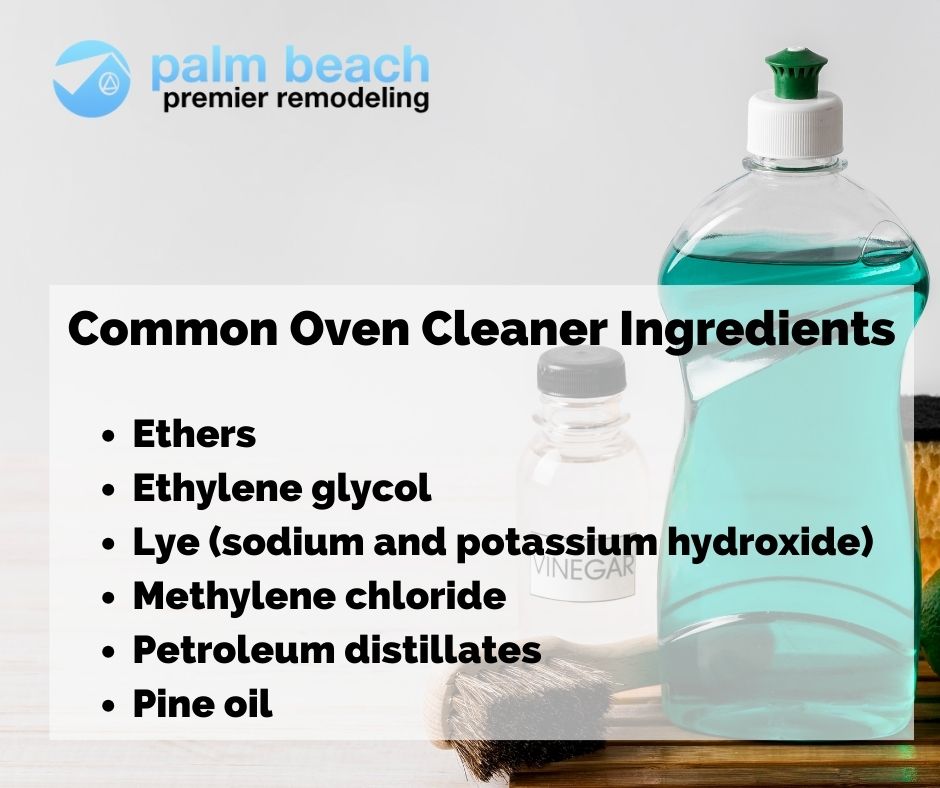
Oven cleaners usually contain powerful alkaline substances. Common ingredients include sodium hydroxide and potassium hydroxide. These chemicals have a very high pH, making them highly caustic. Other ingredients may include surfactants and solvents to help spread the cleaner and dissolve grease.
These compounds target organic matter like burnt food, grease, and oils. Their strong basic nature allows them to break chemical bonds in grime. This process changes the dirt into a softer, easier-to-wipe material.
Mechanism Of Action
Oven cleaner works by breaking down stubborn residues through a chemical reaction. The alkaline ingredients react with fats and proteins in burnt food. This reaction is called saponification, turning grease into soap and glycerol.
The cleaner also softens carbon deposits, making them easier to remove. Surfactants help lift dirt away from surfaces by reducing surface tension. This action allows the grime to be wiped off with less effort.
On kitchen counters, these chemicals can sometimes damage sensitive materials. Natural stone or sealed surfaces may react negatively to strong alkalis. Always test a small area before full use to avoid discoloration or etching.
Credit: pbphomerepair.com
Common Kitchen Counter Materials
Kitchen counters come in a variety of materials, each reacting differently to oven cleaners. Understanding these materials helps you protect your surfaces while cleaning effectively. Let’s look at how common kitchen counters respond to oven cleaner and what you should watch out for.
Granite And Marble
Granite and marble are natural stones prized for their beauty and durability. However, oven cleaners often contain strong chemicals that can damage the sealant on these stones. If you’ve ever noticed dull spots or etching after cleaning, that’s the cleaner reacting with the stone’s surface.
Always test a small area first or avoid oven cleaner altogether on granite and marble. Instead, use mild soap and water or products designed specifically for natural stone. Your counters will stay shiny and protected this way.
Laminate And Wood
Laminate counters are budget-friendly and fairly tough, but they don’t handle harsh chemicals well. Oven cleaners can cause discoloration or peeling of the laminate surface. Wood counters, on the other hand, are even more sensitive and prone to staining or warping when exposed to strong cleaners.
If you want to keep your laminate or wood counters looking great, steer clear of oven cleaner. Opt for gentle, non-abrasive cleaners and wipe spills quickly to avoid damage. Have you ever tried wiping your wooden counter with a harsh cleaner and regretted it? It’s a mistake worth avoiding.
Quartz And Solid Surface
Quartz and solid surface counters are engineered for durability and often resist stains well. Still, oven cleaners can harm their protective coating, leading to dullness or discoloration over time. These surfaces usually respond better to pH-neutral cleaners.
Consider cleaning quartz or solid surface counters with a soft cloth and a mild detergent. Keeping your counters safe means you won’t have to worry about costly repairs or replacements down the line. What’s your go-to cleaner for these surfaces?
Oven Cleaner Impact On Counter Surfaces
Oven cleaners are powerful products designed to tackle tough grease and baked-on food inside your oven. However, their strength can have unintended effects on kitchen counters if they come into contact with these surfaces. Understanding how oven cleaner interacts with different countertop materials can help you protect your kitchen from damage.
Surface Discoloration
Oven cleaners often contain harsh chemicals that can strip away the finish or color of your countertops. This leads to unsightly discoloration, especially on surfaces like laminate or painted wood. Have you ever noticed a dull, faded patch after a cleaning mishap? That’s the cleaner reacting with the surface pigments.
Granite and marble counters are not immune either; the chemicals can dull their natural shine or cause blotchy spots. It’s crucial to wipe off any spills immediately to prevent permanent color changes.
Etching And Erosion
Some countertops, particularly natural stone like marble and limestone, are sensitive to alkaline substances found in oven cleaners. These chemicals can eat away at the surface, causing etching—a rough, dull texture that’s hard to fix without professional help.
Repeated exposure may lead to erosion, where the surface wears down and becomes uneven. Do you want your beautiful counters to lose their smoothness and elegance? Avoid using oven cleaner near them or test on a small hidden area first.
Residue And Stains
Oven cleaners can leave behind sticky residues if not fully rinsed off. This residue can attract dirt, making your counters look dirty even after cleaning. On porous surfaces like wood or unsealed stone, these residues can seep in and cause staining.
Always rinse the area thoroughly with water and dry it well. If a stain does appear, try a gentle cleaner or consult a professional before applying harsh chemicals yourself.

Credit: www.reddit.com
Health And Safety Concerns
Oven cleaners contain strong chemicals that can affect your health and safety. Using them near kitchen counters needs caution. These cleaners may cause harmful reactions if not handled properly. Understanding the risks helps protect your family and home.
Toxic Fumes And Skin Irritation
Oven cleaners release fumes that can irritate your eyes and lungs. Breathing these fumes may cause coughing and shortness of breath. The chemicals can also cause skin burns or rashes if they touch your skin. Always avoid direct contact with these cleaners.
Safe Usage Tips
- Wear gloves to protect your hands from chemicals.
- Use the cleaner in a well-ventilated area to avoid inhaling fumes.
- Keep the cleaner away from kitchen counters to prevent damage.
- Rinse surfaces thoroughly with water after cleaning.
- Store oven cleaners out of reach of children and pets.
Alternatives To Oven Cleaner For Counters
Oven cleaners are powerful and effective on tough grease, but they can be too harsh for many kitchen counters. Using them on countertops can lead to discoloration, damage, or a dull finish. Luckily, there are safer and effective alternatives designed specifically for your kitchen surfaces.
Natural Cleaning Solutions
Natural cleaners are gentle yet efficient for everyday kitchen messes. Ingredients like baking soda, vinegar, and lemon juice can tackle stains and grime without harming your counters.
Try sprinkling baking soda on a damp cloth and scrubbing gently. It removes stuck-on food without scratching. Vinegar mixed with water works well to disinfect and shine, but avoid it on natural stone like granite or marble.
Have you ever noticed how lemon juice leaves a fresh scent while cleaning? It’s a great option for cutting grease and brightening surfaces. Natural solutions are affordable, easy to make, and safe around kids and pets.
Specialized Countertop Cleaners
Many brands offer cleaners made specifically for different countertop materials. These formulas balance cleaning power with surface protection to keep your counters looking new longer.
Look for products labeled safe for granite, quartz, laminate, or whatever material you have. They often include ingredients to seal pores and prevent stains.
Using a specialized cleaner can save you from costly repairs or refinishing later. It’s worth investing a bit more for a product designed to care for your counters properly.
Preventing Damage To Kitchen Counters
Oven cleaner contains strong chemicals that can damage kitchen counters by dulling or discoloring surfaces. Avoid using it on counters to keep them safe and looking new. Choose gentle cleaners instead to protect your countertop’s finish.
Preventing Damage to Kitchen Counters Oven cleaners are powerful, often containing harsh chemicals that are effective for removing stubborn grime from your oven. However, these same potent ingredients can spell disaster for your kitchen counters if not handled carefully. Understanding the right ways to prevent damage can save you from costly repairs or replacements.
Proper Cleaning Practices
To protect your counters, always read the cleaning product labels carefully. Some cleaners are specifically designed for particular surfaces and may not be suitable for your kitchen counters. Use a mild soap and warm water solution for everyday cleaning, which is gentle yet effective. When cleaning, avoid abrasive scrubbers that can scratch your counter's surface. Instead, use a soft cloth or sponge. Regularly wiping down your counters prevents grime buildup, reducing the need for harsh cleaning agents.
Protective Measures
Consider using a countertop protector or mat when using oven cleaner nearby. This simple step acts as a barrier, shielding your counter from accidental spills or splashes. If you don't have a protector, even a thick towel can serve as a temporary shield. Always ensure proper ventilation in your kitchen while using oven cleaners. This not only protects your counters but also your health. Keeping windows open can help dissipate any fumes and reduce the risk of chemical reactions on your counters. Have you ever thought about the long-term impact of cleaning products on your kitchen's surfaces? Taking preventive measures today can help maintain your kitchen's beauty and functionality for years.
Frequently Asked Questions
What Does Oven Cleaner Do To Kitchen Counters?
Oven cleaner can damage kitchen counters by causing discoloration or surface erosion. Its strong chemicals break down grease but may harm sensitive materials like granite or laminate. Always test on a small area first and avoid prolonged contact to prevent damage.
Is Oven Cleaner Safe For All Countertop Types?
No, oven cleaner is not safe for all countertops. It can harm natural stone, laminate, and some synthetic surfaces. Use cleaners specifically designed for your countertop material to avoid stains, dullness, or surface damage.
How To Protect Kitchen Counters From Oven Cleaner Damage?
To protect counters, avoid direct contact with oven cleaner. Use protective barriers like cloth or plastic sheets. Wipe spills immediately and rinse thoroughly if contact occurs. Always follow product instructions to minimize risk.
Can Oven Cleaner Cause Permanent Stains On Counters?
Yes, oven cleaner can cause permanent stains or etching on some countertops. Acidic or alkaline formulas may discolor or corrode surfaces. Prompt cleaning and testing on a small area reduce this risk.
Conclusion
Oven cleaner can harm kitchen counters if not used carefully. It may cause stains or damage the surface. Always test a small spot before full use. Use gentle cleaners made for your counter type instead. Keep your kitchen safe and clean by choosing the right products.
This protects your counters and keeps your space looking nice. Remember, careful cleaning leads to better kitchen care.