
Are you wondering what happens when oven cleaner touches your kitchen countertops? You might think it’s a quick fix to remove tough stains, but the truth could surprise you.
Your countertops are an important part of your kitchen, and using the wrong cleaner can cause damage that’s hard to fix. Before you grab that bottle of oven cleaner, it’s important to understand exactly what it does and how it affects different countertop materials.
Keep reading to learn what you need to know to protect your kitchen surfaces and keep them looking great.
How Oven Cleaner Works
Oven cleaner removes tough stains and baked-on grease with strong chemicals. It breaks down dirt and grime that regular cleaners cannot handle. Understanding how oven cleaner works helps explain its effects on kitchen countertops.
Chemical Composition
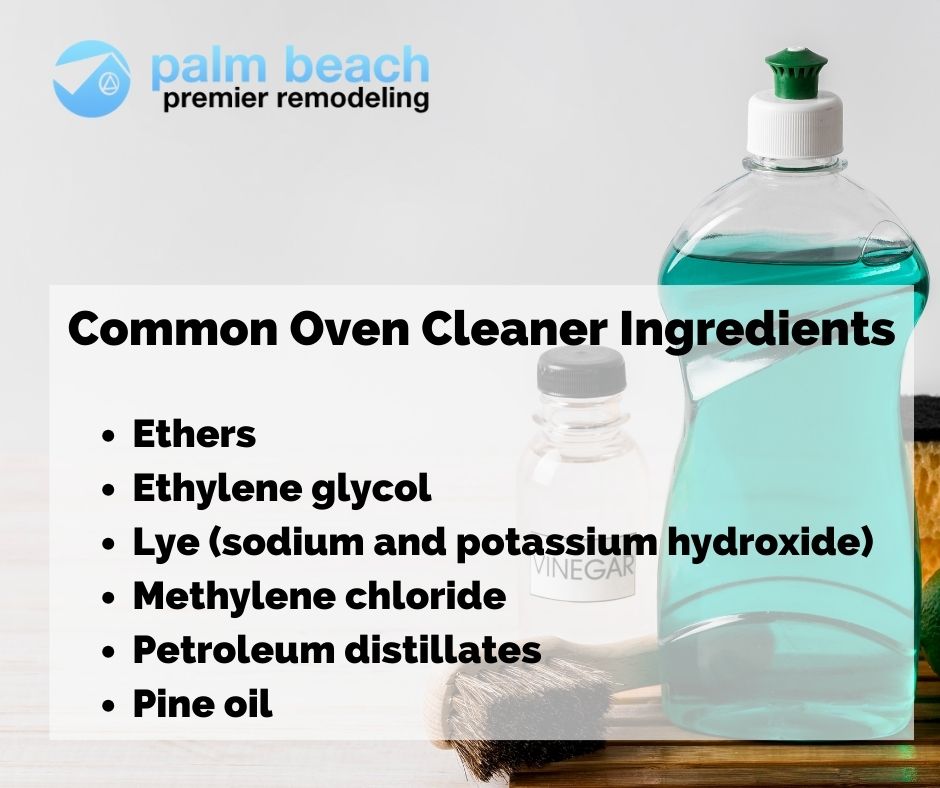
Oven cleaners contain powerful alkaline substances like sodium hydroxide. These chemicals raise the pH level to break down fats and proteins. Other ingredients may include surfactants that help dissolve grease. Some formulas also have solvents to soften tough residues.
Action On Grease And Grime
The alkaline chemicals react with grease, turning it into soap-like substances. This process is called saponification. It makes the grime easier to wipe away. Oven cleaner also breaks down burnt food particles by softening them. This action helps clear even the most stubborn stains.

Credit: www.aol.com
Common Kitchen Countertop Materials
Kitchen countertops come in many materials, each with unique qualities and vulnerabilities. Knowing what your countertop is made of can help you decide if oven cleaner is safe to use. Some materials react poorly to strong chemicals, while others can handle them with minimal risk.
Granite And Marble
Granite and marble are natural stones prized for their beauty and durability. However, their porous surfaces can absorb harsh chemicals like those found in oven cleaners, leading to dull spots or discoloration. If you’ve ever spilled something acidic on marble, you know how quickly it can etch the surface.
Using oven cleaner on these stones can strip away the protective sealant, exposing the stone to stains. Instead, opt for cleaners specifically formulated for natural stone to keep your surface shiny and intact.
Laminate And Formica
Laminate and Formica countertops are made from layers of plastic bonded to particleboard. They are budget-friendly and come in many designs but can be sensitive to strong chemicals. Oven cleaner’s harsh ingredients may cause bubbling or peeling of the laminate surface.
Have you noticed your laminate countertop looking worn after using a strong cleaner? That’s often the chemical eating away at its finish. Stick to mild, non-abrasive cleaners to maintain the surface’s appearance and durability.
Quartz And Solid Surfaces
Quartz and other solid surfaces like Corian are engineered materials known for toughness and low maintenance. They resist stains well, but oven cleaner can still damage their resin binders. This may result in dull patches or a weakened surface over time.
Think about how you clean quartz countertops daily—gentle soap and water usually do the trick. Using oven cleaner can be like using a hammer to fix a watch: too much force for a delicate job.
Wood And Butcher Block
Wood and butcher block countertops add warmth and character but require careful care. Oven cleaner’s strong chemicals can strip away natural oils and finishes, causing the wood to dry out and crack. You might end up with rough, damaged wood rather than a clean surface.
When I accidentally sprayed oven cleaner on my butcher block, the damage was immediate and visible. To avoid this, use specially designed wood cleaners and regularly oil your countertop to keep it healthy.
Effects Of Oven Cleaner On Different Countertops
Oven cleaners can be harmful to kitchen countertops. Their strong chemicals can damage many surfaces. Understanding these effects is crucial. It helps in maintaining the beauty and durability of your countertops.
Damage To Natural Stone
Natural stones like granite and marble are sensitive. Oven cleaners can strip their sealant. This leaves the stone vulnerable to stains and etching. Regular exposure can dull the stone's appearance. It may also cause discoloration over time.
Impact On Laminate Surfaces
Laminate countertops are not immune to oven cleaners. The chemicals can cause the laminate to peel. They might also lead to fading. This results in a worn-out look. The glue holding the laminate can weaken too.
Reactions With Quartz And Composites
Quartz and composite countertops are popular for their durability. Yet, oven cleaners can still harm them. The chemicals can break down the resin. This affects the surface finish. It can make the countertop look dull and lifeless.
Risks For Wooden Counters
Wooden countertops are highly susceptible. Oven cleaners can penetrate the wood. This may cause swelling and warping. The finish on the wood can also wear off. Such damage might require costly repairs or replacement.
Credit: pbphomerepair.com
Signs Of Oven Cleaner Damage
Oven cleaners are strong chemicals made to remove tough grease and grime. Using them on kitchen countertops can cause damage. Early signs of damage help you protect your surfaces and avoid costly repairs.
Watch for changes in color, texture, and surface quality. These signs show the cleaner has harmed the countertop material. Spotting damage early allows you to take action quickly.
Discoloration And Staining
Oven cleaner can remove or change the color of your countertop. Light or dark spots may appear where the cleaner touched. These stains often do not come off with regular cleaning. The surface might look uneven or blotchy. Discoloration is common on natural stone and laminate counters.
Surface Etching And Dulling
The harsh chemicals can eat away at the countertop’s finish. This leads to dull, rough patches that do not shine. The surface loses its smoothness and looks worn out. Etching is especially visible on polished stone like granite or marble. It makes the countertop look old and tired.
Texture Changes And Cracks
Oven cleaner may cause the surface to feel rough or pitted. Tiny cracks can form under the finish. These cracks weaken the countertop and trap dirt. The texture might become uneven or crumbly in some areas. This damage reduces the life and strength of your countertops.
Safe Alternatives For Cleaning Countertops
Oven cleaner is powerful but can be harsh on your kitchen countertops, sometimes causing discoloration or damage. Finding safe alternatives is key to keeping your surfaces spotless without risking harm. Let’s look at options that protect your counters while still delivering a deep clean.
Natural Cleaning Solutions
Natural cleaners are gentle yet effective. Ingredients like baking soda, vinegar, and lemon juice can remove grime without harsh chemicals.
- Baking soda paste:Mix with water to create a mild abrasive that lifts stains.
- Vinegar spray:Cuts through grease and disinfects, but test on stone surfaces first.
- Lemon juice:Brightens and deodorizes with a fresh scent.
Have you tried these in your kitchen? They often surprise with how well they work without the risks of oven cleaner.
Commercial Countertop Cleaners
Many brands offer cleaners designed specifically for countertops, balancing power and safety. Look for products labeled safe for your countertop material, whether granite, laminate, or quartz.
- Choose pH-neutral formulas to avoid etching or dullness.
- Opt for cleaners with antibacterial properties for extra hygiene.
- Read reviews and labels carefully to match the cleaner with your surface type.
Using the right commercial cleaner can save you time and worry about damage. Have you found a brand that works well for your kitchen?
Proper Cleaning Techniques
Even the safest cleaner can cause damage if used incorrectly. Always apply cleaners gently and avoid abrasive scrubbing pads.
- Use soft cloths or sponges to wipe surfaces.
- Test any cleaner in a small, hidden area first.
- Rinse thoroughly with water to remove residue that could dull your countertop.
Consider how often you clean too—frequent, gentle cleaning often beats infrequent, intense scrubbing. How might changing your cleaning habits improve your countertop’s lifespan?
Preventing Oven Cleaner Accidents
Oven cleaner is a powerful chemical designed to tackle tough grease and burnt-on food inside ovens. But if it accidentally touches your kitchen countertops, it can cause damage like discoloration or surface erosion. Preventing these accidents is essential to keep your counters looking their best while still getting your oven sparkling clean.
Proper Usage And Storage
Always use oven cleaner according to the instructions on the label. Spray it carefully inside the oven, avoiding any over-spray near your countertops.
Store oven cleaner in a cool, dry place away from kitchen surfaces and out of reach of children. This reduces the chance of spills or accidental contact.
Have you ever grabbed a cleaning product without checking the label first? Taking a moment to read directions can save your countertops from unnecessary damage.
Immediate Cleanup Tips
If oven cleaner accidentally lands on your countertop, wipe it off immediately with a damp cloth. The longer it stays, the more likely it will cause stains or etching.
Use plenty of water to rinse the area after wiping. This helps neutralize the chemical and protect your countertop’s finish.
Keep paper towels or a clean rag handy when working with oven cleaner. Quick action can prevent a small accident from becoming a costly repair.
Protective Measures For Counters
Before using oven cleaner, cover your countertops with plastic sheets or old towels. This simple barrier can prevent accidental drips and sprays.
Consider using painter’s tape to secure protective coverings so they don’t shift during cleaning. This little step keeps your counters safe without slowing you down.
Have you tried moving small appliances away from counters before cleaning? Creating a clear workspace lowers the risk of accidental spills.

Credit: www.reddit.com
Frequently Asked Questions
What Does Oven Cleaner Do To Kitchen Countertops?
Oven cleaner can damage kitchen countertops by causing discoloration and surface erosion. It contains strong chemicals that may strip finishes or etch materials like granite and marble.
Is Oven Cleaner Safe For All Countertop Materials?
No, oven cleaner is not safe for all countertops. It is especially harmful to natural stone and laminate surfaces, which can be stained or corroded by its chemicals.
How To Protect Countertops From Oven Cleaner Damage?
Always cover countertops with plastic or cloth before using oven cleaner nearby. Clean spills immediately and avoid direct contact to prevent staining and surface damage.
Can Oven Cleaner Remove Tough Stains On Countertops?
Oven cleaner may remove tough grease stains but risks damaging the countertop surface. It’s better to use products designed specifically for your countertop type.
Conclusion
Oven cleaner can damage kitchen countertops if not used carefully. Many cleaners contain strong chemicals that may harm surfaces. Always read labels and test on a small spot first. Use products made for your countertop type to stay safe. Protect your kitchen by choosing gentle cleaning methods.
Clean wisely to keep your countertops looking good longer. Safe cleaning keeps your kitchen both clean and healthy. Remember, careful use prevents unwanted damage and costly repairs.