
Have you ever wondered what really happens when you bury your kitchen scraps in the garden? You might think they just disappear or maybe even harm your plants, but the truth is far more interesting.
Understanding this process can help you turn everyday waste into a powerful tool for your soil and plants. Keep reading, because what you learn here could change the way you handle your kitchen leftovers forever—and boost the health of your garden in ways you never expected.
Decomposition Process
Burying kitchen scraps starts a natural process called decomposition. This process breaks down organic matter into simpler substances. It transforms food waste into nutrients that enrich the soil. Decomposition relies on various living organisms and environmental factors. Understanding this process helps manage waste better and supports healthy soil.
Role Of Microorganisms
Microorganisms like bacteria and fungi lead the decomposition process. They consume kitchen scraps and break them into smaller parts. These tiny organisms produce enzymes that digest food waste. Bacteria usually work first, feeding on sugars and starches. Fungi break down tougher materials like cellulose and lignin. Together, they turn scraps into nutrient-rich compounds.
Timeline Of Breakdown
The decomposition timeline depends on the type of scraps and conditions. Soft scraps like fruit peel break down in days to weeks. Harder materials like vegetable stems take longer, from weeks to months. Some items, such as bones or eggshells, may take several months. The process starts fast and slows as scraps become more stable. Eventually, scraps fully blend into the soil.
Soil Conditions Affecting Decay
Soil quality plays a big role in how fast scraps decompose. Moist soil helps microorganisms stay active and speeds up breakdown. Dry soil slows the process by limiting microbial activity. Warm temperatures boost decomposition, while cold slows it down. Well-aerated soil allows oxygen to reach microbes, aiding decay. Poor soil or compacted earth can delay decomposition significantly.

Credit: growingorganic.com
Nutrient Release
Burying kitchen scraps is a natural way to feed your soil. As these scraps break down, they release essential nutrients. These nutrients enrich the soil and support healthy plant growth. Understanding nutrient release helps gardeners improve soil health effectively.
Key Nutrients From Kitchen Scraps
Kitchen scraps contain many vital nutrients. Nitrogen helps plants grow leaves and stems. Phosphorus supports root development and flowering. Potassium improves overall plant health and disease resistance. Other minerals like calcium and magnesium also return to the soil.
- Nitrogen (N)
- Phosphorus (P)
- Potassium (K)
- Calcium (Ca)
- Magnesium (Mg)
Impact On Soil Fertility
As scraps decompose, microbes break down organic matter. This process releases nutrients slowly into the soil. It improves soil structure by increasing organic content. The soil retains more moisture and nutrients for plants. Fertile soil supports stronger roots and better plant growth.
Benefits For Plant Growth
Plants absorb the released nutrients through their roots. This leads to healthier leaves, flowers, and fruits. Nutrient-rich soil also boosts plant resistance to pests. It encourages vibrant colors and higher yields. Using kitchen scraps helps create a sustainable garden cycle.
Soil Health Improvement
Burying kitchen scraps isn’t just about reducing waste—it’s a powerful way to improve your soil’s health. As these organic materials break down underground, they enrich the soil in multiple ways. Understanding how this process works can help you make smarter choices for your garden or lawn.
Enhancing Soil Structure
When you bury kitchen scraps, they slowly decompose and add organic matter to the soil. This organic matter helps to bind soil particles together, creating a crumbly, loose texture that roots love. Have you noticed how compacted soil makes it hard for plants to grow? Adding scraps can fix that by improving aeration and root penetration.
Boosting Microbial Activity
Your kitchen scraps feed the tiny microbes living in the soil. These microbes break down the scraps into nutrients that plants can absorb easily. More microbes mean healthier soil and stronger plants. Imagine your soil as a busy city: the more active its inhabitants, the better everything functions.
Increasing Moisture Retention
Organic matter from decomposed scraps acts like a sponge, holding water in the soil longer. This means your plants get steady moisture and you don’t have to water as often. Have you ever watered your garden only to see the soil dry out quickly? Adding scraps can help change that.

Credit: www.epicgardening.com
Reducing Waste
Burying kitchen scraps helps them break down naturally in the soil. This process returns nutrients to the earth and reduces landfill waste. Over time, buried scraps enrich garden soil and support plant growth.
Reducing waste begins with small actions like burying kitchen scraps. This simple act can significantly impact the environment. By turning food waste into valuable compost, we lessen the burden on landfills. This practice supports a cleaner, healthier planet.
Cutting Landfill Contributions
Burying kitchen scraps keeps them out of landfills. Each piece of food waste diverted from trash piles reduces landfill size. Smaller landfills mean less land is used for waste storage. This change preserves natural habitats and reduces pollution.
Lowering Greenhouse Gas Emissions
Decomposing waste in landfills creates methane, a harmful greenhouse gas. Composting kitchen scraps in soil prevents methane release. Less methane in the air helps combat climate change. This approach supports a more stable climate.
Promoting Sustainable Practices
Burying scraps teaches sustainability. It's a hands-on way to see waste become resources. Families learn to value every piece of food. This practice encourages mindful consumption and waste reduction. It fosters a culture of sustainability.
Common Mistakes To Avoid
Burying kitchen scraps can enrich your soil and reduce waste. Many make mistakes that slow decomposition or attract pests. Avoid these errors to keep your garden healthy and your compost process smooth.
Types Of Scraps Not Suitable
Not all kitchen scraps break down well underground. Avoid burying:
- Meat and fish scraps—they attract animals and smell bad.
- Dairy products like cheese or yogurt—these cause odors and pests.
- Oily or greasy food scraps—these slow down decomposition.
- Large bones—they take a long time to break down.
- Citrus peels in large amounts—they can acidify soil and slow microbes.
Proper Burial Depth
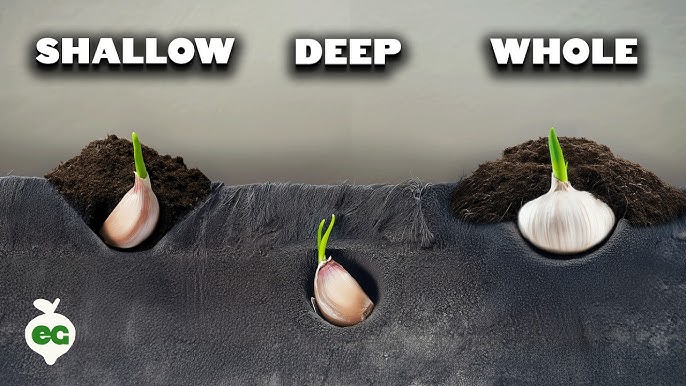
Scraps must be buried deep enough to decompose well and avoid pests. Aim for at least 6 to 8 inches below the soil surface. Shallow burial lets animals find the scraps. Deep burial helps microbes break down material faster and controls odor.
Preventing Pest Attraction
Pests like rats, raccoons, and flies are drawn to buried scraps. To keep them away:
- Cover scraps completely with soil.
- Mix scraps with dry leaves or garden waste to reduce smell.
- Use a dedicated compost bin or trench away from your home.
- Do not bury scraps near vegetable beds or pathways.

Credit: www.youtube.com
Tips For Effective Burial
Burying kitchen scraps helps enrich soil naturally. Proper burial makes decomposition faster and reduces pests. Follow these tips to get the best results from burying your scraps. Simple changes can improve soil health and garden growth.
Best Locations In The Garden
Choose spots away from plant roots to avoid damage. Loose, well-drained soil works best for faster decay. Areas with some shade prevent scraps from drying out quickly. Avoid places near vegetable beds to reduce pest attraction. Edges of garden paths often make ideal burial sites.
Combining With Other Organic Matter
Mix kitchen scraps with dry leaves or shredded paper. This balances moisture and speeds up breakdown. Avoid burying large amounts of scraps alone. Add grass clippings or small wood chips for better aeration. Proper mix prevents foul smells and attracts helpful microbes.
Seasonal Considerations
In warm months, bury scraps deeper to keep moisture in. Cold seasons slow decomposition, so chop scraps smaller. Avoid burying during heavy rain to prevent waterlogging. Spring is a good time to start burying for summer growth. Adjust burial depth and frequency depending on weather conditions.
Frequently Asked Questions
What Happens To Kitchen Scraps When Buried In Soil?
Burying kitchen scraps in soil initiates natural decomposition. Microorganisms break down the scraps into nutrients, enriching the soil. This process improves soil fertility and supports plant growth. It also reduces waste sent to landfills, promoting eco-friendly gardening practices.
How Long Do Kitchen Scraps Take To Decompose Underground?
Kitchen scraps typically take two to six months to decompose underground. Factors like soil temperature, moisture, and scrap type affect decomposition speed. Softer scraps decompose faster, while tougher materials take longer. Proper burial depth and aeration can also speed up the process.
Can Burying Kitchen Scraps Attract Pests?
Yes, burying kitchen scraps can attract pests like rodents and insects. To minimize pests, bury scraps deeply—at least 6 to 8 inches. Avoid burying meat, dairy, or oily foods, as they attract more pests. Using a compost bin with a lid can also help.
Does Burying Kitchen Scraps Improve Garden Soil Quality?
Burying kitchen scraps enriches garden soil by adding organic matter. It boosts microbial activity, improves soil structure, and increases nutrient content. This promotes healthier plant growth and better water retention. Regularly burying scraps supports sustainable gardening and reduces the need for chemical fertilizers.
Conclusion
Burying kitchen scraps helps reduce waste and enrich soil. It supports healthy plant growth by adding nutrients naturally. Small insects and microbes break down the scraps over time. This process improves soil texture and water retention. Avoid burying meat or dairy to prevent pests and smells.
Regularly turning the soil speeds up decomposition. Try burying scraps in your garden to see results. It’s a simple way to help the environment at home. Give it a try and watch your plants thrive.