
Are you tired of your kitchen sponge smelling bad or falling apart too quickly? You’re not alone.
Finding a good alternative to the traditional kitchen sponge can make your cleaning routine easier and healthier. Imagine having a tool that cleans just as well but lasts longer, feels better in your hand, and even helps reduce waste. You’ll discover simple, effective options that could change the way you clean your kitchen forever.
Keep reading to find the perfect kitchen sponge alternative that fits your needs and lifestyle.
Why Replace Kitchen Sponges
Kitchen sponges are common tools for cleaning dishes and surfaces. Still, many people choose to replace them. The main reasons involve health, hygiene, and environmental concerns. Understanding these issues helps find better alternatives.
Common Issues With Traditional Sponges
Traditional sponges wear out quickly. They tear and lose their scrubbing power. Food particles get stuck inside. This makes cleaning less effective over time.
Sponges also smell bad after a few uses. They hold water and stay damp, which is perfect for bacteria growth. This reduces their usefulness and can spread germs.
Health And Hygiene Concerns
Sponges can carry harmful bacteria. Studies show they often have more bacteria than toilet seats. This happens because sponges stay wet and trap food bits.
Using a dirty sponge spreads germs on dishes and kitchen surfaces. This can cause foodborne illnesses. Regular cleaning of sponges is hard and not always effective.
Environmental Impact
Most kitchen sponges are made from plastic materials. They do not break down easily in landfills. This adds to pollution and harms the environment.
Throwing away sponges often creates more waste. Choosing alternatives made from natural or reusable materials helps reduce this impact.
Credit: theseepcompany.com
Benefits Of Eco-friendly Alternatives
Eco-friendly alternatives to kitchen sponges offer many benefits beyond cleaning. They help reduce waste and protect the environment. Choosing these options supports a cleaner kitchen and a healthier planet.
Sustainability And Compostability
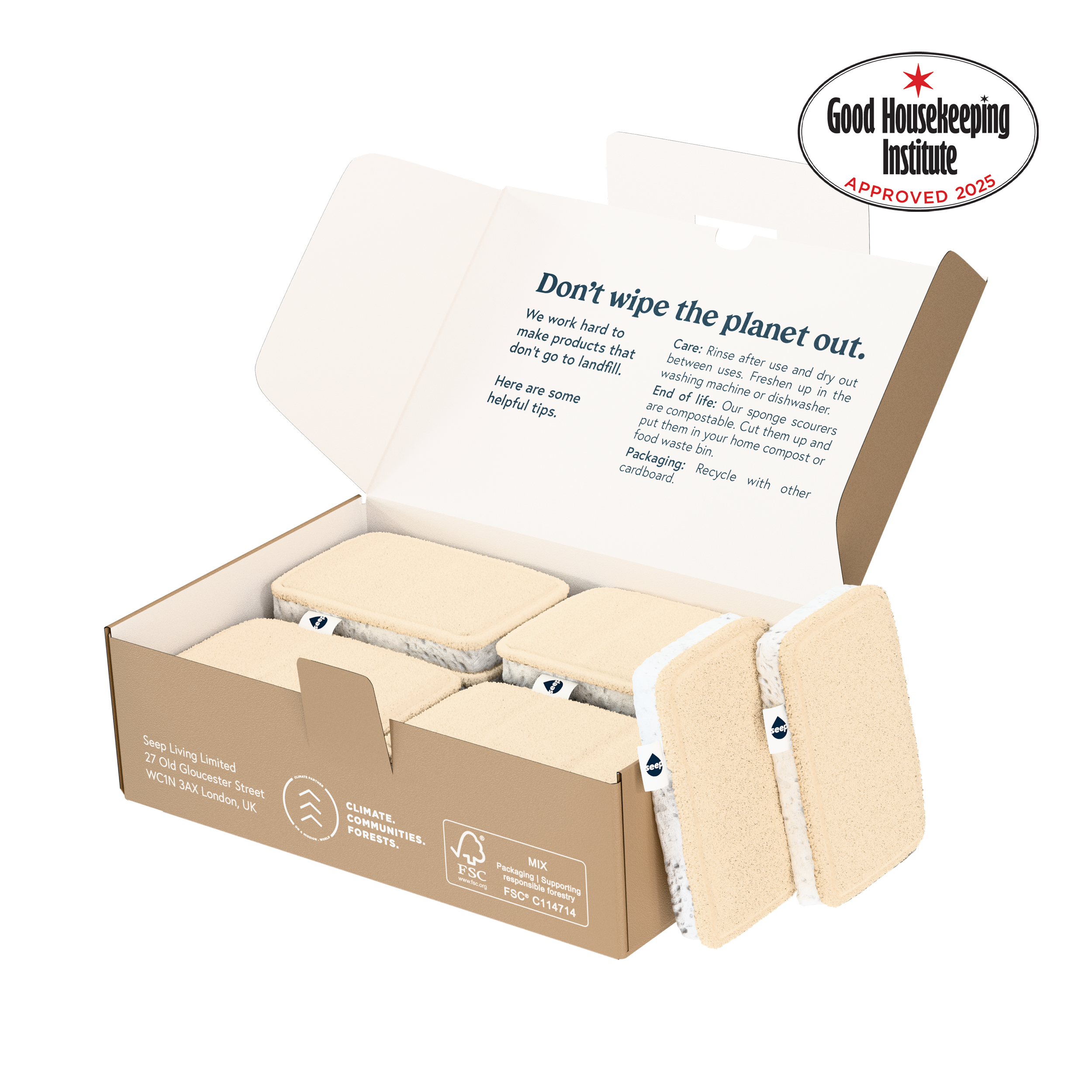
Eco-friendly sponges are made from natural materials like cellulose or coconut fibers. These materials break down easily in compost. Compostable sponges reduce landfill waste and lower pollution. They support sustainable living by using renewable resources.
Durability And Longevity
Natural sponges last longer than regular synthetic ones. They resist wear and tear better, saving money over time. Durable sponges maintain their cleaning power even after many uses. Longevity means fewer replacements and less waste.
Non-toxic Materials
Eco-friendly sponges contain no harmful chemicals or toxins. They are safe for your skin and family. Non-toxic materials prevent pollution in water systems. Choosing these sponges means a healthier home and environment.
Natural Fiber Scrubbers
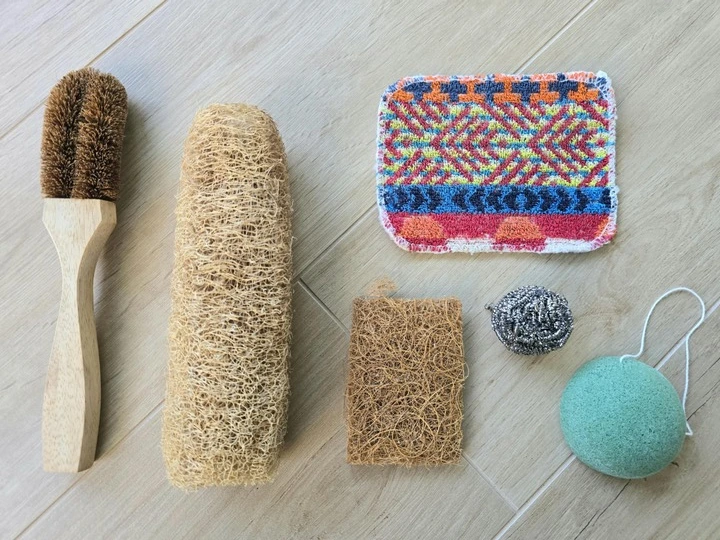
Natural fiber scrubbers offer an eco-friendly and gentle option for cleaning kitchen surfaces. They come from plants and break down easily after use. These scrubbers avoid harsh chemicals and plastic waste, making your kitchen greener. They clean well without scratching delicate pots or pans. Natural fibers also resist bacteria better than synthetic sponges.
Coconut Coir Brushes
Coconut coir brushes use fibers from coconut husks. They are tough enough for scrubbing greasy pans. The bristles hold their shape and dry quickly. These brushes last long and do not smell bad. Coconut coir is a renewable material, helping reduce plastic pollution.
Loofah Sponges
Loofah sponges come from the dried fruit of the loofah plant. They have a coarse texture that removes stuck-on food easily. Loofahs soften with water but keep scrubbing power. They are compostable and break down naturally. Many people prefer loofah sponges for light cleaning jobs.
Hemp And Jute Scrubbers
Hemp and jute scrubbers use fibers from strong plants. These scrubbers are durable and resist wear. They scrub effectively without damaging surfaces. Hemp and jute grow quickly and need little water. Their scrubbers are biodegradable and safe for the environment.

Credit: www.regn.co.uk
Reusable Silicone Scrubbers
Reusable silicone scrubbers offer a smart alternative to traditional kitchen sponges. Made from flexible silicone, they clean dishes effectively without trapping food or water. These scrubbers last longer and reduce waste, making them eco-friendly. Their unique material and design bring several benefits for everyday kitchen use.
Heat Resistance And Easy Cleaning
Silicone scrubbers handle high temperatures well. They can be boiled or placed in the dishwasher for deep cleaning. This heat resistance kills germs and removes grease easily. Unlike sponges, silicone scrubbers dry quickly, preventing mold growth. Their smooth surface also makes rinsing simple and fast.
Bacteria Resistance
Silicone is less likely to hold bacteria than sponge fibers. Its non-porous surface stops germs from hiding inside. This reduces bad odors and keeps the scrubber cleaner for longer. Regular washing keeps them safe to use. This feature helps maintain a healthier kitchen environment.
Variety Of Shapes And Sizes
Silicone scrubbers come in many shapes and sizes. Some have soft bristles, others flat or with textured surfaces. This variety suits different cleaning tasks, such as scrubbing pots or wiping counters. Small sizes fit well in hands, making cleaning easier. You can choose the best scrubber for your kitchen needs.
Cloth-based Alternatives
Cloth-based alternatives offer a soft and reusable way to clean dishes without harsh chemicals. These cloths are gentle on surfaces and easy to wash after use. They help reduce waste and keep kitchens tidy.
Cloth-based alternatives are gaining popularity as replacements for kitchen sponges. These options are eco-friendly and reusable, reducing waste significantly. They offer a variety of textures and levels of absorbency. Let's explore some popular choices.
Cotton Dish Cloths
Cotton dish cloths are a classic choice. They are soft, durable, and highly absorbent. These cloths are easy to wash and can handle multiple uses. Their natural fibers make them a sustainable choice. Cotton cloths come in various colors and patterns. They add a touch of style to any kitchen.
Microfiber Towels
Microfiber towels are excellent for their cleaning power. They can absorb up to seven times their weight in water. These towels are effective at trapping dirt and grime. Microfiber is gentle on surfaces, reducing the risk of scratches. They dry quickly, preventing bacteria buildup. Microfiber towels are long-lasting and easy to maintain.
Swedish Dishcloths
Swedish dishcloths combine the best of sponges and cloths. Made from cellulose and cotton, they are biodegradable. They are highly absorbent and dry quickly. These dishcloths are versatile, suitable for cleaning counters and dishes. One Swedish dishcloth can replace 17 rolls of paper towels. They come in fun designs, making cleaning enjoyable.
How To Care For Eco-friendly Scrubbers
Eco-friendly scrubbers are a smart choice for your kitchen, but they need proper care to stay effective and hygienic. Taking care of these scrubbers ensures they last longer and keep your dishes clean without harboring bacteria. Let’s look at practical ways you can maintain your eco-friendly scrubbers.
Cleaning And Drying Tips
Rinse your scrubber thoroughly after each use to remove food particles and soap residue. Use hot water to kill germs and keep the scrubber fresh.
Allow your scrubber to dry completely between uses. Place it in a well-ventilated area or hang it up to speed up drying and prevent mold growth.
Have you tried putting your scrubber in the dishwasher or microwave? These methods can sanitize it effectively, but check the manufacturer’s instructions to avoid damage.
Extending Lifespan
Rotate between two or more scrubbers to reduce wear and give each one time to dry properly. This simple trick can double their life span.
Use your scrubber only for its intended purpose. Avoid scrubbing tough surfaces like cast iron or grills that can tear natural fibers quickly.
Notice any fraying or breaking down? Replace your scrubber promptly to avoid spreading bacteria to your dishes.
Proper Disposal Methods
Compost your eco-friendly scrubber if it’s made from natural materials like coconut fiber or cellulose. This turns waste into nutrient-rich soil for your garden.
If composting isn’t an option, check if your local recycling program accepts the material. Avoid tossing scrubbers in the regular trash where they can take years to decompose.
What happens when you dispose of your kitchen scrubbers responsibly? You reduce landfill waste and contribute to a healthier environment—small actions with big impacts.
Where To Buy Eco-friendly Kitchen Scrubbers
Finding eco-friendly kitchen scrubbers is easier than you might think. These alternatives reduce waste and last longer than traditional sponges. Knowing where to find them can help you make a quick switch to a greener kitchen routine.
Online Marketplaces
Shopping online offers a wide variety of eco-friendly scrubbers. Websites like Amazon, Etsy, and specialty green-living shops provide options made from natural materials like coconut fiber, bamboo, or recycled fabrics.
Look for products with clear descriptions about sustainability and durability. Reading customer reviews can also give insight into how well these scrubbers perform in real kitchens. Have you checked if your favorite online store offers eco-friendly cleaning tools yet?
Local Zero-waste Stores
Local zero-waste shops are great places to find eco-friendly kitchen scrubbers. These stores often stock handmade scrubbers or brands committed to reducing plastic waste.
Visiting in person lets you feel the texture and quality before buying. Plus, you support small businesses focused on sustainability. Try asking staff for their personal favorites—they usually have honest recommendations.
Diy Options
Making your own scrubber can be a fun and rewarding way to go green. Simple materials like old cotton t-shirts, jute twine, or natural loofahs can be turned into effective scrubbers at home.
Creating your scrubber lets you customize the size and texture to fit your needs perfectly. Have you ever tried crafting your own kitchen tools? It might just be the hands-on project that helps you stick to eco-friendly habits.

Credit: www.epicurious.com
Frequently Asked Questions
What Are The Best Eco-friendly Alternatives To Kitchen Sponges?
Eco-friendly alternatives include cellulose sponges, bamboo scrubbers, and reusable silicone scrubbers. These options reduce waste and last longer. They are biodegradable or recyclable, making them great for the environment and effective in cleaning kitchen surfaces.
Can Microfiber Cloths Replace Kitchen Sponges Effectively?
Yes, microfiber cloths are highly absorbent and trap dirt well. They dry quickly and resist bacteria growth. They work great for wiping counters and washing dishes, offering a hygienic and durable alternative to traditional kitchen sponges.
How Do Silicone Scrubbers Compare To Traditional Sponges?
Silicone scrubbers are non-porous, preventing bacteria buildup and odors. They are heat-resistant and easy to clean in dishwashers. Their flexible texture removes grime without scratching surfaces, making them a durable and hygienic sponge alternative.
Are Natural Loofah Sponges Good For Kitchen Cleaning?
Natural loofahs are biodegradable and gentle on surfaces. They scrub effectively without scratching dishes or countertops. However, they dry slower than synthetic options and may wear out faster, but they remain an eco-friendly choice for kitchen cleaning.
Conclusion
Choosing a good alternative to a kitchen sponge helps keep your kitchen clean. Natural materials like cloths or brushes work well and last longer. These options reduce germs and waste. They also save money over time. Try different choices to find what fits your needs best.
Small changes make a big difference in hygiene and the environment. Keep your kitchen fresh and safe with smart cleaning tools.