
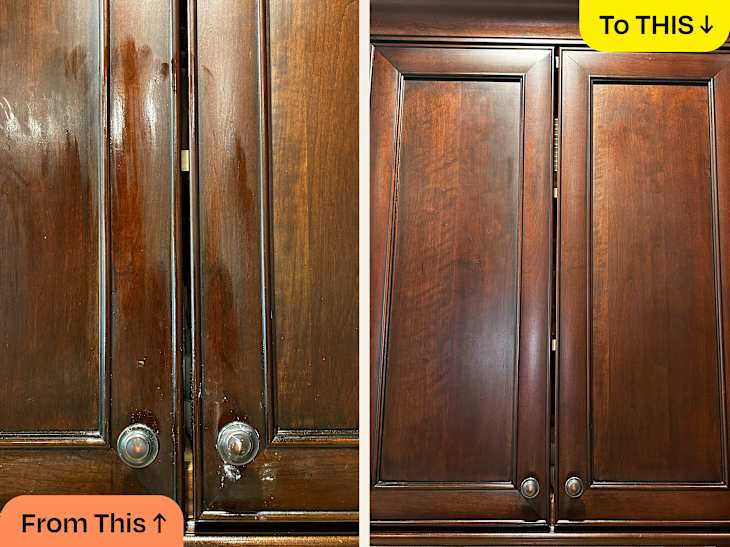
Are your kitchen cabinets looking dull or sticky? Finding the right cleaner can make all the difference in bringing back their shine and keeping them in great shape.
But with so many products out there, how do you know which one is truly good for your cabinets? You’ll discover simple, effective cleaners that protect your cabinets and make cleaning quick and easy. Keep reading to find the perfect solution that fits your kitchen and lifestyle.
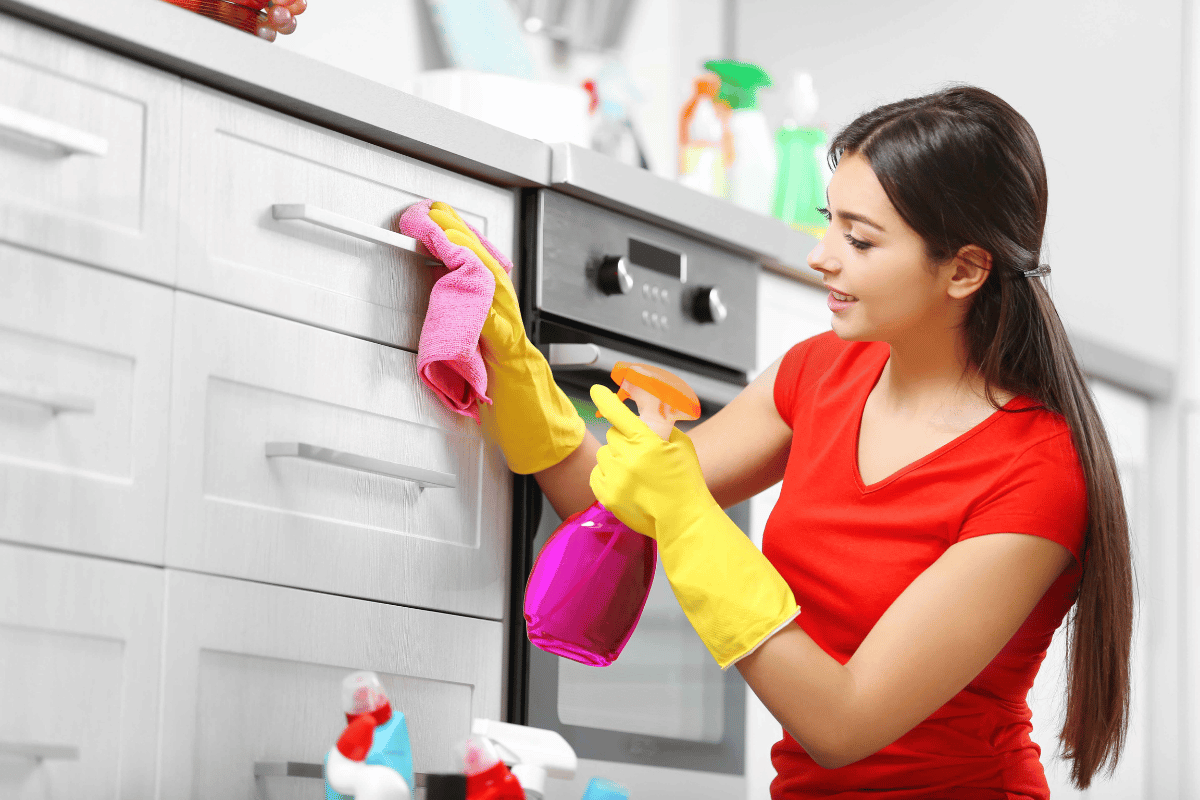
Credit: www.cabinetdoors.com
Types Of Kitchen Cabinet Surfaces
Understanding the types of kitchen cabinet surfaces is key to choosing the right cleaner. Each surface reacts differently to cleaning products, and using the wrong one can cause damage or dull the finish. Knowing what your cabinets are made of helps you maintain their look and extend their life.
Wood Cabinets
Wood cabinets are classic and add warmth to your kitchen. They often have a protective finish like varnish or lacquer. You need a cleaner that gently removes grease without stripping this finish.
If you use harsh chemicals or too much water, the wood can warp or stain. A mild soap solution or a cleaner specifically made for wood is best. Have you ever noticed your wood cabinets looking dull after using a general cleaner? That’s why the right product matters.
Laminate Cabinets
Laminate cabinets are popular for their durability and easy maintenance. They have a plastic coating over particleboard or MDF. This surface resists stains but can scratch if you’re not careful.
Use a non-abrasive cleaner and a soft cloth. Avoid products with bleach or ammonia, which can damage the laminate. Think about how often you clean your cabinets—frequent gentle cleaning keeps laminate looking fresh without harm.
Metal Cabinets
Metal cabinets offer a modern, industrial look. Stainless steel is common and can show fingerprints and smudges easily. Choosing a cleaner that removes grease and fingerprints without scratching is crucial.
Look for cleaners made for stainless steel or mild dish soap with warm water. Wiping in the direction of the metal grain helps avoid streaks. Ever tried scrubbing a metal surface with an abrasive sponge? It leaves scratches that are hard to fix.
Painted Cabinets
Painted cabinets can be made of wood, MDF, or other materials with a colored finish. The paint can chip or peel if cleaned with harsh products. A gentle cleaner that doesn’t break down the paint is essential.
Use mild soap and water or a cleaner designed for painted surfaces. Avoid scrubbing too hard or using abrasive pads. If your painted cabinets are showing wear, think about switching to a softer cleaning method to preserve their look.
Key Features Of Effective Cleaners
Choosing the right cleaner for your kitchen cabinets can make a big difference in maintaining their look and durability. Effective cleaners share certain key features that ensure they clean well without causing damage. Understanding these qualities helps you pick a product that keeps your cabinets fresh and safe for daily use.
Non-toxic Ingredients
Your kitchen is where food is prepared, so the cleaner you use should be safe for your family and pets. Non-toxic cleaners avoid harsh chemicals that can leave harmful residues. Look for products labeled as biodegradable or free from ammonia, bleach, and strong solvents.
I once switched to a non-toxic cleaner after noticing an unpleasant smell from my old spray. Not only did the odor disappear, but I also felt better knowing no harmful fumes were lingering while I cooked. Would you trust a cleaner that could affect your indoor air quality?
Grease-cutting Ability
Kitchen cabinets often get greasy from cooking splatters and fingerprints. A good cleaner must easily break down and lift grease without excessive scrubbing. Ingredients like citrus extracts or natural oils can be powerful yet safe options.
When I tested a cleaner with strong grease-cutting power, I spent less time wiping and more time enjoying a spotless kitchen. Don’t settle for a product that just spreads grease around—make sure it truly dissolves it.
Gentle On Surfaces
Cabinet finishes vary widely, from wood varnish to laminate. Your cleaner should be tough on dirt but gentle on these surfaces to prevent fading or peeling. Avoid abrasive powders or rough scrubbers that can damage the finish over time.
After using an abrasive cleaner once, I noticed dull spots on my cabinets that took weeks to recover. Now, I always choose mild formulas that protect the cabinet’s original look. How important is preserving your cabinets’ finish to you?
Ease Of Use
A cleaner that’s simple to apply and quick to wipe off saves time and effort. Spray bottles, microfiber cloths, or wipes designed for cabinets make the job hassle-free. The last thing you want is a cleaner that requires soaking or heavy rinsing.
I prefer cleaners with a pleasant scent and no sticky residue, making the cleaning process less of a chore. What cleaning routine fits best with your busy schedule? Finding a user-friendly product can make all the difference.
Top Cleaner Picks For Wood Cabinets
Choosing the right cleaner for your wood kitchen cabinets can make a noticeable difference in their appearance and longevity. The best products not only remove dirt and grease but also protect the wood's natural finish. Here are some top cleaner options that work well on wood cabinets, each offering unique benefits to suit your cleaning style.
Natural Oil-based Cleaners
Natural oil-based cleaners are gentle and nourish the wood while cleaning. Products containing lemon oil or mineral oil help maintain the cabinet’s shine and prevent drying or cracking. You might find that these cleaners not only remove grime but also leave a fresh, subtle scent in your kitchen.
If you enjoy using eco-friendly options, try mixing a small amount of olive oil with lemon juice for a homemade cleaner. This combo cleans and conditions your cabinets without harsh chemicals. Have you noticed how some oils restore the wood’s richness better than conventional sprays?
Mild Soap Solutions
A mild soap solution is a simple and effective way to clean everyday dirt and grease. Using a few drops of dish soap diluted in warm water allows you to wipe down cabinets safely without damaging the finish. It’s a budget-friendly choice and easy to prepare whenever you need it.
Make sure to use a soft cloth and avoid soaking the wood to prevent moisture damage. After cleaning, dry your cabinets thoroughly to keep them looking fresh. Could this basic approach be your go-to cleaner for regular maintenance?
Commercial Wood Cleaners
Commercial wood cleaners are formulated specifically for wood surfaces and often include ingredients to protect and enhance finishes. Brands like Murphy’s Oil Soap or Guardsman Wood Cleaner are popular for their ability to cut through stubborn grease while caring for the wood.
These products can save time when you need a quick and thorough clean. However, always test a small area first to ensure compatibility with your cabinet’s finish. What qualities do you look for in a commercial cleaner to trust it in your home?
Best Cleaners For Laminate Cabinets
Choosing the best cleaner for laminate kitchen cabinets can make a huge difference in maintaining their look and durability. Laminate surfaces are sensitive to harsh chemicals, so you need products that clean effectively without causing damage. Let’s look at some popular and safe options that keep your cabinets shining without risk.
All-purpose Cleaners
All-purpose cleaners are often the first choice for many because they’re easy to find and versatile. Look for ones labeled as non-abrasive and safe for laminate surfaces to avoid dulling or scratching. A quick wipe-down with a soft cloth and a mild all-purpose cleaner can remove everyday grease and dirt efficiently.
Have you noticed some cleaners leave a sticky residue? That’s a sign to switch brands or dilute the cleaner more. Your cabinets will thank you for a gentle approach.
Vinegar And Water Mixes
A simple homemade solution of vinegar and water works wonders on laminate cabinets. Mix equal parts white vinegar and warm water in a spray bottle for a natural cleaner that cuts through grime and disinfects.
Be cautious not to overuse vinegar, as its acidity can wear down the laminate finish over time. Spray lightly and wipe dry immediately to keep your cabinets looking fresh.
Specialized Laminate Cleaners
Specialized laminate cleaners are designed to address the unique needs of laminate surfaces. These products often have protective ingredients that restore shine and prevent damage.
Brands like Method and Rejuvenate offer formulations that clean without stripping the laminate’s protective layer. Investing in a cleaner made specifically for laminate can save you from costly repairs or replacements later.
Effective Options For Metal Cabinets
Metal kitchen cabinets need special care to keep their shine and durability. Choosing the right cleaner prevents damage and maintains the cabinet’s look. Some cleaners remove fingerprints, grease, and stains without scratching the surface. Others protect the metal from rust and dullness. Here are effective options for cleaning metal cabinets.
Stainless Steel Cleaners
Stainless steel cleaners work well on metal cabinets. They remove smudges, oil, and dirt quickly. These cleaners often come as sprays or liquids. Use a soft cloth to apply and wipe gently. They restore shine and leave a protective layer. Avoid harsh chemicals that can damage the finish.
Non-abrasive Wipes
Non-abrasive wipes are safe for metal surfaces. They clean without scratching or dulling the metal. These wipes are convenient for quick touch-ups. They help remove fingerprints and light stains. Use wipes made for stainless steel or metal finishes.
Diy Cleaning Solutions
Homemade cleaners can be effective and gentle on metal cabinets. Mix equal parts of water and white vinegar for a simple cleaner. Add a few drops of mild dish soap for extra grease removal. Apply with a soft cloth and wipe dry. Avoid abrasive scrubbing tools to protect the surface.

Credit: www.amazon.sa
Safe Cleaners For Painted Cabinets
Choosing the right cleaner for painted kitchen cabinets is crucial to keep them looking fresh without damaging the finish. You want something gentle yet effective, preserving the color and texture while removing grease and dirt. Safe cleaners help extend the life of your cabinets and save you from costly repainting down the line.
Mild Detergents
Mild detergents like dish soap mixed with warm water are excellent for cleaning painted cabinets. They cut through grease without stripping the paint or leaving residue. I once used a gentle soap solution on my kitchen cabinets, and the shine stayed intact while the grime disappeared.
Mix a few drops of mild detergent in a bowl of warm water. Use a soft cloth or sponge to wipe the cabinets gently. Avoid soaking the wood to prevent water damage.
Avoiding Harsh Chemicals
Harsh chemicals such as bleach, ammonia, or abrasive cleaners can erode the paint and dull the finish quickly. Even if they remove stains fast, they cause long-term harm. Have you ever noticed your cabinets turning patchy or faded after a tough cleaning session? That’s a clear sign the cleaner was too strong.
Stick to products labeled safe for painted surfaces. Always test any new cleaner on a small, hidden spot before applying it widely. This simple step prevents unwanted damage and disappointment.
Maintaining Paint Finish
Protecting the paint finish means regular, gentle cleaning combined with quick stain removal. Avoid scrubbing hard or using rough cloths that can scratch the surface. Instead, use microfiber cloths or soft sponges that clean effectively without abrasion.
Consider applying a protective wax or polish made for painted wood occasionally. This adds a barrier against dirt and moisture, keeping your cabinets looking vibrant. How often you clean affects how well your paint holds up, so consistency is key.
Diy Cleaning Recipes
Cleaning kitchen cabinets doesn't need expensive cleaners. Many effective solutions use items you already have at home. These DIY recipes are simple, safe, and environmentally friendly. Let's explore some easy recipes.
Vinegar And Baking Soda
Vinegar and baking soda make a powerful cleaning duo. To make this solution, mix one part vinegar with two parts warm water. Add a tablespoon of baking soda. Stir until dissolved. This mix works well for greasy cabinets. Apply with a soft cloth, then wipe dry.
Lemon And Olive Oil
Lemon and olive oil not only clean but also polish. Squeeze a fresh lemon into a bowl. Mix with an equal amount of olive oil. Apply with a soft cloth. This mixture removes grime and leaves a fresh scent. Buff cabinets to a shine.
Castile Soap Mixture
Castile soap is gentle and effective. Mix a tablespoon of Castile soap with two cups of warm water. Pour into a spray bottle. Spray onto cabinets and wipe with a damp cloth. This mixture is great for regular cleaning. It leaves no residue.
Tips For Cleaning Kitchen Cabinets
Cleaning kitchen cabinets can feel like a daunting task, but it doesn’t have to be. With the right approach, you can keep your cabinets looking fresh and well-maintained without spending hours scrubbing. Understanding a few practical tips can make the process smoother and protect your cabinets from damage.
Regular Maintenance
Keeping your kitchen cabinets clean starts with regular upkeep. Wiping down surfaces weekly prevents grease and dirt from building up. You don’t need harsh chemicals—just a damp cloth with mild soap often does the trick.
Have you noticed how quick a simple wipe can save you from a deep clean later? Avoid letting spills sit too long, especially near handles and edges, where grime tends to collect. This small habit keeps your cabinets looking newer for longer.
Spot Testing Cleaners
Before applying any cleaner to your cabinets, try a spot test on a hidden area. This helps you avoid discoloration or damage, especially if your cabinets have a delicate finish. Even natural cleaners like vinegar can sometimes affect the surface.
Test the cleaner and wait a few minutes. If there’s no change, it’s safe to use. This quick step can save you from costly repairs or refinishing down the road.
Proper Cleaning Tools
Choosing the right tools makes cleaning easier and protects your cabinets. Use soft microfiber cloths instead of rough sponges to avoid scratches. For stubborn spots, a soft-bristled brush can gently lift dirt without harming the surface.
Consider having a small brush or old toothbrush handy for corners and grooves. What tools do you rely on in your kitchen cleaning routine? Sometimes, the right tool can cut your cleaning time in half.
Common Mistakes To Avoid
Cleaning kitchen cabinets seems simple but many make mistakes that damage surfaces. These errors reduce the cabinet’s shine and shorten its life. Avoiding common pitfalls keeps cabinets looking fresh and new longer. Focus on gentle care and proper methods to protect your investment.
Using Abrasive Materials
Abrasive sponges or scrubbers scratch cabinet surfaces easily. These materials remove finish and leave marks. Avoid steel wool or rough brushes. Soft cloths or non-abrasive sponges work best. Gentle cleaning protects paint and wood.
Over-wetting Surfaces
Too much water seeps into wood and causes swelling. Excess moisture damages cabinet edges and joints. Use damp, not dripping, cloths for cleaning. Dry surfaces immediately with a soft towel. Controlled moisture keeps cabinets safe.
Ignoring Manufacturer Guidelines
Manufacturers provide cleaning instructions specific to materials. Ignoring these may void warranties or cause damage. Read labels or manuals before cleaning. Use recommended products and methods only. Follow instructions to maintain cabinet quality.
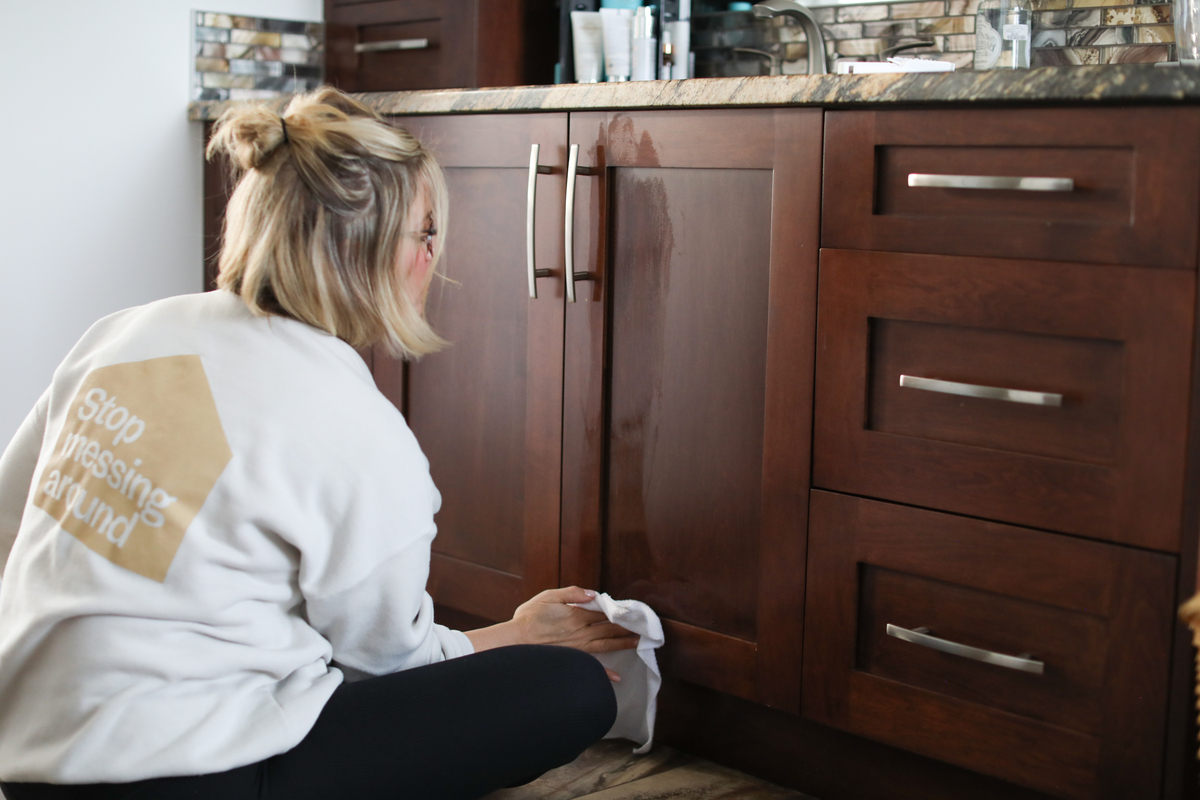
Credit: www.housework.com
Frequently Asked Questions
What Is The Best Cleaner For Kitchen Cabinets?
The best cleaner for kitchen cabinets is a mild, non-abrasive solution. Mix warm water with gentle dish soap. Avoid harsh chemicals that damage wood or paint finishes. Always test on a small area first to ensure it won’t harm the cabinet surface.
Can Vinegar Clean Kitchen Cabinets Effectively?
Yes, vinegar is an effective natural cleaner for kitchen cabinets. Dilute white vinegar with water to remove grease and grime. It’s safe for most finishes but should be used sparingly on delicate wood. Vinegar also helps disinfect and deodorize cabinet surfaces naturally.
How Often Should Kitchen Cabinets Be Cleaned?
Kitchen cabinets should be cleaned at least once a week. Regular cleaning prevents grease buildup and maintains appearance. Wipe spills immediately to avoid stains. Deep clean monthly using a gentle cleaner to keep cabinets looking fresh and extend their lifespan.
Are Commercial Kitchen Cabinet Cleaners Safe To Use?
Most commercial cleaners are safe if used as directed. Choose products labeled safe for wood or painted surfaces. Avoid cleaners with bleach or ammonia, which can damage finishes. Always test a small area first and follow manufacturer instructions carefully for best results.
Conclusion
Choosing the right cleaner keeps kitchen cabinets fresh and bright. Gentle, non-toxic cleaners protect wood and finishes well. Avoid harsh chemicals that can damage surfaces over time. Regular cleaning prevents grime buildup and saves effort later. Simple homemade solutions work great for many cabinets.
Clean cabinets make your kitchen look neat and inviting. Remember, care and the right cleaner go hand in hand. A clean kitchen feels more comfortable and welcoming every day.