
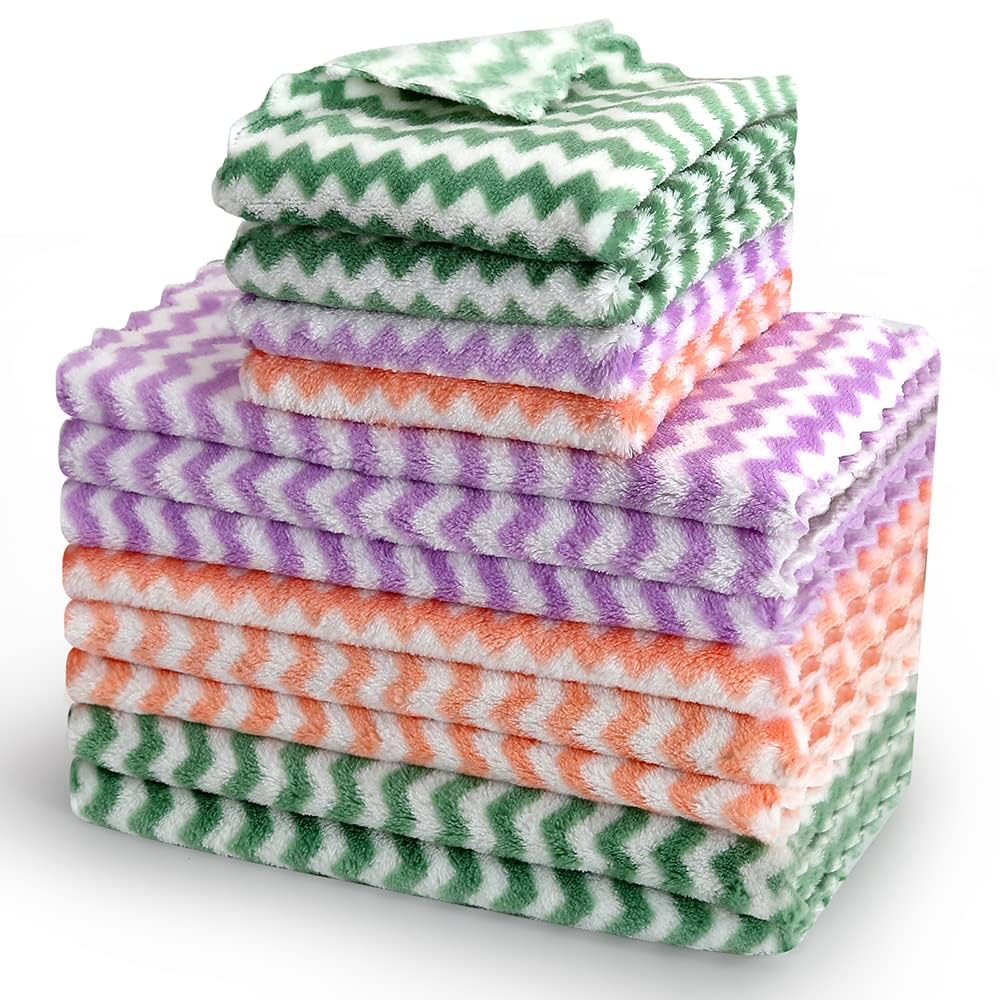
Have you ever stopped to think about the simple kitchen cloth sitting right by your sink? It might seem like just another piece of fabric, but your kitchen cloth plays a bigger role than you realize.
From wiping spills to drying dishes, this small item is a powerhouse in keeping your kitchen clean and safe. Want to know exactly what a kitchen cloth is and why it’s so important for your daily routine? Keep reading—you might be surprised by what you discover.

Credit: www.amazon.ca
Kitchen Cloth Types
Kitchen cloths come in various types, each suited for different cleaning tasks. Choosing the right cloth helps keep your kitchen clean and hygienic. Below are the common kitchen cloth types and their key features.
Cotton Cloths
Cotton cloths are soft and absorbent. They work well for wiping surfaces and drying dishes. These cloths are durable and easy to wash. Cotton is natural and gentle on hands. They are reusable and eco-friendly.
Microfiber Cloths
Microfiber cloths have tiny fibers that trap dust and dirt. They clean surfaces without chemicals. These cloths dry quickly and resist odors. Microfiber is great for shiny surfaces and glass. They are lightweight and long-lasting.
Linen Cloths
Linen cloths are strong and fast-drying. They absorb moisture well and resist stains. Linen is perfect for drying glassware and dishes. These cloths soften with use and washing. They offer a natural, textured feel.
Disposable Cloths
Disposable cloths are designed for one-time use. They are convenient for quick cleanups and spills. These cloths reduce cross-contamination risks. Made from paper or non-woven materials, they are easy to discard. Disposable cloths suit busy kitchens.
Credit: www.homehardware.ca
Common Kitchen Cloth Uses
Kitchen cloths are small, simple tools with many uses in everyday cooking and cleaning. They help keep your kitchen clean and safe. Using a kitchen cloth makes many tasks easier and faster.
Drying Dishes And Utensils
Kitchen cloths are perfect for drying dishes and utensils. They absorb water quickly, leaving your dishes dry and ready to use. Using a cloth avoids water spots on your plates and glasses.
Wiping Surfaces
Use kitchen cloths to wipe kitchen counters and tables. They remove dust, crumbs, and small spills. Keeping surfaces clean helps prevent germs and keeps your kitchen tidy.
Handling Hot Cookware
A thick kitchen cloth can protect your hands from hot pots and pans. It works like a small oven mitt. Always fold the cloth for better grip and safety.
Cleaning Spills
Kitchen cloths are handy for cleaning up spills quickly. They soak up liquids fast, preventing stains and sticky messes. Keep a cloth nearby for quick cleanup after cooking or eating.
Choosing The Right Cloth
Choosing the right kitchen cloth makes daily tasks easier and more efficient. The cloth should fit your needs in cleaning, drying, and wiping. Consider key factors like material, absorbency, and durability before making a choice.
Material Benefits
Kitchen cloths come in various materials. Cotton offers softness and is gentle on surfaces. Microfiber traps dirt and grease well. Linen dries quickly and resists odors. Each material suits different kitchen jobs.
Absorbency Levels
Absorbency is crucial for drying dishes and wiping spills. Cotton and microfiber have high absorbency. Linen absorbs less but dries faster. Choose a cloth that soaks up liquids quickly without dripping.
Durability Factors
Durability affects how long a cloth lasts. Thick cotton cloths can handle many washes. Microfiber resists wear and tear better. Linen is strong but may wear out faster. Pick a cloth that stays effective after repeated use.
Cleaning Kitchen Cloths
A kitchen cloth is a small towel used for wiping surfaces and drying dishes. It helps keep the kitchen clean and tidy during cooking and cleaning tasks.
Cleaning kitchen cloths is essential for a healthy cooking environment. Regular cleaning prevents bacteria build-up. It also ensures your kitchen cloths last longer. Proper maintenance keeps them fresh and effective. Let's explore different cleaning methods.
Washing Techniques
Wash kitchen cloths separately from other laundry. Use hot water and a mild detergent. This helps remove grease and dirt. Avoid fabric softeners. They can leave residue on the cloths. Rinse thoroughly to remove soap.
Stain Removal Tips
Tackle stains immediately for best results. Apply a paste of baking soda and water to the stain. Let it sit for 15 minutes. Rinse with cold water. For stubborn stains, use white vinegar. Soak the cloth for 30 minutes, then wash.
Sanitizing Methods
Sanitizing is crucial to kill germs. Boil kitchen cloths in water for five minutes. Alternatively, soak in a bleach solution. Use one tablespoon of bleach per gallon of water. Let it soak for five minutes, then rinse well. Dry the cloths completely to prevent mold.
Maintaining Kitchen Cloth Hygiene
Keeping your kitchen cloth clean is very important. It stops germs from spreading and keeps your kitchen safe. Dirty cloths can hold bacteria and cause bad smells. Good habits help keep cloths fresh and useful for a long time.
Frequency Of Replacement
Change kitchen cloths often to avoid germs. Use a fresh cloth every day or every two days. If the cloth smells bad or looks dirty, replace it immediately. Regular changes help keep your kitchen clean and healthy.
Proper Drying Practices
Dry kitchen cloths well after use. Wet cloths can grow bacteria quickly. Hang them in a sunny, airy place. Avoid folding or leaving them in damp spots. Dry cloths stay fresh and last longer.
Storage Suggestions
Store kitchen cloths in a dry, clean area. Use hooks or holders to keep them off surfaces. Avoid storing cloths in closed, humid places. Proper storage stops germs and keeps cloths ready to use.
Eco-friendly Kitchen Cloth Options
Choosing eco-friendly kitchen cloth options can significantly reduce your environmental impact. These alternatives not only help cut down on waste but also offer durability and efficiency in your daily kitchen tasks. Let's look at some practical choices that make your kitchen greener and cleaner.
Reusable Cloth Choices
Reusable kitchen cloths come in various forms, such as microfiber, cotton, and bamboo blends. Unlike single-use paper towels, these cloths can be washed and used multiple times, saving money and resources. Have you ever noticed how quickly paper towels disappear during a busy cooking session? Switching to reusable cloths means fewer trips to the store and less trash in your bin.
Sustainable Materials
Materials like organic cotton and bamboo are popular for eco-friendly kitchen cloths because they grow quickly and require fewer chemicals. Bamboo, in particular, is naturally antibacterial, which means it stays fresher longer without harsh detergents. When selecting your cloths, check for certifications like GOTS (Global Organic Textile Standard) to ensure you’re choosing truly sustainable products.
Reducing Waste
Every time you replace disposable towels with reusable cloths, you prevent waste from piling up in landfills. Imagine how much waste a single household generates from kitchen paper products in a year—now think about cutting that down by half or more. You can even repurpose worn-out cloths as cleaning rags, giving them a second life and keeping your home spotless without adding waste.

Credit: www.amazon.ca
Frequently Asked Questions
What Is The Primary Use Of A Kitchen Cloth?
A kitchen cloth is mainly used for cleaning spills and wiping surfaces. It helps maintain kitchen hygiene. It absorbs liquids and removes dirt efficiently. This cloth is reusable and easy to wash. It is an essential kitchen cleaning tool.
What Materials Are Kitchen Cloths Made From?
Kitchen cloths are commonly made from cotton, microfiber, or linen. Cotton is absorbent and durable. Microfiber dries quickly and traps dirt well. Linen is strong and lint-free. Each material offers specific benefits for kitchen cleaning tasks.
How Often Should You Replace A Kitchen Cloth?
Replace your kitchen cloth every one to two weeks. Frequent use and moisture cause bacteria buildup. Washing daily prolongs its life. Replace sooner if it smells bad or is heavily stained. Regular replacement ensures a hygienic kitchen environment.
Can Kitchen Cloths Be Used For Multiple Purposes?
Yes, kitchen cloths serve various purposes like drying dishes, wiping counters, and cleaning spills. They are versatile and can replace paper towels. However, separate cloths for different tasks prevent cross-contamination and maintain cleanliness.
Conclusion
A kitchen cloth is a simple but essential tool in every home. It helps clean spills, dry dishes, and keep surfaces tidy. Choosing the right cloth can make daily tasks easier. Regular washing keeps it fresh and safe to use.
Understanding its uses saves time and effort in the kitchen. Small and affordable, yet very useful. Remember, a clean kitchen cloth supports a clean kitchen. Easy to use, easy to care for. A small change that improves your cooking space.