
Are you tired of your kitchen sponge wearing out quickly and leaving behind a trail of waste? What if you could switch to something that cleans just as well but is better for your health and the planet?
Finding a sustainable alternative to your everyday kitchen sponge can save you money, reduce harmful waste, and keep your kitchen cleaner. Keep reading to discover simple, effective options that fit right into your routine—without any hassle. Your kitchen and the environment will thank you.

Credit: www.sustainablejungle.com
Why Switch From Traditional Sponges
Switching from traditional kitchen sponges can make a big difference. These sponges often harm the environment and may affect your health. Choosing a sustainable alternative helps reduce waste and keeps your kitchen safer.
Environmental Impact Of Conventional Sponges
Most kitchen sponges are made from plastic materials. These plastics do not break down easily. They end up in landfills or oceans, causing pollution. This pollution harms animals and plants. Every sponge used adds to this growing problem.
Traditional sponges also use non-renewable resources. The production process creates carbon emissions. These emissions contribute to climate change. By switching to eco-friendly sponges, you reduce waste and pollution.
Health Concerns With Synthetic Materials
Conventional sponges contain synthetic fibers. These fibers can hold bacteria and germs. Using them often spreads these germs around your kitchen. This can lead to food contamination and illness.
Some sponges contain harmful chemicals. These chemicals can cause skin irritation. They may also release toxins during use. Choosing natural materials reduces these health risks and keeps your home cleaner.
Natural Fiber Scrubbers
Natural fiber scrubbers offer a sustainable and effective alternative to traditional kitchen sponges. Made from plant-based materials, they break down naturally without harming the environment. Choosing these scrubbers means less plastic waste and a cleaner kitchen routine.
Coconut Coir Pads
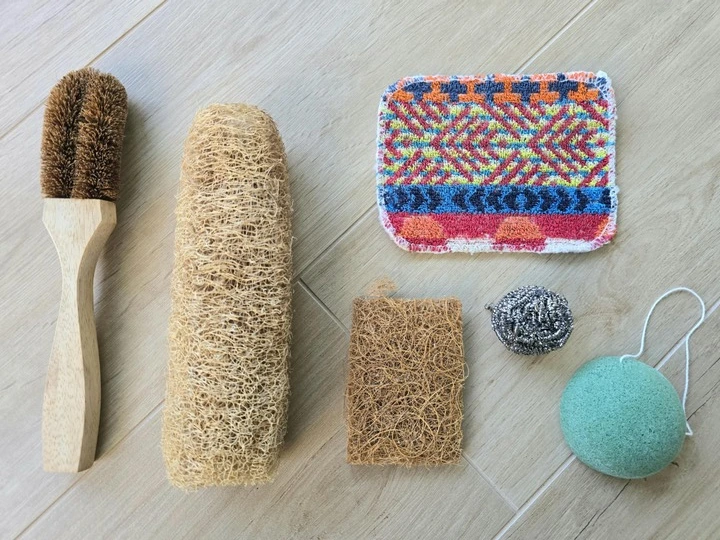
Coconut coir pads come from the fibrous husk of coconuts. They are tough on grime but gentle on non-stick surfaces. I’ve found they last longer than synthetic sponges and rinse clean easily, avoiding the funky odors that sponges often develop.
These pads dry quickly, reducing bacteria growth. Plus, they compost well after use. What if your next kitchen scrubber could help reduce landfill waste?
Loofah Sponges
Loofah sponges are made from the dried skeleton of the loofah plant. They provide a natural scrubbing texture that works well on pots and pans. When I switched to loofah sponges, I noticed less skin irritation compared to synthetic options.
They’re lightweight and degrade quickly in compost bins. You can even slice them to the size you prefer. How often do you replace your kitchen sponge, and could loofah last just as long?
Hemp And Jute Brushes
Brushes with hemp or jute bristles combine durability with eco-friendliness. These fibers are strong, resist wear, and don’t trap food particles like sponges can. I use a hemp-bristled brush daily—it cleans stubborn residue without scratching delicate surfaces.
They dry fast and can be trimmed or replaced individually, extending the brush’s life. Have you considered that a brush might clean more efficiently than a sponge?
Reusable Silicone Scrubbers
Reusable silicone scrubbers offer a sustainable choice for cleaning dishes and surfaces. Made from flexible silicone, these scrubbers replace traditional kitchen sponges that wear out quickly and collect bacteria. Their soft yet sturdy texture cleans effectively without scratching cookware or countertops.
These scrubbers last much longer than regular sponges. They resist odors and stains, making them a hygienic option for everyday kitchen use. Silicone scrubbers also dry faster, reducing mold growth and keeping your kitchen cleaner.
Durability And Hygiene Benefits
Silicone scrubbers are highly durable and can last for months. Their material resists tearing and deformation. Unlike sponges, they do not absorb water, so they stay fresh and dry after use.
The non-porous surface stops bacteria and mold from growing. This makes silicone scrubbers safer for cleaning dishes and kitchen surfaces. They are easy to rinse and do not hold food particles, which keeps them clean and hygienic.
How To Clean Silicone Scrubbers
Cleaning silicone scrubbers is simple and effective. Rinse them under hot water after use to remove food residue. For deeper cleaning, scrub them with dish soap and water.
- Boil in water for a few minutes to kill germs.
- Place in the dishwasher’s top rack for thorough cleaning.
- Soak in a vinegar solution to remove odors.
Regular cleaning keeps silicone scrubbers fresh and ready for reuse. Their easy maintenance makes them a smart, sustainable kitchen tool.

Credit: www.regn.co.uk
Compostable Sponge Alternatives
Sustainable kitchen sponges break down naturally without harming the environment. Compostable sponge alternatives use plant fibers, making them eco-friendly and safe to toss in compost bins. These sponges help reduce plastic waste in everyday cleaning.
Switching to compostable sponge alternatives is a simple yet effective way to reduce kitchen waste and embrace a greener lifestyle. Traditional kitchen sponges often contain synthetic materials that don't break down easily, contributing to environmental pollution. By choosing compostable options, you not only keep your kitchen clean but also support a more sustainable future.
Cellulose Sponges
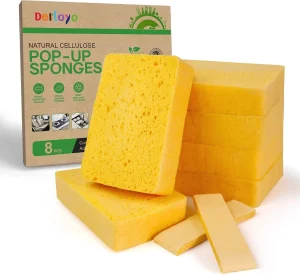
Cellulose sponges are made from natural plant fibers, making them an eco-friendly choice for your kitchen cleaning needs. They are highly absorbent and durable, perfect for tackling tough kitchen messes. Unlike synthetic sponges, cellulose sponges can be easily composted once they've worn out. Simply cut them into smaller pieces and toss them in your compost bin. They will break down naturally, returning nutrients to the soil. Using cellulose sponges is a small change that can have a big impact. Imagine the difference if everyone swapped just one synthetic sponge for a cellulose one.
Wool Scrubbers
Wool scrubbers are another excellent alternative for those who prefer a more textured cleaning tool. Made from natural wool fibers, these scrubbers are tough on grime but gentle on surfaces. They are particularly effective for scrubbing pots, pans, and other cookware without scratching. Plus, wool scrubbers are biodegradable, so you can compost them when they reach the end of their life. Think about the satisfaction of scrubbing your dishes knowing you're not adding to landfill waste. Using wool scrubbers not only supports sustainable practices but also adds a touch of natural beauty to your kitchen routine. Switching to compostable sponge alternatives can be a rewarding step in your sustainability journey. Have you considered what small changes you could make today for a greener tomorrow?
Diy Eco-friendly Sponges
Making your own eco-friendly kitchen sponges is a simple way to reduce waste and avoid the synthetic materials found in many store-bought options. These DIY sponges not only last longer but also break down naturally, making them better for your home and the planet. Plus, creating them can be a fun and satisfying project that lets you customize the texture and size to fit your needs.
Materials To Use At Home
- Old cotton t-shirts or dishcloths:Soft and absorbent, perfect for gentle scrubbing.
- Natural loofah:A plant-based scrubber that’s great for tougher cleaning tasks.
- Hemp or jute twine:Useful for binding or adding a bit of rough texture.
- Bamboo fiber cloths:Durable and naturally antibacterial.
- Unbleached cotton yarn or twine:Excellent for crocheting a sponge-like texture.
- Scouring pads made from coconut coir:Biodegradable and tough on grime.
Look around your home and see which of these materials you already have. Using what’s on hand cuts down cost and waste. Have you ever thought about how many old clothes or towels could be repurposed instead of thrown away?
Step-by-step Creation Guide
- Cut your chosen fabric or cloth into a square or rectangle roughly 4x4 inches.
- If using cotton yarn, crochet a small square or rectangle with a tight but flexible stitch to create texture.
- Layer two pieces of fabric together for extra thickness if you want a more durable sponge.
- Sew the edges together using a simple running stitch or whipstitch, leaving a small opening.
- Stuff the sponge lightly with scraps of fabric or natural fibers to add absorbency.
- Sew the opening closed securely to keep the stuffing in place.
- If using loofah or coconut coir, cut to size and attach a fabric backing for easier handling.
Each sponge you create can be tailored to how you clean and what surfaces you use it on. Have you noticed how different textures affect your cleaning efficiency? Trying this out might change the way you think about everyday kitchen tools.
Care Tips For Sustainable Sponges
Caring for sustainable sponges helps keep them useful longer. Proper care reduces waste and saves money. It also keeps your kitchen cleaner and healthier. Follow simple tips to extend your sponge's life and maintain hygiene.
Extending Lifespan
Use the sponge gently to avoid tears. Avoid scrubbing very rough surfaces that damage fibers. Rinse the sponge thoroughly after each use to remove food particles. Squeeze out excess water but do not wring hard. Rotate sponges regularly to prevent early wear.
Proper Cleaning And Storage
- Rinse sponges in hot water after every use to kill bacteria.
- Soak sponges in a vinegar or baking soda solution once a week.
- Allow sponges to air dry in a well-ventilated area.
- Keep sponges away from damp sinks or closed containers.
- Replace sponges if they start to smell or break down.
Where To Buy Eco-friendly Sponges
Finding eco-friendly sponges can feel overwhelming at first, but there are plenty of accessible options. Knowing where to shop makes a big difference in choosing sustainable products that fit your lifestyle. Whether you prefer shopping from home or browsing local shops, you have solid choices to support your eco-conscious kitchen.
Online Marketplaces
Online stores offer a wide variety of eco-friendly sponges, making it easy to compare brands and read customer reviews before buying. Websites like Amazon, Etsy, and specialized eco-friendly shops stock sponges made from natural materials such as cellulose, coconut fibers, or biodegradable plant-based fibers.
Shopping online lets you find unique products like sponges infused with antimicrobial properties or zero-waste packaging. Plus, many sellers provide detailed information about the sponge’s durability and compostability, helping you make a well-informed decision.
Local Sustainable Stores
Visiting local sustainable stores allows you to see and feel the products before buying, which can be reassuring. These shops often carry sponges made by small businesses focused on environmentally friendly materials and ethical production.
Shopping locally supports the community and reduces shipping emissions. Look for stores that emphasize zero waste or plastic-free living—they usually stock sponges that break down naturally and last longer than conventional ones.
Credit: www.implasticfree.com
Frequently Asked Questions
What Materials Make A Kitchen Sponge Sustainable?
Sustainable kitchen sponges are often made from natural materials like cellulose, coconut fibers, or bamboo. These materials are biodegradable and compostable, reducing environmental impact compared to synthetic sponges made from plastic.
How Long Do Sustainable Kitchen Sponges Last?
Sustainable sponges typically last 2 to 4 weeks with regular use. Their durability depends on the material and care. Proper drying and cleaning can extend their lifespan.
Are Sustainable Kitchen Sponges Effective For Cleaning?
Yes, sustainable sponges clean dishes and surfaces effectively. Natural fibers provide good scrubbing power without scratching. They absorb water well and can handle daily kitchen messes.
Can Sustainable Sponges Reduce Plastic Waste?
Absolutely. Using sustainable sponges helps reduce single-use plastic sponges in landfills. They break down naturally, lowering pollution and supporting eco-friendly kitchen habits.
Conclusion
Choosing a sustainable kitchen sponge helps protect our planet daily. Natural materials like cellulose or coconut fiber work well and break down easily. These options reduce plastic waste and last long with proper care. Small changes in the kitchen can make a big difference over time.
Try switching to eco-friendly sponges for cleaner dishes and a cleaner Earth. It’s simple, practical, and good for everyone. Making this choice shows care for the environment and future generations. Why not start today?