
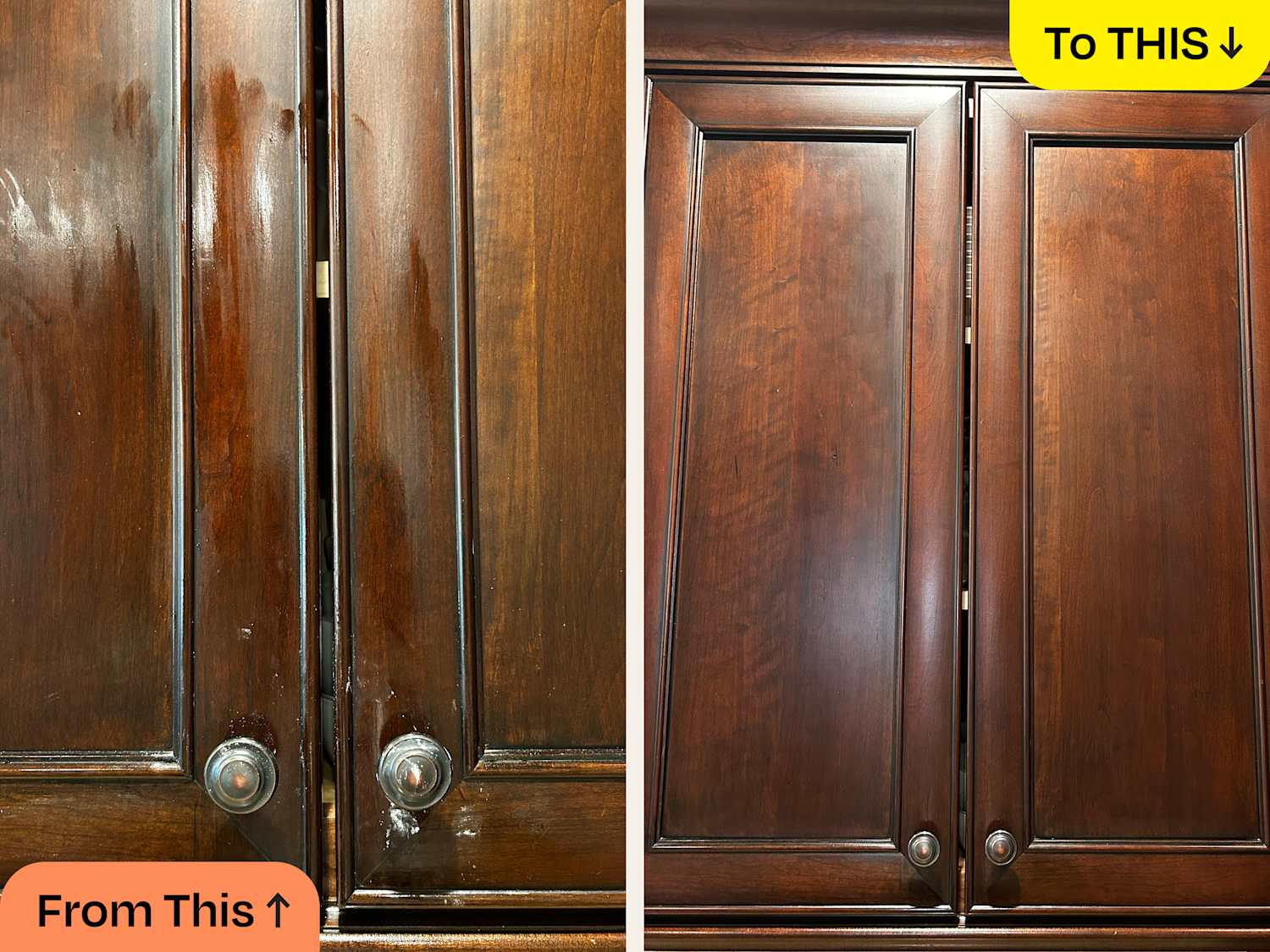
Are your kitchen cabinets looking dull or sticky? You might be using the wrong cleaner without even knowing it.
Finding the best cleaner for kitchen cabinets isn’t just about making them shine—it’s about protecting your investment and keeping your kitchen fresh and inviting. You’ll discover simple, effective cleaning options that work for every type of cabinet surface. Keep reading to learn how to bring back that clean, polished look your kitchen deserves—quickly and safely.
Types Of Kitchen Cabinet Materials
Kitchen cabinets come in various materials. Each material needs a specific type of cleaner. Knowing the cabinet material helps keep them in great shape. Cleaning the right way protects your investment. It also keeps your kitchen looking fresh and new.
Wood Cabinets
Wood cabinets are classic and warm. They need gentle cleaners to avoid damage. Harsh chemicals can strip the finish or cause stains. Use a mild soap with water or a cleaner made for wood. Always dry wood cabinets after cleaning to stop water damage.
Laminate Cabinets
Laminate cabinets have a smooth, plastic-like surface. They resist stains and scratches well. A mild detergent and water solution works best. Avoid abrasive scrubbers that can leave marks. Wipe spills quickly to keep the surface shiny and clean.
Metal Cabinets
Metal cabinets offer a modern look and are very durable. They can show fingerprints and smudges easily. Use a gentle cleaner or a mix of vinegar and water. Avoid harsh chemicals that may cause rust or discoloration. Dry thoroughly to prevent water spots.
Glass Cabinets
Glass cabinets add elegance and light to kitchens. Clean with glass cleaner or a vinegar and water mix. Use a soft cloth to avoid scratches. Clean both inside and outside to keep the glass sparkling. Be careful with edges to prevent chipping.
Common Kitchen Cabinet Stains
Kitchen cabinets face many types of stains every day. These stains come from cooking and daily use. Some stains are easy to clean, while others need special care. Knowing common stains helps find the best cleaner for kitchen cabinets.
Grease And Oil
Grease and oil stains are common around stoves and cooking areas. They leave sticky, shiny spots that attract dust. These stains can build up and harden if not cleaned fast. A good cleaner breaks down grease without damaging the cabinet finish.
Water Spots
Water spots appear from splashes and spills near sinks. They cause white or cloudy marks on the surface. Over time, water spots can dull the cabinet’s look. Using a cleaner that removes mineral deposits keeps cabinets bright.
Food Residue
Food residue includes crumbs, sauces, and spills. These can stain wood or paint if left too long. Sticky spots attract insects and cause bad smells. Cleaners that dissolve dried food make cleaning easier.
Dust And Dirt
Dust and dirt collect on cabinets from air and hands. They make cabinets look dull and dirty. Regular cleaning with a mild cleaner removes dust without harming the finish. This keeps cabinets fresh and clean.
Top Cleaners For Wood Cabinets
Choosing the right cleaner for your wood kitchen cabinets can make a huge difference in maintaining their beauty and durability. Wood is sensitive to harsh chemicals and excessive moisture, so selecting an appropriate cleaner is key. Whether you prefer natural options, trusted commercial products, or homemade solutions, there are effective choices to keep your cabinets looking fresh and polished.
Natural Cleaners
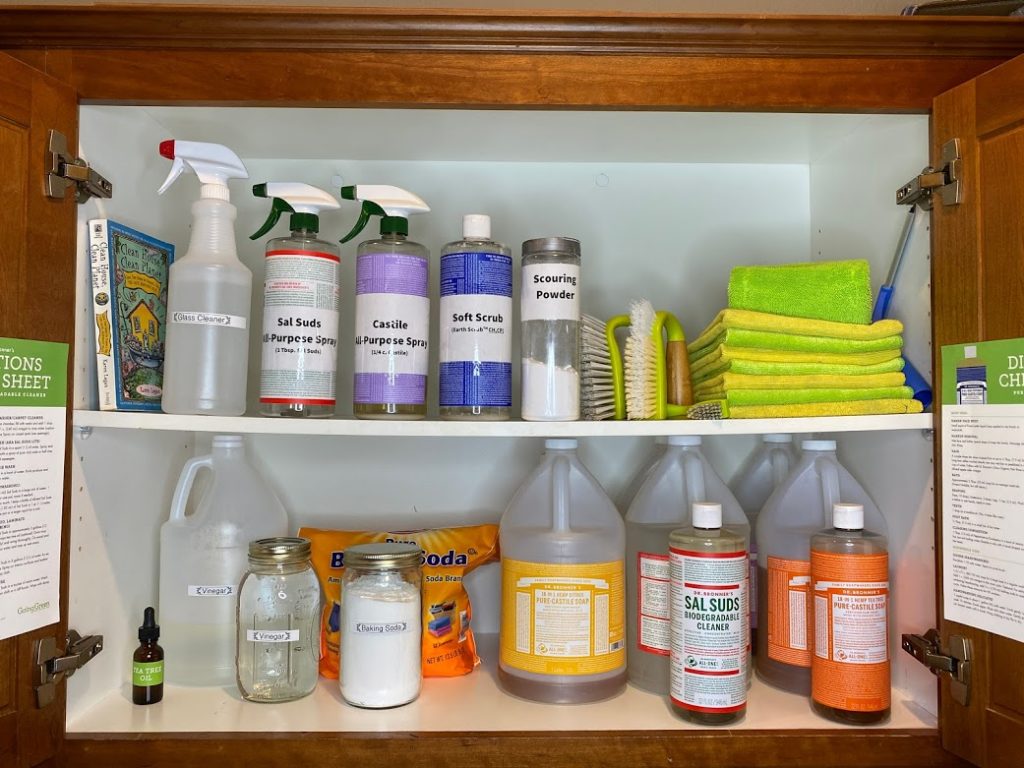
Natural cleaners offer a gentle yet effective way to clean wood cabinets without risking damage or buildup. A simple mix of white vinegar and water works well to cut through grease and grime. Adding a few drops of olive oil afterward can restore shine and nourish the wood.
Lemon juice combined with water is another natural option that brightens surfaces and leaves a pleasant scent. These cleaners are safe to use frequently and avoid the harsh chemicals that can strip away the wood’s finish. Have you tried using natural ingredients from your kitchen to clean your cabinets?
Commercial Wood Cleaners
There are many commercial wood cleaners designed specifically for kitchen cabinets. Products like Murphy’s Oil Soap and Method Wood for Good Cleaner are popular choices because they clean thoroughly without leaving residue. These cleaners often include conditioning agents that protect the wood and enhance its natural luster.
When selecting a commercial cleaner, look for one that is pH balanced and safe for your cabinet’s finish. Always test a small area first to avoid unwanted discoloration. What qualities do you prioritize when buying cleaning products for your home?
Diy Cleaning Solutions
If you enjoy a hands-on approach, making your own wood cabinet cleaner can be both economical and effective. A basic recipe involves mixing mild dish soap with warm water; this solution removes surface dirt and grease gently. Use a soft cloth to avoid scratching the wood.
Another DIY option is blending baking soda with water to create a paste that tackles tough stains. Remember to rinse thoroughly and dry immediately to prevent water damage. Have you experimented with homemade cleaners on your cabinets before? What results did you notice?
Best Cleaners For Laminate Cabinets
Choosing a gentle cleaner protects laminate cabinets from damage and keeps them looking fresh. Mild soap mixed with water often works best for kitchen cabinets. Avoid harsh chemicals to maintain the cabinet's finish and shine.
Maintaining laminate kitchen cabinets can be challenging if you don't use the right cleaners. These cabinets are popular due to their durability and sleek appearance, but they can be sensitive to harsh chemicals. With the right approach, you can keep your laminate cabinets looking pristine without damaging their surface. Let's explore some effective cleaning solutions that are gentle yet effective.
Mild Detergents
Using mild detergents is a safe and straightforward option for cleaning laminate cabinets. You probably already have a suitable detergent in your kitchen. Mix a small amount of mild dish soap with warm water. Use a soft cloth to wipe down the cabinets, ensuring you don't soak the laminate surface. Gently dry the area with a clean towel to prevent water damage. This simple solution is often enough to remove grease and grime.
Vinegar-based Solutions
Vinegar is another excellent choice for cleaning laminate cabinets. It's a natural disinfectant and can effectively cut through grease. Mix equal parts of vinegar and water in a spray bottle. Lightly spray the mixture on the cabinets and wipe it off with a soft cloth. The acidity of vinegar ensures a thorough clean without leaving any residue. Plus, it leaves your kitchen smelling fresh and clean.
Avoiding Abrasive Cleaners
It's crucial to avoid abrasive cleaners on laminate surfaces. These can scratch and dull the finish, leading to irreversible damage. Stay away from scouring pads and bleach-based products. Instead, opt for gentle cleaning tools like microfiber cloths. Always check the labels of any cleaning products to ensure they're safe for laminate. Wouldn't you rather prevent damage than deal with costly repairs? Prioritize gentle cleaning methods for long-lasting cabinets. By choosing the right cleaners and techniques, you can keep your laminate kitchen cabinets in excellent condition. What other cleaning tips have you found effective for laminate surfaces?
Effective Cleaners For Metal Cabinets
Metal kitchen cabinets need special care for a clean look. Choosing the right cleaner keeps the metal shiny and strong. Effective cleaners remove dirt without damaging the surface. They also protect cabinets from rust and stains. Here are some good options for cleaning metal cabinets.
Stainless Steel Cleaners
Stainless steel cleaners work well on metal cabinets. They remove fingerprints, grease, and smudges quickly. Many come as sprays or wipes, easy to use. Apply with a soft cloth to avoid scratches. These cleaners also add a protective layer to prevent marks.
Homemade Metal Cleaners
Simple homemade cleaners use ingredients found at home. Mix equal parts of water and white vinegar for a gentle cleaner. Lemon juice with baking soda makes a paste to remove tough stains. Use a soft cloth to apply and wipe clean. These natural options are safe and cost-effective.
Preventing Rust And Stains
Rust and stains spoil metal cabinets fast. Dry cabinets after cleaning to stop water spots. Use a rust inhibitor spray for extra protection. Avoid abrasive scrubbers that can damage the metal surface. Regular cleaning keeps cabinets looking new and shiny.

Credit: www.amazon.ca
Cleaning Glass Cabinet Doors
Cleaning glass cabinet doors requires a careful approach to keep them clear and streak-free without damaging the surface or surrounding frame. You want a cleaner that removes smudges and dirt efficiently while preserving the glass's natural shine. Understanding the right products and techniques makes a noticeable difference in your kitchen’s overall look.
Glass Cleaners
Choose a glass cleaner that is ammonia-free to avoid harming any nearby wood or paint. Products with vinegar or mild soap solutions work well and are gentle on surfaces.
- Spray the cleaner directly onto a microfiber cloth, not the glass, to prevent drips on cabinet frames.
- Wipe in circular motions, then finish with vertical strokes for a streak-free finish.
Have you ever noticed how some cleaners leave behind a cloudy film? Testing a small spot first helps you avoid that problem.
Removing Fingerprints
Fingerprints are the most common issue on glass doors, especially in busy kitchens. Use a damp cloth with a little rubbing alcohol to break down oils quickly.
- Dab the cloth lightly on the spots instead of rubbing hard to avoid scratches.
- Afterward, wipe dry with a clean, lint-free cloth.
Keeping a small spray bottle with diluted alcohol nearby lets you tackle fingerprints as soon as they appear, saving time and effort later.
Maintaining Shine
Once your glass doors are clean, maintaining their shine involves regular dusting and occasional polishing.
- Use a dry microfiber cloth daily to remove dust particles that dull the glass.
- For extra sparkle, buff the glass with a small amount of olive oil on a soft cloth, then wipe off any excess.
What if your glass could stay gleaming with just a few minutes of care each week? Small habits make a big difference in your kitchen’s appeal.
Tools And Techniques For Cleaning
Cleaning kitchen cabinets effectively requires the right tools and techniques. Using appropriate materials prevents damage and helps maintain the cabinet’s finish. You can achieve a spotless look without spending hours scrubbing.
Soft Cloths And Sponges
Soft cloths are a must-have for cleaning kitchen cabinets. Microfiber cloths work best because they trap dust and dirt without scratching surfaces.
Sponges with a gentle side help remove grime without damaging finishes. Avoid abrasive sponges that can leave marks.
Try using a damp microfiber cloth for everyday wiping and a soft sponge for tougher spots. Have you noticed how much easier cleaning feels with the right cloth?
Brushes And Toothbrushes
Brushes come in handy for getting into grooves and corners where cloths can’t reach. A small, soft-bristled brush loosens dirt without harming the wood or paint.
Old toothbrushes are perfect for detailed cleaning around handles, hinges, and trim. They fit into tight spaces and remove grime buildup effectively.
Keep a dedicated brush for your cabinets to avoid transferring grease or other residues. Have you tried using a toothbrush on your cabinet crevices yet?
Proper Cleaning Methods
Start by dusting cabinets with a dry cloth to remove loose particles. This prevents scratching when you wipe with liquids later.
Use a mild cleaner diluted in warm water to avoid stripping finishes. Harsh chemicals can dull your cabinets or cause discoloration.
Wipe gently in the direction of the grain and dry immediately with a clean cloth. Leaving cabinets wet can lead to swelling or damage over time.
Think about your last cleaning session—did you take care with the direction and dryness? Small changes in your method can protect your cabinets for years.
Tips To Maintain Cabinet Shine
Maintaining the shine of kitchen cabinets keeps your kitchen looking fresh and clean. Small daily habits protect the cabinet surfaces. These tips help keep your cabinets bright and new for longer.
Regular Cleaning Schedule
Clean your cabinets often to prevent dirt buildup. Use a soft cloth and mild cleaner. Wipe spills immediately to avoid stains and damage. Dust cabinets weekly to stop grime from settling. Consistent cleaning keeps the finish smooth and shiny.
Avoiding Harsh Chemicals
Harsh chemicals can strip the cabinet’s finish and dull the shine. Avoid bleach, ammonia, and abrasive cleaners. Choose gentle cleaners made for wood or laminate surfaces. Test new products on a small area first. Safe products keep cabinets bright without damage.
Protective Coatings
Apply a protective coating to maintain cabinet shine. Use furniture polish or wax designed for cabinets. These coatings add a layer of protection against dirt and moisture. Reapply coatings every few months for best results. Protective layers keep cabinets looking polished and new.
Common Mistakes To Avoid
Using harsh chemicals can damage cabinet surfaces quickly. Avoid scrubbing too hard, as it may wear off finishes. Always test cleaners on a small, hidden area first.
Cleaning kitchen cabinets might seem straightforward, but many people unknowingly make mistakes that can damage their cabinets over time. These errors can lead to costly repairs or replacements. Understanding what to avoid can save you time, money, and effort while keeping your kitchen looking pristine.
Using Abrasive Pads
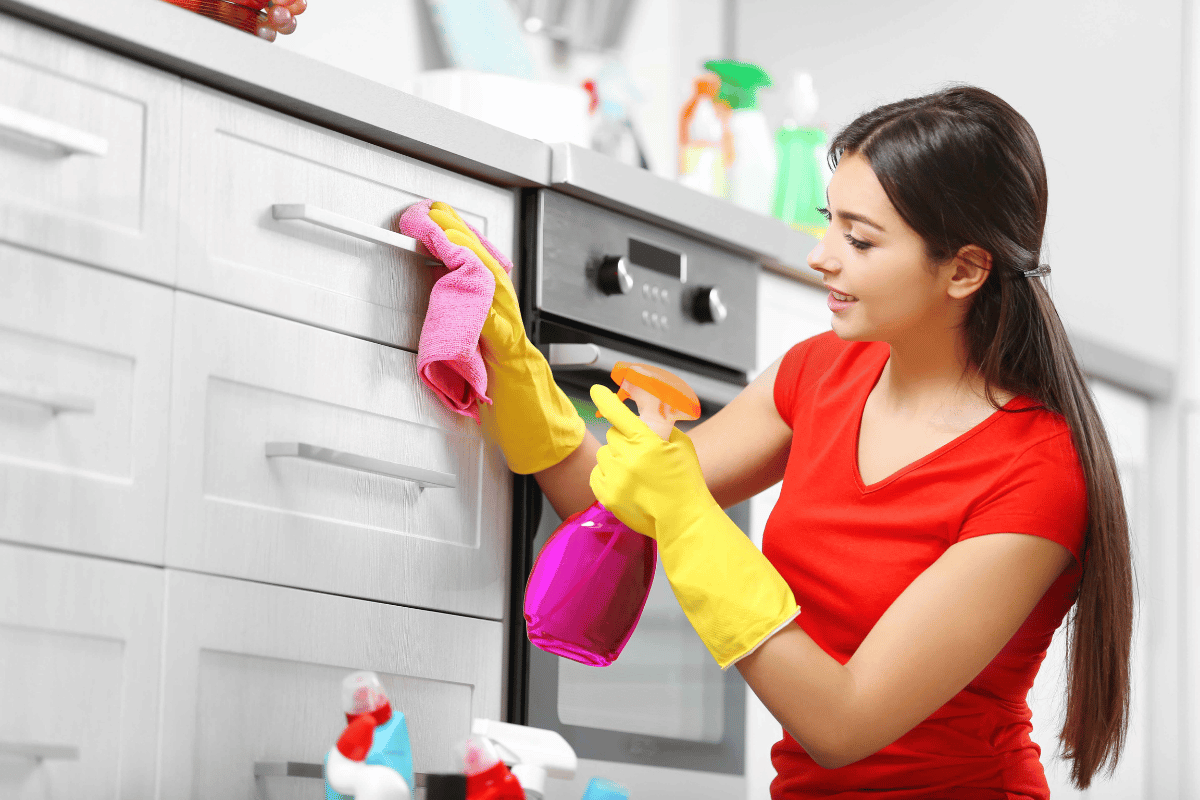
Abrasive pads may seem like a quick fix for stubborn stains, but they can scratch and dull the finish on your cabinets. Over time, this can strip away the protective coating, leaving your cabinets vulnerable to moisture and grime. Instead, opt for a soft microfiber cloth or sponge. It’s gentle on surfaces and effectively picks up dirt without causing damage.
Excessive Water Use
You might think more water means better cleaning, but excessive water can seep into the wood and cause it to warp or swell. This is particularly true for cabinets near the sink or dishwasher. Use a damp cloth rather than soaking your cabinets. Follow with a dry cloth to remove any remaining moisture.
Ignoring Manufacturer Instructions
Each cabinet finish has specific cleaning requirements. Ignoring the manufacturer's instructions can lead to ineffective cleaning or damage. Always check the care label or manufacturer's website for recommended cleaning methods. They know best what works for their product. Have you ever considered how these small mistakes might add up over time? Taking a moment to adjust your cleaning routine can make all the difference in maintaining your cabinets' beauty and longevity.
Credit: www.cabinetdoors.com
Credit: www.lisabronner.com
Frequently Asked Questions
What Is The Safest Cleaner For Kitchen Cabinets?
The safest cleaner is a mild dish soap mixed with warm water. It effectively removes grease and grime without damaging cabinet finishes. Avoid harsh chemicals to preserve wood and paint. Always test a small area first for compatibility.
Can Vinegar Clean Kitchen Cabinets Without Damage?
Yes, diluted white vinegar is a natural, effective cleaner for cabinets. Mix one part vinegar with one part water. It removes dirt and grease safely. Avoid using vinegar on waxed or natural wood finishes as it can cause damage.
How Often Should I Clean Kitchen Cabinets?
Clean kitchen cabinets once every two weeks for regular maintenance. Wipe down with a gentle cleaner to prevent buildup of grease and grime. Deep clean once a month for better hygiene and to maintain cabinet appearance.
Are Commercial Cabinet Cleaners Better Than Homemade Solutions?
Commercial cleaners are formulated for tough stains but may contain harsh chemicals. Homemade solutions like soap and vinegar are safer and eco-friendly. Choose based on cabinet material and level of dirt. Always read product instructions before use.
Conclusion
Choosing the right cleaner keeps your kitchen cabinets fresh and bright. Gentle formulas protect wood and paint from damage. Regular cleaning stops dirt and grease buildup easily. Always test cleaners on a small area first. Natural options like vinegar and soap work well too.
Clean cabinets make your kitchen feel welcoming and neat. Small efforts bring big results over time. Keep your cabinets looking their best with simple care.