
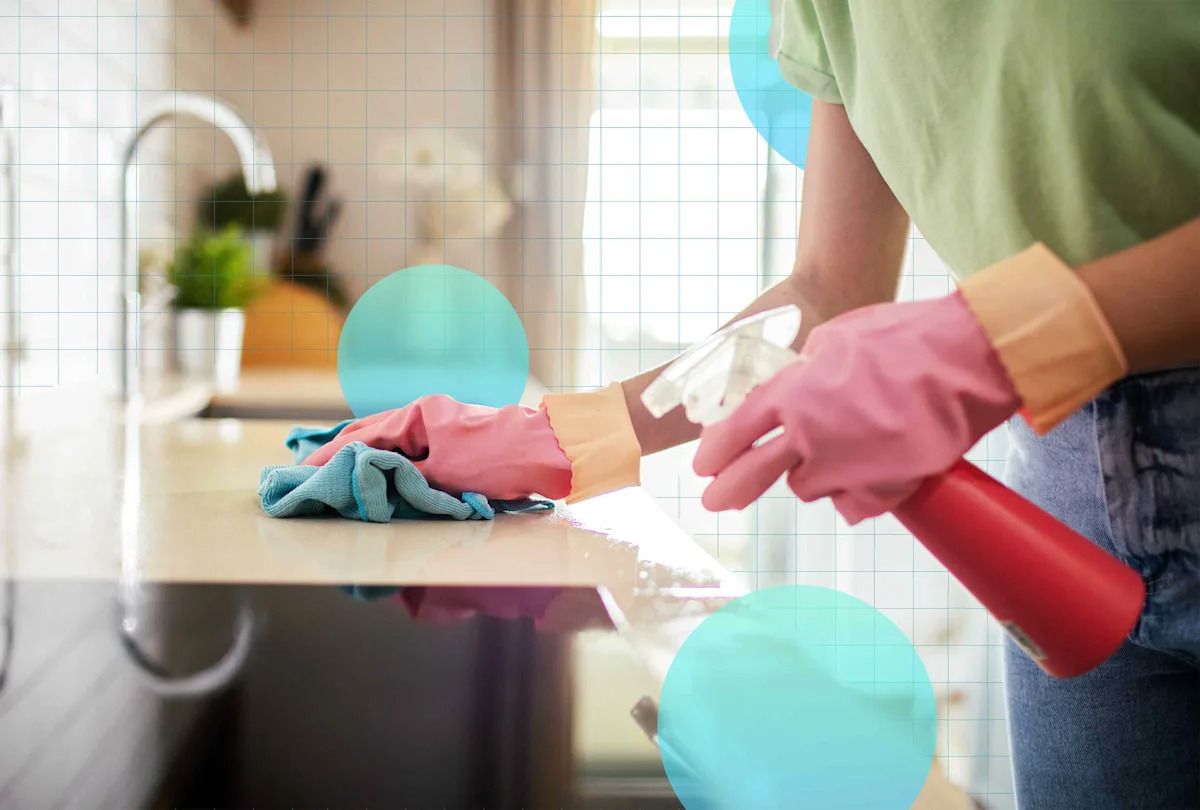
When it comes to your kitchen, keeping it clean is more than just a chore—it’s about protecting your health and the health of everyone you cook for. You might think cleaning and sanitizing mean the same thing, but they play very different roles in making your kitchen safe.
Understanding what cleaning and sanitizing really are can change the way you handle your kitchen every day. Ready to discover simple steps that can make a big difference in your home? Let’s dive in and unlock the secrets to a truly safe and spotless kitchen.
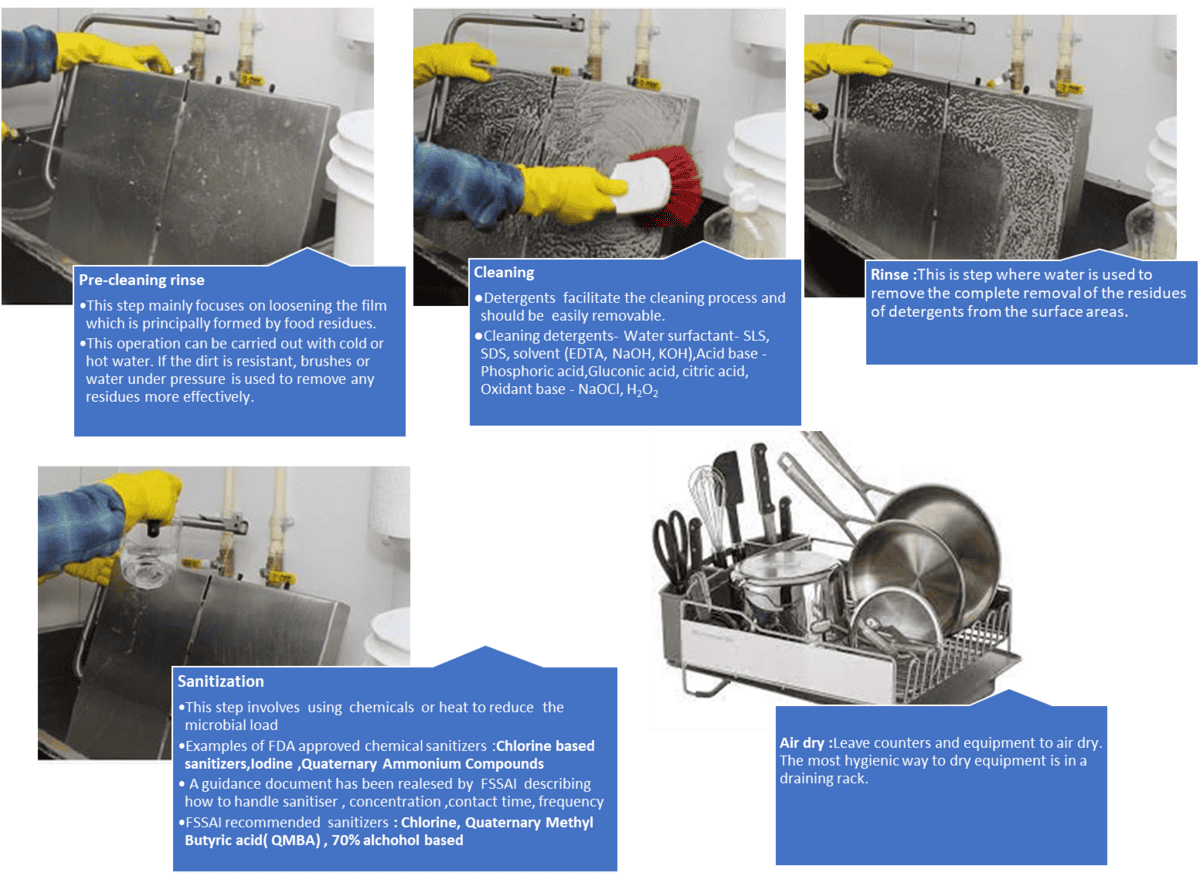
Credit: foodsafetyworks.com
Cleaning Vs Sanitizing
Cleaning and sanitizing are often used together but they serve different purposes in the kitchen. Understanding the difference helps keep your space safe and healthy. Cleaning removes dirt, grease, and food bits. Sanitizing reduces germs to safe levels. Both steps protect your family from illness.
Key Differences
- Cleaningmeans removing visible dirt and grime.
- It uses soap or detergent with water.
- Sanitizingkills or lowers harmful germs.
- It uses chemicals or heat to reduce bacteria.
- Cleaning happens before sanitizing.
- Sanitizing does not clean dirt by itself.
Why Both Matter
Cleaning first removes food and grease that hide germs. Without cleaning, sanitizing cannot work well. Sanitizing kills bacteria that cause sickness. Skipping either step raises the risk of contamination. Clean and sanitize to keep kitchen tools and surfaces safe.
Common Kitchen Germs
Germs are everywhere in your kitchen, and many of them are invisible to the naked eye. These tiny invaders can easily contaminate your food and surfaces, leading to unpleasant illnesses. Understanding common kitchen germs helps you take the right steps to keep your cooking space safe and healthy.
Sources Of Contamination
Germs usually enter your kitchen through raw foods like meat, poultry, and vegetables. Cutting boards, sponges, and even your hands can transfer bacteria from one surface to another.
Think about the last time you handled raw chicken and then touched a salad bowl without washing your hands. That’s a common way germs spread. Pets, pests, and dirty dishcloths also bring unwanted bacteria into your kitchen.
Health Risks
Some kitchen germs cause food poisoning, leading to symptoms like nausea, vomiting, and stomach cramps. Salmonella and E. coli are well-known culprits often found in undercooked meat or contaminated produce.
Other bacteria like Listeria can be especially dangerous for pregnant women and the elderly. Are you aware that even small cuts on your hands can let germs enter your bloodstream? That’s why proper cleaning and sanitizing aren’t just about food safety—they protect your overall health.
Effective Cleaning Methods
Effective cleaning methods are essential for a safe kitchen. They remove dirt, grease, and harmful germs. Good cleaning improves food safety and prevents illness. It also keeps your kitchen looking fresh and inviting. Knowing the right tools and steps makes cleaning easier and faster.
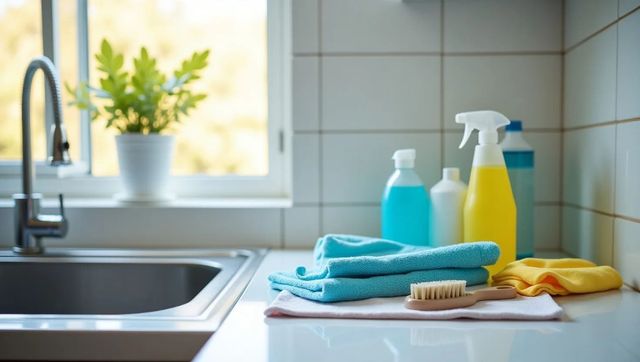
Tools And Supplies
- Dish soap for cutting grease
- Disinfectant sprays or wipes
- Scrub brushes and sponges
- Microfiber cloths for wiping surfaces
- Bucket for water and cleaning solution
- Rubber gloves to protect your hands
- Trash bags for waste disposal
Step-by-step Cleaning Process
- Clear all dishes and food from surfaces.
- Rinse dishes and utensils with warm water.
- Use dish soap and scrub to remove grease.
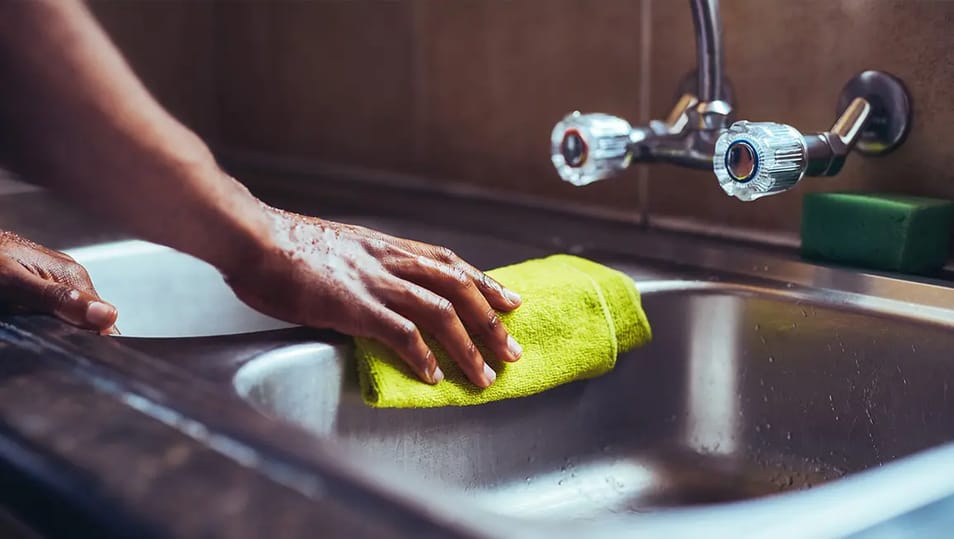
- Wipe counters and tables with a damp cloth.
- Spray disinfectant and let it sit for a few minutes.
- Wipe surfaces again to remove germs.
- Clean floors by sweeping and mopping with a mild cleaner.
- Empty trash and replace the bag.
- Wash cleaning tools and let them dry.
Credit: www.lysol.com
Sanitizing Techniques
Sanitizing techniques are essential for maintaining a safe and healthy kitchen environment. They go beyond simple cleaning by reducing harmful bacteria and germs that can cause foodborne illnesses. Understanding different sanitizing methods helps you protect yourself and your loved ones from contamination risks.
Chemical Sanitizers
Chemical sanitizers are widely used in kitchens for their effectiveness and speed. Common options include chlorine bleach, quaternary ammonium compounds, and iodine solutions. These chemicals work by killing bacteria quickly when applied properly.
Using chemical sanitizers requires careful attention to concentration and contact time. Too little sanitizer won’t kill germs, while too much can leave harmful residues. Always follow the instructions on the label for safe and effective use.
Have you checked if your sanitizer is food-safe? Some chemicals might harm surfaces or affect food taste if not used correctly. Testing on a small area first can save you from surprises.
Natural Alternatives
Natural sanitizers offer a gentler option for those who prefer fewer chemicals in their kitchen. Vinegar, hydrogen peroxide, and essential oils like tea tree or eucalyptus can reduce bacteria levels effectively.
While natural alternatives might take longer to work, they often leave no toxic residues. For example, wiping cutting boards with vinegar after washing can help lower germs without harsh chemicals.
Do natural sanitizers meet your kitchen’s hygiene needs? You might consider combining natural methods with thorough cleaning to ensure safety. Experiment with different options to find what fits your routine best.
Frequency And Timing
Frequency and timing are key to keeping your kitchen safe and hygienic. Cleaning and sanitizing are not just chores but essential habits that protect your family from harmful bacteria. Knowing how often and when to clean or sanitize can prevent foodborne illnesses and maintain a fresh cooking space.
Daily Cleaning Tasks
Some cleaning tasks need your attention every day to keep the kitchen spotless. Wiping down countertops, sweeping floors, and washing dishes right after use are simple habits that make a big difference.
Don’t forget to clean the sink and faucet, where germs love to hide. Also, take a moment to empty the trash to avoid bad odors and bacterial growth. These small daily actions save you from bigger cleaning jobs later.
When To Sanitize
Sanitizing is different from cleaning; it kills the germs that cleaning might miss. You should sanitize cutting boards, knives, and other food-contact surfaces especially after handling raw meat, poultry, or seafood.
Think about sanitizing after spills of raw food juices or whenever you switch between preparing different types of food. Also, sanitize kitchen tools and surfaces after a sick family member has been around to stop the spread of germs.
How often do you pause to sanitize during meal prep? Adding this step regularly can change the safety level of your kitchen dramatically.
Common Mistakes To Avoid
Cleaning and sanitizing your kitchen properly is crucial to keep it safe and germ-free. However, many people unintentionally make mistakes that reduce the effectiveness of their efforts. Identifying these common errors can help you improve your kitchen hygiene and protect your family from foodborne illnesses.
Overlooking High-touch Areas
It's easy to focus on countertops and sinks while forgetting high-touch areas like refrigerator handles, light switches, and faucet knobs. These spots can harbor germs just as much as food prep surfaces. If you miss cleaning them regularly, you risk spreading bacteria every time you touch them.
Think about how often you grab the fridge door or turn on the kitchen light. Are you wiping these areas daily? Adding them to your routine can make a big difference in overall cleanliness.
Mixing Chemicals
Mixing different cleaning chemicals can be dangerous and reduce their effectiveness. For example, combining bleach with ammonia creates toxic fumes that can harm your health. It’s important to read labels and use one product at a time.
Have you ever tried mixing cleaners to get a stronger result? That short-cut could backfire badly. Stick to recommended uses and rinse surfaces properly before switching products.
Tips For Maintaining A Safe Kitchen
Cleaning removes dirt and food residue from kitchen surfaces. Sanitizing kills harmful germs, making the kitchen safe for cooking and eating. Both steps keep food safe and prevent illness.
Maintaining a safe kitchen is essential for health and well-being. A clean kitchen prevents foodborne illnesses and ensures a pleasant cooking environment. By focusing on personal hygiene and proper food storage, you can keep your kitchen safe and hygienic.
Personal Hygiene
Good personal hygiene is crucial in the kitchen. Wash your hands with soap and water before and after handling food. Use a clean towel to dry them. Always tie back long hair to prevent contamination. Wear clean clothing and an apron when cooking. Avoid touching your face or hair while preparing meals. If you have a cut or wound, cover it with a waterproof bandage. These practices prevent the spread of germs and keep food safe.
Proper Food Storage
Proper food storage extends the freshness of ingredients. Store raw and cooked foods separately to avoid cross-contamination. Keep perishable items in the refrigerator at or below 40°F (4°C). Use airtight containers to store leftovers. Label containers with dates to ensure timely consumption. Place raw meats on lower shelves to prevent drips onto other foods. Maintain a clean and organized fridge. This practice ensures food safety and reduces waste.
Credit: www.whatamaidllc.com
Frequently Asked Questions
What Is The Difference Between Cleaning And Sanitizing?
Cleaning removes dirt and food residue, while sanitizing kills bacteria. Both are essential for kitchen hygiene and safety.
Why Is Sanitizing Important In Kitchen Cleaning?
Sanitizing reduces harmful microbes that cause foodborne illnesses. It ensures surfaces and utensils are safe for food preparation.
How Often Should Kitchen Surfaces Be Cleaned And Sanitized?
Kitchen surfaces should be cleaned after every use and sanitized at least once daily. High-touch areas need more frequent sanitizing.
Can I Use The Same Product For Cleaning And Sanitizing?
No, cleaning products remove dirt, while sanitizers kill germs. Use proper cleaners first, then apply sanitizers for effectiveness.
Conclusion
Cleaning removes dirt and grease from kitchen surfaces. Sanitizing kills harmful germs that cause sickness. Both steps keep your kitchen safe and healthy. Clean and sanitized kitchens prevent food contamination. Regular care protects your family and guests. Simple habits make a big difference every day.
Remember, clean first, then sanitize for best results. Safe kitchens lead to safe meals. Keep your kitchen fresh and germ-free always.