
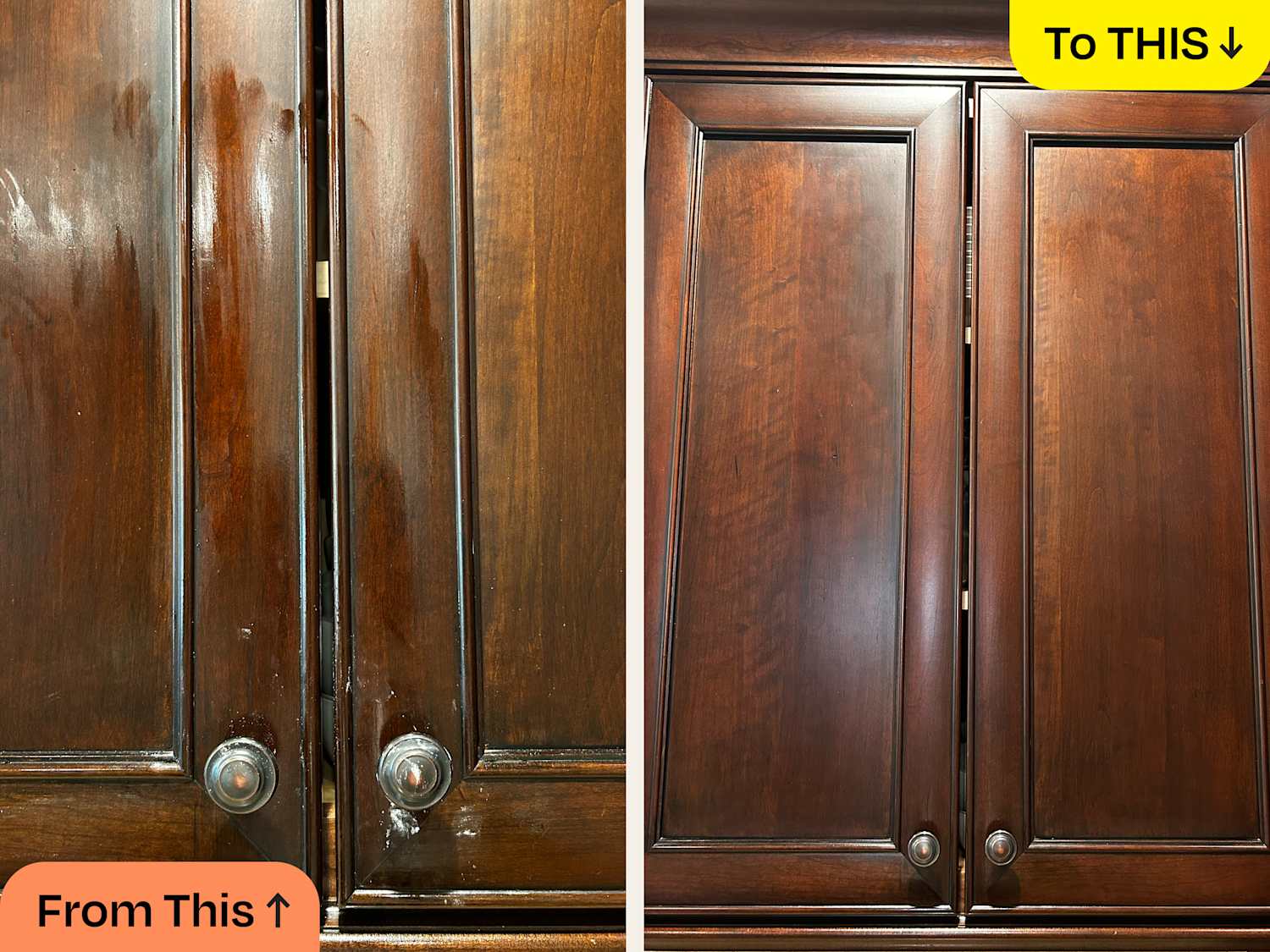
Are you tired of staring at greasy kitchen cabinets that never seem to get clean? Grease buildup can make your kitchen look dirty, even right after you’ve cleaned.
But don’t worry—there are simple and effective ways to tackle that stubborn grease without harsh chemicals or endless scrubbing. You’ll discover easy-to-use solutions that will bring back the shine to your cabinets and make your kitchen feel fresh again. Keep reading, and you’ll learn exactly what works best for cleaning grease off your kitchen cabinets.

Credit: www.thegreencompany.online
Common Grease Types
Grease is a common problem in kitchens, especially on cabinets. It sticks to surfaces and attracts dirt. Understanding common grease types helps in choosing the right cleaning method. Grease varies in thickness and source, affecting how it clings to cabinet surfaces.
Sources Of Kitchen Grease
- Cooking oils from frying and sautéing
- Butter and margarine residue
- Meat drippings and fat splatters
- Smoke and vapor from cooking
- Food particles mixed with oil
These sources create different types of grease. Some are thin and sticky, others thick and heavy. Knowing the source helps in selecting the best cleaning agent.
Effects On Cabinet Surfaces
Grease builds up over time and dulls cabinet finish. It causes stains that are hard to remove. Grease can make cabinets feel sticky and look dirty. It attracts dust and grime, worsening the problem. Long-term grease can damage wood and paint.

Credit: currently.att.yahoo.com
Safe Cleaning Materials
Choosing safe cleaning materials for your kitchen cabinets is key to maintaining their finish and your health. Harsh chemicals can strip paint or leave harmful residues. It’s better to pick products that effectively cut grease without damaging surfaces or causing irritation.
Household Cleaners That Work
You probably already have some great grease-fighting cleaners at home. Dish soap is a simple but powerful option. Its grease-cutting agents dissolve oily residues quickly and gently.
White vinegar mixed with warm water also works wonders. It breaks down grease and disinfects without harsh chemicals. Just spray it on your cabinets and wipe with a soft cloth.
Baking soda paste is another handy cleaner. Mix baking soda with a little water until it forms a thick paste. Apply it on greasy spots, let it sit for a few minutes, then scrub lightly and rinse off.
- Dish soap and warm water
- White vinegar diluted with water
- Baking soda paste
- Commercial degreasers labeled safe for painted surfaces
Natural Alternatives
If you want to avoid chemicals altogether, natural options can be surprisingly effective. Lemon juice, for example, has natural acidity that cuts through grease and leaves a fresh scent behind.
Olive oil mixed with a few drops of essential oils can clean and shine wooden cabinets without harmful effects. It nourishes the wood while removing grime.
Have you tried microfibre cloths? They trap grease with just water and no cleaners at all. This method takes more elbow grease but saves your cabinets from exposure to chemicals.
- Lemon juice diluted with water
- Olive oil and essential oil blend for wooden cabinets
- Microfibre cloths with plain water
What safe cleaning materials do you rely on for your kitchen? Trying these options might change how you tackle grease forever.
Effective Cleaning Techniques
Cleaning grease off kitchen cabinets can feel like a tough job, but effective techniques make it manageable and even satisfying. The right approach targets stubborn grease without harming your cabinets' finish. You don’t need harsh chemicals—just smart, practical steps and the right tools.
Step-by-step Cleaning Process
Start by removing any loose dust or dirt with a dry microfiber cloth. This prevents smearing grease around when you begin cleaning.
Next, prepare a gentle cleaning solution. Mix a few drops of dish soap with warm water in a bucket. Dish soap is designed to cut through grease effectively without damaging surfaces.
Dip a soft sponge or cloth into the solution, wring it out to avoid excess water, and gently wipe the cabinet surfaces. Focus on areas with visible grease buildup, moving in small circular motions.
After cleaning, rinse the sponge or cloth in clean water, wring it well, and wipe down the cabinets again to remove soap residue.
Dry the cabinets with a clean towel to avoid water spots and protect the finish. Notice how much brighter and cleaner your cabinets look!
Tools To Use For Best Results
- Microfiber cloths:These trap grease and dirt efficiently without scratching surfaces.
- Soft sponges:Ideal for applying cleaning solutions without damaging cabinet finishes.
- Spray bottles:Useful for evenly distributing cleaning solutions on cabinet surfaces.
- Old toothbrushes:Perfect for scrubbing grease out of tight corners and crevices.
- Plastic scraper:Helps gently remove hardened grease without scratching wood or laminate.
Have you noticed how using the right tools saves time and effort? Sometimes, just swapping out a rough cloth for a microfiber one makes all the difference in removing grease effectively.
Preventing Grease Build-up
Regular cleaning with warm, soapy water helps stop grease from sticking to kitchen cabinets. Using a mixture of vinegar and water also cuts through grease quickly and safely. Wiping spills immediately prevents tough build-up over time.
Preventing grease build-up on kitchen cabinets is essential. It keeps your kitchen looking clean and fresh. Grease not only creates a sticky layer but also attracts dust and grime. Regular care and protection can save time and effort. Here are some effective ways to prevent grease from taking over.
Regular Maintenance Tips
Clean cabinets weekly to prevent grease layers. Use a soft cloth dampened with warm water and mild dish soap. Wipe in circular motions to lift grease gently. Rinse the cloth often to avoid spreading grease. Dry the surface with a clean towel. For stubborn spots, use a mixture of vinegar and water. Combine equal parts in a spray bottle. Apply to the greasy area and let it sit for a minute. Wipe away with a damp cloth. Vinegar cuts through grease and leaves a fresh scent.
Protective Measures For Cabinets
Using cabinet liners can protect surfaces from grease. Place liners on shelves and inside drawers. They catch spills and can be washed easily. Choose non-slip liners for added safety. Consider applying a protective coating to the cabinet surface. Products like beeswax polish create a barrier against grease. Apply a thin layer, then buff with a soft cloth. This not only protects but also enhances the cabinet's shine. Keep your kitchen ventilated while cooking. Use an exhaust fan or open windows to reduce grease spread. Grease particles in the air settle on cabinets if not ventilated properly. Regularly clean the range hood filter to ensure proper airflow.
Common Mistakes To Avoid
Cleaning grease off kitchen cabinets seems simple but many make mistakes. These errors can damage cabinets or leave grease behind. Avoiding common pitfalls saves time and keeps cabinets looking fresh.
Harsh Chemicals To Skip
Strong chemicals can strip cabinet finishes and cause discoloration. Avoid bleach, ammonia, and abrasive cleaners. These products may remove grease but harm wood or paint. Use gentle, natural cleaners instead. Mild soap with warm water works well. Vinegar diluted in water can cut grease safely.
Wrong Cleaning Tools
Using rough scrubbing pads or brushes can scratch cabinet surfaces. Avoid steel wool or hard-bristle brushes. Soft microfiber cloths or sponges clean better without damage. Always test tools on a small area first. Gentle wiping removes grease without harming cabinets.
Credit: www.thekitchn.com
Frequently Asked Questions
What Household Items Clean Grease Off Kitchen Cabinets?
Common household items like baking soda, vinegar, and dish soap effectively clean grease from kitchen cabinets. These items break down grease without harsh chemicals, making them safe for most cabinet finishes.
Can Vinegar Remove Stubborn Grease From Cabinets?
Yes, vinegar is acidic and cuts through tough grease buildup. Mix equal parts vinegar and water, spray on cabinets, and wipe with a soft cloth for best results.
Is Baking Soda Good For Greasy Kitchen Cabinets?
Baking soda is excellent for cleaning grease. Make a paste with water, apply it gently, then scrub and rinse to remove grime without damaging the surface.
How Often Should I Clean Kitchen Cabinets To Prevent Grease?
Clean kitchen cabinets weekly or biweekly to prevent grease buildup. Regular maintenance keeps cabinets looking fresh and reduces tough-to-remove stains.
Conclusion
Grease on kitchen cabinets can be tough to clean. Using gentle cleaners keeps cabinets safe and shiny. Natural solutions like vinegar and baking soda work well. Avoid harsh chemicals that damage wood or paint. Regular cleaning stops grease from building up.
Clean cabinets make your kitchen look fresh and neat. Simple steps save time and effort. Keep your kitchen cabinets grease-free with easy care.