
Have you ever wondered what keeps your kitchen safe from dangerous grease fires? The answer lies in something you might often overlook: kitchen exhaust cleaning.
If you want to protect your home or business, improve air quality, and avoid costly repairs, understanding this simple process is key. You'll discover exactly what kitchen exhaust cleaning is, why it matters to you, and how it can save you from unexpected problems.
Keep reading to learn how a clean kitchen exhaust can make a big difference in your daily life.
Kitchen Exhaust System Basics
The kitchen exhaust system plays a key role in keeping kitchens safe and clean. It removes smoke, heat, grease, and odors from the cooking area. Understanding the basics helps in maintaining this system properly. This system works quietly in the background but is essential for any commercial or home kitchen.
Components Of The System
- Hood:Captures smoke and fumes from cooking.
- Filters:Trap grease and prevent it from entering the ductwork.
- Ductwork:Carries air from the hood to the outside.
- Exhaust Fan:Pushes the air out of the building.
- Makeup Air Unit:Replaces the air removed, keeping air balanced.
How It Works
The hood collects smoke, steam, and grease-laden air from cooking. Air passes through filters that catch grease particles. The exhaust fan pulls the filtered air through ductwork. Then it pushes the air outside the building. Fresh air enters through the makeup air unit to replace the exhausted air. This cycle keeps the kitchen air clean and safe.

Credit: www.advancedfireandsafety.ca
Importance Of Regular Cleaning
Keeping your kitchen exhaust system clean is more than just a chore—it's a key part of running a safe and efficient kitchen. Regular cleaning helps you avoid costly repairs and keeps your cooking environment healthy. Have you ever wondered what could happen if grease and grime build up unchecked?
Fire Prevention
Grease buildup in kitchen exhausts is highly flammable. A small spark can ignite it, causing dangerous fires that spread quickly. Regular cleaning removes this grease, significantly lowering the risk of a fire breaking out in your kitchen.
Think about your own kitchen—are you confident that the exhaust system is free of fire hazards? Cleaning isn't just a safety step; it's a necessary one to protect you, your staff, and your property.
Maintaining Air Quality
Cooking produces smoke, odors, and airborne grease particles. If your exhaust system is dirty, these pollutants linger and recirculate in your kitchen. This can cause discomfort and health issues for anyone working in or visiting your space.
Regular cleaning ensures that air flows freely and contaminants are removed efficiently. You’ll notice fresher air and fewer lingering smells, making your kitchen a more pleasant place to work.
Enhancing System Efficiency
A clogged exhaust system struggles to pull out smoke and heat. This forces your ventilation system to work harder, increasing energy costs and wearing out equipment faster. Cleaning restores proper airflow and reduces strain on your system.
When you keep your exhaust system clean, you extend its lifespan and save money on utility bills. Isn’t it worth a little time now to avoid bigger expenses later?
Signs Your Exhaust Needs Cleaning
Knowing the signs of a dirty kitchen exhaust is important. It helps keep your kitchen safe and clean. Ignoring these signs can lead to fire hazards and poor air quality. Watch for these key indicators that your exhaust needs cleaning.
Visible Grease Buildup
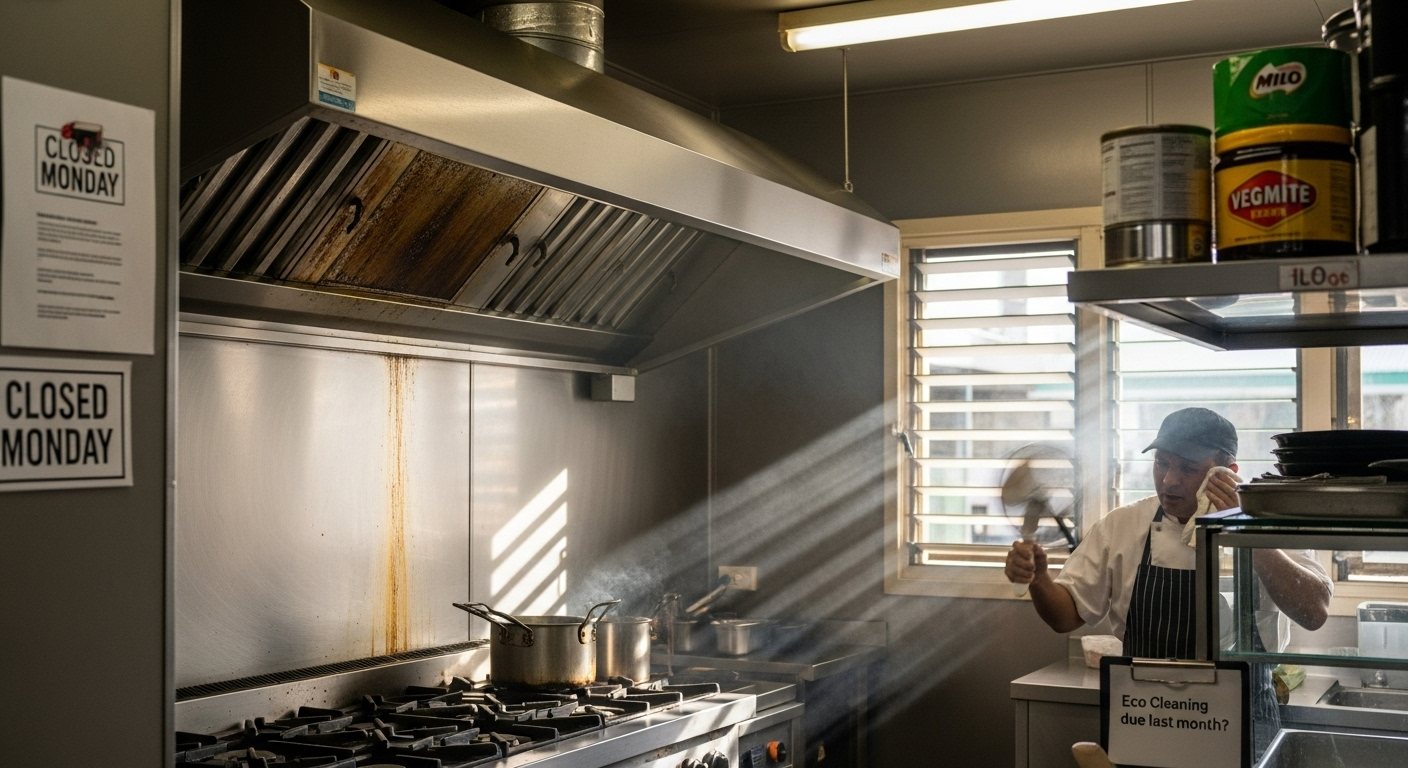
Grease looks like thick, sticky residue on exhaust surfaces. It often appears on filters and hoods. This buildup blocks airflow and traps heat. You may notice layers of yellow or brown grease. This is a clear sign that cleaning is overdue.
Unpleasant Odors
Bad smells in the kitchen can mean exhaust problems. Grease and food particles create foul odors over time. These smells linger even after cooking stops. Persistent odors suggest the exhaust system is clogged. A thorough cleaning can remove these unpleasant smells.
Reduced Airflow
Air should move freely through the exhaust system. Weak airflow means grease or dirt is blocking vents. This reduces the system’s ability to remove smoke and heat. Poor airflow can make your kitchen uncomfortable and unsafe. Cleaning restores proper ventilation and improves air quality.

Credit: mfstradeschool.com
Cleaning Process Steps
Kitchen exhaust cleaning removes grease and dirt from vents and hoods. This process helps prevent fires and keeps air fresh. Regular cleaning ensures a safe and healthy kitchen environment.
Cleaning Process Steps Maintaining a clean kitchen exhaust system is crucial for safety and efficiency. The process involves several key steps that ensure every part of the system is thoroughly cleaned and free from hazardous grease build-up. Each step is designed to tackle specific aspects of the cleaning process, ensuring a comprehensive approach.
Inspection And Assessment
Before diving into the cleaning, a thorough inspection is necessary. This involves checking for grease build-up, blockages, and any potential damage. You might be surprised at what the inspection reveals—often, there’s more grease than meets the eye. The assessment helps in planning the cleaning process. It identifies which areas require more attention and what tools are needed. This step is crucial for a targeted cleaning approach.
Grease Removal Techniques
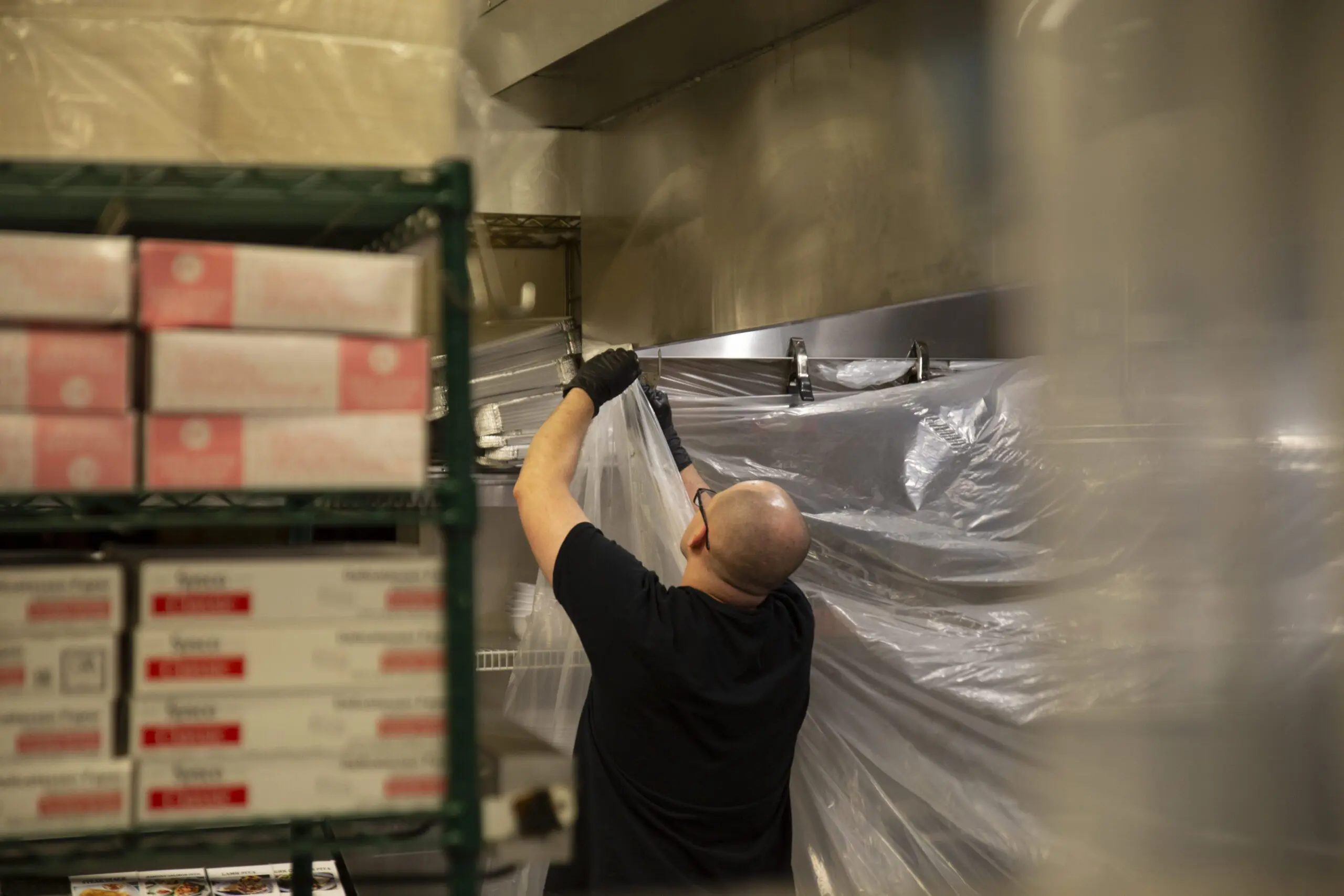
Removing grease is the heart of the cleaning process. Various techniques are employed depending on the extent of the build-up. Manual scraping is often used for stubborn spots, while chemical degreasers can dissolve the grease effectively. High-pressure washing is another technique that blasts away grease. The choice of method depends on the system’s condition and the type of grease. Have you ever noticed how much smoother a clean exhaust fan runs?
Post-cleaning Inspection
Once cleaning is complete, a post-cleaning inspection ensures everything is in order. This step confirms that all grease has been removed and the system is functioning optimally. It’s like giving your kitchen a fresh start. During this inspection, any issues found during the initial assessment are re-evaluated. This ensures nothing was missed and provides peace of mind knowing your kitchen is safer and more efficient. What improvements do you notice in your kitchen's performance after a thorough cleaning?
Choosing A Professional Service
Choosing a professional kitchen exhaust cleaning service is important for safety and health. Proper cleaning prevents fire hazards and ensures clean air in your kitchen. Professionals have the skills and tools to do the job well. Picking the right service saves time and gives peace of mind.
Certifications To Look For
Check if the company has proper certifications. Look for certifications like:
- NFPA (National Fire Protection Association) compliance
- IHACI (International Kitchen Exhaust Cleaning Institute) certification
- Local health department approvals
Certified cleaners follow strict safety and cleaning standards. This reduces risks and ensures quality work.
Questions To Ask
Ask clear questions before hiring:
- How often should my kitchen exhaust be cleaned?
- What cleaning methods do you use?
- Do you provide a written report after cleaning?
- Are your workers insured and trained?
- Can you provide references from past clients?
Answers help you understand their service and trust their work.
Cost Factors
Several factors affect the cost of cleaning:
- Size and type of your kitchen exhaust system
- Level of grease buildup
- Frequency of past cleanings
- Location of your property
- Additional services like duct repairs or inspections
Get detailed quotes and compare services. Avoid choosing only by price to ensure quality.
Maintenance Tips Between Cleanings
Keeping your kitchen exhaust system in top shape between professional cleanings can save you time and money. Small, consistent efforts help prevent grease buildup and maintain air quality. These maintenance tips will help you spot issues early and keep everything running smoothly.
Daily Cleaning Habits
Make it a habit to wipe down surfaces around your exhaust hood every day. Grease and food particles settle quickly, so using a damp cloth with mild detergent can prevent sticky buildup.
Don’t forget to clean the exterior of the exhaust hood and surrounding areas. A quick daily wipe reduces the chance of grease hardening and becoming tougher to remove later.
Filter Replacement
Filters trap most of the grease and smoke, but they can get clogged fast. Check your filters weekly and replace or clean them according to the manufacturer's instructions.
Using dirty filters forces the exhaust fan to work harder, which can lead to breakdowns and higher energy bills. Imagine how much smoother your system runs with clean filters!
Regular Inspections
Look closely at your exhaust system once a month. Check for any unusual noises, loose parts, or visible grease buildup in hard-to-reach areas.
Spotting small problems early prevents expensive repairs later. Have you noticed any strange smells or decreased ventilation lately? These can be signs your system needs attention.
Credit: fedlearningcenter.com
Frequently Asked Questions
What Is Kitchen Exhaust Cleaning And Why Is It Important?
Kitchen exhaust cleaning removes grease, smoke, and odors from exhaust systems. It prevents fire hazards, improves air quality, and ensures compliance with health regulations. Regular cleaning maintains kitchen safety and efficiency.
How Often Should Kitchen Exhaust Systems Be Cleaned?
Frequency depends on kitchen usage. Heavy-use kitchens require cleaning every 3 months. Moderate-use kitchens need cleaning every 6 months. Light-use kitchens can clean once a year. Regular inspections help determine exact cleaning schedules.
What Does A Professional Kitchen Exhaust Cleaning Include?
Professional cleaning involves degreasing hoods, ducts, fans, and exhaust outlets. Technicians remove grease buildup and sanitize surfaces. This process reduces fire risks and improves ventilation efficiency.
Can Kitchen Exhaust Cleaning Prevent Fire Hazards?
Yes, grease buildup in exhaust systems is highly flammable. Cleaning removes this grease, reducing fire risks significantly. It is a crucial step in kitchen safety management.
Conclusion
Kitchen exhaust cleaning keeps your kitchen safe and healthy. It removes grease and dirt from vents and ducts. This helps prevent fires and bad odors. Regular cleaning improves air quality and appliance efficiency. Clean exhaust systems save money on repairs and energy.
Trust experts to do this important job well. Keep your kitchen fresh and risk-free by staying on top of cleaning. Simple steps make a big difference in safety and comfort.