

Have you ever noticed a strange smell or heavy smoke coming from your kitchen vent? That’s often a sign your kitchen stack needs cleaning.
But what exactly is kitchen stack cleaning, and why should you care about it? If you want to keep your kitchen safe, fresh, and running smoothly, understanding this simple yet essential process is key. Keep reading, and you’ll discover how kitchen stack cleaning can protect your home, improve air quality, and even save you money in the long run.
Don’t ignore your kitchen stack—it’s more important than you think!
Kitchen Stack Cleaning Basics
Understanding kitchen stack cleaning basics is vital for every home and business. The kitchen stack plays a crucial role in waste disposal and air ventilation. Regular cleaning keeps it working smoothly and prevents health risks. It helps maintain hygiene and avoids costly repairs.
What Is A Kitchen Stack
A kitchen stack is a vertical pipe system. It carries wastewater and air from kitchen drains. It connects sinks, dishwashers, and other appliances to the main sewer line. The stack allows gases to escape safely and ensures proper water flow. It is essential for a clean and functional kitchen plumbing system.
Importance Of Cleaning Kitchen Stacks
Cleaning kitchen stacks removes grease, food particles, and debris buildup. This prevents clogs and blockages that can cause bad smells and slow drainage. A clean stack reduces the risk of pest infestations. It also protects pipes from corrosion and damage. Regular cleaning improves kitchen safety and hygiene for everyone.
Common Kitchen Stack Issues
Kitchen stacks are essential for draining wastewater safely. They carry water and waste from sinks and appliances to the sewer system. Over time, they face several common problems. These issues can disrupt kitchen use and cause damage. Regular cleaning helps prevent these problems and keeps your kitchen hygienic.
Clogs And Blockages
Food scraps, grease, and soap build up inside the stack. This causes slow drainage or complete blockages. Water may back up into the sink or floor. Blockages can lead to leaks or pipe damage. Clearing clogs quickly restores proper flow and avoids costly repairs.
Odor Problems
Waste trapped in the stack creates bad smells. Foul odors escape into the kitchen, making it unpleasant. Bacteria growth in stagnant water worsens the smell. Cleaning removes debris and stops odors from spreading. A fresh-smelling kitchen means a healthier home.
Pest Attraction
Dirty stacks attract pests like flies and cockroaches. Food waste and moisture create a perfect breeding ground. Pests carry germs that harm health and contaminate food. Regular cleaning reduces pest habitats and keeps them away. A clean stack means fewer unwanted visitors.
Tools And Materials Needed
Cleaning your kitchen stack requires the right tools and materials to get the job done effectively. Using improper supplies can lead to poor results or even damage. Let’s look at what you need to prepare before you start.
Essential Cleaning Supplies
- Degreaser:A powerful degreaser breaks down stubborn grease and grime that builds up inside the kitchen stack. Choose one that is safe for metal surfaces.
- Brushes:Long-handled brushes or flexible pipe brushes help you reach deep inside the ducts. Stiff bristles are best for scrubbing away residue.
- Cleaning Cloths and Rags:Use these for wiping down surfaces after scrubbing. Microfiber cloths work well to trap grease particles.
- Vacuum Cleaner:A vacuum with a hose attachment can remove loose dust and debris before wet cleaning begins, making the process cleaner and easier.
- Bucket and Warm Water:Warm water helps activate cleaning agents and rinse surfaces effectively.
Have you ever tried scrubbing a greasy vent with just a cloth? It’s frustrating and ineffective. Getting the right brushes and degreasers can change how quickly and thoroughly you clean.
Safety Gear To Use
- Gloves:Protect your hands from harsh chemicals and sharp edges inside the stack by wearing durable rubber gloves.
- Safety Goggles:Prevent cleaning liquids and debris from getting into your eyes, especially when using sprays or scrubbing vigorously.
- Face Mask:A mask helps avoid inhaling dust, grease particles, or chemical fumes during cleaning.
- Protective Clothing:Wear old clothes or a cleaning apron to shield your skin and garments from splashes.
Don’t underestimate safety gear. One time, I skipped gloves and ended up with irritated skin for days. It’s not worth the risk when simple gear can keep you safe and comfortable.
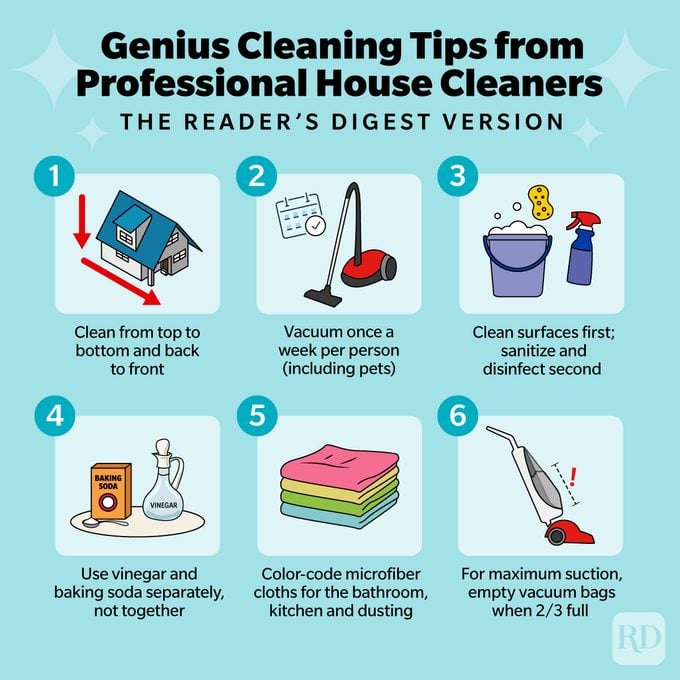
Credit: www.rd.com
Step-by-step Cleaning Process
Cleaning a kitchen stack involves many steps. Each step ensures a spotless and hygienic space. This process removes debris and keeps your kitchen safe. Let's explore the step-by-step cleaning process.
Preparation And Safety Measures
Gather all necessary cleaning supplies. Wear protective gloves and goggles to shield yourself. Ensure the kitchen is well-ventilated. Turn off all electrical appliances. This prevents any accidents while cleaning.
Removing Debris And Grease
Clear the area of any visible debris. Use a scraper to remove stuck-on food particles. Apply a degreaser solution to greasy surfaces. Let it sit for a few minutes. Wipe down the surfaces with a damp cloth. Ensure all grease is removed.
Flushing And Sanitizing
Flush the kitchen stack with hot water. This helps remove any remaining residue. Use a sanitizing solution on all surfaces. Allow it to air dry. This step kills germs and bacteria. Ensures a clean and safe kitchen environment.
Natural Remedies For Maintenance
Keeping your kitchen stack clean doesn't always require harsh chemicals. Natural remedies offer a safe and effective way to maintain cleanliness while protecting your health and the environment.
These simple ingredients are often already in your kitchen. They can tackle grease, odors, and buildup without damaging your stack or pipes.
Are you ready to try easy, natural solutions that work just as well as store-bought cleaners? Let’s look at two popular options.
Using Baking Soda And Vinegar
Baking soda and vinegar create a powerful cleaning duo. When combined, they produce a fizzing reaction that helps break down grime and clear blockages.
Sprinkle half a cup of baking soda directly into your kitchen stack. Follow it with a cup of white vinegar, then cover the drain to keep the reaction concentrated.
After 15-20 minutes, flush the stack with boiling water. This flushes away loosened debris and leaves your pipes fresh and clean.
This method is gentle on your plumbing but tough on buildup. Have you noticed how often this simple trick freshens your kitchen sink?
Lemon And Salt Treatments
Lemon and salt combine cleaning power with a fresh scent. The acidity of lemon cuts through grease, while salt acts as a mild abrasive to scrub away residue.
Cut a lemon in half and dip the cut side into coarse salt. Rub the lemon over the inside edges of your kitchen stack or around the drain area.
Let it sit for 10 minutes, then rinse with warm water. This not only cleans but also helps neutralize odors.
Using natural ingredients like these keeps your kitchen smelling great without artificial fragrances. Would you consider swapping your chemical cleaners for this fresh alternative?
Preventive Tips For Long-lasting Cleanliness
Maintaining a clean kitchen stack ensures safety and better air quality in your kitchen. Preventive care keeps grease and dirt from building up over time. This reduces fire risks and costly repairs. Simple habits make a big difference in keeping your kitchen stack clean and functional for years.
Regular Cleaning Schedule
Set a routine to clean your kitchen stack often. Frequent cleaning stops grease and grime from hardening. Check the stack weekly and clean any visible dirt. Deep clean monthly with professional help if possible. Consistency prevents blockages and unpleasant odors.
Avoiding Harmful Substances
Keep harsh chemicals away from your kitchen stack. Strong acids and solvents can damage the stack’s surface. Use only mild detergents and warm water for cleaning. Avoid pouring grease or oily waste directly into the stack. Protect the stack from substances that cause corrosion.
Proper Waste Disposal
Dispose of kitchen waste carefully to protect the stack. Use strainers to catch food particles and prevent clogging. Never pour grease or cooking oil down the drain. Collect and recycle fats separately. Proper waste disposal extends the life of your kitchen stack and keeps it clean.
When To Call A Professional
Knowing when to call a professional for kitchen stack cleaning can save you from costly repairs and health hazards. It’s easy to ignore minor issues, but certain signs indicate that your kitchen stack needs expert attention immediately. Recognizing these signs early helps you avoid emergencies and keeps your kitchen safe and functional.
Signs Of Severe Blockage
Is your kitchen sink draining slowly or making gurgling noises? These are common signs of a blockage in the kitchen stack.
Other signs include:
- Foul odors coming from drains
- Water backing up into sinks or appliances
- Visible leaks or damp patches on walls or ceilings
If you notice any of these, the blockage might be severe and beyond simple DIY fixes. Ignoring these signs can lead to water damage and expensive repairs.
Benefits Of Professional Cleaning
Professional cleaners use specialized tools that reach deep inside your kitchen stacks, removing build-up that household methods can’t tackle. This thorough cleaning prevents future blockages and extends the lifespan of your plumbing.
Experts also identify hidden issues during cleaning, such as pipe corrosion or joint problems. Addressing these early can save you from unexpected failures.
Would you rather deal with a sudden plumbing emergency or schedule a quick professional cleaning to keep things running smoothly? Choosing professional help means peace of mind and a healthier kitchen environment.

Credit: www.shutterstock.com

Credit: www.amazon.com
Frequently Asked Questions
What Is Kitchen Stack Cleaning?
Kitchen stack cleaning involves removing grease, dirt, and blockages from kitchen exhaust stacks. It ensures better airflow and reduces fire hazards. Regular cleaning maintains hygiene and improves kitchen safety.
Why Is Kitchen Stack Cleaning Important?
Cleaning prevents grease buildup that can cause fires. It also improves ventilation efficiency and reduces unpleasant odors. Regular cleaning keeps your kitchen safe and compliant with health regulations.
How Often Should Kitchen Stack Cleaning Be Done?
Frequency depends on kitchen size and usage. Busy commercial kitchens may need monthly cleaning. Smaller kitchens might require cleaning every six months to maintain safety and performance.
What Tools Are Used In Kitchen Stack Cleaning?
Common tools include brushes, scrapers, and high-pressure water jets. Professional cleaners use specialized equipment to remove tough grease and debris efficiently. Proper tools ensure thorough cleaning and stack longevity.
Conclusion
Kitchen stack cleaning keeps your kitchen safe and fresh. It removes grease and dirt from vents and ducts. Clean stacks help prevent fires and bad smells. Regular cleaning also improves air flow and kitchen hygiene. This simple task protects your appliances and saves money.
Keep your kitchen stack clean for a healthier space. It’s a small step with big benefits. Don’t ignore this important part of kitchen care. Clean stacks mean a safer, cleaner kitchen every day.