
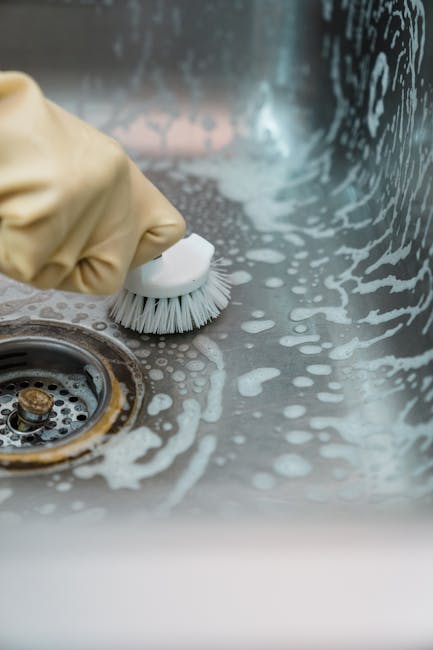
Your kitchen sink is one of the busiest spots in your home. It faces constant exposure to food scraps, grease, and stains that can quickly build up.
You might wonder, what is the best cleaner for kitchen sink that actually works without damaging the surface? Choosing the right cleaner can save you time, keep your sink sparkling, and even prevent germs from spreading. You’ll discover simple, effective options that fit your needs and make cleaning less of a chore.
Keep reading to find the perfect solution for your kitchen sink!
:max_bytes(150000):strip_icc()/spr-stainless-steel-cleaner-test-group-kenedee-fowler-10-b6f467dfe452437c922df27508e6815e.jpeg)
Credit: www.thespruce.com
Types Of Kitchen Sink Cleaners
Choosing the right cleaner for your kitchen sink matters. Different cleaners serve different needs. Some focus on removing stains, others on killing germs. Understanding the types of kitchen sink cleaners helps you pick the best one. Here are the main categories to consider.
Natural Cleaners
Natural cleaners use ingredients from your kitchen. Baking soda and vinegar are popular choices. They clean without harsh chemicals. These cleaners are safe for most sinks and the environment. They help remove odors, stains, and light grime. Natural cleaners work well for regular maintenance.
Commercial Cleaners
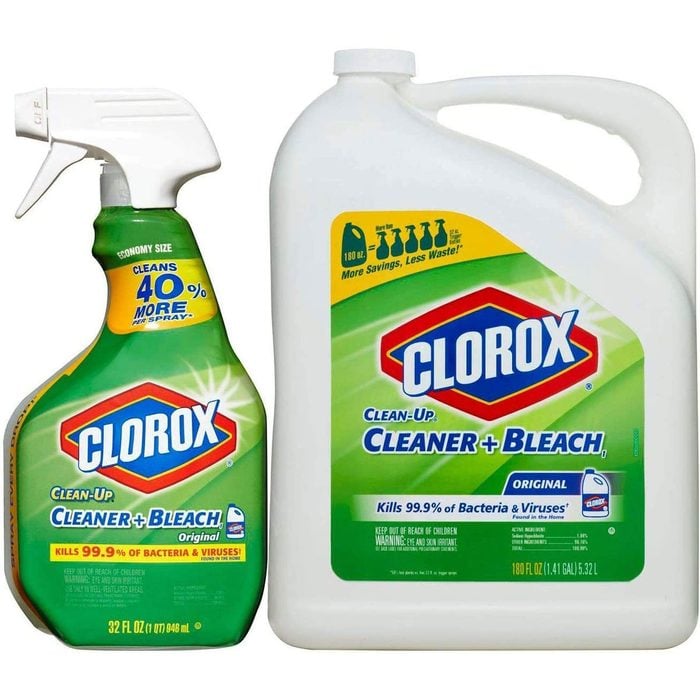
Commercial cleaners are made for tough jobs. They contain strong chemicals to kill bacteria and dissolve grease. These cleaners can remove stubborn stains and buildup. Many come in sprays, gels, or powders. Use them carefully, following the instructions. They are ideal for deep cleaning and heavy use.
Diy Cleaning Solutions
DIY solutions combine household items for effective cleaning. Mix lemon juice with baking soda for a fresh scent and stain removal. Salt and vinegar create a scrub that tackles grime. These solutions save money and reduce chemical use. They are easy to make and customize. Perfect for quick, effective sink cleaning.
Factors To Consider When Choosing A Cleaner
Choosing the right cleaner for your kitchen sink matters a lot. The cleaner must protect the sink’s surface and keep it shiny. It should also remove stains and kill germs effectively. Think about what your sink is made of and how strong the cleaner is. Safety for your family is also a top priority. Consider these key factors before buying a cleaner.
Material Compatibility
Different sinks use different materials like stainless steel, porcelain, or granite. Each material reacts differently to cleaning products. Some cleaners can damage or dull certain surfaces. Always check if the cleaner suits your sink’s material. Using the wrong cleaner can cause scratches or discoloration. Choose a product made for your sink type to keep it safe and bright.
Safety And Toxicity
Kitchen sinks touch food and dishes daily. The cleaner should be safe for your family and pets. Avoid products with harsh chemicals that can cause skin or breathing problems. Look for cleaners that are non-toxic and eco-friendly. Always follow the instructions on the label for safe use. A safe cleaner protects your health and the environment.
Effectiveness Against Stains And Bacteria
Kitchen sinks easily collect food stains and germs. The best cleaner removes tough stains like grease and rust. It also kills bacteria to keep the sink hygienic. Check if the product claims to fight germs and stains well. A powerful cleaner keeps your sink spotless and safe for food prep. Consistent cleaning prevents bad smells and buildup.
Top Cleaners For Different Sink Materials
Choosing the right cleaner for your kitchen sink depends largely on the material it’s made from. Different surfaces react uniquely to cleaning agents, and using the wrong one can cause damage or dull the finish. Knowing which products work best for your sink type will save you time and keep your kitchen looking fresh.
Stainless Steel Sinks
Stainless steel sinks are popular because they resist stains and rust, but they can still develop water spots and scratches. A gentle cleaner like a mixture of baking soda and water works wonders here. Apply it with a soft cloth and rinse thoroughly to restore shine without scratching the surface.
For tougher stains, try a non-abrasive cleaner specifically made for stainless steel. Avoid bleach or harsh chemicals, as they can corrode the metal. Have you noticed how using a microfiber cloth instead of a sponge makes a big difference in avoiding scratches?
Porcelain Sinks
Porcelain sinks look elegant but are prone to chipping and staining. Mild dish soap combined with warm water is often enough for daily cleaning. For stubborn stains, a paste of baking soda and water gently lifts dirt without damaging the surface.
Steer clear of abrasive pads or harsh chemicals that can wear down the porcelain glaze. If your sink has lost its shine, a small amount of white vinegar can help brighten it up. Do you find that quick spot cleaning prevents tougher stains from setting in?
Composite And Granite Sinks
Composite and granite sinks are durable but need special care to maintain their matte finish. Use a gentle cleanser like mild dish soap or a specialized stone cleaner to avoid dulling the surface. Avoid bleach and acidic cleaners that can erode the material over time.
Regularly wiping the sink dry after use prevents water spots and mineral buildup. Have you tried applying a small amount of mineral oil to keep the surface looking new? It’s a simple trick that many overlook but can make a big difference.
Step-by-step Cleaning Techniques
Choosing the best cleaner for a kitchen sink depends on the material and level of dirt. Use gentle scrubs for daily cleaning and stronger solutions for tough stains. Rinse thoroughly to keep the sink shiny and fresh.
Cleaning your kitchen sink might seem like a mundane task, but it plays a crucial role in maintaining a hygienic cooking environment. A sparkling sink not only enhances the look of your kitchen but also prevents the buildup of germs and grime. So, how can you ensure that your sink remains spotless every day? Let’s dive into some effective step-by-step cleaning techniques that will leave your kitchen sink gleaming.
Daily Maintenance Tips
To keep your sink in top condition, make it a habit to rinse it thoroughly after each use. Use warm water and a mild dish soap to wash away food particles and soap residue. A quick scrub with a soft sponge will help prevent stains and water spots. Dry the sink with a clean towel to avoid watermarks. Consider placing a sink strainer to catch debris and prevent clogs. These small steps can make a big difference in maintaining your sink's cleanliness.
Deep Cleaning Methods
For a more thorough clean, you'll want to deep clean your sink weekly. Begin by creating a paste with baking soda and water. Apply the paste with a sponge, scrubbing in circular motions to tackle grime. Let it sit for a few minutes to lift stubborn dirt. Rinse with warm water and finish with a vinegar spray to disinfect. Wipe down with a microfiber cloth for that extra shine.
Removing Tough Stains And Odors
Tough stains can be a real eyesore, but they're not invincible. Use a mixture of baking soda and lemon juice to form a powerful cleaning agent. Apply the mixture directly onto the stain and let it sit for about 10 minutes. Scrub gently with an old toothbrush before rinsing thoroughly. For odors, try placing a few lemon peels in the drain and running hot water to refresh your kitchen sink naturally. Have you ever thought about how much a clean sink can uplift your kitchen's atmosphere? Taking these simple steps can make a world of difference.
Preventing Sink Damage And Maintaining Shine
Keeping your kitchen sink looking its best goes beyond just cleaning it occasionally. Preventing damage and maintaining its shine requires a thoughtful approach to how you clean and care for it. Small changes in your routine can protect your sink’s surface and keep it sparkling for years.
Avoiding Common Cleaning Mistakes
Many people unknowingly harm their sinks by using harsh cleaners or abrasive tools. Avoid steel wool or scouring pads on stainless steel or delicate surfaces—they can cause scratches that dull the finish.
Also, steer clear of bleach or ammonia-based cleaners on natural stone sinks, as they can eat away at the surface. Instead, opt for gentle, pH-neutral cleaners designed for your sink’s material.
Have you ever noticed a cloudy film after cleaning? That’s often residue from soap or hard water. Rinse thoroughly and dry with a soft cloth to prevent buildup.
Regular Care Routines
Consistency is key. Wiping your sink daily with a damp cloth helps prevent stains and mineral deposits from setting in. After washing dishes, give your sink a quick rinse and dry to avoid water spots.
Once a week, use a mild cleaner and a soft sponge to give your sink a deeper clean. Pay special attention to corners and drains where grime tends to build up.
Make it a habit to inspect your sink regularly. Catching small issues early, like rust spots or discoloration, can save you from costly repairs later.
Using Protective Coatings
Applying a protective coating can make a big difference in maintaining your sink’s shine. For stainless steel sinks, a small amount of mineral oil rubbed in with a soft cloth can restore luster and repel water.
Stone sinks benefit from sealants that prevent stains and damage from acidic foods. These sealants need reapplication every few months, so mark your calendar to keep up with it.
Protective coatings act as a barrier against everyday wear and tear. Have you tried this simple step yet? It might be the secret to keeping your sink looking brand new.
Credit: www.familyhandyman.com
Eco-friendly Cleaning Options
Choosing an eco-friendly cleaner for your kitchen sink not only protects the environment but also keeps your home safer from harsh chemicals. These options often use natural ingredients that are effective and gentle, making your cleaning routine healthier and more sustainable. Have you ever wondered how small changes in your cleaning habits could reduce your environmental impact?
Biodegradable Products
Biodegradable cleaners break down naturally, causing less harm to water systems and wildlife. Look for labels that specify “biodegradable” or “plant-based” ingredients. These products often avoid synthetic fragrances and dyes, reducing allergies and skin irritation.
Many brands now offer biodegradable options that clean just as well as traditional cleaners. You can find them in spray bottles or powders, perfect for tackling tough kitchen sink grime without guilt.
Homemade Natural Recipes
Making your own cleaner is simple and saves money. A mix of baking soda and vinegar can remove stains and deodorize your sink effectively. Lemon juice adds a fresh scent while cutting through grease.
Try this recipe: sprinkle baking soda all over the sink, then spray with vinegar. Let it fizz for a few minutes, scrub with a sponge, and rinse with warm water. Your sink will shine without any harsh chemicals.
Reducing Chemical Use
Cutting down on chemical cleaners reduces harmful fumes and pollution. You don’t need multiple products; many natural ingredients serve multiple purposes. For instance, castile soap can clean dishes, countertops, and sinks alike.
Ask yourself, do you really need a specialized cleaner for every task? Simplifying your cleaning supplies can save space, money, and improve your home's air quality. What’s stopping you from making that switch today?

Credit: www.amazon.com
Frequently Asked Questions
What Is The Safest Cleaner For Kitchen Sinks?
The safest cleaner for kitchen sinks is a mild, natural solution like baking soda and vinegar. It effectively removes grime without harsh chemicals, making it safe for most sink materials and your family.
Can I Use Bleach To Clean My Kitchen Sink?
Yes, bleach can disinfect your kitchen sink, but use it sparingly. Dilute bleach with water to avoid damage and rinse thoroughly to prevent residue and harmful fumes.
How Often Should I Clean My Kitchen Sink?
Clean your kitchen sink daily to prevent bacteria and stains. A weekly deep clean with a suitable cleaner keeps it hygienic and looking fresh.
Are Natural Cleaners Effective For Kitchen Sinks?
Yes, natural cleaners like lemon, baking soda, and vinegar are effective. They remove stains, deodorize, and disinfect without toxic chemicals, making them eco-friendly options.
Conclusion
Choosing the best cleaner for your kitchen sink keeps it fresh and safe. A good cleaner removes dirt, stains, and germs quickly. Natural options work well and are gentle on surfaces. Regular cleaning stops bad smells and buildup. Simple habits make your sink shine every day.
Keep your kitchen healthy with the right cleaning routine. Clean sinks make cooking and washing easier. Small efforts bring big results in kitchen care.