
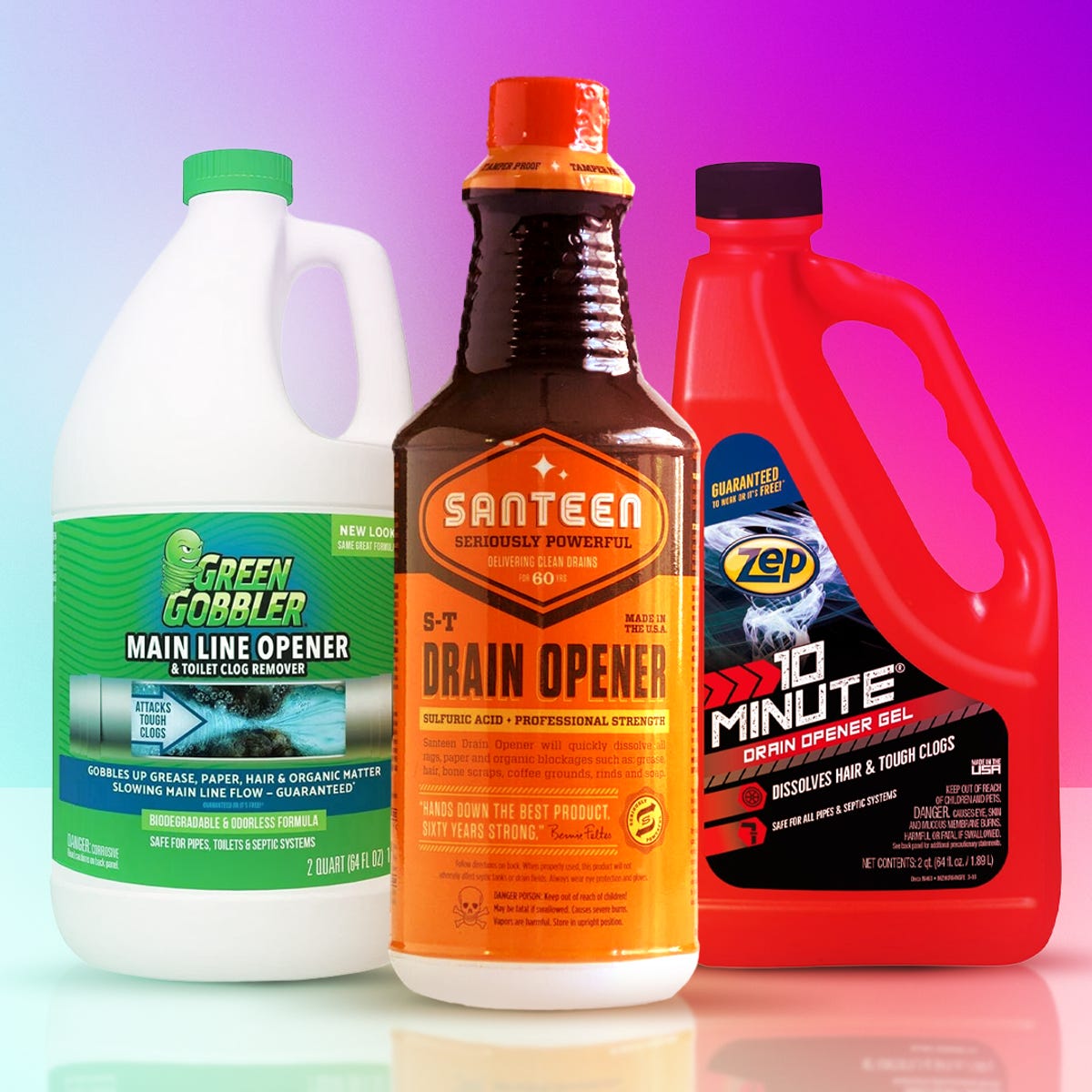
Is your kitchen sink draining slowly or clogged? You’re not alone, and finding the right solution can be frustrating.
Choosing the best drain cleaner for your kitchen sink matters because it saves you time, money, and avoids messy backups. You’ll discover simple, effective options that work fast and keep your pipes clear. Keep reading to learn which products are safe, powerful, and easy to use—so you can get your kitchen sink flowing smoothly again without stress.
Common Kitchen Sink Clogs
Kitchen sink clogs are a common nuisance that can disrupt your daily routine. Understanding what causes these blockages helps you choose the best drain cleaner and prevent future issues. Let’s look at the usual suspects that clog kitchen drains and how they affect your sink’s performance.
Food Residue
Leftover bits of food often slip down the drain while washing dishes. Over time, these scraps accumulate and form stubborn clogs. If you’ve ever noticed water draining slowly after a meal, food residue might be the cause.
Regularly clearing your sink strainer and avoiding washing large food scraps down the drain can save you a lot of trouble. Have you ever tried flushing your drain with hot water after cooking? It helps break down some of the leftover particles.
Grease Buildup
Grease is one of the trickiest causes of kitchen sink clogs. When hot grease cools, it solidifies and sticks to your pipes, gradually narrowing the drain. Even small amounts poured down the sink add up over time.
Think about the last time you rinsed a greasy pan—did you pour the oily water straight into the sink? Avoiding this can prevent a slow, clogged drain that’s hard to clean. You might want to collect grease in a container and dispose of it in the trash instead.
Soap Scum
Soap scum builds up from the combination of soap and minerals in your water. This residue sticks to the sides of pipes and mixes with other debris to create blockages. It’s less obvious but equally damaging.
Using less soap or switching to liquid soap can reduce soap scum. Have you noticed a slimy film around your sink drain? That’s a sign soap scum is accumulating and could lead to clogging soon.
Hair And Debris
Though more common in bathroom drains, hair can also clog kitchen sinks, especially if you’re washing pets or cleaning hairbrushes. Other debris like string, paper bits, or small particles can also get trapped in the drain.
Regularly checking and cleaning your sink drain trap can catch hair and debris before they cause a blockage. Do you remember the last time you pulled out a hairball from your sink? It might be time to inspect your drain again.
Types Of Drain Cleaners
Drain cleaners come in various types, each designed to tackle clogs differently. Choosing the right type depends on the severity and nature of the blockage. Some cleaners dissolve grease, while others break down organic waste or physically remove debris.
Understanding these types helps in picking the safest and most effective option for your kitchen sink.
Chemical Cleaners
Chemical cleaners use strong acids or bases to dissolve clogs fast. They work well on grease, hair, and food particles. Use them with caution as they can damage pipes or harm skin. Always follow safety instructions on the label.
Enzymatic Cleaners
Enzymatic cleaners use natural enzymes to break down organic matter slowly. They are safe for pipes and the environment. These cleaners are best for regular maintenance rather than tough blockages. Patience is key; results may take a few hours.
Mechanical Tools
Mechanical tools physically remove clogs from drains. Examples include plungers, drain snakes, and augers. They do not use chemicals and are safe for all pipe types. These tools require some effort but give immediate results.
Natural Remedies
Natural remedies like baking soda and vinegar can clear minor clogs. These ingredients react to loosen grease and grime. They are affordable and eco-friendly. Use natural remedies regularly to prevent buildup in kitchen sinks.
Top Chemical Drain Cleaners In 2025
Discover the top chemical drain cleaners for kitchen sinks in 2025. These powerful solutions tackle stubborn clogs effectively, ensuring smooth drainage and a clean sink. Perfect for maintaining a fresh kitchen environment.
In the fast-paced world of 2025, finding the best chemical drain cleaner for your kitchen sink can be a game-changer. With various products promising to clear those stubborn clogs, making an informed decision is essential. This year, the spotlight is on a handful of top-performing drain cleaners that have captured consumer attention with their effectiveness and ease of use.
Features And Benefits
Modern chemical drain cleaners offer impressive features that cater to different needs. Some are formulated to tackle the toughest grease build-up, while others are gentle enough for regular maintenance. Many of these products work quickly, often in under 30 minutes, saving you time and hassle. With options available for both metal and PVC pipes, there’s a solution for every kitchen sink scenario.
Safety Considerations
Safety is paramount when dealing with chemical drain cleaners. Always check the label for usage instructions and wear protective gear, like gloves and goggles, to safeguard your skin and eyes. Ventilation is crucial—keep your kitchen well-aired to avoid inhaling fumes. Remember, not all cleaners are suitable for septic systems, so choose accordingly to prevent damage.
User Reviews
User reviews reveal a lot about a product's real-world performance. Many users praise drain cleaners that offer a combination of power and safety. Products with eco-friendly formulas are gaining popularity, showing a shift towards sustainable options. Some users have shared stories of how their long-standing clogs were resolved overnight, while others appreciate the peace of mind from using non-toxic ingredients. Reading reviews can provide valuable insights and help you select the best cleaner for your needs.
Best Enzymatic Cleaners For Kitchen Sinks
Choosing the best enzymatic cleaner for your kitchen sink can make a noticeable difference in maintaining a fresh and clog-free drain. These cleaners use natural enzymes to break down organic matter, making them gentle yet powerful. If you’re tired of harsh chemicals or frequent blockages, enzymatic options offer a smarter way to keep your sink running smoothly.
How They Work
Enzymatic cleaners contain live bacteria and enzymes that target grease, food particles, and other organic debris in your drain. These enzymes digest the waste, turning it into water and carbon dioxide, which then easily flow down the pipes.
This process is gradual but effective, preventing buildup before it becomes a serious clog. Unlike harsh chemical cleaners, enzymatic formulas keep working even after you apply them, giving your pipes ongoing protection.
Effectiveness
Enzymatic cleaners excel at handling organic blockages caused by leftover food, grease, and soap scum—common culprits in kitchen sinks. If you regularly use these cleaners, you’ll likely notice fewer slow drains and unpleasant odors.
However, they might not clear solid objects or inorganic materials. If your sink has persistent clogs from non-organic sources, you may need mechanical cleaning or a different product.
Eco-friendly Options
Many enzymatic cleaners are biodegradable and free from harsh chemicals, making them a great choice for eco-conscious households. They don’t harm your plumbing, septic systems, or the environment.
Brands like Bio-Clean and Green Gobbler offer formulations that are safe to use around pets and children, giving you peace of mind. Wouldn’t it be nice to clean your drains without worrying about toxic residues?
Mechanical Methods To Clear Drains
Mechanical methods offer a hands-on approach to clearing stubborn clogs in your kitchen sink. These techniques work by physically removing or breaking up blockages, which often makes them faster and more effective than chemical cleaners. If you're tired of waiting for slow drains or risking pipe damage with harsh substances, these tools might be your best bet.
Plungers
A plunger is often the first tool people reach for when dealing with a clogged kitchen sink. It uses suction and pressure to dislodge debris blocking the drain. If you’ve ever had success plunging a slow drain, you know how satisfying it feels to watch water drain quickly again.
To maximize effectiveness, create a tight seal around the drain and plunge with steady, firm pressure. Avoid using a toilet plunger; a cup plunger designed for sinks works better. Have you noticed that sometimes just a few strong pumps are enough to clear even tough clogs?
Drain Snakes
Drain snakes, also called augers, are long, flexible tools that reach deep into pipes to break up or pull out blockages. Unlike plungers, they can tackle clogs that lie further down the drain line. If you’ve ever struggled with recurring slow drains, a snake could be the tool that finally clears your pipes.
Insert the snake into the drain and rotate it as you push forward. When you feel resistance, keep turning to break up the clog or hook it for removal. Many homeowners find that investing in a simple manual snake saves money on plumber visits and harsh chemicals.
Hydro-jetting
Hydro-jetting uses high-pressure water streams to blast away grease, food particles, and scale build-up inside pipes. This method is highly effective for kitchen sinks clogged by greasy residues that other tools can’t fully clear. Have you ever wondered how professional plumbers clear even the toughest buildup?
While hydro-jetting typically requires professional equipment, it can restore your drain’s flow to like-new condition without damaging pipes. This method also helps prevent future clogs by thoroughly cleaning pipe interiors. If your kitchen sink frequently backs up, asking about hydro-jetting could be a smart move.
Natural Solutions For Drain Cleaning
Natural solutions for drain cleaning offer a safe and eco-friendly way to keep kitchen sinks clear. These methods avoid harsh chemicals and protect your pipes. They use simple household ingredients that help break down clogs and freshen drains. Natural solutions work gently and effectively for regular maintenance or minor blockages.
Baking Soda And Vinegar
Baking soda and vinegar create a fizzy reaction that helps dissolve grime. Start by pouring half a cup of baking soda down the drain. Follow with half a cup of white vinegar. Let the mixture sit for 15 to 30 minutes. Finally, flush with hot water to clear loosened debris. This combination cleans and deodorizes without chemicals.
Hot Water Flush
Pouring boiling water down the drain helps break down grease and soap buildup. Use a kettle to carefully pour hot water in stages. Allow the water to sit for a few minutes between pours. This method softens clogs and keeps drains flowing smoothly. It is safe for all types of pipes and easy to do regularly.
Essential Oils
Essential oils add a fresh scent and natural antibacterial properties to drains. Mix a few drops of oils like lemon, tea tree, or eucalyptus with hot water. Pour the blend down the sink to refresh and reduce odors. Essential oils also help prevent bacteria growth in your pipes. They are a simple addition to natural drain care routines.
Safety Tips When Using Drain Cleaners
Using drain cleaners can be a quick fix for clogged kitchen sinks, but they come with risks if not handled carefully. Safety should be your top priority to avoid injuries or damage to your plumbing. Here are some essential tips to keep in mind before you pour that cleaner down the drain.
Protective Gear
Always wear gloves to protect your skin from harsh chemicals. Some drain cleaners contain strong acids or bases that can cause burns or irritation.
Eye protection is just as important. Splashing chemicals can happen unexpectedly, and goggles help prevent eye injuries.
Consider wearing old clothes or an apron in case of spills. You don’t want to ruin your favorite outfit while tackling a clogged sink.
Avoiding Damage
Read the product label carefully to make sure the cleaner is safe for your type of pipes. Some chemicals can corrode metal or damage plastic plumbing.
Never mix different drain cleaners or combine them with other household chemicals. This can create dangerous fumes or reactions.
Be patient and follow the recommended waiting time before flushing the drain. Rushing the process might harm your pipes or reduce the cleaner’s effectiveness.
Proper Disposal
After using a drain cleaner, dispose of any leftover product according to the instructions. Pouring unused chemicals down the drain can harm the environment.
Store drain cleaners in a cool, dry place away from children and pets. Proper storage prevents accidental poisoning or spills.
Think about alternatives like natural drain cleaners to reduce chemical waste. Wouldn’t it be better to keep both your home and the planet safe?

Credit: www3.drano.com
Preventing Future Sink Clogs
Preventing future sink clogs is essential for a smooth kitchen routine. Regular care and smart habits keep drains flowing freely. A few simple steps stop buildup and blockages before they start. Protect your sink with practical actions that save time and money.
Regular Maintenance
Clean your kitchen sink drain regularly to avoid clogs. Use hot water to flush away grease and soap residue. Try a gentle drain cleaner once a month for deeper cleaning. Avoid harsh chemicals that can damage pipes. Keeping pipes clear extends their life and keeps water draining fast.
Proper Waste Disposal
Only put liquids and small food scraps down the drain. Avoid coffee grounds, grease, and large food pieces. These items stick to pipes and cause blockages. Use a trash bin for solid waste and compost for food scraps. Proper disposal reduces clog risks and keeps your sink fresh.
Using Sink Strainers
Install sink strainers to catch debris before it enters the drain. They trap food particles, hair, and other solids. Empty strainers into the trash after each use. Sink strainers are inexpensive and easy to clean. They help prevent clogs and protect your plumbing system.
Choosing The Right Drain Cleaner
Choosing the right drain cleaner for your kitchen sink is important for quick and safe results. Different clogs need different cleaners. Using the wrong product can damage pipes or harm the environment. Consider the type of clog, material of your pipes, environmental effects, and your budget. This helps find the best cleaner for your needs.
Type Of Clog
Identify what is blocking your drain. Grease and food scraps are common in kitchen sinks. Hair and soap scum can also cause clogs. Some cleaners work well on organic matter, while others dissolve grease better. Choose a cleaner made for the specific clog type. This increases the chance of clearing the drain fast.
Material Compatibility
Check your sink and pipe materials before buying. Some cleaners are too harsh for certain materials. For example, strong chemicals can damage PVC pipes or metal finishes. Use a cleaner safe for your plumbing system. This prevents leaks and costly repairs.
Environmental Impact
Consider eco-friendly drain cleaners. These products use natural ingredients and break down clogs without harsh chemicals. They protect water sources and reduce pollution. Look for biodegradable labels and non-toxic formulas. This choice helps the planet and your home.
Budget Considerations
Drain cleaners vary in price. Some are cheap but may need multiple uses. Others cost more but work faster. Balance cost with effectiveness and safety. Buying in bulk can save money if you use cleaners often. Choose a product that fits your budget and cleaning needs.

Credit: drano.com

Credit: www.cnet.com
Frequently Asked Questions
What Is The Safest Drain Cleaner For Kitchen Sinks?
The safest drain cleaners are enzyme-based or natural cleaners. They break down organic material without harsh chemicals. These cleaners protect pipes and the environment. Avoid corrosive chemical cleaners for safety.
How Do I Choose The Best Drain Cleaner For My Sink?
Choose based on clog type, pipe material, and environmental impact. Enzyme cleaners work for organic clogs. Chemical cleaners handle tough blockages but may damage pipes. Always read product labels and reviews.
Can Natural Drain Cleaners Effectively Clear Kitchen Sink Clogs?
Yes, natural cleaners like baking soda and vinegar can clear minor clogs. They are eco-friendly and safe for pipes. However, severe clogs may require stronger chemical or enzyme-based cleaners.
How Often Should I Use Drain Cleaner In My Kitchen Sink?
Use drain cleaner monthly for maintenance or as needed for clogs. Overuse of chemical cleaners can damage pipes. Enzyme cleaners can be used more frequently without harm.
Conclusion
Choosing the best drain cleaner for kitchen sinks keeps your pipes clear and fresh. Regular use helps avoid clogs and bad smells. Always pick a cleaner that suits your sink type and drain issue. Follow the instructions carefully for safe and effective results.
Simple care saves time and costly repairs later. Clean drains make your kitchen work better every day. Trust the right product to keep water flowing smoothly. Small steps lead to a cleaner, healthier kitchen space.