
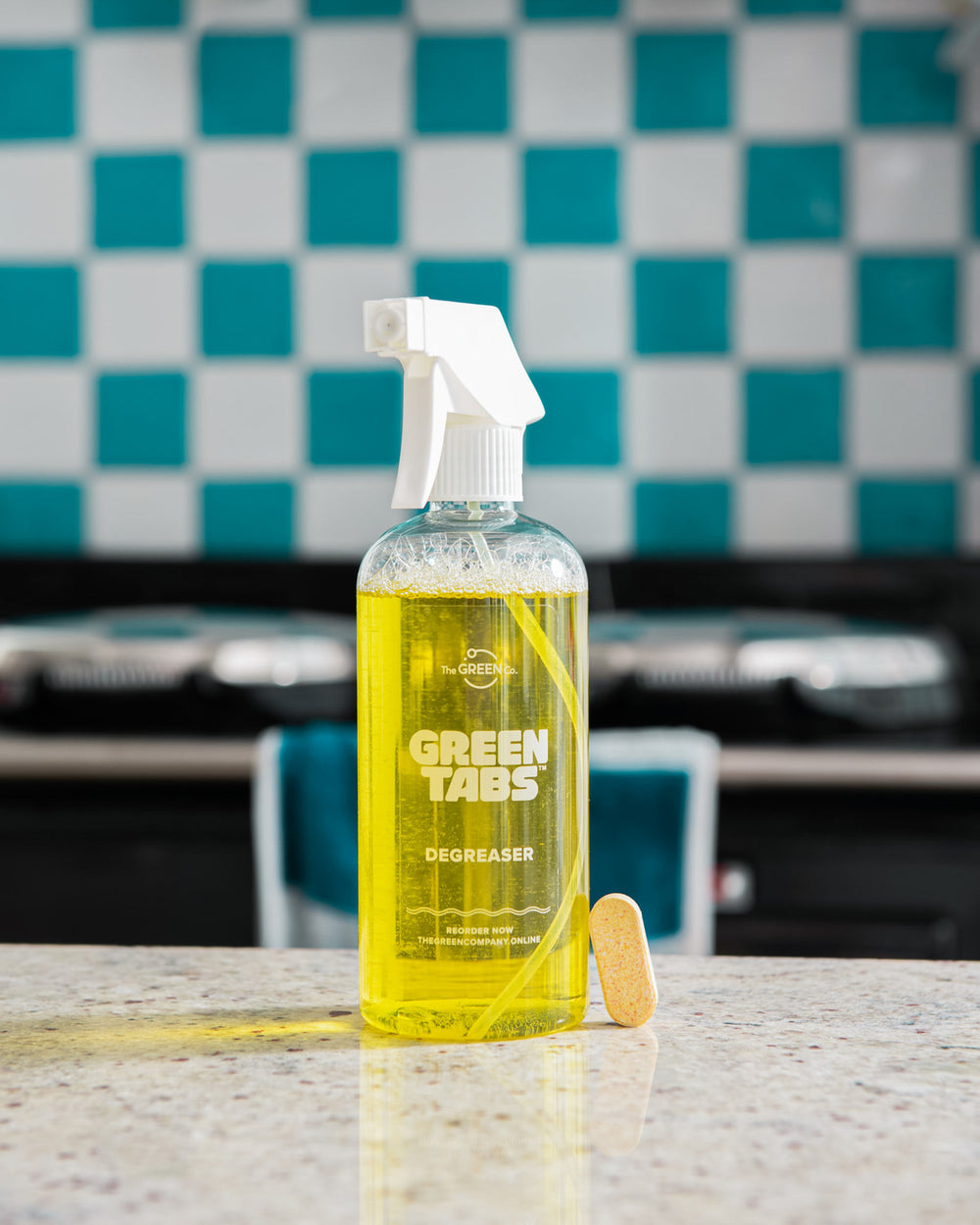
Are you tired of scrubbing your kitchen surfaces over and over, only to see stubborn stains and grime refuse to budge? Finding the best kitchen cleaner can make all the difference in turning your kitchen into a sparkling, fresh space without the hassle.
But with so many options on the market, how do you know which one will work best for your needs? You’ll discover the top kitchen cleaners that save you time, protect your surfaces, and leave your kitchen smelling amazing. Keep reading, and you’ll never dread cleaning again!
Types Of Kitchen Cleaners
Choosing the right kitchen cleaner helps keep your space fresh and safe. Different cleaners serve different purposes. Knowing each type helps pick the best one for your needs. Some remove grease, others kill germs. Some are gentle and natural. Let's explore the main types of kitchen cleaners.
All-purpose Cleaners
All-purpose cleaners handle many kitchen surfaces. They remove dirt, spills, and light stains. You can use them on counters, cabinets, and appliances. These cleaners save time by doing many jobs. They usually come in spray bottles for easy use.
Degreasers
Degreasers target tough grease and oil buildup. They work well on stovetops and exhaust fans. Grease can be sticky and hard to clean. Degreasers break down this grime quickly. Use them carefully as they can be strong.
Disinfectants
Disinfectants kill germs and bacteria on kitchen surfaces. They help prevent illness by making areas safe. Use disinfectants on cutting boards, sinks, and counters. Many come with antibacterial properties. Follow instructions to ensure proper use.
Natural Cleaners
Natural cleaners use ingredients from plants or minerals. They avoid harsh chemicals and are safer for families and pets. Common natural cleaners include vinegar, baking soda, and lemon juice. They clean well and reduce toxins in the kitchen.
Key Ingredients To Look For
Choosing the best kitchen cleaner means knowing what ingredients make it effective and safe. The right mix cleans well without harming surfaces or health. Here are the key ingredients to watch for in kitchen cleaners.
Common Chemical Components
Many kitchen cleaners contain chemicals that break down grease and dirt quickly. These include:
- Surfactants:Help lift and remove oils and grime.
- Solvents:Dissolve sticky residues and stains.
- Bleaching agents:Remove stains and whiten surfaces.
- Acids:Cut through hard water deposits and rust.
These chemicals work fast but may irritate skin or damage some surfaces.
Eco-friendly Ingredients
Green cleaners use natural or plant-based ingredients. They clean gently and reduce environmental harm. Look for:
- Citric acid:Found in lemons, it removes stains and grease.
- Vinegar:Cuts through grime and kills some germs.
- Essential oils:Add scent and natural antibacterial properties.
- Plant-based surfactants:Break down dirt without harsh chemicals.
These ingredients are safer for families and the planet.
Safe Additives
Some cleaners include additives that protect surfaces and health. These might be:
- pH buffers:Keep the cleaner balanced and gentle.
- Anti-foaming agents:Control suds for easier rinsing.
- Enzymes:Break down organic stains naturally.
- Fragrance-free options:Reduce allergy risks and irritation.
Safe additives improve cleaning power without harsh effects.
Choosing Cleaners For Different Surfaces
Choosing the right cleaner depends on the surface material in your kitchen. Gentle solutions work best on delicate surfaces, while stronger cleaners suit tough stains. Always test a small area first to avoid damage.
Choosing the right kitchen cleaner for different surfaces can make a world of difference in maintaining your kitchen's sparkle and hygiene. Each surface in your kitchen demands a specific type of cleaner to ensure both effectiveness and longevity. Have you ever noticed how some cleaners work wonders on one surface but leave another looking worse for wear? Let's dive into the best choices for your kitchen's varied surfaces.
Countertops And Cabinets
Countertops and cabinets are the workhorses of the kitchen, facing spills, stains, and fingerprints daily. For countertops, especially those made of granite or quartz, opt for pH-neutral cleaners to avoid damaging the surface. A mild dish soap mixed with water can be an excellent DIY solution. Cabinets, on the other hand, may require a bit more attention. Wooden cabinets benefit from cleaners specifically designed for wood, which help preserve their finish. If they're painted, a simple mixture of vinegar and water can effectively cut through grease without harming the paint.
Stainless Steel Appliances
Stainless steel appliances add a sleek look to any kitchen but can easily show fingerprints and streaks. You might be surprised to learn that a little olive oil or baby oil on a microfiber cloth can polish stainless steel to a shiny finish. Alternatively, commercial stainless steel cleaners are formulated to remove smudges and restore shine effortlessly. Remember to always wipe in the direction of the grain to avoid scratches. Have you tried using vinegar for extra tough spots? A little goes a long way in cutting through grime without leaving residues.
Glass And Mirrors
Glass surfaces and mirrors in the kitchen, such as oven doors or back splashes, can be tricky. A mixture of vinegar and water often works wonders, providing a streak-free shine. Spray it on and wipe with a clean, lint-free cloth for the best results. Have you considered using newspaper instead of a cloth? It might sound old school, but it can leave glass surfaces sparkling without leaving any lint behind. However, avoid using abrasive materials that could scratch the glass.
Floors And Tiles
Kitchen floors and tiles take a lot of abuse from foot traffic and spills. For tile floors, a mild detergent mixed with warm water is usually sufficient to keep them clean. For tougher stains, a baking soda paste can help lift grime without damaging the tiles. Wood floors need a gentle approach. Use cleaners specifically designed for wood to prevent stripping the finish. Have you tried adding a splash of vinegar to warm water for a natural shine? Just be cautious not to over-soak the wood. By tailoring your cleaning approach to suit each surface, you not only preserve their beauty but also extend their lifespan. What are your go-to cleaning hacks for different kitchen surfaces?

Credit: www.amazon.com
Diy Kitchen Cleaner Recipes
Creating your own kitchen cleaner at home can be both satisfying and effective. DIY kitchen cleaner recipes let you control what goes into your cleaning products, avoiding harsh chemicals and unnecessary additives. Plus, many natural ingredients you already have can tackle grease, grime, and stains just as well as store-bought cleaners.
Vinegar-based Solutions
Vinegar is a powerhouse in natural cleaning. Its acidity breaks down grease and kills bacteria, making it perfect for countertops and sinks.
Try mixing equal parts white vinegar and water in a spray bottle. Add a few drops of dish soap for extra cleaning power. This solution works wonders on glass, tiles, and stainless steel.
Are you concerned about the vinegar smell? Adding lemon juice or essential oils can freshen the scent while boosting cleaning strength.
Baking Soda Mixes
Baking soda is a gentle abrasive that scrubs away tough stains without scratching surfaces. It also neutralizes odors effectively.
Combine ½ cup of baking soda with enough water to form a paste. Use it to scrub stovetops, ovens, and even cutting boards. For an easy spray, mix baking soda with water and a little vinegar for fizzing action.
Have you tried sprinkling baking soda inside your fridge or trash can? It naturally absorbs odors and keeps your kitchen smelling fresh.
Essential Oil Blends
Essential oils add more than just fragrance—they bring antibacterial and antifungal properties to your cleaner. Oils like tea tree, lavender, and eucalyptus are popular choices.
Mix 10-15 drops of your favorite essential oil with 1 cup of water and 1 cup of vinegar for a refreshing spray. This blend cleans surfaces and leaves a subtle, pleasant aroma behind.
Do you know which essential oils work best for your kitchen needs? Experiment with different blends to find the perfect match for your cleaning routine.
Tips For Effective Kitchen Cleaning
Keeping your kitchen clean feels good and keeps germs away. Effective cleaning makes cooking safer and more pleasant. Small, regular efforts stop big messes. Use the right tools and cleaners for best results.
Routine Cleaning Habits
Wipe countertops and stove daily to prevent dirt buildup. Clean spills immediately to avoid stains. Take out trash regularly to stop bad smells. Sweep or vacuum the floor every day. Wash dishes or load the dishwasher after meals. Keep cleaning supplies handy for quick use.
Dealing With Tough Stains
Use baking soda and vinegar for stubborn grime. Let the cleaner sit on the stain for a few minutes. Scrub gently with a soft brush or sponge. Avoid harsh scrubbing that can damage surfaces. For grease, use a degreaser or warm soapy water. Test cleaners on a small spot first to check for damage.
Safety Precautions
Always read labels before using any cleaner. Wear gloves to protect your skin. Keep cleaners away from children and pets. Use cleaners in well-ventilated areas to avoid breathing fumes. Never mix bleach with ammonia or other cleaners. Store cleaning products in a safe, dry place.

Credit: www.amazon.com
Popular Kitchen Cleaner Brands
Popular kitchen cleaner brands offer a wide range of products to keep your kitchen spotless. These brands focus on different needs, such as powerful cleaning, affordability, and eco-friendliness. Choosing the right brand helps maintain hygiene and saves time.
Here are some of the most well-known kitchen cleaner brands categorized by their strengths.
Top Rated Products
- Mr. Clean Magic Eraser – Known for removing tough stains easily.
- Clorox Clean-Up – Trusted for disinfecting and killing germs fast.
- KitchenAid Multi-Surface Cleaner – Popular for its gentle but effective formula.
- Simple Green All-Purpose Cleaner – A versatile product for many surfaces.
Budget-friendly Options
- Great Value All-Purpose Cleaner – Affordable and works well on grease.
- Method Daily Granite Cleaner – Low cost and safe for stone surfaces.
- Arm & Hammer Baking Soda Cleaner – Inexpensive and natural deodorizer.
- Seventh Generation Cleaner – Budget-friendly with plant-based ingredients.
Green And Sustainable Brands
- Ecover Kitchen Cleaner – Made with biodegradable ingredients.
- Mrs. Meyer’s Clean Day – Uses essential oils and renewable resources.
- Better Life Natural Cleaner – Free of harsh chemicals and safe for families.
- Method Eco-Friendly Cleaner – Comes in recycled packaging and non-toxic formula.

Credit: www.amazon.com
Frequently Asked Questions
What Ingredients Make A Kitchen Cleaner Effective?
Effective kitchen cleaners contain disinfectants, degreasers, and surfactants. These ingredients break down grease, kill bacteria, and remove dirt. Natural cleaners often use vinegar or baking soda. Always check labels for safe, non-toxic components that suit your kitchen surfaces.
How To Choose The Best Kitchen Cleaner For Surfaces?
Select cleaners based on your surface type—granite, stainless steel, or wood. Avoid harsh chemicals on delicate materials. Look for pH-balanced or natural cleaners. Read reviews to ensure the product cleans well without damage or residue.
Are Natural Kitchen Cleaners As Effective As Chemical Ones?
Yes, many natural cleaners effectively remove grease and grime. Ingredients like vinegar, lemon, and baking soda disinfect and deodorize. They are safer for health and the environment. However, chemical cleaners may work faster on tough stains.
How Often Should I Clean My Kitchen With A Cleaner?
Clean your kitchen daily to prevent bacteria buildup. Use a disinfectant cleaner on high-touch areas like countertops and handles. Deep clean appliances weekly. Regular cleaning maintains hygiene and keeps your kitchen fresh.
Conclusion
Choosing the best kitchen cleaner helps keep your space fresh and safe. Clean surfaces stop germs and make cooking easier. A good cleaner works well on grease and stains. Pick one that fits your needs and skin sensitivity. Remember, a clean kitchen saves time and stress.
Try different products to find what suits you best. Keep your kitchen tidy for health and comfort every day. Simple steps lead to a cleaner, happier home.