
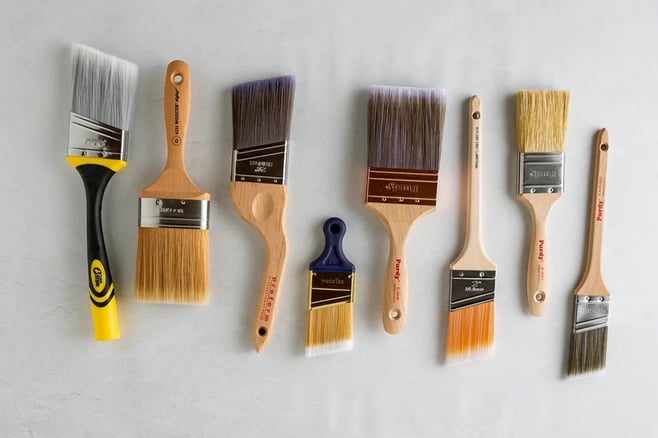
Are you ready to give your kitchen cabinets a fresh, flawless look? Choosing the right paint brush can make all the difference between a smooth, professional finish and a frustrating, streaky mess.
But with so many options out there, how do you know which one is truly the best for your kitchen cabinets? You’ll discover exactly what to look for in a paint brush that will save you time, reduce hassle, and help your cabinets shine like new.
Keep reading—you’re just one step away from achieving that perfect makeover.
Choosing The Right Brush
Choosing the right paint brush can make a huge difference in how your kitchen cabinets turn out. It’s not just about picking the most expensive or the most popular option. The right brush matches your paint type, cabinet surface, and the finish you want to achieve.
Think about the last time you painted something and noticed streaks or uneven coverage. The brush probably wasn’t suited for the task. Getting the right brush helps you work faster and get a smooth, professional look.
Brush Types For Cabinets
There are several brush types designed specifically for cabinet painting. Flat brushes offer broad coverage and work well on large, flat surfaces. Angled brushes help you reach corners and edges with precision.
Consider a sash brush if your cabinets have detailed trim. Its angled bristles make it easier to paint intricate areas without making a mess. You want a brush that fits the cabinet style and the areas you’ll be painting.
Brush Materials Explained
Brush bristles come in natural, synthetic, or a blend of both. Natural bristles are ideal for oil-based paints because they hold more paint and lay it down smoothly. However, they aren’t great with water-based paints as they can absorb water and become limp.
Synthetic brushes, often made from nylon or polyester, work well with water-based paints. They maintain their shape and provide a clean finish. Many cabinet paints today are water-based, so synthetic brushes are often the safer bet.
Size And Shape Considerations
Choosing the right brush size depends on the size of your cabinets and the detail work involved. A 2 to 2.5-inch brush is a common choice for cabinet doors and drawer fronts. It’s wide enough to cover surface area but still manageable for control.
For tight spots or small trim, a 1 to 1.5-inch angled brush lets you get close without smudging other areas. Think about how much control you need versus how quickly you want to cover the surface. Your brush shape can impact both speed and precision.
Top Brushes For Kitchen Cabinets
Choosing the right paint brush affects the finish and durability of your kitchen cabinets. The right brush helps spread paint evenly without streaks or bubbles. Different brushes suit various paints and cabinet surfaces. Here are the top brushes to consider for your kitchen cabinets.
Synthetic Bristle Brushes
Synthetic bristle brushes have soft, flexible nylon or polyester bristles. They work well with water-based paints and primers. These brushes resist wear and keep their shape over time. They provide a smooth finish on flat and detailed cabinet surfaces. Easy to clean and durable, they are a popular choice for kitchen cabinets.
Natural Bristle Brushes
Natural bristle brushes are made from animal hair, like hog or badger. They hold more paint, making large surface coverage faster. Best for oil-based paints and varnishes, they create a rich, smooth finish. These brushes are softer but can lose shape if used with water-based paints. Handle them carefully to maintain quality.
Foam Brushes
Foam brushes have a foam head attached to a wooden or plastic handle. They absorb paint well and spread it evenly on smooth surfaces. Foam brushes are affordable and great for touch-ups or small cabinet areas. They do not leave brush marks but wear out faster than bristle brushes. Ideal for quick jobs and light coatings.
Features To Look For
Choosing the right paint brush for your kitchen cabinets can make a huge difference in the final look and durability of your project. Knowing what features to prioritize helps you avoid frustration and wasted effort. Let’s break down the key qualities that paint brushes should have to give your cabinets a professional touch.
Durability And Longevity
You want a brush that holds up after multiple uses without losing its shape or shedding bristles. High-quality synthetic bristles often last longer than natural ones, especially when used with water-based paints common for cabinets.
Look for brushes with a solid, comfortable handle that won’t crack or warp. A durable ferrule (the metal part that holds the bristles) is essential to keep the bristles in place and prevent rusting. Have you ever had a brush fall apart halfway through a project? That’s a sign durability wasn’t prioritized.
Ease Of Cleaning
Cleaning your brush thoroughly can extend its life and maintain the quality of your future paint jobs. Brushes with synthetic bristles are easier to clean, especially if you use water-based paints on your cabinets.
Choose a brush with bristles that don’t trap paint deep inside. This saves you time and effort during cleanup. If you’ve spent hours painting, the last thing you want is to spend more time scrubbing your brush.
Smooth Finish Capability
Kitchen cabinets demand a smooth, even finish to look sleek and professional. Brushes with fine, tapered bristles help you achieve this by minimizing brush strokes.
A brush that spreads paint evenly without dripping or clumping can drastically improve your results. You might find that a slightly angled brush gives you better control in tight corners and along edges. How much would a flawless finish change your kitchen’s vibe?

Credit: harrisbrushes.com
Expert Tips For Painting Cabinets
Choosing the right paintbrush makes cabinet painting easier and neater. Soft, synthetic bristles work best for smooth finishes on kitchen cabinets. A 2- to 2. 5-inch angled brush helps reach corners and edges with precision.
Painting your kitchen cabinets can be a transformative experience, turning a tired space into a fresh and inviting area. Choosing the right paint brush is essential for achieving a smooth, professional finish. With the right techniques and a bit of patience, you can master the art of painting cabinets like an expert. Here are some expert tips to guide you through the process.
Preparing The Surface
Before you dip your brush into paint, take the time to prepare the surface. Clean your cabinets thoroughly to remove grease and grime, which can prevent paint from adhering properly. Use a mild detergent and water, then rinse and let dry completely. Next, sand the surfaces lightly. This step helps the paint stick better and ensures a smooth finish. Use a fine-grit sandpaper and sand with the grain of the wood. Wipe off the dust with a damp cloth before proceeding.
Proper Brush Techniques
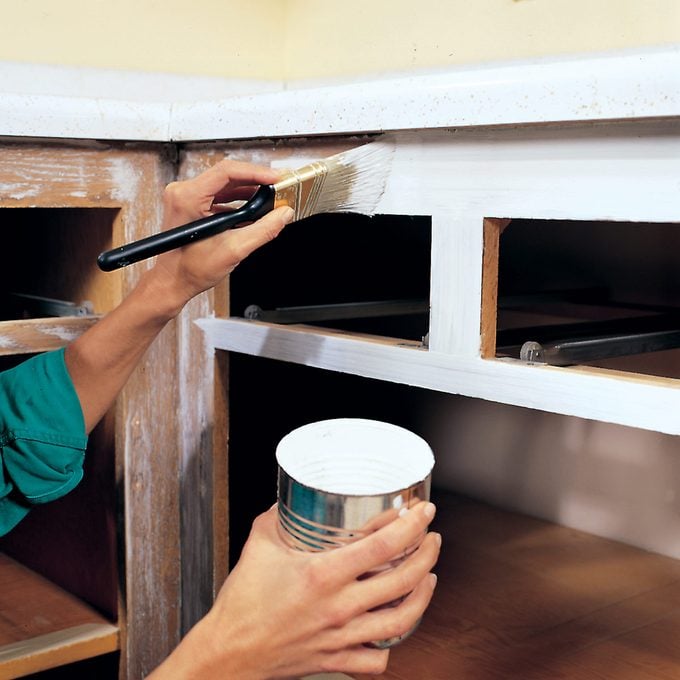
The way you handle the brush can make a big difference. Always load your brush with the right amount of paint. Too much paint can lead to drips and an uneven finish, while too little requires more strokes, leaving visible brush marks. Start painting from the inside edges of the cabinet doors and work your way out. This technique helps prevent paint buildup in the corners. Use long, even strokes and maintain a steady hand to achieve a professional look.
Avoiding Common Mistakes
One common mistake is not allowing enough drying time between coats. Rushing the process can cause the paint to peel or crack. Be patient and let the first coat dry completely before applying the next. Another pitfall is neglecting to use a primer. Primer helps create a uniform surface and enhances paint adhesion. It’s especially important when painting over darker colors or surfaces with stains. Choosing the right brush is also crucial. A high-quality, angled brush can reach into corners and grooves, ensuring an even application. Investing in a good brush can save you time and frustration in the long run. Are you ready to give your kitchen cabinets a makeover? With these expert tips, you’ll be well on your way to achieving a stunning finish that you can be proud of.
Budget-friendly Vs Premium Brushes
Choosing between budget-friendly and premium paint brushes for your kitchen cabinets can be tricky. You want a brush that delivers smooth, clean strokes without breaking the bank. But does spending more always mean better results? Understanding the balance between cost and quality will help you make the right decision for your project and wallet.
Cost Vs Quality
Budget-friendly brushes usually cost under $10 and are great for small or one-time projects. They often use synthetic bristles that work well with latex paints but may shed or lose shape quickly. If you’re painting multiple cabinets or want a flawless finish, these brushes might leave you frustrated.
Premium brushes, priced $15 and above, typically feature high-quality synthetic or natural bristles designed to hold more paint and release it evenly. They provide smoother strokes and less brush mark, saving you time on touch-ups. But is the extra cost justified if you’re only painting a few cabinets?
Ask yourself: How often will you use the brush? Are you aiming for a professional finish or just a quick update? Your answers will guide your choice between saving money now or investing in long-term quality.
Best Value Picks
- Budget-Friendly:The Wooster Shortcut Angle Sash Brush is affordable yet reliable. It holds paint well and fits comfortably in your hand, which helps reduce fatigue during longer sessions.
- Mid-Range:The Purdy XL Cub Angular Brush balances cost and performance. It offers excellent control and minimal bristle loss, making it a favorite among DIYers upgrading their kitchen cabinets.
- Premium:The Benjamin Moore Best Synthetic Bristle Brush is top-notch for detailed cabinet work. It spreads paint smoothly and lasts through multiple projects, making it a smart investment if you paint regularly.
Think about how each brush aligns with your project scale and finish expectations. Sometimes, a mid-range brush provides the best balance of quality and price. Have you ever regretted cutting corners on tools? Choosing the right brush can make your kitchen cabinet painting both easier and more satisfying.

Credit: www.familyhandyman.com
Maintenance And Storage
Proper maintenance and storage of paint brushes extend their life and keep them effective. Clean brushes after every use to avoid dried paint buildup. Store them correctly to protect the bristles and shape. These simple habits save money and improve painting results.
Cleaning After Use
Remove excess paint by wiping the brush on newspaper or cloth. Rinse the brush in warm water for latex paint or use mineral spirits for oil-based paint. Use mild soap and work it through the bristles to remove all paint. Rinse thoroughly until water runs clear. Shake off excess water and gently reshape the bristles before drying. Never leave brushes soaking in water or solvent for long.
Storing Brushes Properly
Store brushes in a dry, dust-free area. Hang them by the handle or lay flat to keep the bristles straight. Avoid placing brushes bristle-down in containers, which can cause damage. Use brush covers or wrap the bristles in paper to protect their shape. Proper storage prevents bent or misshaped bristles and keeps brushes ready for the next use.
Credit: www.familyhandyman.com
Frequently Asked Questions
What Type Of Paint Brush Is Best For Kitchen Cabinets?
A high-quality synthetic bristle brush is best for kitchen cabinets. It provides smooth, even coverage and works well with both latex and oil-based paints.
Should I Choose A Foam Or Bristle Brush For Cabinets?
Synthetic bristle brushes are preferred over foam for kitchen cabinets. They offer better control, reduce streaks, and create a professional finish.
What Brush Size Is Ideal For Painting Cabinets?
A 2 to 2. 5-inch brush is ideal for kitchen cabinets. It allows precise application on cabinet doors and frames without excess paint.
Can I Use A Cheap Brush For Painting Kitchen Cabinets?
Avoid cheap brushes as they shed bristles and cause uneven paint. Invest in a good-quality brush for smooth, durable cabinet finishes.
Conclusion
Choosing the right paint brush makes kitchen cabinet painting easier. A good brush holds paint well and applies it smoothly. Nylon or synthetic bristles work best for cabinets. They help avoid streaks and bristles falling out. Size matters too—smaller brushes fit tight corners better.
Quality brushes save time and give a neat finish. Take your time to pick one that fits your needs. A proper brush helps your cabinets look fresh and clean. Painting becomes less stressful and more enjoyable with the right tool.