
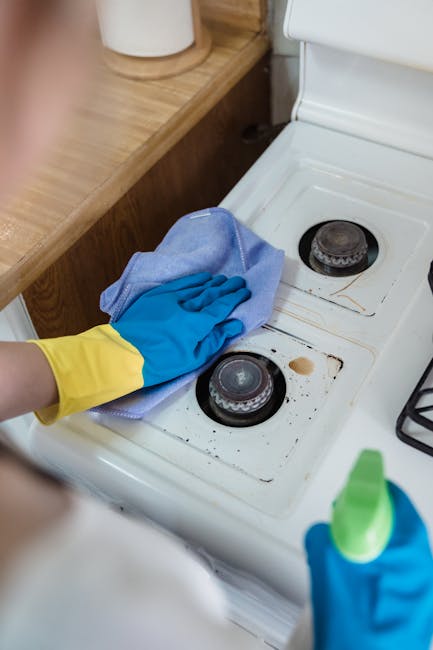
Are you tired of scrubbing your kitchen floor only to see stubborn stains and grime linger? Finding the best product for cleaning kitchen floors can feel overwhelming with so many options out there.
You want something that works fast, leaves your floor spotless, and is safe for your family. Imagine stepping into your kitchen every day and seeing floors that shine without extra effort. Keep reading, because we’re about to reveal the top products that will make your kitchen floor cleaning easier and more effective than ever before.
Your perfect clean floor is just a few steps away!
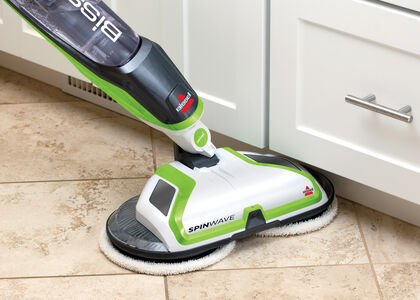
Credit: www.bissell.com
Types Of Kitchen Floor Surfaces
Kitchen floors come in many types. Each surface needs a special cleaning product. Choosing the right cleaner helps keep floors safe and shiny. Understanding different floor surfaces helps pick the best product for each one.
Tile Floors
Tile floors are common in kitchens. They are strong and water-resistant. Grout lines can trap dirt and stains. Use a cleaner that removes grime but protects grout. Avoid harsh chemicals that can damage tiles or grout.
Wood Floors
Wood floors add warmth to kitchens. They need gentle cleaning to avoid damage. Use products made for hardwood or engineered wood. Avoid excess water that can cause warping. Soft cloths or mops work best for wood floors.
Vinyl And Laminate Floors
Vinyl and laminate floors are budget-friendly and easy to install. They resist water but can scratch easily. Use mild cleaners and avoid abrasive tools. Clean spills quickly to prevent staining or warping.
Stone Floors
Stone floors include marble, granite, and slate. They are strong but need special care. Use pH-neutral cleaners to protect the stone surface. Avoid acidic or alkaline products that cause damage. Seal stone floors regularly to keep them safe.
Key Features Of Effective Floor Cleaners
Choosing the right product for cleaning kitchen floors depends heavily on certain key features that determine its effectiveness and suitability for your home. Understanding these features helps you pick a cleaner that not only tackles dirt but also protects your floor and keeps your kitchen environment safe and pleasant. Let’s break down what really matters when selecting a floor cleaner.
Cleaning Power
The main job of any floor cleaner is to remove grime, grease, and stains efficiently. Look for products with strong degreasing agents or enzymes that break down tough kitchen spills quickly. If you’ve ever scrubbed endlessly without results, you know how crucial cleaning power is.
However, powerful doesn’t mean harsh. The best cleaners balance strength and gentleness to avoid damaging floor surfaces like tile grout or hardwood finishes. Check product labels or reviews to see if it’s designed for your specific floor type.
Safety And Non-toxicity
What’s cleaning power worth if your product contains harmful chemicals? Safety is key, especially in kitchens where food is prepared. Non-toxic, biodegradable cleaners protect your family and pets from exposure to harsh substances.
Many effective cleaners now use plant-based ingredients or mild formulas that still cut through dirt but don’t release strong fumes. Ask yourself: do you want a cleaner that keeps your kitchen environment fresh and safe?
Ease Of Use
No one wants to spend extra time or effort on floor cleaning. Choose products that dissolve easily in water and require minimal rinsing. Ready-to-use sprays or concentrates that mix quickly can save you time and hassle.
Also consider packaging – pumps, spray bottles, or pre-measured pods make application straightforward and reduce waste. Think about your routine: how can the cleaner fit seamlessly into it?
Scent And Residue
A pleasant scent can make cleaning less of a chore, but overpowering fragrances often mask chemical odors and irritate sensitive noses. Opt for mild or natural scents that leave your kitchen smelling fresh, not artificial.
Residue is another factor. Some cleaners leave a sticky film that attracts dirt faster, forcing you to clean more often. You want a product that rinses clean and keeps your floor looking spotless longer.
Top Products For Tile Floors
Tile floors are a popular choice in many kitchens due to their durability and easy maintenance. However, choosing the right cleaning product can make a big difference in keeping those tiles sparkling without damaging the grout or surface. Below, you'll find top products tailored to tile floors, helping you decide which cleaner fits your needs and budget.
Best Overall Cleaner
The best overall cleaner for tile floors balances effectiveness with safety. Products like Bona Stone, Tile & Laminate Floor Cleanerare designed to remove grime without leaving residue behind. I’ve used it myself and noticed my tiles stay shiny longer and the grout lines look fresher.
This cleaner works well on both glazed and unglazed tiles. It’s also quick to use, which is perfect if you want to avoid spending extra time scrubbing. Would you prefer a cleaner that works fast and still protects your floor’s finish?
Budget-friendly Options
Keeping your kitchen floor clean doesn’t have to break the bank. Simple household items like a mixture of warm water and white vinegar can be very effective for tile floors. This combo cuts through grease and disinfects without costing much.
Another affordable option is Mr. Clean Multi-Surfaces Liquid Cleaner. It’s easy to find and works well on tough stains. Have you ever tried these DIY solutions and wondered if they really match up to store-bought cleaners?
Eco-friendly Choices
If you’re concerned about chemicals and want a greener option, eco-friendly cleaners are worth considering. Brands like Seventh Generation Free & Clearoffer plant-based formulas that clean effectively while being gentle on the environment.
Using these products means fewer toxins in your kitchen air, which can make a noticeable difference, especially if you have kids or pets. What steps can you take today to make your kitchen cleaning routine safer and more sustainable?
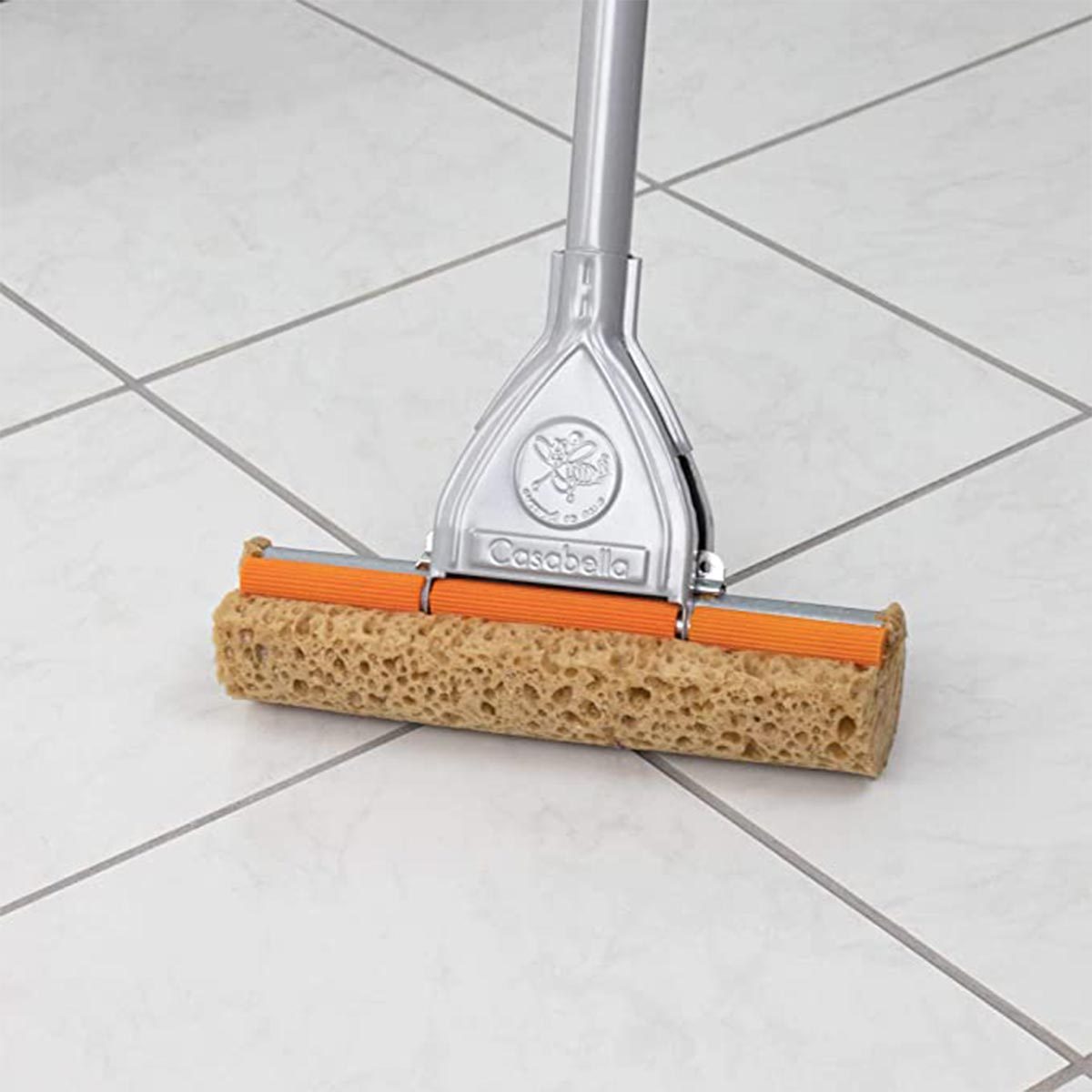
Credit: www.familyhandyman.com
Best Cleaners For Wood Floors
Choosing a gentle cleaner protects wood floors from damage while removing kitchen dirt. Products with natural ingredients work well and keep floors shiny. Avoid harsh chemicals to maintain the wood’s finish and durability over time.
Cleaning wood floors in the kitchen requires special attention. These floors add warmth and elegance to any home, but they can also be sensitive to harsh chemicals. Using the right product ensures you maintain their natural beauty while effectively removing dirt and grime.
Gentle Yet Effective
Wood floors need a cleaner that is tough on dirt yet gentle on the wood. Avoid using products with ammonia or bleach, as these can strip the finish. Instead, opt for pH-neutral cleaners specifically designed for wood. Consider using a microfiber mop, which cleans without scratching. Have you ever noticed those pesky streaks after mopping? A well-chosen cleaner can eliminate them, leaving your floors looking pristine.
Protective Formulas
Some cleaners offer added protection by incorporating oils or waxes. These not only clean but also nourish the wood, enhancing its sheen. Think of them as a conditioner for your floors, adding a layer of defense against wear and tear. Wouldn't it be great if your floors could resist spills and stains? Protective formulas can help achieve this, minimizing damage from everyday kitchen mishaps.
Diy Cleaning Solutions
For those who prefer natural options, homemade solutions can be both effective and economical. Mixing equal parts of water and white vinegar creates a simple yet powerful cleaner. Adding a few drops of essential oil can enhance the scent, making cleaning a more pleasant task. Have you tried using tea bags? Brewed black tea, once cooled, can be used as a cleaner that adds a subtle shine to your floors. Would you be willing to experiment with DIY solutions for a cleaner, greener home?
Vinyl And Laminate Floor Cleaners
Keeping your vinyl and laminate kitchen floors spotless requires the right cleaner. These surfaces are popular for their durability and ease of maintenance, but they need specific products to avoid damage. Using harsh chemicals can strip away the finish or cause discoloration, so choosing a cleaner designed for these materials is essential.
Stain Removal
Vinyl and laminate floors can develop stubborn stains from spills or tracked-in dirt. A cleaner with gentle solvents and no abrasive ingredients works best to lift stains without scratching the surface. You might find products with ingredients like mild detergents and plant-based solvents particularly effective.
If you’ve ever tried scrubbing a stain with vinegar or bleach and ended up with a dull spot, you know how important it is to pick the right cleaner. Instead, look for products that promise to dissolve grease and grime while preserving the floor’s texture.
Preserving Floor Finish
The finish on vinyl and laminate floors isn’t just for looks—it protects against wear and tear. Cleaners that leave behind a residue can attract more dirt and make floors slippery or dull. Opt for pH-balanced formulas that clean thoroughly but rinse off easily.
Ask yourself: does your current cleaner make your floor look shiny and fresh, or does it leave a film? Switching to a specialized cleaner can maintain that just-installed shine and help your floor last longer. Avoid wax-based products, as they can build up and cause damage over time.
Recommended Brands
| Brand | Key Features | Why It Works |
|---|---|---|
| Rejuvenate | Stain-removing, no residue | Specifically formulated for vinyl and laminate, protects finish |
| Bona | pH-balanced, streak-free | Safe for sealed floors, cleans without dulling surface |
| Black Diamond | Deep cleaning, gentle formula | Removes tough stains while preserving floor integrity |
Have you noticed how some floor cleaners leave your floors feeling sticky or looking cloudy? Trying one of these recommended brands could change your cleaning routine for the better. Your kitchen floors deserve a cleaner that works as hard as you do.
Stone Floor Cleaning Essentials
Stone floors bring a natural elegance to your kitchen, but they need special care to keep that beauty intact. Cleaning stone surfaces requires products that protect rather than harm. Your choice of cleaner can either extend the life of your floor or cause lasting damage.
Avoiding Damage
Stone floors are sensitive to harsh chemicals and acidic substances. Avoid anything with vinegar, lemon, or bleach because these can etch the surface, leaving dull spots or permanent marks. Instead, stick to pH-neutral cleaners designed specifically for stone.
Have you ever noticed a cloudy film after mopping? That’s often residue from the wrong cleaning product. Using soft cloths or mops helps prevent scratches, especially on polished stone surfaces.
Natural Cleaners
If you prefer a gentle, eco-friendly approach, natural cleaners can be surprisingly effective. A mix of warm water and a few drops of mild dish soap works well for routine cleaning without risking damage. Just make sure you rinse thoroughly to avoid soap build-up.
Another option is using diluted castile soap, which is both safe and biodegradable. Remember, the key is moderation; too much soap can leave a slippery layer that attracts dirt faster.
Professional-grade Products
For tougher stains or regular maintenance, professional-grade stone cleaners offer powerful yet safe solutions. These products often include sealants or enhancers that protect your floor and keep it looking fresh longer.
Brands like StoneTech and Granite Gold are trusted choices among homeowners and professionals alike. Have you considered how using a high-quality sealer after cleaning can prevent stains and reduce cleaning frequency?
Tips For Maintaining Clean Kitchen Floors
Keeping your kitchen floors spotless takes more than just occasional mopping. It requires a thoughtful approach that fits your daily routine and lifestyle. You’ll find that small, consistent habits make a big difference over time.
Regular Cleaning Routines
Set a schedule that works for your kitchen’s traffic. Sweeping or vacuuming every day removes crumbs and dirt before they settle in. Mopping once or twice a week with a gentle cleaner keeps your floors shiny and fresh.
Try using warm water mixed with a few drops of dish soap for most floor types. It’s effective, safe, and easy on your wallet. If you notice stubborn spots, let the mop sit on them for a minute before scrubbing gently.
Spot Cleaning Tricks
Spills happen—how quickly you react can save your floor’s finish. Keep a small spray bottle of diluted vinegar or a floor cleaner handy for quick cleanup. Blot the spill immediately with a microfiber cloth instead of rubbing to avoid spreading the mess.
For sticky residues, sprinkle baking soda on the spot, spray with a bit of water, and gently scrub with a soft brush. This combo lifts grime without scratching your floors. Have you tried this trick yet? It’s a game-changer for sticky kitchen mishaps.
Preventive Measures
Think about what you can do to stop dirt before it reaches your floors. Placing mats at entry points and under sinks catches dirt and water. Encourage family members or guests to wipe their feet or remove shoes before stepping into the kitchen.
Using furniture pads under chair and table legs prevents scratches. Also, avoid harsh chemicals or abrasive tools that can damage your floor’s surface. Would a few simple changes in your kitchen habits reduce your cleaning time?
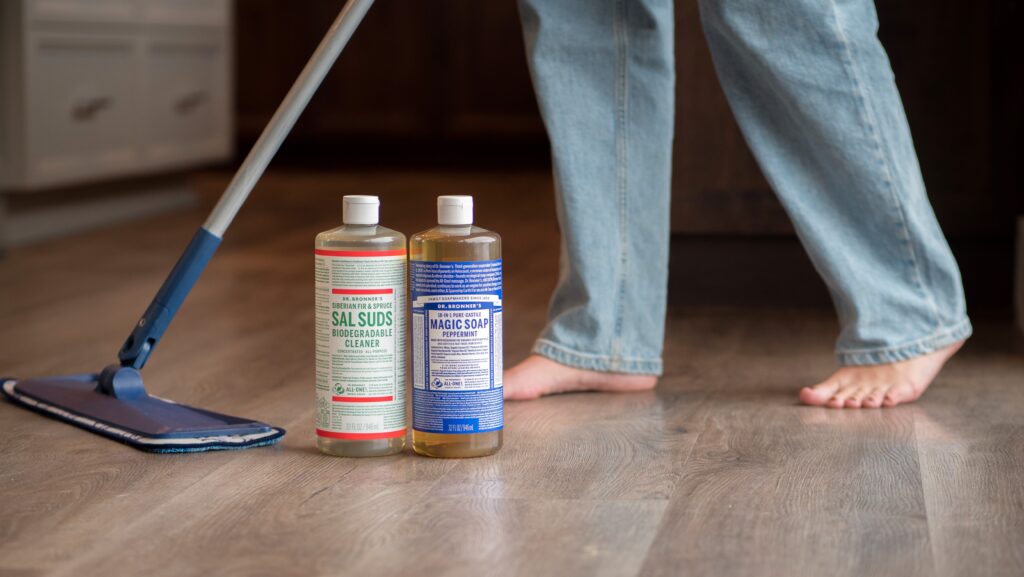
Credit: www.lisabronner.com
Frequently Asked Questions
What Is The Best Cleaner For Kitchen Floors?
The best cleaner depends on your floor type. For tile, use a mild detergent. For hardwood, opt for a pH-neutral cleaner. Avoid harsh chemicals that damage finishes. Always test a small area first to ensure safety.
Can Natural Products Clean Kitchen Floors Effectively?
Yes, natural products like vinegar and baking soda clean floors well. They remove stains, grease, and odors without harsh chemicals. These options are eco-friendly and safe for most floor types. However, avoid vinegar on hardwood floors as it can damage the finish.
How Often Should Kitchen Floors Be Cleaned?
Kitchen floors should be cleaned daily with a dry mop or broom. Wet cleaning with a suitable floor cleaner is recommended weekly. Regular cleaning prevents dirt buildup and keeps floors hygienic and shiny.
Are Steam Mops Safe For Kitchen Floors?
Steam mops work well on sealed tile and vinyl floors. They sanitize without chemicals by using hot steam. Avoid steam mops on hardwood or unsealed floors, as moisture can cause warping or damage.
Conclusion
Choosing the best product for cleaning kitchen floors depends on your needs. Some products work well on tile, others on wood or vinyl. Always pick a cleaner that removes dirt without harming your floor. Test a small area first to avoid damage.
Regular cleaning keeps floors shiny and fresh. Simple tools and the right product make the job easier. Keep your kitchen safe and spotless every day. Clean floors mean a happy home.