
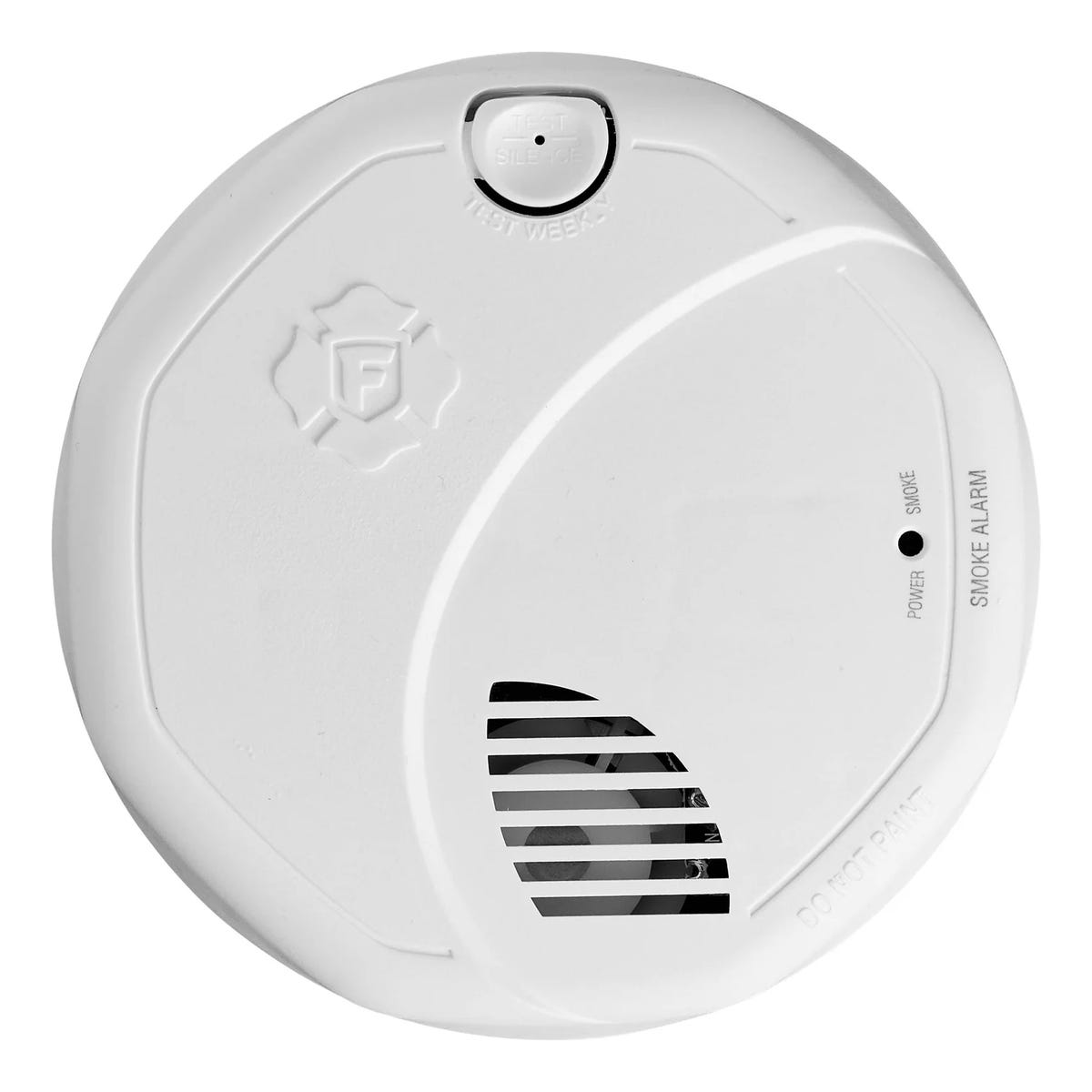
Your kitchen is the heart of your home, but it’s also one of the places where fire risks are highest. Choosing the best smoke detector for a kitchen isn’t just about safety—it’s about peace of mind.
You want a device that alerts you quickly without going off every time you cook. You’ll discover how to find the perfect smoke detector that fits your kitchen’s needs. Keep reading, because the right choice could protect your home and loved ones when it matters most.
:max_bytes(150000):strip_icc()/spr-kidde-hardwired-smoke-alarm-i4618-julia-warren-01-faa480fecad5429d9cab4d8386ea1422.jpeg)
Credit: www.thespruce.com
Smoke Detectors For Kitchens
Smoke detectors are essential safety devices in any home, but kitchens require special attention. This is because the kitchen environment often triggers false alarms, making typical smoke detectors less effective and more frustrating. Choosing the right smoke detector for your kitchen means balancing sensitivity and reliability to protect your home without constant interruptions.
Challenges In Kitchen Detection
Kitchens produce a lot of smoke, steam, and cooking fumes. These factors often cause regular smoke detectors to go off unnecessarily, leading many people to disable them, which is dangerous.
Grease particles and high humidity can also interfere with sensor accuracy. This raises a question: How can you ensure your kitchen smoke detector alerts you only in real emergencies?
False alarms are more than just an annoyance—they can make you ignore actual danger. Your goal should be to find a detector that distinguishes between harmless cooking smoke and real fire threats.
Types Suitable For Kitchens
Not all smoke detectors are created equal when it comes to kitchens. Here are the types that work best:
- Photoelectric Smoke Detectors:These detect smoldering fires better and are less sensitive to cooking smoke, reducing false alarms.
- Heat Detectors:These trigger only when the temperature rises rapidly or reaches a set point, making them ideal in smoky kitchen environments.
- Combination Smoke and Carbon Monoxide Detectors:They offer dual protection but ensure the smoke sensor is photoelectric or heat-based for kitchen use.
Personally, switching to a photoelectric detector in my kitchen cut down false alarms drastically. It’s worth considering models with a hush button feature, allowing you to temporarily silence alarms without disabling the device.
Think about your cooking habits and kitchen size when choosing a detector. Installing the right type in the right spot can make all the difference between safety and nuisance.

Credit: www.safewise.com
Key Features To Consider
Choosing the right smoke detector for your kitchen means looking beyond basic alarms. You need features that handle the unique challenges of this space—like steam, smoke from cooking, and variable air flow. Focusing on specific key features can save you from annoying false alarms and ensure your safety without disrupting your daily routine.
False Alarm Resistance
False alarms are the biggest frustration in kitchen smoke detectors. Cooking often produces smoke or steam that can trigger standard detectors unnecessarily. Look for models with built-in technology to distinguish between harmless cooking smoke and real fire threats.
Some detectors use photoelectric sensors, which are less sensitive to cooking smoke but still alert you to dangerous fires. Others have algorithms that reduce false alarms by analyzing the type and density of smoke. Would you prefer an alarm that goes off every time you burn toast, or one that quietly stays alert when it counts?
Sensitivity Settings
Sensitivity matters because kitchens have fluctuating air quality. A detector that’s too sensitive will annoy you, but one that’s not sensitive enough could miss a fire. Models with adjustable sensitivity let you customize the alarm to your kitchen’s environment.
Try detectors that offer multiple sensitivity levels or manual adjustments. This way, you can find the perfect balance between safety and convenience. How often do you want to fiddle with settings versus having peace of mind?
Power Sources
The power source of your smoke detector impacts reliability and maintenance. Battery-powered models are easy to install anywhere but require regular battery checks. Hardwired detectors offer continuous power but usually need professional installation.
Some detectors combine both, using hardwiring with battery backup for extra security. Think about your kitchen layout and how often you want to handle battery replacements. Would a low-maintenance detector fit better into your busy lifestyle?
Smart Connectivity
Smart smoke detectors connect to your phone, letting you monitor your kitchen remotely. They send alerts if smoke is detected, even when you’re away. This feature can prevent emergencies by giving you early warnings and peace of mind.
Many smart models also integrate with other home devices like security systems and voice assistants. Imagine getting a notification about smoke while at work—could this change how you respond to kitchen safety? Smart connectivity puts control right in your hand.
Top Reliable Smoke Detectors
Choosing the right smoke detector for your kitchen is crucial because this area is prone to false alarms and unique fire hazards. A reliable smoke detector can give you peace of mind without the constant annoyance of false alerts. Let’s look at some of the most dependable options that balance sensitivity and accuracy in kitchen environments.
Photoelectric Smoke Detectors
Photoelectric smoke detectors are excellent at sensing slow, smoldering fires, which are common in kitchens. They use a light beam to detect smoke particles, making them less likely to be triggered by cooking smoke or steam.
If you’ve ever had your alarm go off just because you burned toast, a photoelectric detector might be the solution you need. Their slower response to fast flames means fewer false alarms while still providing reliable protection.
Combination Smoke And Carbon Monoxide Alarms
Many kitchens benefit from alarms that detect both smoke and carbon monoxide (CO). This dual function is especially important if you use gas appliances, which can produce CO if not properly ventilated.
These combination units save space and provide comprehensive safety. Imagine having one device that alerts you to smoke and invisible, deadly carbon monoxide—it's a smart, efficient choice.
Heat Detectors For Kitchens
Heat detectors react to rapid temperature increases rather than smoke, making them ideal for kitchens where smoke and steam are common. They won’t trigger false alarms from everyday cooking but will alert you if a fire causes the temperature to rise quickly.
If you want to avoid nuisance alarms, especially during frying or grilling, consider adding a heat detector. They work well alongside smoke detectors to cover all bases without the frustration of constant beeping.
Installation Tips For Kitchens
Choosing the right smoke detector for kitchens is vital to avoid false alarms from cooking smoke. Opt for photoelectric smoke detectors as they respond well to slow, smoldering fires common in kitchens. Proper placement away from stoves helps ensure accurate detection and safety.
Installing a smoke detector in your kitchen requires careful consideration to ensure optimal safety and functionality. It's not just about having a device; it's about placing it where it can be most effective without causing unnecessary alarms. In this section, we'll explore practical tips for installing smoke detectors in your kitchen, focusing on optimal placement and maintenance practices.
Optimal Placement
Choosing the right spot for your kitchen smoke detector is crucial. Place it at least 10 feet away from cooking appliances to minimize false alarms triggered by cooking smoke or steam. Consider mounting it on the ceiling, where smoke naturally rises, but avoid corners where airflow may be restricted. If ceiling installation isn’t feasible, a wall-mounted detector should be positioned 4 to 12 inches from the ceiling. Think about any potential obstructions that might block the detector, such as cabinets or large appliances. You want to ensure the detector has a clear path to detect smoke effectively.
Maintenance Practices
Regular maintenance is key to ensuring your smoke detector functions properly in the kitchen. Test your smoke detector monthly by pressing the test button to ensure it’s working correctly. Keep the detector clean and free from dust or grease build-up, which can interfere with its operation. Use a vacuum or a slightly damp cloth for cleaning. Replace the batteries at least once a year, or consider using long-life batteries to reduce the frequency of changes. If your detector is more than ten years old, it's time to replace it with a new one to ensure optimal safety. Have you ever experienced a false alarm while cooking and wondered if it could have been avoided? Regular maintenance and strategic placement can help prevent such instances, keeping your kitchen both safe and functional.
Comparing Popular Brands
Choosing the best smoke detector for your kitchen means looking closely at what each popular brand offers. Not all detectors handle kitchen smoke and steam equally, so comparing key features can help you pick a device that fits your needs. Here, we focus on performance, durability, and user feedback to help you make an informed decision.
Performance And Accuracy
Accuracy is crucial in kitchen smoke detectors because cooking often produces harmless smoke that can trigger false alarms. Brands like Kidde and Nest use advanced sensors that distinguish between cooking smoke and dangerous smoke particles. This reduces annoying false alarms, which can make you less likely to disable the detector when it really matters.
Some models also come with hush buttons, allowing you to silence a false alarm quickly. How often have you ignored a smoke detector after a burnt toast incident? Choosing a detector with reliable performance means fewer interruptions and better safety.
Durability And Warranty
The kitchen environment exposes smoke detectors to heat, grease, and moisture. Brands such as First Alert offer smoke detectors built with durable materials that withstand these conditions better than standard models. A sturdy build means your detector lasts longer without frequent replacements.
Warranty periods can reveal a brand’s confidence in its product. For example, some detectors come with a 10-year warranty, giving you peace of mind. Would you prefer a cheaper detector now or one that guarantees protection for a decade?
User Reviews And Ratings
User feedback often highlights real-life pros and cons that specs don’t show. Many buyers praise Nest for its smart home integration, while others appreciate First Alert’s simple installation process. Reading reviews can reveal issues like sensor sensitivity or battery life that matter in daily use.
Check multiple sources to get a balanced view. Have you ever bought a product that looked great on paper but failed in your kitchen? Learning from others’ experiences can save you from similar frustrations.

Credit: www.fireangel.co.uk
Frequently Asked Questions
What Type Of Smoke Detector Suits Kitchens Best?
Photoelectric smoke detectors are ideal for kitchens. They detect slow, smoldering fires and reduce false alarms caused by cooking smoke.
How To Avoid False Alarms In Kitchen Smoke Detectors?
Choose a smoke detector with a hush feature. Place it away from cooking appliances to minimize false alarms from steam or smoke.
Are Combination Smoke And Carbon Monoxide Detectors Good For Kitchens?
Yes, combination detectors provide dual protection. They safeguard against both smoke and carbon monoxide, enhancing kitchen safety effectively.
Where Should I Install A Smoke Detector In The Kitchen?
Install smoke detectors at least 10 feet from cooking appliances. This prevents false alarms while ensuring effective fire detection.
Conclusion
Choosing the right smoke detector for your kitchen keeps your home safe. Smoke detectors must avoid false alarms from cooking steam and smoke. Look for models with smart sensors designed for kitchen use. Easy installation and regular testing ensure they work well.
A good smoke detector gives peace of mind every day. Protect your family with a reliable kitchen smoke alarm. Simple steps make your kitchen a safer place. Safety starts with the right smoke detector choice.