
Have you ever wondered what happens when oven cleaner touches your kitchen counter? You want your kitchen spotless, but using the wrong cleaner can cause more harm than good.
Imagine wiping away grime only to find stains, discoloration, or damage on your countertop. This isn’t just a small inconvenience—it could affect the look and lifespan of your kitchen surfaces. Keep reading to discover how oven cleaner interacts with different countertop materials, what risks you should watch out for, and how to keep your kitchen both clean and safe.
Your counters deserve the best care, and knowing the truth about oven cleaner is the first step.
Credit: www.lisabronner.com
How Oven Cleaners Work
Oven cleaners remove tough grease and baked-on food from oven surfaces. They use strong chemicals to break down grime quickly. Understanding how these cleaners work helps protect kitchen counters from damage. The cleaning power comes from a mix of ingredients and chemical reactions. These processes dissolve dirt and make it easy to wipe away.
Common Ingredients In Oven Cleaners
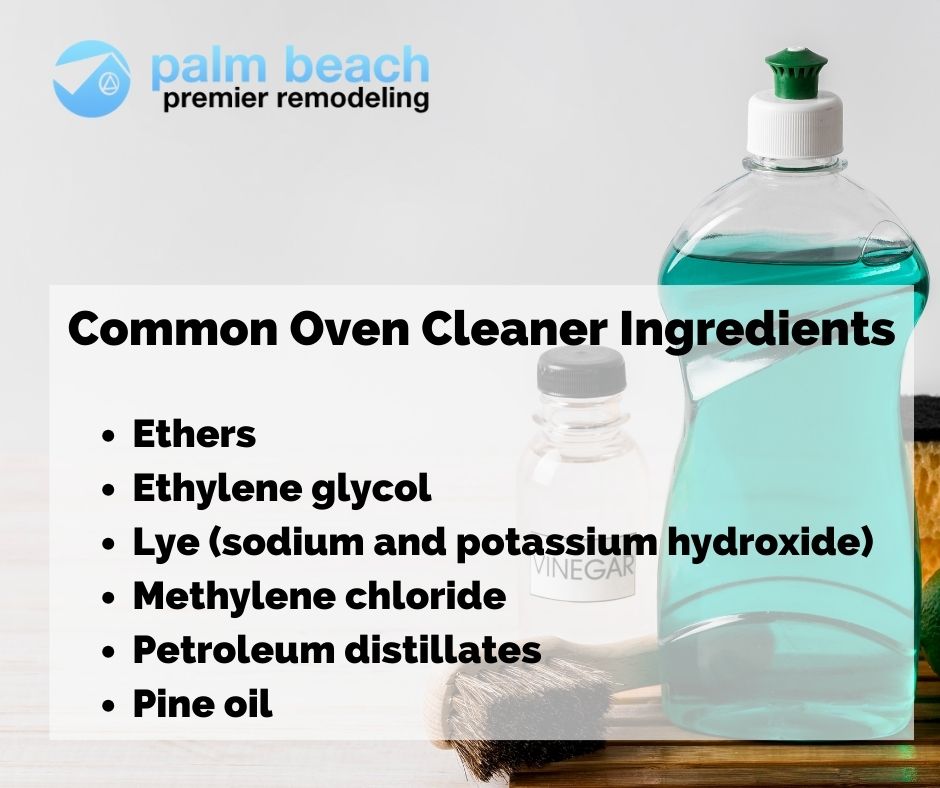
- Sodium hydroxide (lye) – breaks down fats and proteins
- Surfactants – help lift grease from surfaces
- Solvents – dissolve oily residues
- Water – acts as a carrier for chemicals
- Fragrance – masks strong chemical odors
Chemical Reactions During Cleaning
Sodium hydroxide reacts with grease through a process called saponification. It turns fats into soap and glycerol, which are water-soluble. This reaction loosens tough, baked-on food layers.
Surfactants reduce surface tension, allowing cleaner to spread evenly. This helps chemicals penetrate and dissolve dirt better.
Solvents break down oily substances, making them easier to wipe away. The combination of these reactions results in a clean oven surface.
Types Of Kitchen Counter Materials
Kitchen counters come in many materials, each with unique features. Knowing their types helps understand how oven cleaner affects them. Some counters handle chemicals well, while others get damaged easily. This guide covers the most common kitchen counter materials.
Natural Stone Counters
Natural stone counters include granite, marble, and slate. These surfaces are strong but porous. Oven cleaners with harsh chemicals can dull their finish or cause stains. Acidic ingredients in cleaners can etch the stone, leaving marks. Sealing the stone helps protect it but does not make it immune.
Laminate Surfaces
Laminate counters are made of plastic layers over particleboard. They resist stains but are sensitive to strong chemicals. Oven cleaners can discolor laminate or cause bubbling. Prolonged contact may weaken the surface. It is safer to use mild cleaners on laminate.
Wood And Butcher Block
Wood counters add warmth to kitchens but need careful cleaning. Oven cleaner can remove the finish and dry out the wood. Harsh chemicals may cause cracking or warping. Regular oiling and gentle cleaning keep wood counters looking good.
Quartz And Solid Surface Counters
Quartz counters combine natural quartz with resin. Solid surfaces are made of acrylic or polyester. Both are non-porous and more chemical resistant than stone or wood. Still, oven cleaner with strong alkalis or acids can damage the resin. Use cleaners made for these materials for best care.
Impact Of Oven Cleaner On Different Counters
Oven cleaners contain strong chemicals designed to break down grease and burnt food. These chemicals can react differently with various kitchen counter materials. Understanding how oven cleaner affects each type helps protect your counters from damage. Some surfaces handle these chemicals better than others. Using oven cleaner carelessly can cause stains, discoloration, or surface damage.
Effects On Natural Stone
Natural stone counters like granite and marble are sensitive to harsh chemicals. Oven cleaners can erode the stone’s surface and dull its shine. Acidic ingredients in oven cleaner may cause etching or discoloration. Stone counters need gentle cleaners made for natural materials. Avoid using oven cleaner directly on these surfaces to keep them looking new.
Damage To Laminate And Veneer
Laminate and veneer counters have a thin protective layer. Oven cleaner chemicals can eat through this layer quickly. This leads to bubbling, peeling, or permanent marks. The surface may become rough or faded after exposure. Laminate and veneer need mild, non-abrasive cleaning agents. Avoid oven cleaner to prevent costly repairs or replacement.
Risks For Wood Surfaces
Wood counters are vulnerable to moisture and chemicals. Oven cleaner can strip away the finish, leaving wood exposed. This causes warping, cracking, or discoloration over time. Wood surfaces require special cleaners to preserve their protective coating. Using oven cleaner on wood counters risks permanent damage and loss of beauty.
Quartz And Synthetic Materials Response
Quartz and other synthetic counters are more resistant to chemicals. Oven cleaner might still dull their polished surface or cause slight discoloration. Harsh chemicals can weaken the resin that binds the quartz particles. It is better to use cleaners designed for quartz to avoid harm. Regular cleaning with mild soap protects these counters effectively.
Signs Of Oven Cleaner Damage
Oven cleaners are powerful chemicals designed to break down tough grease and grime. However, their strength can sometimes harm your kitchen counters if not used carefully. Recognizing the signs of oven cleaner damage early can save your countertops from permanent harm.
Discoloration And Stains
One of the first signs you might notice is a change in color on your countertop surface. Oven cleaner can strip away the finish or react with certain materials, leaving behind unsightly stains or blotches.
For example, granite and marble counters may develop dull patches or white marks after contact with harsh cleaners. Have you ever spotted a strange stain that didn’t come off with regular cleaning? That could be damage caused by oven cleaner residues.
Surface Etching And Erosion
Etching refers to tiny, shallow marks or pits that appear on the surface of your countertop. Oven cleaner’s strong chemicals can eat away at protective coatings or even the stone itself.
This damage is more common with natural stone counters like limestone or travertine. You might find the surface feels rougher or looks matte instead of glossy. Is your countertop losing its smooth, polished look?
Texture Changes And Cracks
Sometimes the damage goes deeper, causing changes in texture or even small cracks. The harsh ingredients in oven cleaner can weaken the material, making it brittle over time.
Plastic laminate and wooden counters are especially vulnerable. If you run your hand over the surface and feel unevenness or notice tiny fissures, it’s a warning sign that the cleaner has compromised your countertop’s integrity.
Have you checked your countertops closely after using oven cleaner? Spotting these signs early can help you prevent further damage and choose safer cleaning methods moving forward.
Safe Cleaning Alternatives For Counters
Oven cleaners can damage kitchen counters. They contain harsh chemicals. These chemicals may cause discoloration or surface damage. To protect your counters, choose safe alternatives. Explore non-toxic and homemade solutions. Learn proper cleaning techniques. Keep your kitchen safe and clean.
Non-toxic Cleaners
Non-toxic cleaners are safe for your counters. They are free from harsh chemicals. Look for plant-based products. These are gentle on surfaces. They clean effectively without causing harm. Brands like Seventh Generation offer eco-friendly options.
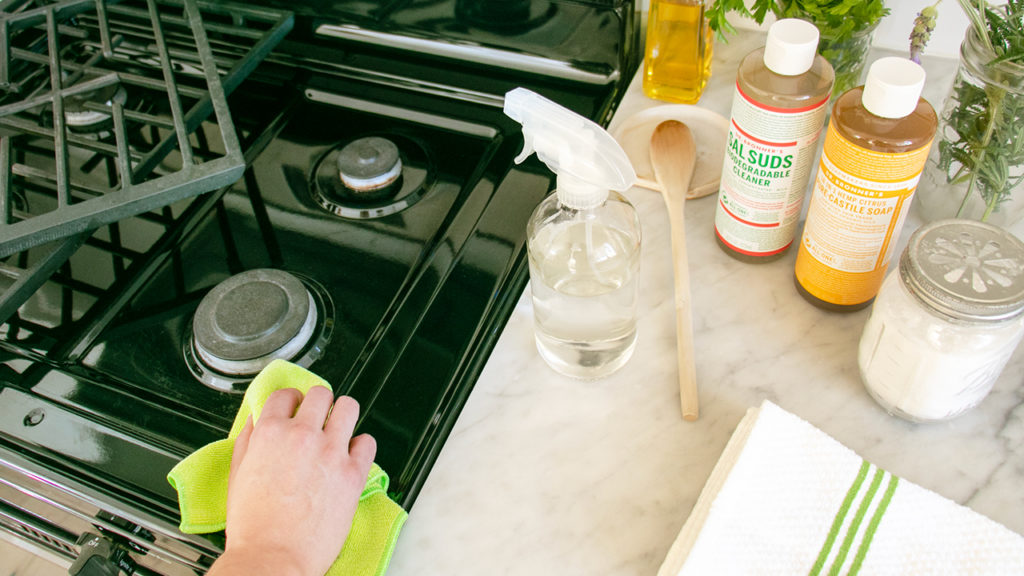
Use vinegar-based solutions. They disinfect and remove grime. Baking soda is another great choice. It tackles tough stains without scratching. Try Castile soap for everyday cleaning. It is mild and versatile.
Homemade Cleaning Solutions
Create your own cleaners at home. It's easy and cost-effective. Mix equal parts water and vinegar. Add a few drops of essential oil. This solution cleans and freshens surfaces.
For a scrub, mix baking soda and water. Apply it to stubborn stains. Let it sit for a few minutes. Wipe away with a damp cloth. Use lemon juice for natural bleaching. It brightens and disinfects.
Proper Cleaning Techniques
Use soft cloths or sponges for cleaning. Avoid abrasive pads. They can scratch surfaces. Wipe counters regularly to prevent buildup. Rinse and dry after cleaning. This prevents water spots and streaks.
Test any new cleaner on a small area. Ensure it doesn't damage the surface. Follow product instructions carefully. Store cleaners safely away from children. Maintain a clean and safe kitchen environment.

Credit: www.angi.com
Preventing Damage From Oven Cleaners
Oven cleaners are powerful products designed to cut through tough grease and grime, but they can also harm your kitchen counters if not used carefully. Preventing damage involves taking smart precautions before, during, and after cleaning. Protecting your counters helps maintain their look and durability, saving you from costly repairs or replacements.
Using Protective Barriers
Before applying any oven cleaner, cover your kitchen counters with a protective barrier like plastic sheets, old towels, or cardboard. These materials create a shield that stops the cleaner from dripping or splashing onto the surface. If you’ve ever accidentally spilled cleaner on your counter, you know how quickly it can cause discoloration or etching.
Think about the last time you cleaned your oven—did you take any steps to protect your counters? Adding this simple layer can prevent a lot of damage and stress.
Spot Testing Before Use
Always test the oven cleaner on a small, hidden area of your counter first. This helps you see how the surface reacts to the chemicals without risking noticeable damage. If the spot shows any discoloration, fading, or rough texture, avoid using that cleaner altogether.
Spot testing is a quick step that can save you from permanent damage. Have you ever skipped this and regretted it later? Taking the time to test can make all the difference.
Immediate Cleanup Measures
If oven cleaner accidentally touches your kitchen counter, wipe it off immediately with a damp cloth. Leaving the cleaner on the surface for even a few minutes can cause stains or etching. Rinse the area with water afterward to remove any leftover residue.
Quick action is your best defense. Do you have cleaning supplies ready near your kitchen when you use harsh chemicals? Being prepared helps you react fast and protect your counters effectively.
Credit: pbphomerepair.com
Frequently Asked Questions
What Happens If Oven Cleaner Touches Kitchen Counters?
Oven cleaner can damage kitchen counters by causing discoloration or surface etching. It contains strong chemicals that may break down finishes or seals. Avoid direct contact to preserve your countertop’s appearance and durability.
Can Oven Cleaner Harm Granite Or Marble Counters?
Yes, oven cleaner can harm granite and marble by dulling their polished surfaces. The harsh chemicals can erode protective sealants, leading to stains and permanent damage. Use cleaners made specifically for natural stone instead.
Is It Safe To Use Oven Cleaner On Laminate Counters?
Oven cleaner is not safe for laminate counters. Its strong chemicals can cause bubbling, discoloration, and surface damage. Use mild detergents or products designed for laminate to maintain your countertop’s look.
How Quickly Should Oven Cleaner Be Removed From Counters?
Oven cleaner should be wiped off immediately after contact. Leaving it on counters for even a few minutes can cause damage. Prompt cleaning with water prevents harmful chemical reactions with countertop materials.
Conclusion
Oven cleaner can damage your kitchen counters if used carelessly. It may cause stains, discoloration, or even eat away at the surface. Always read the label and test a small area first. Use safer alternatives for cleaning counters regularly. Keeping your kitchen clean is important but protecting your surfaces matters too.
Choose products wisely to avoid costly repairs. Small steps can save your counters and keep them looking good. Stay careful and your kitchen will stay beautiful longer.