

Have you ever wondered what happens when oven cleaner touches your kitchen countertops? You might think it’s a quick fix for stubborn stains, but the truth could surprise you.
Your countertops are a big part of your kitchen’s look and feel, and using the wrong cleaner could cause damage you didn’t expect. Keep reading to discover how oven cleaner affects different countertop materials and what you should do to keep your kitchen surfaces safe and spotless.
This knowledge could save you time, money, and frustration—so don’t miss out!
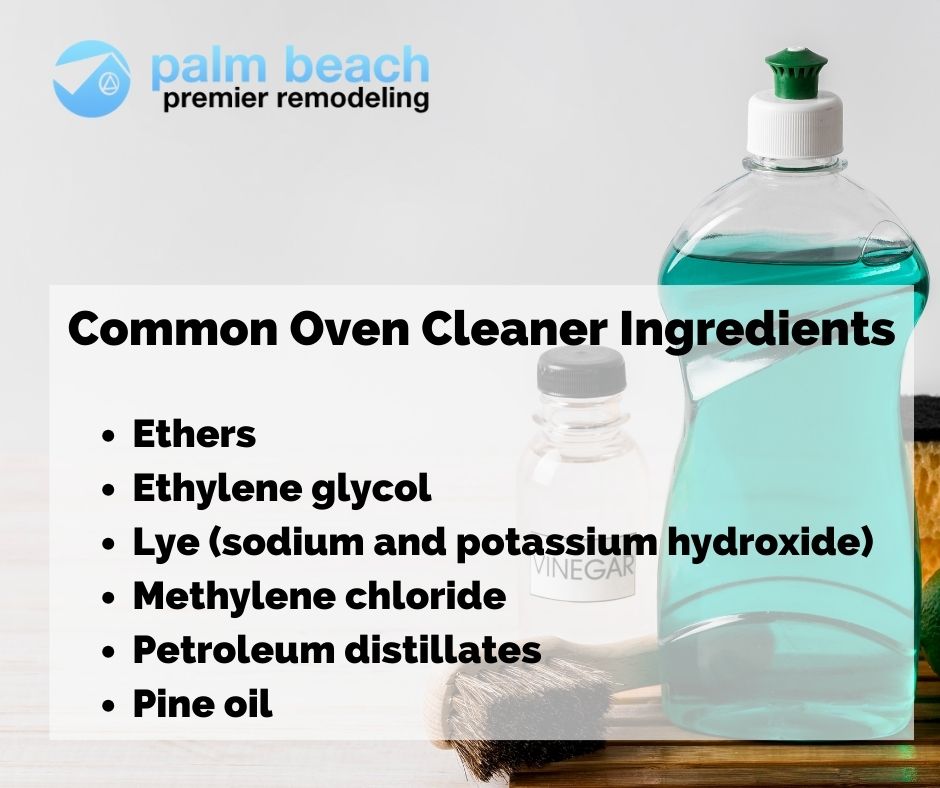
Credit: pbphomerepair.com
How Oven Cleaners Work
Oven cleaners work by breaking down tough grease and burnt food residues inside ovens. They use strong chemicals that dissolve stubborn grime. These chemicals react with the dirt and turn it into easier-to-remove substances.
The process involves a mix of active ingredients that target different types of dirt. The chemicals cause a reaction that loosens the grime from surfaces. This action makes cleaning faster and more effective.
Active Ingredients In Oven Cleaners
- Alkalis like sodium hydroxide or potassium hydroxide
- Surfactants that help lift grease and food particles
- Solvents to dissolve oils and fats
- Builders that soften hard water and boost cleaning power
Alkalis are the main components. They break down fats and proteins. Surfactants reduce surface tension, helping chemicals reach grime. Solvents dissolve sticky residues. Builders enhance the overall cleaning effect.
Chemical Reactions During Cleaning
Oven cleaners cause saponification, turning fats into soap and glycerol. This reaction helps dissolve greasy residues. Alkalis break down proteins through hydrolysis, softening burnt food. The surfactants surround dirt, allowing easy rinsing.
The cleaner reacts with the grime at a molecular level. This breaks bonds holding dirt to surfaces. As a result, the dirt loosens and washes away. These reactions happen quickly, even on heavy buildup.
Types Of Kitchen Countertops
Kitchen countertops come in many types, each with its own care needs. Understanding these types helps protect them from damage. Oven cleaner can be harsh on many surfaces. Knowing your countertop material is key to safe cleaning.
Natural Stone Surfaces
Natural stone includes granite, marble, and quartz. These surfaces are porous and sensitive to strong chemicals. Oven cleaner can cause discoloration or etching. It may break down sealants and make the stone dull. Always test a small area before use.
Laminate And Synthetic Materials
Laminate counters have a plastic coating over particleboard. Synthetic materials include solid surfaces like Corian. Oven cleaner can strip the laminate finish or cause bubbling. It may leave stains or dull the surface. Gentle cleaners are better for these materials.
Wood And Butcher Block Counters
Wood and butcher block countertops are natural and absorbent. Oven cleaner can dry out and damage the wood fibers. It may cause discoloration or roughness. These counters need mild, wood-safe cleaners and regular oiling to stay healthy.
Impact On Different Surfaces
Your kitchen countertops are the unsung heroes of your cooking space, enduring spills, heat, and constant use. But what happens when you accidentally get oven cleaner on them? The impact varies depending on the material, and knowing these effects can save you from costly repairs or replacements. Let's dive into how different surfaces react to oven cleaner.
Effects On Granite And Marble
Granite and marble countertops are known for their elegance and durability, but they're not immune to damage. Oven cleaners contain harsh chemicals that can dull the surface and strip away the sealant. Once the protective layer is compromised, these natural stones become susceptible to stains and etching.
If you've ever seen a discolored spot on a marble countertop, it might have been the result of a chemical reaction. Avoid using oven cleaner on these surfaces to maintain their pristine look. Instead, opt for mild soap and water for regular cleaning.
Reactions With Laminate Counters
Laminate countertops are a popular choice for budget-conscious homeowners, but they have their own set of vulnerabilities. The strong chemicals in oven cleaner can eat away at the laminate finish, causing discoloration and bubbling. This damage is often irreversible, leading to the need for replacement.
Think about the time and effort you put into finding the perfect laminate pattern. Protect your investment by keeping oven cleaner far away from these surfaces. A gentle cleaner or a mixture of vinegar and water is a safer alternative.
Risks For Wooden Countertops
Wooden countertops add warmth and charm to any kitchen, but they're particularly sensitive to harsh chemicals. Oven cleaner can strip the finish, leaving the wood exposed to moisture and potential warping. Once the wood is damaged, restoring it can be both challenging and expensive.
Have you ever wondered how to keep your wooden countertops looking new? A simple solution is regular oiling and using mild, natural cleaners. Avoid the temptation to use oven cleaner, even on tough stains, as it can lead to more harm than good.

Credit: www.angi.com
Common Damage Signs
Oven cleaners contain strong chemicals that can harm kitchen countertops. These cleaners are meant for ovens, not delicate surfaces like counters. Using them on countertops often leads to visible damage. Recognizing the signs early helps protect your kitchen's look and value.
Discoloration And Stains
Oven cleaner can cause your countertop to lose its original color. White or light-colored surfaces may develop yellow or brown patches. Dark countertops might show bleached spots. These stains often do not come off with regular cleaning. They make the counter look old and worn.
Surface Etching And Corrosion
The harsh chemicals in oven cleaner can eat into the countertop surface. This process is called etching. It creates small pits and rough spots that feel uneven. Stone surfaces like granite and marble are especially vulnerable. Corrosion weakens the countertop’s protective layer, inviting further damage.
Texture Changes And Weakening
Repeated exposure to oven cleaner can change how the countertop feels. Smooth surfaces become rough or chalky. The material may start to crumble or chip easily. This weakening reduces the countertop's lifespan. It also makes repairs more difficult and costly.
Safe Cleaning Alternatives
Choosing the right cleaning products is crucial for protecting your kitchen countertops. Oven cleaners often contain harsh chemicals that can damage surfaces like granite, marble, or laminate. You don’t have to risk ruining your counters to keep them spotless; safer options exist that work effectively without harm.
Natural And Homemade Cleaners
Natural cleaners use ingredients you probably already have at home, such as vinegar, baking soda, and lemon juice. These substances can tackle stains and grease without causing surface damage. For example, a paste made from baking soda and water gently scrubs away grime without scratching.
Have you tried mixing equal parts water and white vinegar in a spray bottle? It’s great for daily cleaning and leaves a fresh scent behind. Just be cautious with vinegar on stone countertops since its acidity might etch the surface over time.
Commercial Products For Countertops
If you prefer ready-made options, look for cleaners labeled safe for your countertop material. Many brands now offer pH-balanced or non-abrasive formulas designed specifically for delicate surfaces. These products often include ingredients that disinfect while preserving the finish.
Always check the label for warnings and test any new cleaner on a small hidden spot first. This quick step can save you from costly damage. Have you ever used a product that left your countertop dull or sticky? Choosing the right commercial cleaner prevents that problem.
Proper Cleaning Techniques
Using the right technique matters as much as the cleaner you pick. Avoid scrubbing hard with rough sponges; soft cloths or microfiber towels work best. Wipe spills promptly to stop stains from setting in and make cleaning easier.
Would you believe that just rinsing with warm water after cleaning can keep residue from building up? It’s a simple habit that helps maintain shine and hygiene. Also, avoid letting cleaners sit too long on your counters—follow the recommended time on the label.
Preventive Measures
Oven cleaner is powerful and effective, but it can damage your kitchen countertops if not used carefully. Taking preventive measures protects your surfaces from stains, discoloration, and erosion. Knowing how to shield your countertops can save you time and money on repairs or replacements.
Protecting Surfaces From Oven Cleaner
Always cover your countertops with a thick layer of plastic wrap or old towels before spraying oven cleaner. This simple barrier prevents the cleaner from seeping onto sensitive materials like granite, marble, or laminate. If you’ve ever seen a countertop turn dull or develop white spots after cleaning, it’s likely because the cleaner wasn’t blocked.
Try to apply oven cleaner only in well-ventilated areas and avoid letting it drip or run onto any surface. Have a damp cloth ready to wipe off any accidental splashes immediately. Do you keep protective items handy during deep cleaning, or do you risk exposure to your countertops?
Best Practices For Cleaning Appliances
Spray oven cleaner directly onto the oven surfaces, not the surrounding counters or cabinets. Use a brush or sponge to spread the cleaner evenly without over-saturating the area. Avoid mixing oven cleaner with other chemicals; it can cause harmful reactions or damage your appliances.
Wear gloves and work in small sections to control the application better. After the recommended wait time, rinse thoroughly with water to remove all residue. This prevents leftover cleaner from accidentally transferring to your countertops when you touch the oven door or handles.
Regular Maintenance Tips
Clean spills and crumbs on your countertops immediately to avoid buildup that requires harsh chemicals. Use mild dish soap and warm water daily instead of strong cleaners whenever possible. This keeps your surfaces intact and reduces the need for oven cleaner near your counters.
Schedule deep cleaning sessions for your oven less frequently and focus on prevention by wiping the oven interior regularly. Have you noticed how consistent small cleaning habits extend the life of your kitchen surfaces?

Credit: www.reddit.com
Frequently Asked Questions
Can Oven Cleaner Damage Kitchen Countertops?
Yes, oven cleaner can damage countertops, especially those made of natural stone or laminate. Its strong chemicals may cause discoloration, etching, or surface deterioration. Always test on a small area first or avoid use on sensitive surfaces to prevent permanent damage.
Is Oven Cleaner Safe For Granite Countertops?
Oven cleaner is not safe for granite countertops. The harsh chemicals can strip the sealant and etch the stone, leading to dullness and damage. Use cleaners specifically designed for granite to maintain its appearance and longevity.
How To Remove Oven Cleaner Residue From Countertops?
To remove oven cleaner residue, rinse the area thoroughly with warm water. Use a mild dish soap and a soft cloth to clean the surface gently. Avoid abrasive scrubbers which can further damage the countertop finish.
What Types Of Countertops Resist Oven Cleaner Effects?
Quartz and solid surface countertops resist oven cleaner better than natural stone. They have non-porous surfaces that withstand harsh chemicals with less risk of damage. However, it’s best to avoid oven cleaner on any countertop for safety.
Conclusion
Oven cleaner can damage kitchen countertops quickly. It may cause discoloration and weaken surfaces. Always test a small spot first to avoid problems. Use gentler cleaners made for your countertop material. Clean counters often with mild soap and water. Protect your kitchen by choosing safe cleaning products.
Taking care helps keep your countertops looking good longer. Your kitchen stays fresh and safe for daily use. Simple steps save money and prevent damage. Choose wisely to protect your home’s heart.