
Have you ever wondered what happens when oven cleaner touches your kitchen countertops? You might think it’s a quick fix for stubborn stains, but the truth could surprise you.
Your countertops are an important part of your kitchen’s look and function, and using the wrong cleaner can cause damage you didn’t expect. Keep reading to discover how oven cleaner affects different countertop materials and what you should do to keep your kitchen surfaces safe and spotless.
Don’t risk ruining your countertops—learn the facts now!
Oven Cleaner Ingredients
Oven cleaners contain strong ingredients designed to dissolve tough grease and burnt food. These chemicals work quickly to break down grime inside ovens. However, their powerful nature can affect kitchen countertops in different ways. Understanding the ingredients helps protect surfaces from damage.
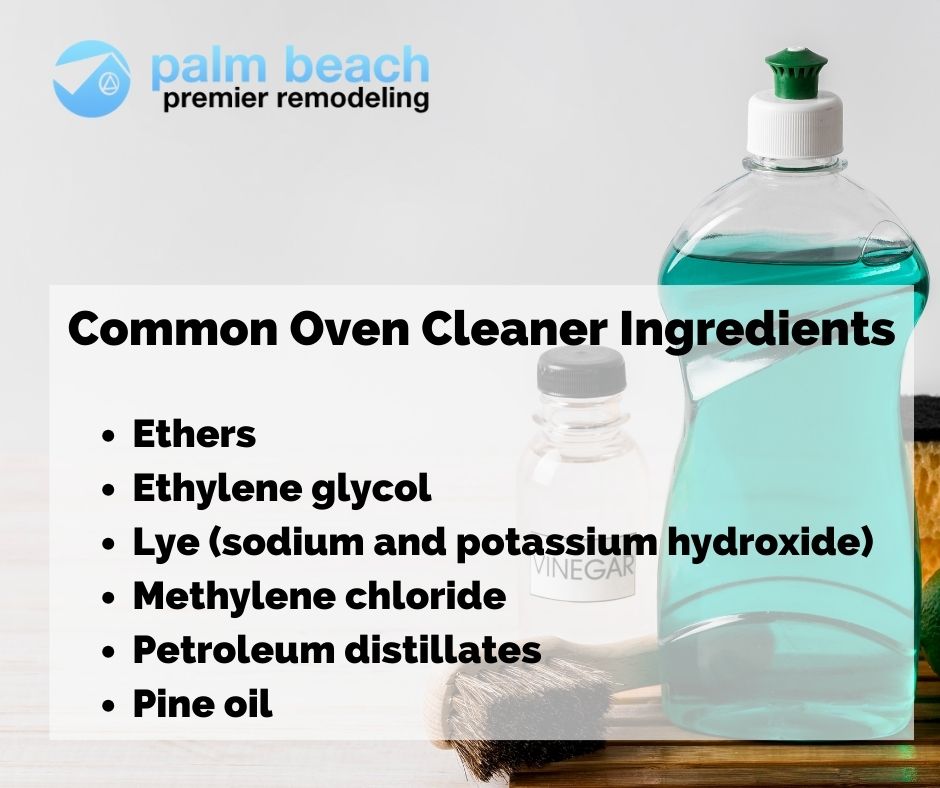
Common Chemicals Used
- Sodium hydroxide (lye) – a strong base that breaks down grease.
- Potassium hydroxide – similar to sodium hydroxide but often less harsh.
- Surfactants – help lift and dissolve oils and dirt.
- Solvents – such as glycol ethers to dissolve stubborn residues.
- Fragrances and dyes – added for scent and appearance.
How They React With Surfaces
Oven cleaner chemicals are highly alkaline. They can eat away at soft or porous materials like wood and laminate. Acid-sensitive surfaces may discolor or erode.
Stone countertops like granite or marble can suffer etching or dull spots. The cleaner strips natural oils and minerals, leaving marks.
Non-porous surfaces such as stainless steel or glass resist damage better. Still, prolonged contact can cause stains or corrosion.
Always test a small area first. Wipe off any cleaner quickly to avoid lasting harm.

Credit: www.angi.com
Types Of Kitchen Countertops
Kitchen countertops come in many materials, each with unique qualities. Choosing the right type affects durability and maintenance. Understanding these types helps you protect your counters from harsh cleaners like oven cleaner. Some surfaces handle chemicals better than others.
Granite And Marble
Granite and marble are natural stones. They look elegant and add value to kitchens. These stones are porous and can absorb liquids. Oven cleaner can damage their surface, causing dull spots or etching. Avoid harsh chemicals on these countertops to keep their shine.
Laminate And Wood
Laminate countertops are made of plastic layers over particleboard. They are affordable and easy to clean. Wood countertops offer warmth and charm but need care. Both types can be damaged by oven cleaner. The harsh chemicals may strip laminate or stain wood.
Quartz And Solid Surfaces
Quartz countertops are engineered stone with resin binders. Solid surfaces are man-made from acrylic or polyester. Both are non-porous and resist stains well. Oven cleaner can still harm their finish and cause discoloration. Use gentle cleaners to keep them looking new.
Chemical Reactions With Countertops
Oven cleaner can damage kitchen countertops by causing discoloration or surface erosion. Strong chemicals react with materials like granite or laminate, leading to stains or dull spots. Always test a small area first to avoid permanent harm.
Chemical reactions between oven cleaner and kitchen countertops can be a costly surprise. These cleaners contain strong chemicals. They break down grease and grime effectively. But they can also harm your countertops. Different materials react differently to these chemicals. Understanding these reactions can help you prevent damage.
Effects On Natural Stone
Natural stone countertops look elegant. But they are sensitive to harsh chemicals. Oven cleaners can cause etching. This is a dull mark on the stone. They might also discolor the surface. Granite, marble, and limestone are vulnerable. The chemicals eat away at the sealant. This exposes the stone to further damage.
Impact On Laminates
Laminate countertops are common in many kitchens. They are budget-friendly and versatile. But they do not fare well with oven cleaners. The strong chemicals can cause the laminate to bubble. It might peel away from the surface. This damage is often irreversible. It ruins the appearance of your countertop.
Damage To Wood Surfaces
Wood surfaces provide warmth and character. They are also highly sensitive to chemicals. Oven cleaners can strip away the finish. This leaves the wood unprotected. It might also cause discoloration. The moisture in the cleaner can warp the wood. This affects the overall structure of your countertop.
Credit: pbphomerepair.com
Signs Of Damage From Oven Cleaner
Oven cleaners contain strong chemicals that can harm kitchen countertops. These chemicals may cause visible damage over time. Recognizing the signs early helps protect your surfaces. Watch for changes in color, texture, and shine on your countertops.
Discoloration And Stains
Oven cleaner can bleach or darken the countertop surface. You might see white spots or uneven color patches. These stains often do not come off with regular cleaning. Discoloration changes the original look of your countertop.
Surface Etching And Pitting
Harsh chemicals can eat away at the countertop material. This creates small pits or rough areas on the surface. Etching weakens the countertop and makes it more prone to damage. The texture feels uneven or scratched to the touch.
Loss Of Finish And Shine
The protective layer on countertops can wear off after oven cleaner use. Surfaces lose their smoothness and become dull. This dullness makes countertops look old and worn out. The shine does not return even after polishing.
Safe Cleaning Alternatives
Choosing safe cleaning alternatives protects your kitchen countertops from damage. Oven cleaners contain harsh chemicals that can erode or discolor many countertop surfaces. Using gentler options helps maintain the look and lifespan of your counters.
Simple, mild cleaners work well for daily cleaning and tough stains. Natural solutions offer an eco-friendly and non-toxic way to keep your kitchen fresh. Proper techniques prevent scratches and preserve the finish of your countertops.
Mild Cleaners For Different Materials
Different countertop materials need different cleaners. For granite and marble, use a pH-neutral cleaner or dish soap with warm water. Avoid acidic or abrasive products that can etch the surface. Laminate counters clean well with mild soap and water. Use a soft cloth or sponge to avoid scratches.
Natural Cleaning Solutions
Baking soda and water form a gentle paste for scrubbing stains. White vinegar diluted with water works for disinfecting and removing grease. Lemon juice can brighten some surfaces but test it first on a small area. Essential oils like tea tree or lavender add a fresh scent and natural antibacterial properties.
Proper Cleaning Techniques
- Always test cleaners on a small, hidden area first.
- Use soft cloths or sponges, never abrasive pads.
- Wipe spills quickly to prevent stains.
- Rinse surfaces thoroughly to remove cleaner residue.
- Dry counters with a soft towel to avoid water spots.
Preventing Damage From Oven Cleaner
Oven cleaners are powerful and effective at breaking down tough grease and burnt-on food, but they can also be harsh on kitchen countertops. Understanding how to prevent damage is key to keeping your surfaces looking fresh and new. Simple precautions can make a big difference in protecting your investment.
Spot Testing Before Use
Always test oven cleaner on a small, hidden area of your countertop before applying it widely. This helps you see if the cleaner causes discoloration, dullness, or surface damage. A patch test only takes a few minutes and can save you from costly repairs later.
If you notice any adverse reaction during spot testing, avoid using that product on your countertops altogether. Some materials like natural stone or laminate are more sensitive than others.
Avoiding Contact With Countertops
Be mindful when spraying oven cleaner near your countertops. Avoid direct contact by covering nearby surfaces with plastic wrap or old towels. This barrier stops accidental spills or overspray from sitting on your counters.
When cleaning your oven, try to keep the spray directed away from any exposed countertop edges. If you have a backsplash, wipe it down immediately if it gets any cleaner on it to prevent damage.
Immediate Cleanup Procedures
If oven cleaner accidentally lands on your countertop, act quickly. Wipe it off immediately using a damp cloth or sponge with plenty of water. The longer the cleaner stays on the surface, the higher the chance of staining or etching.
After removing the cleaner, dry the area thoroughly to avoid moisture damage. Following this quick cleanup routine can protect your countertops from permanent harm.

Credit: pbphomerepair.com
Frequently Asked Questions
Can Oven Cleaner Damage Kitchen Countertops?
Yes, oven cleaner can damage many countertops. It contains harsh chemicals that may discolor or erode surfaces, especially granite, marble, and laminate. Always check the cleaner’s label and test on a small area first.
Is Oven Cleaner Safe For Granite Countertops?
No, oven cleaner is not safe for granite. Its strong chemicals can dull and etch the stone’s surface. Use cleaners specially formulated for granite to maintain its shine and durability.
How To Remove Oven Cleaner Residue From Countertops?
Wipe the residue immediately with a damp cloth. Use warm water and mild soap to clean thoroughly. Avoid abrasive scrubbing to prevent surface damage.
Can Oven Cleaner Discolor Laminate Countertops?
Yes, oven cleaner can cause discoloration and damage on laminate. The chemicals may strip the protective layer, leaving stains or spots. Use mild, non-abrasive cleaners instead for laminate surfaces.
Conclusion
Oven cleaner can damage many kitchen countertop materials. It often causes discoloration, dullness, or surface weakening. Always check your countertop type before using strong cleaners. Test a small hidden spot first to avoid damage. Using gentler cleaners keeps your countertops safe and looking good.
Regular care helps maintain your kitchen’s beauty and function. Choose cleaning products wisely to protect your investment. Keep your kitchen surfaces clean and well-maintained for years. Simple steps make a big difference in countertop care.