
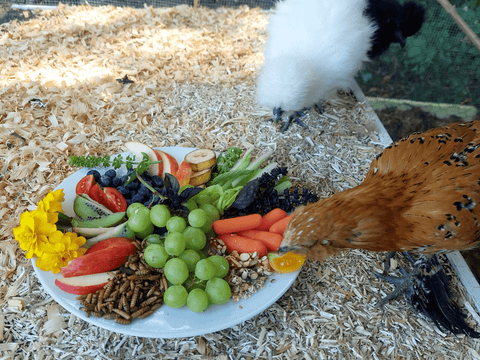
Are you wondering what kitchen scraps are safe and healthy for your chickens? Feeding your flock the right scraps can save you money and reduce food waste, while keeping your chickens happy and well-nourished.
But not all scraps are good for them—some can be harmful or even dangerous. You’ll discover exactly which kitchen leftovers your chickens can enjoy and which ones to avoid. Keep reading to make sure your feathered friends get the best treats from your kitchen!
Credit: www.thehappychickencoop.com
Safe Fruits For Chickens
Chickens enjoy a variety of fruits that provide essential vitamins and hydration. Safe fruits not only boost their health but also add excitement to their diet. Knowing which fruits are safe helps you avoid harmful effects and keeps your flock happy.
Apples And Berries
Apples are a favorite treat for chickens, but make sure to remove the seeds before feeding. The seeds contain trace amounts of cyanide, which can be harmful over time. Berries like strawberries, blueberries, and raspberries are packed with antioxidants and are perfectly safe for your birds.
Try mixing chopped apples and berries to create a colorful, nutritious snack. Your chickens will enjoy the taste and the energy boost from natural sugars. Have you noticed how excited your chickens get when you bring out fresh fruit?
Melons And Citrus
Melons such as watermelon, cantaloupe, and honeydew are excellent for chickens. They are mostly water, which helps keep your flock hydrated during hot days. Just cut them into manageable pieces and watch your chickens eagerly peck away.
Citrus fruits like oranges and tangerines can be given in moderation. Their strong flavor might not appeal to all chickens, but many enjoy the juicy segments. Avoid feeding citrus peels, as they can be tough to digest.
Bananas And Grapes
Bananas are soft and easy to digest, making them a great choice for chickens of all ages. They also provide potassium, which supports muscle function. Slice bananas into small pieces to prevent choking hazards.
Grapes are another safe option, but always cut them in half to avoid choking. Their natural sweetness is a hit with many chickens. Have you ever noticed your flock’s preferences for certain fruits? Offering variety helps you learn what they love most.
Vegetables Chickens Enjoy
Vegetables are a great treat for chickens. They add variety to their diet and provide important nutrients. Chickens enjoy many types of vegetables, especially fresh and chopped ones. These veggies keep chickens healthy and happy.
Leafy Greens
Leafy greens are a favorite among chickens. They love the texture and taste. Common leafy greens include:
- Kale
- Spinach
- Lettuce
- Swiss chard
- Collard greens
These greens offer vitamins A and K. They also contain fiber, which aids digestion. Avoid giving them wilted or spoiled leaves.
Root Vegetables
Root vegetables are a tasty and nutritious option. Chickens peck at these crunchy treats eagerly. Examples include:
- Carrots
- Beets
- Turnips
- Radishes
Peel and chop root vegetables before feeding. They provide vitamins and minerals like beta-carotene and potassium.
Peppers And Squash
Peppers and squash add color and flavor to a chicken’s diet. Most types are safe and enjoyed by chickens. Try:
- Bell peppers
- Jalapeños (in small amounts)
- Zucchini
- Butternut squash
Remove seeds if feeding hot peppers. These vegetables supply vitamins C and A. They also support the immune system.
Grains And Bread Scraps
Grains and bread scraps are excellent treats for chickens. They provide energy and essential nutrients. Chickens enjoy these scraps and digest them easily. Always offer grains and bread in moderation. Overfeeding can cause health issues. Proper preparation ensures safety and better nutrition for your flock.
Cooked Rice And Pasta
Cooked rice and pasta are safe for chickens. Serve them plain, without sauces or seasoning. These foods are easy to eat and digest. They provide carbohydrates for energy. Cold or warm, both work well. Avoid moldy or spoiled leftovers to keep chickens healthy.
Bread Types To Offer
Not all bread types suit chickens. Choose whole grain or plain white bread. Avoid bread with seeds, nuts, or spices. These can harm chickens or cause choking. Stale or dry bread is better than fresh. It is less sticky and easier to handle.

Credit: silverhomestead.com
Protein-rich Kitchen Scraps
Protein-rich kitchen scraps provide essential nutrients for healthy chickens. These scraps help build strong muscles and support egg production. Feeding chickens a good amount of protein keeps them active and healthy. Many common kitchen leftovers offer excellent protein sources for your flock.
Cooked Eggs
Cooked eggs are a great protein snack for chickens. Scrambled or boiled eggs work best. Avoid raw eggs to prevent spreading diseases. Eggs provide high-quality protein and important vitamins. Break the eggs into small pieces for easy eating. Chickens enjoy eggs and benefit from their nutrients.
Meat And Fish Scraps
Small amounts of cooked meat and fish scraps boost protein intake. Remove bones and seasoning before feeding. These scraps add variety and extra nutrients to their diet. Avoid raw or spoiled meat to keep chickens safe. Use leftovers like cooked chicken, beef, or fish. Protein from meat supports feather growth and overall health.
Dairy Products
Some dairy products are good protein sources for chickens. Plain yogurt and cheese in small amounts work well. Avoid giving chickens milk, as many cannot digest it. Dairy provides calcium and protein that strengthen bones and eggshells. Always feed dairy scraps in moderation to prevent digestive issues.
Avoid These Scraps
When feeding chickens kitchen scraps, it’s essential to remember that not all leftovers are safe for them. Some foods can be harmful or even toxic, while others might just not be the healthiest choice. Understanding what to avoid can help keep your flock happy and healthy. Let's dive into what you should steer clear of when offering kitchen scraps to your chickens.
Toxic Foods
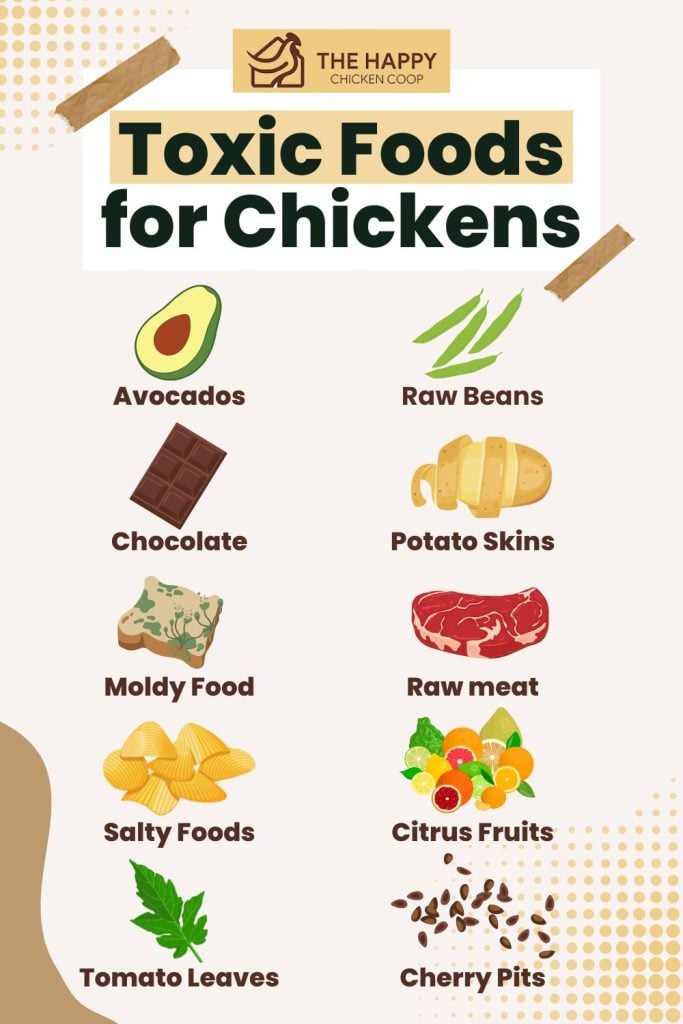
Certain foods can be toxic to chickens, and it's crucial to keep these out of their diet. Avocado, for instance, contains persin, which can be fatal to chickens. Similarly, chocolate and caffeine should be off the menu, as they can lead to serious health issues.
Onions and garlic, although not fatal, can taint the flavor of eggs, which might not be desirable. Rhubarb leaves are another big no-no due to their high levels of oxalic acid, which can poison your birds. Always research before tossing scraps into the coop.
Moldy Or Spoiled Items
You might think chickens can handle anything, but moldy or spoiled food should never be given to them. Mold can produce toxins that are harmful to chickens, much like they are to humans. It's best to compost these items instead of risking your flock's health.
Remember, if you wouldn't eat it because it's spoiled, neither should your chickens. Keep an eye on the freshness of the scraps you provide and ensure they are safe for consumption.
Excessive Salt And Sugar
While a little seasoning might seem harmless, too much salt can lead to serious health problems in chickens. It can cause dehydration and even lead to salt poisoning. Be mindful of processed foods, which often contain high salt levels.
Sugar is another ingredient to avoid. Chickens don’t need added sugars, and too much can affect their health and egg production. Stick to natural, unprocessed scraps to keep your chickens healthy and productive.
By being mindful of what you toss into the coop, you can ensure your chickens stay healthy and happy. Are there any surprising foods you discovered weren't safe for your chickens?

Credit: fullyhealthy.com
Feeding Tips And Best Practices
Feeding chickens kitchen scraps can be rewarding and economical. Proper feeding helps keep chickens healthy and happy. Follow best practices to avoid health problems and waste. Careful feeding ensures chickens enjoy their treats safely.
Portion Sizes
Offer small amounts of scraps to avoid overfeeding. Too many scraps can cause digestive issues. Scraps should not replace their main feed. A good rule is to keep scraps under 10% of their daily diet. Watch chickens to see how they react to new foods.
How To Prepare Scraps
Cut scraps into small, bite-sized pieces. This makes eating easier and reduces choking risk. Remove any seeds, pits, or tough parts. Avoid spoiled or moldy scraps. Fresh scraps provide better nutrition and taste.
Maintaining A Balanced Diet
Kitchen scraps must complement, not replace, balanced feed. Provide fresh water and quality commercial feed daily. Include grains, proteins, and greens in their diet. Use scraps like vegetable peels, fruits, and bread as treats. Monitor chickens’ health and adjust feeding as needed.
Frequently Asked Questions
What Kitchen Scraps Are Safe For Chickens To Eat?
Chickens can safely eat vegetable peels, fruit scraps, cooked rice, and bread. Avoid spoiled or moldy food to keep them healthy.
Can Chickens Eat Dairy Or Meat Scraps?
Chickens should avoid dairy and meat scraps as these can cause digestive issues and attract pests.
Are Citrus Fruits Good For Chickens?
Yes, small amounts of citrus fruits like oranges can be given. They provide vitamin C but should be fed in moderation.
Can Chickens Eat Raw Potato Peels?
No, raw potato peels contain toxins harmful to chickens. Always avoid feeding raw potatoes or their peels.
Conclusion
Chickens enjoy many kitchen scraps, but not all are safe. Avoid giving them spoiled or harmful foods. Fresh vegetable peels, fruit bits, and grains make good treats. These scraps add variety and nutrition to their diet. Always watch your chickens while they eat new scraps.
Healthy feeding helps them stay active and happy. Feeding scraps wisely supports your flock’s well-being. Keep scraps clean and fresh to prevent illness. Simple choices make a big difference in chicken care.