
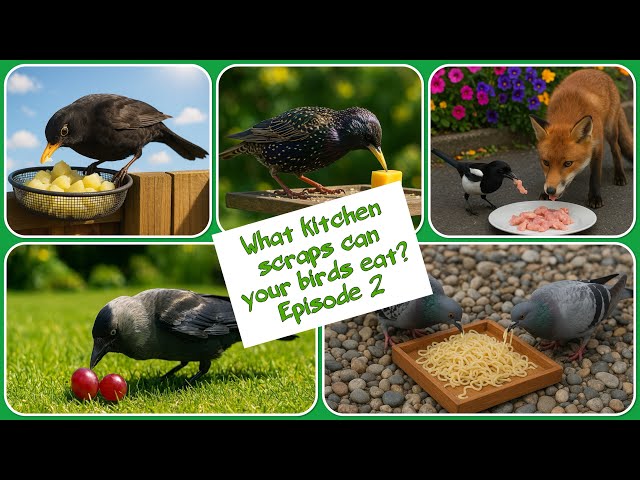
Have you ever wondered what kitchen scraps you can safely share with the birds visiting your backyard? Feeding birds is a great way to connect with nature, but not all scraps are good for them.
Knowing exactly what you can offer helps keep your feathered friends healthy and happy. You’ll discover the simple, safe kitchen leftovers that birds love—and which ones to avoid. Keep reading to learn how your everyday scraps can turn into a tasty treat for your winged visitors.
Common Kitchen Scraps For Birds
Many birds enjoy a variety of kitchen scraps that can add nutrition and excitement to their diet. Offering the right scraps not only helps reduce food waste but also provides your feathered friends with tasty treats. Knowing which fruits, vegetables, and grains are safe is key to keeping birds healthy and happy.
Fruits Birds Enjoy
Birds love sweet and juicy fruits, which provide essential vitamins and hydration. Some popular choices include:
- Apple slices (without seeds)
- Banana chunks
- Blueberries
- Grapes (cut in half)
- Melon pieces
- Strawberries
Make sure to remove any seeds or pits, as these can be harmful. Have you noticed how quickly birds flock around when you offer fresh fruit? It’s a clear sign they appreciate these natural treats.
Vegetables Safe For Birds
Vegetables are another great option to add variety and nutrients to your bird’s diet. Many birds enjoy crunchy and colorful veggies such as:
- Carrot slices
- Peas
- Spinach
- Sweet potato (cooked and cooled)
- Zucchini slices
Raw vegetables retain more nutrients, but some, like sweet potatoes, should be cooked for easier digestion. Have you ever tried offering a mix of veggies and seen which ones your birds pick first?
Grains And Bread Options
Grains provide energy and help fill out a bird’s diet, but it’s important to choose the right types. Safe options include:
- Cooked rice
- Oatmeal (plain, cooked)
- Whole grain bread (in small amounts)
- Cooked pasta (plain)
Avoid bread with added sugar, salt, or preservatives. Ever wondered if birds actually enjoy bread, or if it’s just a convenient treat for us? Observing their preferences can guide you to better choices.
Nutritional Benefits Of Kitchen Scraps
Kitchen scraps can be a valuable source of nutrients for birds. These leftover bits often contain a variety of essential vitamins, minerals, and other nutrients that support birds' health and energy. Offering scraps not only reduces waste but also helps feed wildlife in a natural and beneficial way.
Vitamins And Minerals In Scraps
Many kitchen scraps are rich in vitamins like A, C, and E, which are crucial for birds' immune systems and feather health. Leafy greens, carrot peels, and fruit skins often contain these nutrients in good amounts.
Minerals such as calcium and potassium are also found in vegetable scraps, helping birds with bone strength and muscle function. Have you ever noticed birds eagerly pecking at leftover fruit? They might be after these vital nutrients.
Energy Sources For Birds
Birds need energy to stay active, especially in colder months. Kitchen scraps like cooked rice, pasta, and bread provide carbohydrates that act as quick energy sources.
Seeds and nuts left over from your meals offer fats and proteins that keep birds fueled for longer periods. You can think of these scraps as small energy boosts that help birds maintain their daily activities.
Hydration From Fresh Foods
Fresh fruits and vegetables hold high water content, which helps birds stay hydrated. Water is often hard to find during dry seasons, so juicy scraps like cucumber slices or apple chunks can make a big difference.
Providing scraps with moisture also supports digestion and overall health in birds. Have you ever considered how much water a simple kitchen scrap can provide to thirsty wildlife?
Foods To Avoid Feeding Birds
Feeding birds your kitchen scraps can be rewarding, but it’s crucial to know which foods to avoid. Some scraps might look harmless but can harm birds or cause digestive issues. Protecting your feathered friends means steering clear of certain toxic, allergenic, and processed foods.
Toxic Foods For Birds
Many common foods in your kitchen can be toxic to birds. Avoid giving them:
- Avocado:Contains persin, which can cause heart damage.
- Chocolate:Toxic theobromine affects their nervous system.
- Onions and garlic:Lead to digestive upset and red blood cell damage.
- Raw beans:Contain hemagglutinin, a harmful toxin.
Have you ever wondered why birds avoid certain fruits? It’s often instinct to stay clear of toxic foods. Always double-check before sharing a new treat with your garden visitors.
Common Allergens
Birds can have sensitivities too. Some foods may cause allergic reactions or digestive troubles. Nuts, especially salted or flavored, can trigger issues.
Seeds like sunflower are usually safe, but be cautious with new additions. Watch for signs like sneezing or lethargy after feeding something new.
Does your backyard bird feeder include items that could cause allergies? Keep it simple and natural to avoid surprises.
Processed And Seasoned Scraps
Processed leftovers often contain salt, sugar, and spices that birds can’t handle. Avoid feeding them:
- Chips, crackers, or bread with salt or preservatives
- Leftover sauces or dressings
- Seasoned meats or cooked bones
Even if your pet bird enjoys flavored snacks, wild birds need plain, natural food. Sharing seasoned scraps might seem harmless but can lead to dehydration or poisoning.
Next time you clean your plate, think about what’s safe for birds before tossing them a bite.

Credit: www.yahoo.com
Preparing Scraps For Bird Feeding
Preparing kitchen scraps for bird feeding requires care and attention. Proper preparation ensures birds eat safely and enjoy their food. It also helps prevent waste and keeps feeding areas clean. Simple steps make scraps suitable and healthy for birds.
Cleaning And Cutting Techniques
Wash scraps thoroughly to remove dirt and chemicals. Use fresh water and rinse well. Avoid scraps with mold or rot. Cut scraps into small, bite-sized pieces. Small pieces are easier for birds to eat and digest. Remove seeds from fruits like apples and pears. Seeds can be harmful or hard to digest for some birds.
Portion Sizes
Offer small portions to avoid waste and spoilage. Too much food attracts pests and can harm birds. Serve scraps in amounts birds can finish in one feeding. Observe how much birds eat and adjust portions accordingly. Fresh scraps should be replaced often to keep food safe.
Storage Tips
Store scraps in a cool, dry place before feeding. Use airtight containers to keep scraps fresh longer. Refrigerate perishable scraps to prevent spoilage. Avoid storing scraps with strong odors to keep birds safe. Label containers with dates to use oldest scraps first. Proper storage reduces waste and keeps birds healthy.
Feeding Tips And Best Practices
Birds can safely eat many kitchen scraps like fruit peels, cooked rice, and vegetable bits. Avoid giving them salty, sugary, or spoiled foods to keep them healthy. Fresh scraps offer a tasty and nutritious treat for wild and pet birds alike.
Feeding Tips and Best Practices Many bird enthusiasts find joy in sharing their leftover kitchen scraps with the local avian population. But what are the best ways to do so while ensuring the health and safety of your feathered friends? Understanding when and how to feed birds can transform your backyard into a thriving habitat.
Feeding Times And Frequency
Timing is everything. Birds are most active during the early morning and late afternoon, making these times ideal for offering scraps. Regular feeding can help birds establish a routine, but be mindful not to overfeed as it can lead to dependency. Consider setting up a schedule that aligns with your daily habits. This consistency not only benefits birds but also allows you to enjoy watching them at predictable times. Remember, moderation is key to maintaining a balanced diet for these creatures.
Attracting Different Bird Species
Different birds have different taste preferences. Offering a variety of scraps can attract a diverse range of species to your yard. For example, fruit scraps like apple cores or banana peels can appeal to fruit-loving birds, while bread crumbs might attract sparrows or pigeons. Creating a varied menu can turn your backyard into a bustling bird cafe. Have you noticed which birds are drawn to certain scraps? Observing these interactions can be both educational and entertaining.
Safety Considerations
Your primary concern should be the safety of the birds. Not all kitchen scraps are bird-friendly. Avoid offering salty or sugary foods, as these can be harmful. Moldy or spoiled scraps should never be used. Think about the environment, too. Clean feeding areas regularly to prevent the spread of disease. This simple act can ensure that your feeding station remains a safe and welcoming place for all birds. Ultimately, feeding birds can be a rewarding experience that connects you with nature. But it's essential to do it thoughtfully and responsibly. What changes can you make today to enhance your bird-feeding practices?

Credit: gratefulprayerthankfulheart.com
Environmental Impact Of Feeding Birds
Feeding birds kitchen scraps can affect the environment around us. It changes how birds find food and live. This impact can be both good and bad. Careful feeding helps birds stay healthy and nature balanced. Understanding these effects can guide better habits.
Avoiding Dependency
Birds need to find food on their own. Feeding them too much can make them rely on humans. This dependency can harm their survival skills. Birds may stop searching for natural food sources. Offer scraps only sometimes to keep their independence.
Maintaining Clean Feeding Areas
Dirty feeding spots attract pests and spread disease. Leftover food can rot and cause bad smells. Clean the area often to protect birds and your home. Use fresh scraps and remove old food quickly. A clean space keeps birds safe and healthy.
Supporting Natural Foraging
Feeding birds should not replace their natural search for food. Natural foraging helps birds exercise and stay alert. Leave some scraps that encourage birds to work for their meal. Scatter food in different spots to mimic nature. This supports their natural behavior and fitness.

Credit: homeandroost.co.uk
Frequently Asked Questions
What Kitchen Scraps Are Safe For Birds To Eat?
Birds can safely eat fruits, vegetables, cooked rice, and bread scraps. Avoid anything salty, sugary, or seasoned. Always provide fresh, clean scraps to keep birds healthy and happy.
Can Birds Eat Citrus Fruit Scraps From The Kitchen?
Yes, birds can eat small amounts of citrus fruit scraps. Oranges and lemons provide vitamins but should be given in moderation due to acidity. Remove seeds before feeding.
Are Cooked Vegetable Scraps Good For Wild Birds?
Cooked vegetable scraps like carrots, peas, and sweet potatoes are safe and nutritious. Avoid using oily or heavily salted vegetables as they can harm birds.
Is It Safe To Feed Bread Scraps To Birds?
Bread scraps are safe but should be given sparingly. Bread lacks nutrients and can fill birds without nourishing them. Opt for healthier scraps like seeds or fruits.
Conclusion
Feeding birds kitchen scraps can help them stay healthy and strong. Safe foods include fruits, vegetables, and grains. Avoid giving birds salty, spicy, or spoiled items. Keep their diet natural and fresh for best results. Watching birds enjoy your scraps brings joy and life to your garden.
Small efforts make a big difference in bird care. Try adding bird-friendly scraps to your daily routine. Birds will thank you with their cheerful songs and visits. Simple actions create a happy and healthy environment for birds.