
Are you tired of throwing away kitchen scraps and feeling guilty about the waste? What if you could turn those leftovers into something valuable for your garden?
Composting your kitchen scraps is easier than you think, and it helps reduce waste while enriching your soil. But which scraps can you actually compost? Knowing what to toss into your compost bin can make all the difference. Keep reading, and you’ll discover exactly what kitchen scraps you can compost—and how to do it right for a healthier home and garden.

Credit: www.robingreenfield.org
Compost Basics
Composting is a natural way to turn kitchen scraps into rich soil. It helps reduce waste and supports plant growth. Understanding the basics makes composting easy and effective. Simple scraps like fruit peels and vegetable ends can start the process.
Why Compost Kitchen Scraps
Kitchen scraps are full of nutrients that plants need. Composting these scraps stops them from going to landfills. It lowers the amount of trash and cuts harmful gases. Using scraps for compost saves money on fertilizers. It also helps gardens grow healthier and stronger.
How Composting Benefits The Environment
Composting reduces waste and protects natural habitats. It slows down climate change by cutting greenhouse gas emissions. Compost improves soil health by adding nutrients and moisture. It helps plants grow better and reduces the need for chemical fertilizers. Composting supports a cleaner and greener planet for future generations.

Credit: theuglyapplecampaign.wordpress.com
Compostable Kitchen Scraps
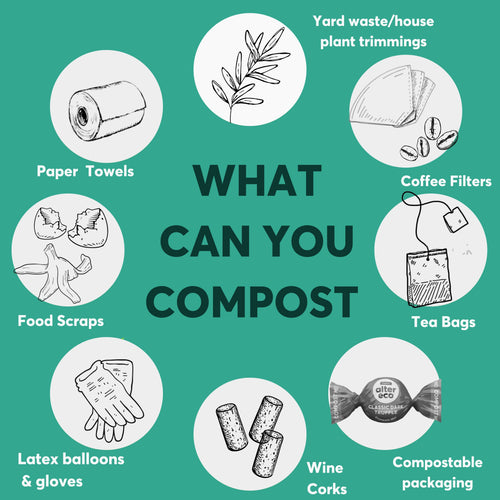
Knowing what kitchen scraps you can compost makes the process easier and more effective. Composting turns your food waste into nutrient-rich soil, reducing trash and helping your garden thrive. Let’s look at common kitchen scraps you can confidently add to your compost bin.
Fruit And Vegetable Peels
Fruit and vegetable peels are some of the best scraps for composting. They break down quickly and add essential nutrients to your compost pile.
Think about orange peels, potato skins, carrot tops, and banana peels. These scraps boost the organic matter in your compost and support healthy soil life.
Coffee Grounds And Tea Bags
If you love coffee, save those used grounds for your compost. Coffee grounds add nitrogen, which helps balance your compost mixture.
Tea bags can also go in, but check the label to make sure they don’t contain synthetic materials or staples. Paper tea bags without additives break down nicely and add a bit of acidity to your compost.
Eggshells
Eggshells add valuable calcium to your compost, which benefits plants like tomatoes and peppers. Be sure to crush them before adding to speed up decomposition.
Rinsing eggshells helps reduce odors and attracts fewer pests. Have you noticed how crushed eggshells can deter slugs in your garden? Adding them to compost can extend those benefits.
Bread And Grains
Bread and grains can be composted but in moderation. They break down slower than vegetable scraps and can attract pests if added in large amounts.
Consider mixing small pieces of stale bread or leftover rice into the center of your compost pile to avoid unwanted visitors. Are you curious how balancing “greens” and “browns” affects compost health? Grains are considered “greens” because of their nitrogen content.
Nutshells
Nutshells, like those from walnuts, almonds, or peanuts, take longer to decompose. Cracking or crushing them speeds up the process.
Some nutshells, especially walnut shells, contain compounds that can inhibit plant growth. If you compost them, use them sparingly and monitor your compost’s progress.
Scraps To Avoid
Knowing what kitchen scraps to avoid in compost is crucial. Some items cause bad smells and attract pests. Others slow down the composting process or spread disease. Avoiding these scraps keeps your compost healthy and effective.
Meat And Dairy Products
Meat and dairy break down slowly and rot easily. They attract rodents and unwanted insects. These scraps can cause strong odors in your compost pile. Avoid adding items like meat scraps, cheese, milk, and butter.
Oils And Fats
Oils and fats create a greasy layer in compost. This layer blocks air and slows decomposition. They also attract pests like rats and flies. Avoid cooking oils, salad dressings, and leftover butter or margarine.
Diseased Plants And Weeds
Diseased plants carry harmful pathogens into compost. These can infect new plants when compost is used. Weeds with seeds may grow in your garden later. Avoid adding plants with visible disease or invasive weeds.
Pet Waste
Pet waste contains harmful bacteria and parasites. It can contaminate your compost and garden soil. Avoid dog or cat feces and used cat litter. These materials are unsafe for home composting.

Credit: thewoodlandstownshipblog-environment.com
Preparing Scraps For Compost
Vegetable peels, fruit scraps, coffee grounds, and eggshells make great compost ingredients. Avoid meat, dairy, and oily foods as they attract pests and slow decomposition. Chop scraps into small pieces for faster breakdown in your compost pile.
Preparing your kitchen scraps for composting is more than just tossing leftovers into a bin. Proper preparation can enhance the efficiency and speed of your composting process. By taking a few extra steps, you can ensure that your compost pile becomes a rich, nutrient-dense resource for your garden.
Chopping And Shredding
Chopping your scraps into smaller pieces can significantly speed up decomposition. Smaller pieces have more surface area, allowing microbes to break them down more quickly. Consider using a simple kitchen knife or a food processor for tougher scraps like fruit peels and vegetable stalks. Shredding is particularly useful for fibrous materials like corn husks or onion skins. If you’re dealing with cardboard or paper, tearing them into small strips will help them decompose faster. This step not only speeds up the process but also reduces the chance of attracting pests.
Balancing Green And Brown Materials
A successful compost needs a good balance of green and brown materials. Greens are rich in nitrogen and include items like vegetable scraps, coffee grounds, and fresh grass clippings. Browns, like dried leaves, straw, or shredded paper, are high in carbon. Think of it as feeding your compost a balanced diet. Too much green can make your compost wet and smelly, while too much brown can slow down the decomposition. Aim for a ratio of roughly two parts brown to one part green for optimal results. Have you ever noticed your compost pile not heating up? It might be an imbalance in these materials. Adjusting the ratio can make a noticeable difference in the effectiveness of your compost.
Composting Methods
Composting transforms kitchen scraps into nutrient-rich soil. Different methods suit various spaces and needs. Choose the best way to recycle your food waste.
Traditional Backyard Composting
This method uses a pile or bin outdoors. Mix green scraps like fruit and vegetable peels with brown items such as dry leaves or paper.
- Turn the pile regularly to add air.
- Keep it moist but not wet.
- Decomposition usually takes a few months.
Backyard composting works well for people with garden space. It handles large amounts of kitchen waste easily.
Vermicomposting With Worms
Worms eat kitchen scraps and turn them into rich compost called worm castings. Use a special bin with bedding like shredded paper.
- Feed worms fruit and vegetable scraps.
- Avoid citrus, onions, and meat.
- Keep the bin moist and cool.
Vermicomposting is great for small spaces. It produces compost faster than traditional piles.
Indoor Composting Options
Indoor compost bins or electric composters work well inside homes or apartments. They control odor and speed up breakdown.
- Use sealed containers to prevent smells.
- Add kitchen scraps daily.
- Some models heat and shred waste for quick results.
Indoor composting fits urban living. It helps recycle food scraps without outdoor space.
Troubleshooting Common Issues
Composting kitchen scraps is rewarding but can come with some hiccups. Troubleshooting common issues helps keep your compost pile healthy and efficient. Addressing problems like odors, pests, and moisture early ensures your compost process stays on track.
Dealing With Odors
Bad smells usually mean your compost pile isn’t balanced. Too many wet scraps like fruit peels or leftover veggies can cause a sour odor. Try adding dry materials such as shredded paper, dry leaves, or cardboard to absorb excess moisture and balance nitrogen.
Turn your compost regularly to introduce oxygen. This helps speed up decomposition and reduces foul smells. If the odor persists, check if meat, dairy, or oily scraps accidentally made their way in—these often cause strong odors and should be avoided.
Pests And How To Keep Them Out
Unwanted visitors like fruit flies, rodents, or ants can turn your compost into a battleground. Pests are usually attracted by exposed food scraps. Bury kitchen waste under a layer of browns (leaves, straw, or soil) to keep the pile covered and less appealing.
Use a compost bin with a secure lid or mesh to prevent rodents. Avoid adding meat, bones, or greasy foods—they attract more pests. If you notice flies, adding a thin layer of garden soil on top can help deter them.
Maintaining Proper Moisture Levels
Keeping your compost moist but not soggy is crucial. Think of a wrung-out sponge—damp enough to hold shape but without dripping water. If your pile feels dry, sprinkle water lightly and mix well.
Too much moisture causes a slimy texture and slows down decomposition. Add dry materials like straw or shredded paper to soak up excess water. Remember, a balanced moisture level fuels the microbes breaking down your kitchen scraps efficiently.
Using Finished Compost
Using finished compost is a smart way to improve your garden naturally. Compost is full of nutrients that plants need to grow strong and healthy. It helps soil hold water better and makes it easier for roots to spread. Applying compost supports healthy soil life, which is essential for plant growth.
Benefits For Garden Soil
- Increases soil fertility by adding organic matter
- Improves soil structure and drainage
- Enhances moisture retention, reducing watering needs
- Encourages beneficial microbes and earthworms
- Reduces soil erosion and nutrient loss
- Balances soil pH for better nutrient uptake
Tips For Application
- Spread a 1-3 inch layer of compost over soil surface
- Mix compost into garden beds before planting
- Use compost as mulch around plants to conserve moisture
- Top dress lawns with a thin compost layer for greener grass
- Apply compost in early spring or fall for best results
- Store compost in a dry place to keep it fresh
Frequently Asked Questions
What Kitchen Scraps Are Best For Composting?
Vegetable peels, fruit scraps, coffee grounds, and eggshells are ideal for compost. Avoid meat, dairy, and oily foods as they attract pests and slow decomposition.
Can I Compost Cooked Food Leftovers?
Cooked food can be composted if free from meat, dairy, and oils. Small amounts of vegetable-based leftovers decompose well and enrich the compost.
Are Citrus Peels Safe To Compost?
Yes, citrus peels can be composted but in moderation. Their acidity may slow decomposition, so mix them well with other scraps.
How Do Coffee Grounds Help In Compost?
Coffee grounds add nitrogen, improving soil fertility. They break down quickly and balance carbon-rich materials like dry leaves and paper.
Conclusion
Composting kitchen scraps helps reduce waste and nourish soil. Fruit peels, vegetable bits, coffee grounds, and eggshells work well. Avoid meat, dairy, and oily foods to keep compost healthy. Regularly turning your compost speeds up breakdown. Small changes in your kitchen can create big benefits for your garden.
Try composting today and see the difference it makes. Your plants will thank you. Waste less. Grow more.