
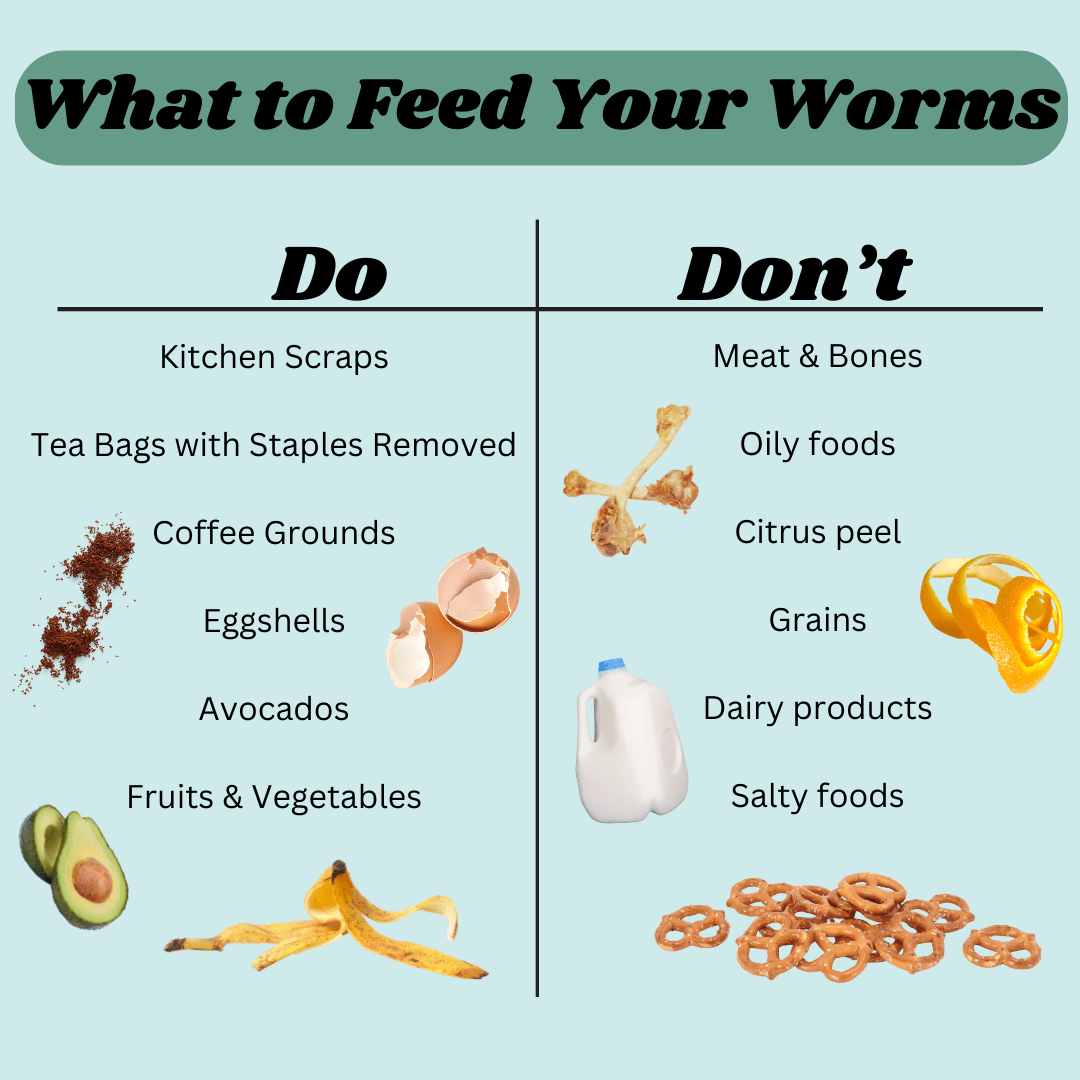
Are you tired of tossing your kitchen scraps into the trash, only to wonder if there’s a better way? What if you could turn those everyday leftovers into rich, healthy compost that nourishes your garden?
Knowing exactly what kitchen scraps to compost can save you money, reduce waste, and help the environment—all from your own home. Keep reading, and you’ll discover simple tips to transform your food waste into garden gold. Your plants will thank you, and so will the planet.

Credit: food52.com
Benefits Of Composting Kitchen Scraps
Composting kitchen scraps offers many benefits for your home and garden. It helps reduce waste, improves soil quality, and saves money. Small efforts in composting can lead to big rewards for the environment and your plants.
Reducing Household Waste
Composting cuts down the amount of garbage sent to landfills. Food scraps like vegetable peels, coffee grounds, and eggshells can be turned into compost. This process lowers the volume of waste and reduces harmful methane gas from decomposing food in landfills.
Enhancing Soil Health
Compost adds valuable nutrients back to the soil. It improves soil texture, making it loose and easy for plants to grow. Compost helps retain moisture and supports beneficial microbes that boost plant health and growth naturally.
Saving Money And Resources
Using compost means less need for chemical fertilizers. It reduces water usage by improving soil’s ability to hold moisture. Composting also saves money on waste disposal fees and garden supplies, making it a smart, eco-friendly choice.
Common Compostable Kitchen Scraps
Knowing which kitchen scraps can go into your compost bin helps you reduce waste and create nutrient-rich soil for your garden. Not all scraps break down equally, so focusing on common compostable items ensures a healthy compost pile. Let’s look at some everyday kitchen waste that you can confidently add to your compost.
Fruit And Vegetable Peels
Fruit and vegetable peels are some of the easiest scraps to compost. Apple cores, banana peels, carrot tops, and potato skins break down quickly and add valuable nutrients. Avoid peels from citrus fruits in large amounts, as their acidity can slow composting.
Next time you peel an orange or chop up veggies, save those scraps instead of tossing them. You’ll notice faster decomposition and richer compost. Have you ever wondered what happens when you toss those colorful peels into the bin?
Coffee Grounds And Tea Bags
Used coffee grounds are a fantastic addition to your compost. They add nitrogen, which helps microbes break down organic matter efficiently. Tea bags can be composted too, but check if the bag is made from synthetic materials first; only compost natural fiber bags.
Sprinkle coffee grounds evenly in your compost bin to avoid clumping. If you drink multiple cups a day, your morning habit can contribute significantly to your compost. Do you save your coffee grounds or just rinse them down the drain?
Eggshells And Nut Shells
Eggshells enrich compost with calcium, which helps plants grow strong roots. Rinse and crush them before adding to speed up decomposition. Nut shells, like those from walnuts or almonds, take longer to break down but still add valuable texture and nutrients.
Keep in mind that thick or hard shells might need more time or breaking down before they fully compost. Adding these scraps balances your compost’s nutrient mix. Have you tried crushing eggshells to see how quickly they disappear in your compost?
Avoid These Kitchen Scraps
Knowing which kitchen scraps to avoid in your compost pile can save you from unpleasant odors and pest problems. Not all food waste breaks down well or benefits your compost. Let’s look at some common kitchen scraps that should stay out of your compost bin to keep your compost healthy and efficient.
Meat And Dairy Products
Meat and dairy scraps attract unwanted pests like rats and raccoons. These items also create strong odors as they decompose, which can be hard to manage in a home compost setup.
Even small amounts of cheese, yogurt, or leftover cooked meat can disrupt the composting process. Instead, consider disposing of these scraps through municipal waste or specialized composting programs designed for animal products.
Oils And Fats
Oils, butter, and other fats take a long time to break down and can coat materials in your compost, slowing the overall process. They also encourage the growth of harmful bacteria.
If you pour cooking oil down your compost, it can create a slimy texture that repels water and oxygen, both essential for healthy decomposition. Try recycling used cooking oil or disposing of it with your household waste instead.
Processed Foods
Processed foods often contain preservatives, salt, and additives that interfere with compost microbes. Items like bread, chips, and packaged snacks don’t break down efficiently and can attract pests.
Think about the ingredients in that leftover sandwich—many are not compost-friendly. Focus on natural, unprocessed scraps like vegetable peelings and fruit cores for better results.
Preparing Scraps For Composting
Kitchen scraps like fruit peels, vegetable ends, coffee grounds, and eggshells make great compost material. Avoid meat, dairy, and oily foods to keep the compost healthy and odor-free. Chop scraps into small pieces for faster decomposition.
Preparing kitchen scraps for composting is crucial for creating nutrient-rich soil. Proper preparation helps speed up decomposition. It also keeps your compost pile healthy and odor-free. Here are some steps to prepare your kitchen scraps effectively.
Chopping And Shredding
Chop or shred your kitchen scraps into smaller pieces. Smaller pieces break down faster in the compost pile. Use a knife or a food processor for chopping. A simple cutting board works too. Shredding large scraps like corn cobs can be useful. Smaller scraps also reduce the risk of pests. They create more surface area for bacteria to work on.
Balancing Green And Brown Materials
Balance is key in composting. Mix green and brown materials in equal amounts. Green materials include fruit peels and vegetable scraps. They provide nitrogen. Brown materials are dry leaves and paper. They provide carbon. A balanced mix ensures good composting conditions. It prevents unpleasant odors and speeds up decomposition. Keep a balance chart handy for quick reference.
Storing Scraps Before Composting
Store your scraps in a compost bin. Use a container with a lid to control odors. Keep it in a cool, dry place. Check the bin regularly to avoid overflow. Empty it into the compost pile once it's full. This prevents scraps from rotting or attracting pests indoors. Consider using a liner in your bin for easy cleaning.
Composting Methods For Kitchen Waste
Composting your kitchen scraps is a powerful way to reduce waste and nourish your garden at the same time. Choosing the right composting method can make the process easier and more efficient. Let’s look at different ways you can turn your food leftovers into rich, valuable soil amendment.
Traditional Backyard Composting
This method uses a simple pile or bin in your backyard where you add kitchen scraps like vegetable peels, coffee grounds, and eggshells along with yard waste such as leaves and grass clippings. You need to balance “greens” (nitrogen-rich scraps) and “browns” (carbon-rich materials) to keep the pile healthy and odor-free.
Turning the pile regularly speeds up decomposition and prevents bad smells. Have you tried tossing your scraps directly into the garden? It’s tempting, but a managed compost pile creates far better soil.
Vermicomposting With Worms
Vermicomposting uses red worms to break down kitchen scraps quickly in a worm bin. It’s perfect if you don’t have outdoor space or want a fast, odorless compost option indoors. You add soft scraps like fruit and vegetable peels, coffee grounds, and tea bags to feed the worms.
The worms produce nutrient-rich castings that are fantastic for houseplants or garden beds. Wondering if worms can handle citrus or onion scraps? They prefer milder foods, so limit those to small amounts to keep your worms happy.
Using Compost Bins And Tumblers
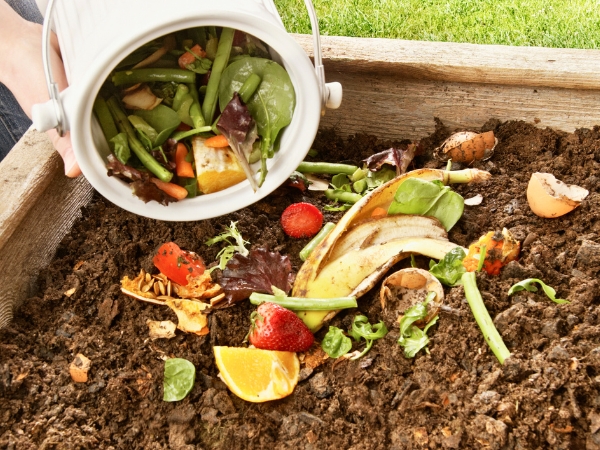
Compost bins and tumblers are great for controlling the process and speeding up composting. Tumblers let you turn your scraps easily, mixing air in and helping materials break down faster. You can add most kitchen scraps except meat, dairy, and oily foods, which attract pests.
Bins keep your compost contained and neat, making them ideal for smaller yards or patios. Have you noticed how using a tumbler reduces the time you spend managing your compost? It’s a convenient way to get rich compost without much hassle.
Credit: canadale.ca
Troubleshooting Common Composting Issues
Composting kitchen scraps can be simple but sometimes problems arise. Common issues include bad smells, unwanted pests, and slow decay. Knowing how to fix these helps keep your compost healthy and efficient. This section explains easy ways to troubleshoot these common composting challenges.
Dealing With Odors
Bad smells usually mean your compost is too wet or lacks air. Overly wet scraps can create a slimy, smelly mess. Turn the pile often to add oxygen and dry it out. Adding dry materials like leaves or shredded paper helps absorb moisture. Avoid putting meat, dairy, or oily foods in the compost. These items cause strong odors and attract pests.
Managing Pests
Pests like flies, rodents, or ants may visit your compost if it contains certain scraps. Keep meat, bones, and greasy foods out. Cover kitchen scraps with a layer of brown materials such as dry leaves or straw. Use a compost bin with a lid or mesh to keep animals away. Regularly turning the compost also discourages pests by disturbing their habitat.
Fixing Slow Decomposition
Slow composting happens when scraps lack balance or proper conditions. Ensure a good mix of green (nitrogen-rich) and brown (carbon-rich) materials. Chop kitchen scraps into small pieces to speed up decay. Maintain moisture like a damp sponge but not soaking wet. Turn the pile often to improve airflow and help microbes work faster. Placing the compost in a warm spot boosts decomposition too.
Tips For Eco-friendly Composting
Composting kitchen scraps is a simple way to reduce waste and help the planet. To compost well, follow some easy tips. These tips keep your compost healthy and useful for your garden.
Avoiding Contamination
Keep compost clean by avoiding harmful items. Do not add meat, dairy, or oily foods. These cause bad smells and attract pests. Avoid adding diseased plants or weeds with seeds. Use only natural scraps like fruit peels, vegetable bits, coffee grounds, and eggshells.
Regular Turning And Maintenance
Turn your compost often to add air. Air helps good bacteria break down scraps faster. Mix the pile every few days or once a week. Keep the compost moist but not wet. Add dry leaves or paper if it feels too wet. This keeps balance and stops bad odors.
Using Finished Compost Effectively
Use finished compost to feed plants and soil. Spread it over garden beds or mix it in pots. It adds nutrients and improves soil texture. Finished compost helps plants grow strong and healthy. Store extra compost in a dry place for future use.

Credit: www.youtube.com
Frequently Asked Questions
What Kitchen Scraps Are Safe To Compost?
Vegetable peels, fruit scraps, coffee grounds, eggshells, and tea bags are safe to compost. Avoid meat, dairy, and oily foods to prevent pests and odors.
Can I Compost Citrus Peels From The Kitchen?
Yes, citrus peels can be composted in small amounts. Too many may slow decomposition due to their acidity, so balance with other scraps.
How Do Eggshells Benefit Composting?
Eggshells add calcium and improve soil structure. Crush them before adding to speed decomposition and prevent attracting pests in your compost bin.
Are Coffee Grounds Good For Compost?
Coffee grounds are rich in nitrogen and excellent for compost. Mix them well with carbon-rich materials like dry leaves to balance the compost.
Conclusion
Composting kitchen scraps helps reduce waste and nourish soil. Fruit peels, vegetable bits, coffee grounds, and eggshells work well. Avoid meat, dairy, and oily foods to keep pests away. Regularly turn your compost to speed up decay. Composting saves money and supports a healthier garden.
Start small and watch your scraps turn into rich soil. It’s an easy way to help the planet daily. Give it a try and see the benefits yourself.