
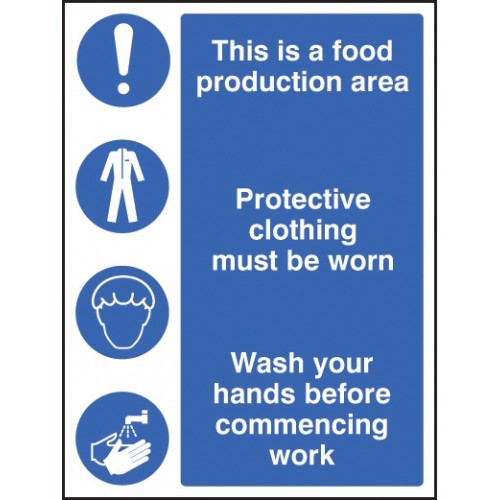
When you step into the kitchen, safety should be your top priority. You might think cooking is all about flavors and creativity, but the right protective clothing can make a huge difference in keeping you safe from burns, cuts, and spills.
Do you know exactly what you should wear to protect yourself while cooking? Wearing the proper gear isn’t just smart—it can prevent accidents that might ruin your day. Keep reading to discover the essential protective clothing that every cook needs to stay safe and confident in the kitchen.

Credit: www.cintas.com
Heat-resistant Gloves
Heat-resistant gloves are essential for safety in the kitchen. They protect hands from burns and hot surfaces. Chefs and home cooks use them to handle hot pots, pans, and trays. These gloves help prevent accidents and injuries.
Material Types
Heat-resistant gloves come in various materials. Each offers different levels of protection and comfort.
- Silicone:Flexible and waterproof. Provides good heat resistance up to 450°F (232°C).
- Aramid fibers (like Kevlar):Strong and heat-resistant. Often used in professional kitchens.
- Cotton with heat-resistant coating:Breathable but less heat protection. Suitable for light tasks.
- Neoprene:Resistant to heat and chemicals. Good for wet and hot environments.
When To Use
Use heat-resistant gloves during tasks involving hot objects. Examples include:
- Taking trays out of the oven
- Handling hot pots and pans
- Grilling or barbecuing
- Using a deep fryer
Always wear gloves before touching hot surfaces. Avoid using wet gloves, as water can transfer heat quickly. Replace gloves if they show damage or wear.
Aprons And Chef Coats
Aprons and chef coats are essential protective clothing in any kitchen. They shield the body from spills, splashes, and heat. Wearing the right apron or coat improves safety and comfort during cooking. Both items come in different styles and fabrics to suit various kitchen needs.
Fabric Choices
Choosing the right fabric matters for protection and comfort. Cotton is soft and breathable, making it ideal for hot kitchens. Polyester resists stains and dries quickly, helping with messy tasks. Blends of cotton and polyester balance comfort and durability. Heavy-duty fabrics like canvas offer extra protection from heat and cuts. Some aprons and coats include water-resistant or flame-retardant materials for added safety.
Benefits In The Kitchen
- Protect clothes from stains and burns.
- Provide a barrier against hot liquids and oils.
- Help keep the kitchen clean by catching food spills.
- Improve hygiene by covering street clothes.
- Offer pockets for carrying small tools and towels.
- Enhance professionalism and kitchen team identity.
Non-slip Footwear
Non-slip footwear is essential for safety in any kitchen setting. Kitchens often have wet or greasy floors. These conditions increase the risk of slips and falls. Wearing the right shoes helps prevent accidents and injuries. It also improves comfort during long hours of standing and moving.
Importance Of Grip
Grip plays a crucial role in kitchen footwear. Shoes with strong grip reduce the chance of slipping. Good traction helps maintain balance on slippery surfaces. It protects against falls that can cause serious harm. Slip-resistant soles are designed to work well on wet floors. They keep the wearer steady and confident while working.
Recommended Shoe Styles
- Clogs with slip-resistant soles offer both comfort and safety.
- Closed-toe shoes protect feet from hot spills and sharp objects.
- Rubber-soled shoes provide excellent grip and durability.
- Waterproof shoes keep feet dry in wet kitchen environments.
- Lightweight sneakers with non-slip bottoms support long shifts.
Hair And Head Covers
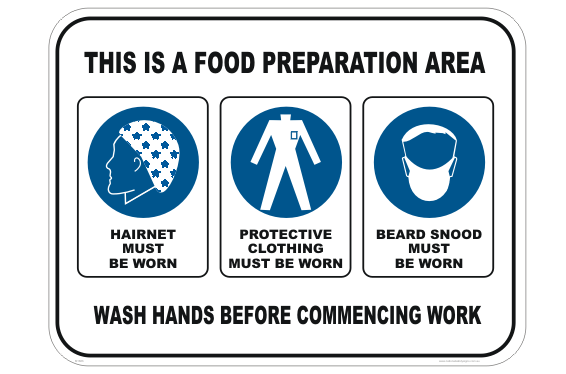
Hair and head covers protect food from contamination in the kitchen. They keep hair secure and maintain hygiene. Ensure they fit well and are comfortable during cooking.
Hair and head covers are essential components of protective clothing in the kitchen. They ensure that your food remains clean and safe, free from unwanted hair and dandruff. These covers are not just about maintaining hygiene; they also contribute to a professional look and feel in any kitchen setting.
Preventing Contamination
Wearing hair and head covers significantly reduces the risk of food contamination. Imagine preparing a delicious dish only to find a stray hair in it—quite unappetizing, right? Hair nets, caps, or hats keep your hair neatly tucked away, preventing any accidental fallout. Cleanliness is not just about wiping surfaces and washing hands. It extends to every part of your attire, including your head. A simple cap or hair net acts as a barrier between your hair and the food, maintaining strict hygiene standards.
Different Types Available
There are various types of hair and head covers suited for different needs and preferences. Hair nets are lightweight and breathable, perfect for those long hours in the kitchen. They are easy to wear and remove, offering flexibility and comfort. Caps and hats provide more coverage and are often used in professional kitchen settings. They come in different styles, from classic chef hats to modern baseball caps. Each type offers its own unique blend of comfort and practicality. Ever tried wearing a bandana in the kitchen? It's a stylish yet effective way to keep hair secured. Bandanas are versatile and can be adjusted to fit any head size, providing both functionality and flair. Choosing the right head cover can make your kitchen experience both safe and enjoyable. What type of hair cover do you find most comfortable? Consider giving it a try in your next cooking session.
Protective Eyewear
Protective eyewear in the kitchen shields your eyes from hazards. Hot oil splashes, steam, and sharp tools pose risks. Wearing the right glasses keeps your eyes safe and lets you focus on cooking.
When To Wear
Wear protective eyewear during tasks with high splash risks. Frying, chopping, and using strong cleaning chemicals need extra care. Also, use them when working with hot liquids or steam. Protect your eyes even if the risk seems small.
Types Of Safety Glasses
- Goggles:Fully cover eyes to stop liquids and particles.
- Wrap-around glasses:Fit closely around eyes for side protection.
- Face shields:Used with glasses for full face safety.
- Anti-fog glasses:Prevent fogging in steamy kitchens.
Choose eyewear that fits well and feels comfortable. Clear lenses help keep good visibility while cooking.
Credit: nationalsafetysigns.com.au
Cut-resistant Gloves
Cut-resistant gloves are a must-have in any kitchen where sharp knives and slicers are used regularly. These gloves protect your hands from accidental cuts, making your prep work safer and more efficient. Wearing them can give you confidence while handling sharp tools, reducing the risk of injury.
Materials Used
Cut-resistant gloves are made from different materials, each offering a unique level of protection and comfort. Common materials include:
- Kevlar:Lightweight and flexible, Kevlar gloves provide excellent cut resistance without sacrificing dexterity.
- Dyneema:Known for its strength, Dyneema offers high cut resistance and is also lightweight and breathable.
- Stainless Steel Mesh:Often used in gloves for heavy-duty cutting tasks, this material offers superior protection but can be heavier and less flexible.
- Nylon and Polyester blends:These materials provide moderate cut resistance and are often combined with other fibers for added durability.
Choosing the right material depends on your specific kitchen tasks and how much protection you need without losing the ability to handle delicate ingredients.
Best Practices For Handling Knives
Wearing cut-resistant gloves is just one part of staying safe. How you handle your knives matters greatly. Always keep your knives sharp; dull blades require more force and increase the chance of slipping.
Pay attention to your cutting surface—use a stable, non-slip board to prevent accidents. Keep your fingers tucked in and use a claw grip to protect your fingertips while chopping.
Have you ever cut yourself despite wearing gloves? It might be due to improper knife handling. Use slow, controlled movements rather than rushing. Remember, safety starts with both protective gear and mindful technique.
Proper Clothing Fit
Proper clothing fit is essential for safety and comfort in the kitchen. Clothes that fit well reduce risks and help you move easily. Wearing the right size keeps you protected from spills, burns, and accidents. It also prevents distractions while cooking.
Avoiding Loose Garments
Loose clothes can catch fire or get caught in equipment. They may brush against hot surfaces or open flames. Baggy sleeves or wide pants increase the chance of accidents. Tight, well-fitted clothing stays close to the body and limits these dangers.
Choose clothes that allow movement without extra fabric hanging. Avoid long scarves, loose cuffs, and oversized shirts. Roll up sleeves or wear fitted ones to keep safe.
Safety Implications
Ill-fitting clothes can cause slips and trips in the kitchen. Loose fabric may snag on handles or sharp tools. It can also drag food or liquids onto the floor, creating hazards.
Proper fit helps maintain hygiene by keeping clothes clean and tucked. It lowers the chance of contamination. Well-fitted protective clothing supports a safer and more efficient kitchen environment.
Additional Safety Gear
Protective clothing in the kitchen goes beyond just aprons and oven mitts. Additional safety gear can make a big difference in preventing injuries and keeping you comfortable during long cooking sessions. Have you ever thought about what extra items could help safeguard your face or knees while working?
Face Masks
Face masks protect you from inhaling smoke, strong odors, or airborne particles when cooking. They are especially useful if you often work with spicy ingredients or in kitchens with poor ventilation. A good-quality, breathable mask can reduce irritation and help you focus on your tasks without distraction.
Consider masks made from washable fabric or disposable ones if you cook frequently. Some masks even have filters to catch fine particles, which is helpful when frying or grilling. Wearing a face mask can also prevent accidental touches to your nose or mouth, reducing the chance of contamination.
Knee Pads
Spending hours standing in the kitchen can be tough on your knees. Knee pads provide cushioning and support, reducing fatigue and discomfort when you need to kneel for tasks like cleaning lower shelves or reaching into low cabinets.
Look for lightweight, flexible knee pads that won’t restrict your movement. If you’ve ever experienced knee pain after cooking, adding this gear could be a game-changer. Investing in knee protection helps you stay active and pain-free, so you can enjoy cooking without physical strain.

Credit: www.shutterstock.com
Frequently Asked Questions
What Types Of Protective Clothing Are Essential In The Kitchen?
Essential protective clothing includes aprons, oven mitts, chef hats, and slip-resistant shoes. These items protect against burns, spills, and slips.
Why Is Wearing An Apron Important In The Kitchen?
Aprons shield your clothes from spills, stains, and hot splashes. They also add a layer of protection against cuts and burns.
How Do Oven Mitts Protect Kitchen Workers?
Oven mitts prevent burns by insulating hands from hot pots, pans, and trays. They are crucial for handling heated items safely.
Should Kitchen Staff Wear Slip-resistant Shoes?
Yes, slip-resistant shoes reduce the risk of falls on wet or greasy floors. They enhance safety during busy kitchen hours.
Conclusion
Wearing the right clothing keeps you safe in the kitchen. It protects from burns, cuts, and spills. Simple items like aprons, gloves, and closed shoes help a lot. Clean clothes also stop germs from spreading. Always choose fabrics that resist heat and liquids.
Stay alert and dress wisely to avoid accidents. Safe cooking means safe clothing. Your health depends on it. Stay protected every time you cook.